Side-by-Side IQ Profile
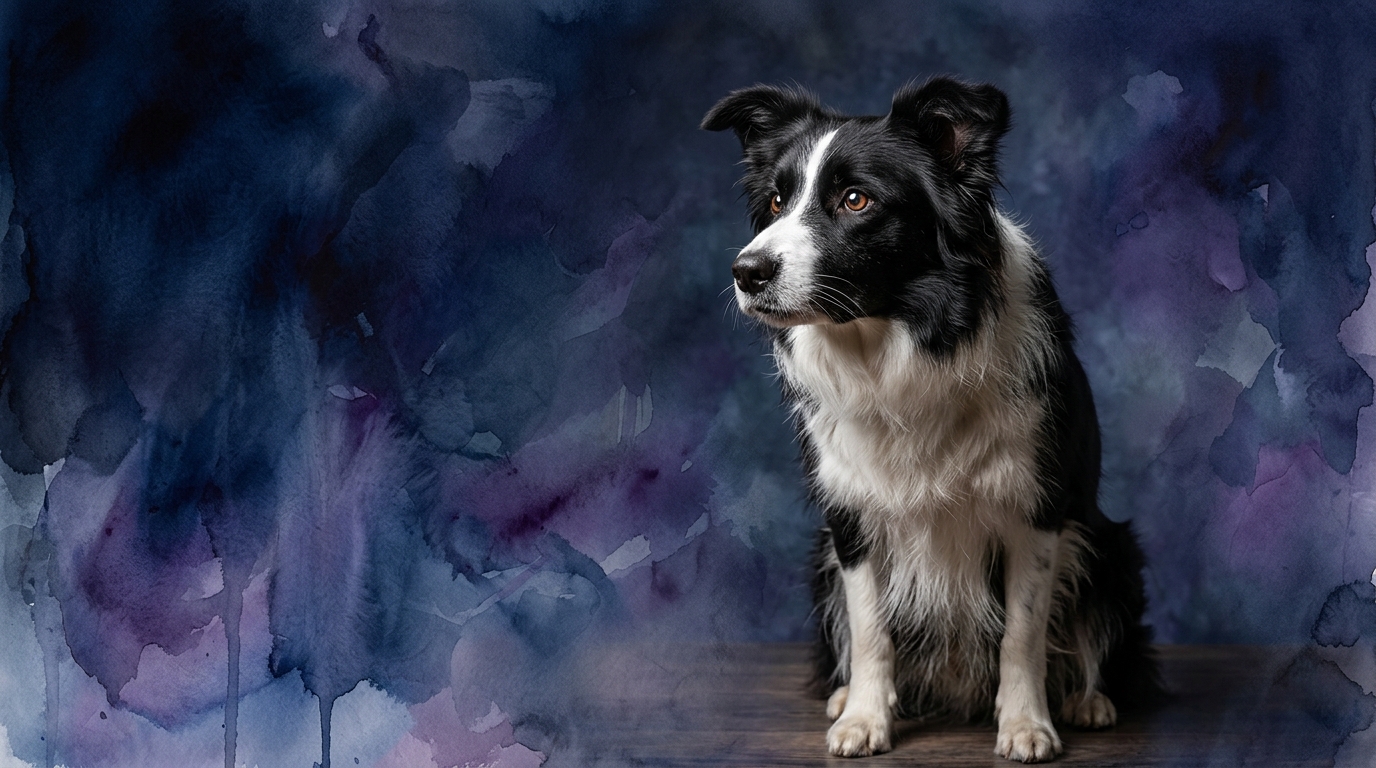
**Border Collie (Herding Group, Coren Rank #1)**: This breed consistently demonstrates exceptional cognitive abilities, reflecting its demanding working heritage. Their Problem Solving (5/5) score highlights an outstanding capacity for cognitive flexibility, quickly analyzing novel situations and devising effective strategies, whether navigating complex agility courses or outsmarting a flock of sheep. Training Speed (5/5) is remarkable; they absorb new commands and behaviors with alacrity, often requiring only a handful of repetitions before solidifying a concept, driven by a profound desire to engage and perform. Social Intelligence (4/5) means their understanding of human communication extends beyond verbal cues, encompassing subtle body language and emotional states, fostering a deep, responsive partnership with their handlers. Possessing an intense, innate Instinctive Drive (5/5), Border Collies are compelled to gather and control, channeling this powerful drive into focused work and task completion with tireless enthusiasm. Their Memory (5/5) ensures the recall of learned commands, complex routines, and past experiences is a hallmark, allowing them to build an extensive behavioral repertoire and perform intricate sequences with precision.
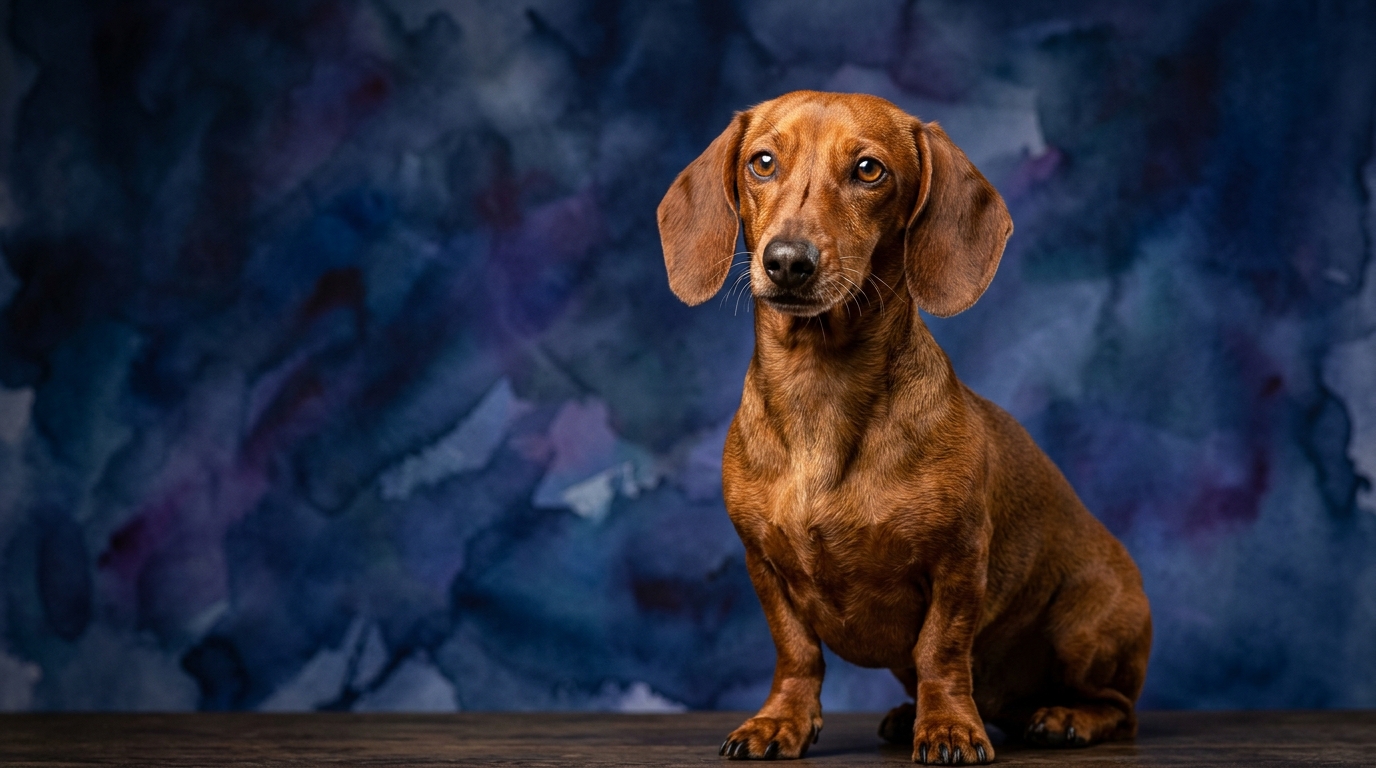
**Dachshund (Hound Group, Coren Rank #49)**: The Dachshund's cognitive profile is uniquely tailored to its historical role as a determined hunter. Their Problem Solving (4/5) is characterized by persistence and cunning, particularly when it involves navigating tight spaces or overcoming obstacles to reach a desired objective, often an instinctual one. Training Speed (2/5) indicates they require more patience and repetition; while capable of learning, their independent nature and strong olfactory focus can sometimes override a desire for immediate compliance. Social Intelligence (3/5) shows they form strong attachments to their families, displaying affection and recognizing familiar faces, yet their social interactions can be characterized by a certain self-reliance and selective engagement, especially with strangers. The Dachshund's formidable Instinctive Drive (5/5) is rooted in its badger hunting heritage, manifesting as an unwavering determination to track scents, dig, and pursue, often with singular focus despite perceived obstacles. Their Memory (3/5) retains learned behaviors and routines, particularly those reinforced consistently or aligning with natural inclinations, though recall can be selectively applied when a compelling scent or instinctual urge takes precedence.
Where Border Collie Wins Cognitively
Border Collies stand out for their unparalleled cognitive agility and capacity for abstract thought, aspects where their brain operates at an exceptionally high level. Their 5/5 Problem Solving score isn't just about simple tasks; it reflects an ability to generalize learned concepts to new situations, rapidly process information, and adapt strategies on the fly. For instance, a Border Collie can learn a complex sequence of commands in one environment and execute it flawlessly in a completely different setting, demonstrating a robust understanding of the underlying principles rather than rote memorization. Their 5/5 Training Speed is a direct result of this cognitive processing power combined with a strong work ethic, allowing them to acquire new skills like advanced obedience, trick training, or complex herding patterns with minimal repetition. Furthermore, their 5/5 Memory ensures that these intricate behaviors and vast vocabularies are retained long-term, enabling them to perform consistently even after breaks. This confluence of rapid learning, deep understanding, and persistent recall makes the Border Collie a master of complex, multi-stage tasks requiring continuous mental engagement and precision.
Where Dachshund Wins Cognitively
While their Coren rank places them lower on the obedience and working intelligence scale, the Dachshund's cognitive strengths lie in areas distinct from the Border Collie's, particularly in their formidable 5/5 Instinctive Drive and the specific application of their 4/5 Problem Solving. Dachshunds excel in tasks requiring singular focus, tenacious pursuit, and independent decision-making rooted in their hound heritage. Their problem-solving prowess is evident in their ability to methodically track a scent trail over varied terrain, navigating obstacles with persistent determination, even when the 'solution' might not be immediately obvious to a human observer. This isn't about rapid learning of multiple commands, but rather an unyielding mental fortitude to achieve a specific, often instinctual, goal. Their cognitive wins are about specialized intelligence: the unwavering commitment to a perceived mission, the ability to 'tune out' distractions when on a scent, and the sheer mental endurance to follow through on a task that might take hours or involve significant physical challenge. This deep-seated drive and specialized problem-solving make them exceptionally effective at tasks aligned with their original purpose.
Which is Easier to Train and Why
The Border Collie is unequivocally easier to train for a wide array of human-directed tasks, primarily due to their stellar 5/5 Training Speed and high Social Intelligence (4/5). They possess an innate eagerness to please and a profound desire to engage with their human partners, making them highly receptive to instruction. A Border Collie thrives on mental stimulation and views training as a collaborative activity, quickly connecting verbal cues and hand signals to desired actions. Their exceptional memory (5/5) means that once a command is learned, it is rarely forgotten, and their problem-solving ability (5/5) allows them to generalize commands to new contexts without extensive re-training. In contrast, the Dachshund, with its 2/5 Training Speed, presents a different training dynamic. Their powerful 5/5 Instinctive Drive often means they prioritize their own sensory impulses, particularly scent, over human directives. While capable of learning, their independent nature and selective hearing can make them appear stubborn. Training a Dachshund requires more patience, consistency, and a strong understanding of their intrinsic motivations, often needing higher value rewards and more repetitions to solidify behaviors. They are not less capable of learning, but their mental framework is less geared towards immediate, broad compliance and more towards self-directed exploration and pursuit.
Which Suits Active Owners vs. Relaxed Owners
The Border Collie is an ideal match for highly active owners who are prepared to provide continuous mental and physical engagement. Their 5/5 Instinctive Drive and high Problem Solving (5/5) mean they require more than just walks; they need 'work' to feel fulfilled. This could involve competitive dog sports like agility, obedience, flyball, or actual herding. Owners who enjoy teaching complex tricks, engaging in puzzle games, or providing a structured routine of learning and activity will find a Border Collie to be an incredibly rewarding partner. A relaxed owner, or one unable to meet these substantial cognitive and physical demands, will likely encounter a frustrated, potentially destructive, or overly-anxious Border Collie. The Dachshund, while possessing a 5/5 Instinctive Drive for scent work and digging, generally suits owners with a more moderate activity level. They enjoy walks, especially those offering new smells to explore, and can be surprisingly tenacious on hikes, but they don't typically demand the same intensity of structured mental work as a Border Collie. Their ideal owner appreciates their independent spirit, is willing to engage in shorter, scent-focused play sessions, and is comfortable with a dog that is content to cuddle on the couch after a good sniff-walk. They are suitable for owners who seek companionship with a distinct personality, without needing a canine partner for extreme sports or constant intellectual challenges.
The Verdict
Opt for a Border Collie if you are an experienced, active owner dedicated to providing consistent mental stimulation through training, dog sports, or a working role, thriving on a highly collaborative canine partnership.
Select a Dachshund if you appreciate an independent, tenacious companion with a strong personality, are prepared for moderate exercise including scent exploration, and value loyalty without demanding absolute obedience.
🧠 Find Your Pet's IQ Score
Our Pet IQ Lab assessment covers 25+ tests across 5 cognitive dimensions — personalized to your breed.
Take the Full IQ Test →Frequently Asked Questions
Can a Dachshund perform agility like a Border Collie?
While some Dachshunds enjoy and can participate in agility, their physical structure and lower training speed make them less naturally suited for the rapid, high-impact movements and complex sequences that Border Collies excel at. Their agility performance is often more about enjoyment and individual determination than competitive speed and precision.
Are Border Collies good family pets?
Border Collies can be excellent family pets for the right family, provided their significant needs for mental and physical activity are consistently met. They thrive in environments where they have a 'job' and consistent interaction, but without proper outlets, their intense drive can manifest as nipping at heels (herding children) or destructive behaviors.
How does a Dachshund's problem-solving differ from a Border Collie's?
A Dachshund's problem-solving (4/5) is often driven by instinct and persistence, focusing on achieving a singular goal like finding a scent source or navigating tight spaces, even if it takes a long time. A Border Collie's problem-solving (5/5) is characterized by rapid analysis, adaptability, and the ability to learn and apply complex strategies to novel, often human-directed, tasks.