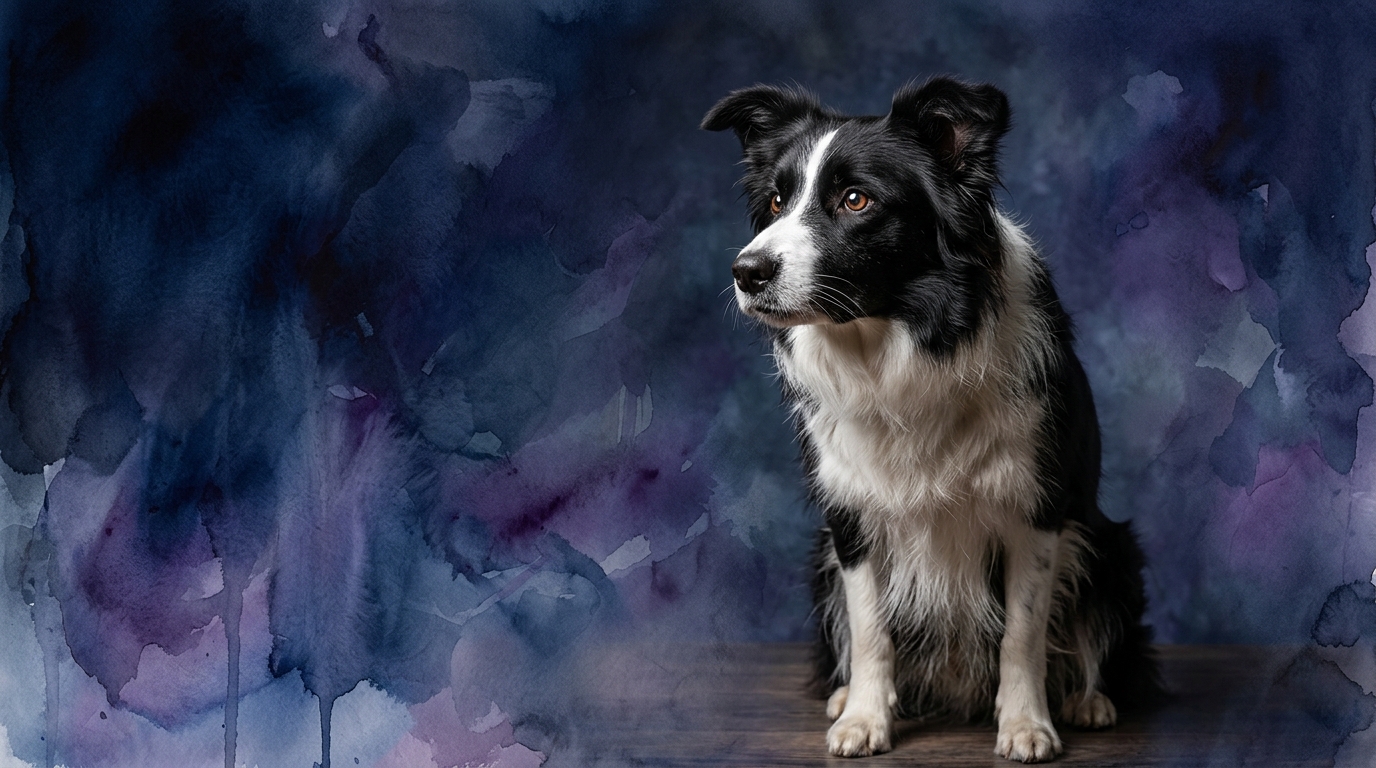
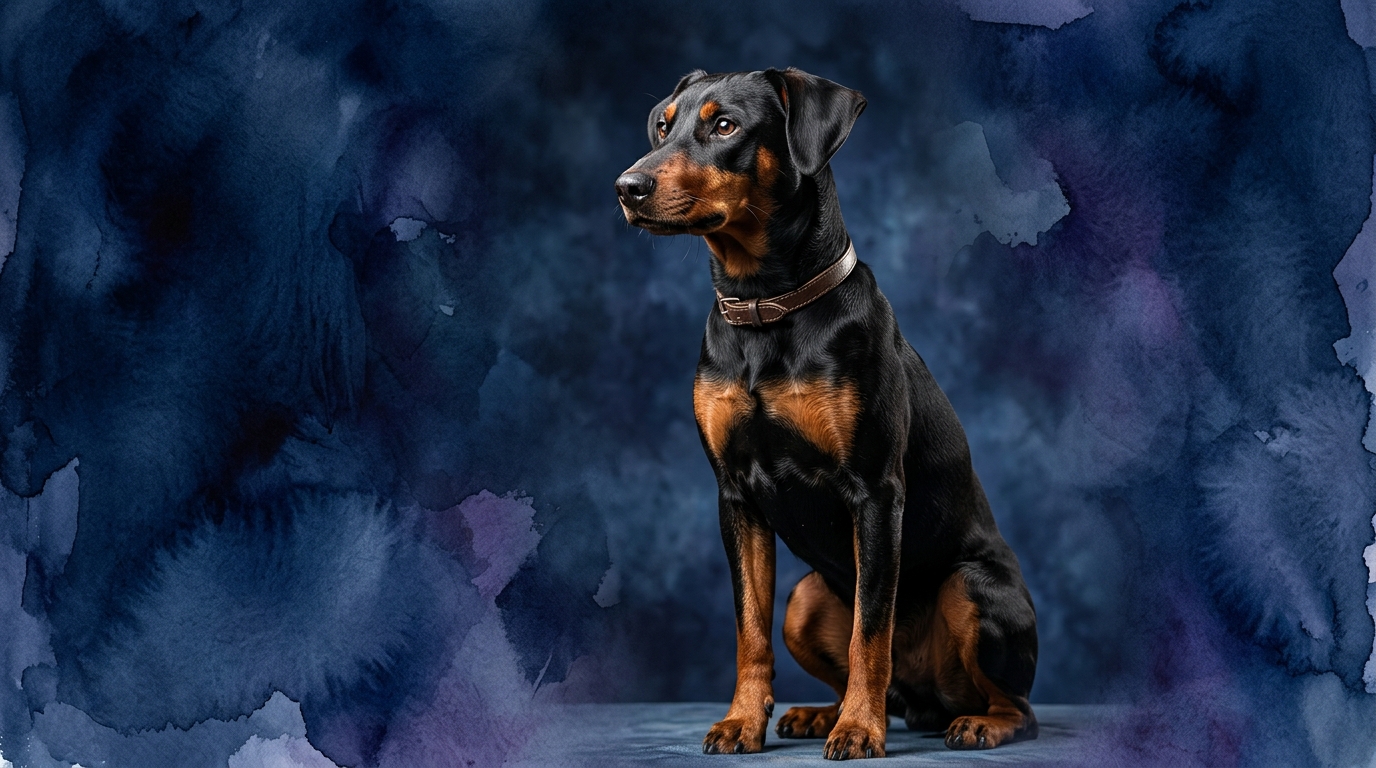
Side-by-Side IQ Profile: Border Collie vs. German Pinscher
The Cosmic Pet Pet IQ Lab categorizes canine intelligence across five key dimensions, offering a nuanced view beyond simple labels. For the Border Collie, a breed originating from the Scottish borders, their profile is exceptional: Problem Solving 5/5, Training Speed 5/5, Social Intelligence 4/5, Instinctive Drive 5/5, and Memory 5/5. This reflects a dog engineered for complex, independent work, capable of rapid learning and retaining vast amounts of information.
In contrast, the German Pinscher, a working breed with a history spanning centuries, presents a different cognitive blueprint. Their IQ scores are as follows: Problem Solving 3/5, Training Speed 3/5, Social Intelligence 3/5, Instinctive Drive 3/5, and Memory 3/5. These scores indicate a competent, capable dog, but one whose cognitive strengths lie in areas distinct from the Border Collie's high-octane mental athleticism. They are not Coren-ranked, suggesting they fall outside the top tier of working and obedience intelligence, but still possess practical, functional intelligence for their traditional roles.
Where the Border Collie Excels Cognitively
The Border Collie's cognitive prowess is evident across nearly all metrics. Their 5/5 in Problem Solving means they can quickly analyze novel situations, devise strategies, and adapt their approach, whether it's navigating a complex agility course or figuring out how to open a gate. This isn't just about following commands; it's about independent thought to achieve a goal.
With a Training Speed of 5/5, Border Collies absorb new commands and behaviors with remarkable alacrity, often grasping concepts in just a few repetitions. This rapid acquisition of skills makes them highly receptive to advanced training, intricate trick learning, and multi-step tasks. Their 5/5 Memory further reinforces this, allowing them to recall an extensive repertoire of commands, cues, and learned patterns over long periods, making them reliable partners in any structured activity. Their 5/5 Instinctive Drive fuels their relentless focus and desire to work, making them self-starters in mental engagement, constantly seeking input and tasks to fulfill their innate purpose. Their 4/5 Social Intelligence means they are highly attuned to human cues and intentions, making them excellent communicators within their family unit, though perhaps not as universally gregarious as some other breeds.
Where the German Pinscher's Cognitive Traits Shine
While the German Pinscher’s cognitive scores are more moderate, they reflect a distinct set of strengths optimized for their historical role as farm guardians and ratters. Their 3/5 in Problem Solving often manifests as practical, independent assessment of their immediate environment. Rather than seeking complex human-directed puzzles, a Pinscher might excel at identifying subtle changes in their surroundings, discerning potential threats, or finding efficient ways to patrol their territory without constant prompting. This is a pragmatic, situation-specific form of intelligence.
The Pinscher's 3/5 Instinctive Drive, while not as intense as the Border Collie's, means they can be highly focused on a task once motivated, such as tracking a scent or maintaining vigilance, without easily becoming overstimulated or prone to obsessive behaviors. This moderate drive can translate into a more balanced internal state, making them less prone to destructive behaviors born from chronic unmet intellectual demands compared to a breed with higher drive. Their 3/5 Social Intelligence, while not indicating a lack of affection, suggests a degree of self-reliance and discernment in interactions, fostering independence rather than constant people-pleasing. Their 3/5 Memory is sufficient for consistent routines and learned behaviors, allowing them to perform their duties reliably, valuing consistency over constant novelty.
Training: Ease and Approach for Each Breed
When it comes to training, the Border Collie's 5/5 Training Speed and Memory make them exceptionally responsive. They thrive on positive reinforcement and quickly generalize learned behaviors to new situations. Their high instinctive drive means they are often self-motivated to engage in training sessions, viewing them as a fulfilling task. However, their intelligence can also lead to them outsmarting an inconsistent trainer or becoming bored if not sufficiently challenged, sometimes developing their own 'rules' if boundaries aren't clear.
The German Pinscher, with a 3/5 Training Speed and Memory, requires a different approach. They are certainly trainable, but consistency, patience, and clear, concise commands are paramount. Repetition is more effective than trying to introduce complex, multi-step tasks too quickly. Their moderate problem-solving can manifest as independent thinking, which might be perceived as stubbornness if not approached with firm, fair leadership. While they may not learn as rapidly as a Border Collie, their learned behaviors, once solidified, are reliable, especially if they perceive the training as serving a practical purpose or reinforcing their bond with their owner.
Matching Cognitive Profiles to Owner Lifestyles
For owners with an active lifestyle who are prepared to provide extensive mental stimulation, the Border Collie is an ideal match. Their 5/5 Instinctive Drive means they crave a 'job' and will become restless or destructive if their cognitive needs are neglected. They excel in dog sports like agility, obedience, flyball, or even complex trick training, requiring an owner who enjoys daily engagement in structured activities and can invent new mental challenges. These dogs are partners in rigorous thought and physical exertion.
The German Pinscher, while also requiring an active owner, suits a lifestyle that values structured activity and consistency over constant novelty and extreme mental exertion. Their 3/5 Instinctive Drive means they enjoy regular exercise, training, and a sense of purpose, but typically don't demand the same intensity of complex problem-solving every single day as a Border Collie. They thrive with owners who can provide clear routines, engage in consistent training for practical skills, and appreciate a confident, independent companion who is alert and protective without being overly obsessive about tasks. They are well-suited for owners who enjoy brisk walks, obedience work, and perhaps some scent work, but might prefer a calmer evening at home.
The Verdict
Choose a Border Collie if you are an experienced, dedicated owner ready to commit to daily, rigorous mental and physical challenges, thriving on a partnership built on complex learning and constant engagement.
Opt for a German Pinscher if you seek a confident, independent companion who values routine, consistent training, and practical engagement, offering loyalty and vigilance without the intense daily cognitive demands of a herding prodigy.
🧠 Find Your Pet's IQ Score
Our Pet IQ Lab assessment covers 25+ tests across 5 cognitive dimensions — personalized to your breed.
Take the Full IQ Test →Frequently Asked Questions
Can a German Pinscher learn complex tricks like a Border Collie?
A German Pinscher can certainly learn tricks, but their 3/5 Training Speed means it will likely take more repetitions and consistent effort than with a Border Collie. They may not string together as many complex behaviors or learn multi-step sequences with the same ease, but they are capable of mastering a solid repertoire with dedicated training.
Do Border Collies get bored easily if not mentally stimulated?
Yes, a Border Collie's 5/5 Problem Solving and Instinctive Drive mean they require significant mental stimulation daily. Without enough intellectual engagement, they can become bored, leading to destructive behaviors, excessive barking, or developing their own 'jobs' that might not align with owner expectations.
Is the German Pinscher's moderate social intelligence a sign of aloofness?
Not necessarily; their 3/5 Social Intelligence indicates a degree of independence and discernment rather than a lack of affection. German Pinschers are typically devoted to their families but may not be overly effusive with strangers, preferring to observe and assess new situations before engaging, which is a trait valued in a guardian breed.