Side-by-Side IQ Profile: Border Collie vs. German Wirehaired Pointer
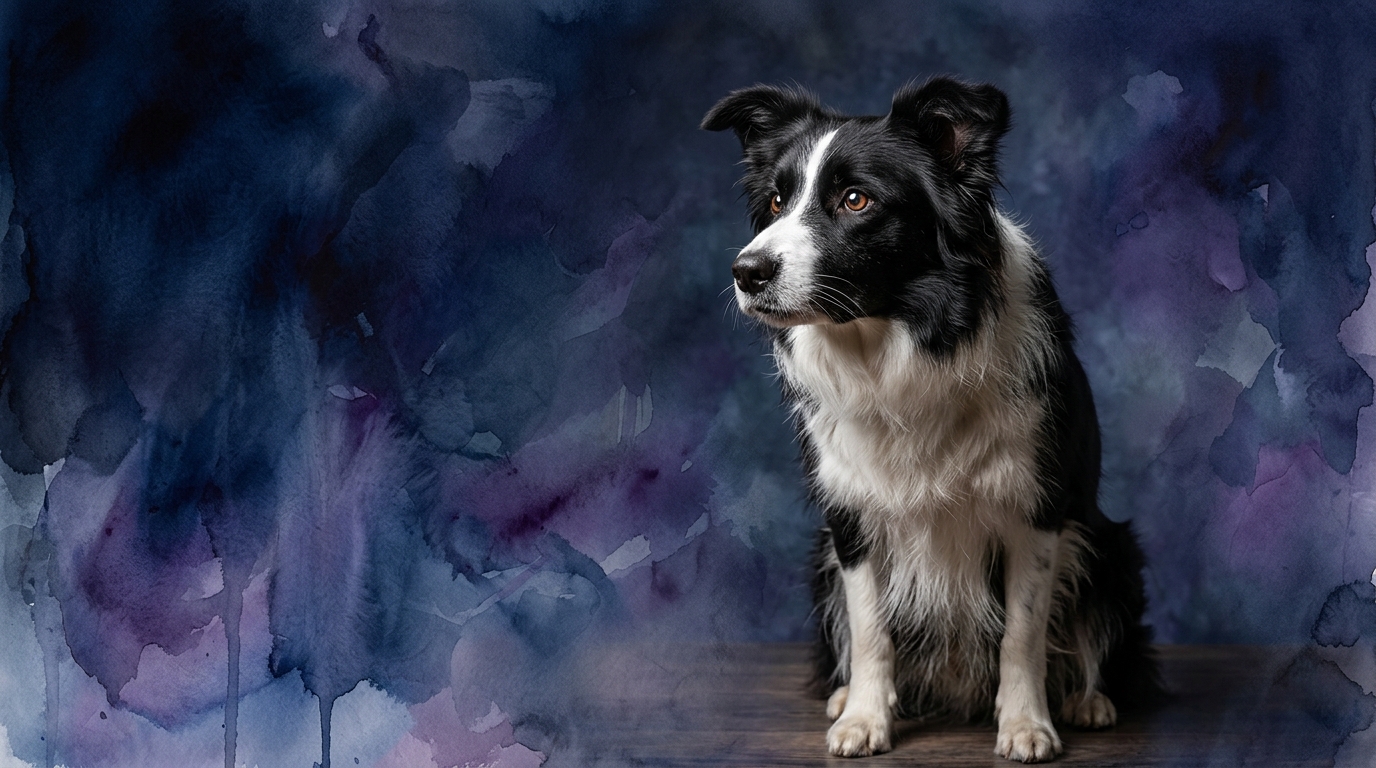
The Border Collie, holding a Coren rank of #1, showcases a remarkable cognitive profile. Their Problem Solving is rated 5/5, indicating an exceptional capacity for complex, multi-stage tasks, rapidly analyzing dynamic situations like managing a flock or navigating intricate agility courses, often devising novel solutions. Training Speed is also 5/5, reflecting an almost instantaneous grasp of new commands and concepts, frequently requiring only a handful of repetitions. Social Intelligence stands at 4/5, meaning they are highly attuned to human handlers, primarily leveraging cues to understand and execute tasks, yet their focus often remains on the 'job' at hand. Instinctive Drive is a potent 5/5, manifesting as an intense, sustained desire to work and control, fueling their focus and resilience. Finally, their Memory is 5/5, allowing for exceptional recall of long sequences of commands, complex routines, and specific patterns with remarkable accuracy.
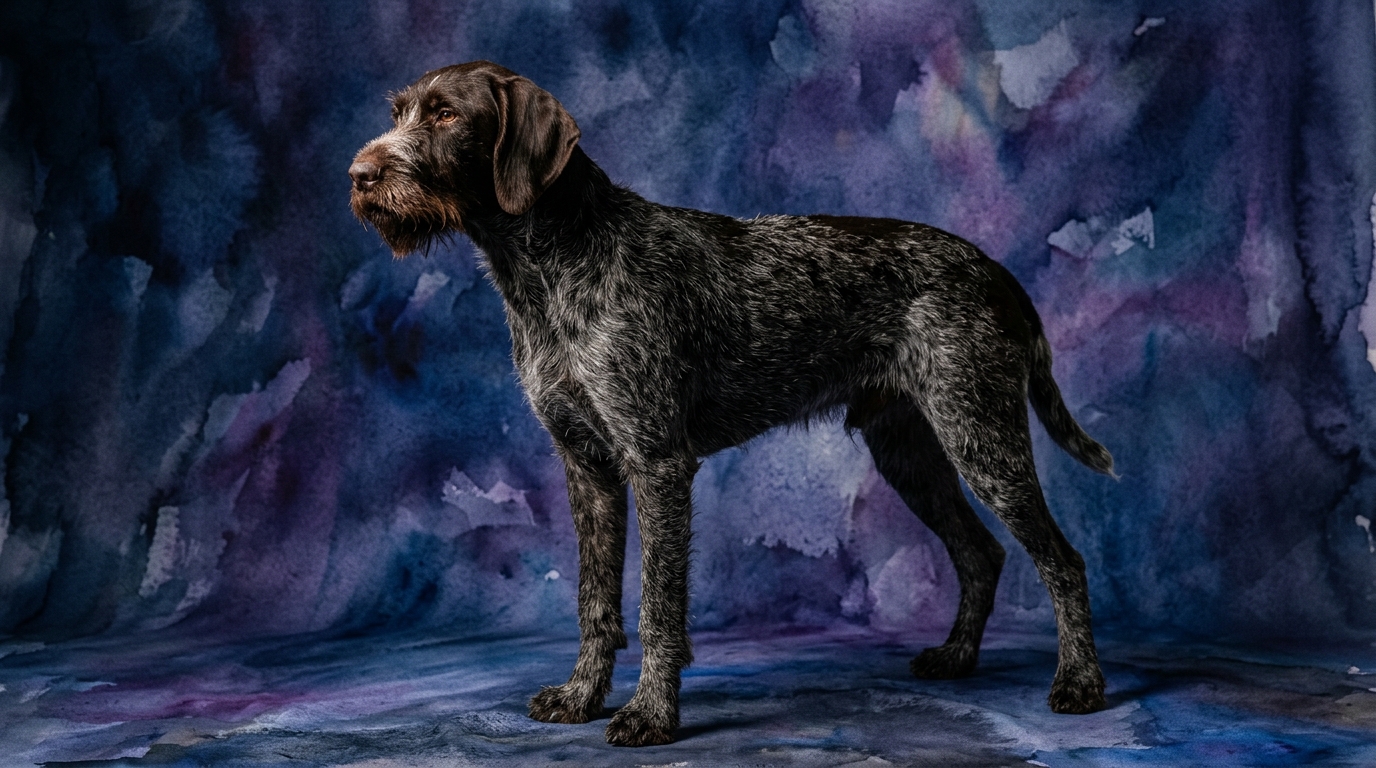
The German Wirehaired Pointer, with a Coren rank of #28, presents a cognitive makeup finely tuned for its sporting heritage. Their Problem Solving is 4/5, indicating a robust, practical intelligence for the hunt, involving sophisticated scent tracking, navigating diverse terrains, and strategizing to locate and retrieve game independently. Training Speed is 4/5; they learn efficiently and retain commands well, particularly those relevant to field work, though they may require slightly more repetition than a Border Collie. Social Intelligence is 3/5; often described as 'all business' in the field, their social intelligence is geared towards understanding handler directives during a hunt, exhibiting a degree of independence that prioritizes environmental cues. Instinctive Drive is 3/5, representing a persistent desire to hunt, point, and retrieve, often expressed with a focus on independent exploration and scent work. Their Memory is 4/5, demonstrating strong recall for hunting locations, scent trails, and learned field commands, crucial for tracking and retrieving effectively over extended periods.
Where the Border Collie Excels Cognitively
The Border Collie's cognitive superiority lies in its capacity for abstract reasoning and dynamic task management. Their problem-solving (5/5) isn't just about finding solutions; it's about optimizing strategies in real-time, predicting outcomes, and adapting to rapidly changing variables, such as a scattering flock or an evolving agility course. This depth allows them to excel at tasks requiring multiple steps, conditional responses, and intricate sequencing, showcasing a proactive rather than merely reactive intelligence.
Their training speed (5/5) means they don't just learn commands; they often generalize concepts, applying principles learned in one context to entirely new situations. This cognitive flexibility reduces the need for constant repetition and allows for the rapid acquisition of vast behavioral repertoires, making them unparalleled in fields like competitive obedience and advanced trick training. Furthermore, their memory (5/5) extends beyond simple recall, enabling them to reconstruct complex routines and strategize based on past experiences, a critical advantage in high-stakes, performance-driven activities.
Where the German Wirehaired Pointer Shines Cognitively
While a direct comparison of raw scores might suggest a general cognitive lead for the Border Collie, the German Wirehaired Pointer’s cognitive strengths are perfectly optimized for its intended purpose: the hunt. Their problem-solving (4/5) is a robust, practical intelligence that thrives in complex, unstructured natural environments. They excel at deciphering subtle scent patterns, navigating dense cover, and making independent decisions far from direct human guidance, tasks that demand a different kind of ingenuity than a herding trial.
Their instinctive drive (3/5), though numerically lower, represents a deep-seated, persistent motivation for independent search and retrieve. This drive, combined with their memory (4/5) for terrain and scent, allows them to work tirelessly and effectively in the field, often covering vast distances and remembering the precise location of game. Their social intelligence (3/5), while less focused on intense human interaction, contributes to a self-reliant working style, allowing them to make critical decisions based on environmental cues and their own judgment during a hunt, a valuable trait for a solitary hunter.
Training Dynamics: Which is Easier and Why?
The Border Collie generally presents as the 'easier' dog to train in terms of raw command acquisition and the speed at which they learn new behaviors. Their 5/5 Training Speed and 5/5 Problem Solving mean they grasp concepts with remarkable swiftness, often eager to please and to engage in mental challenges. They are highly attuned to their handler's wishes, exhibiting a strong desire for cooperative interaction, which translates into rapid internalization of cues. However, this ease comes with a caveat: their profound instinctive drive (5/5) and problem-solving capacity mean they will actively seek mental stimulation. If not properly directed, they can become adept at 'self-training' for undesirable behaviors, such as herding children or shadows, or figuring out how to open gates. Their cognitive prowess demands consistent, engaging direction to channel their energy productively.
The German Wirehaired Pointer, with a 4/5 Training Speed, is still a highly capable learner, but typically requires more patience and repetition to solidify commands. Their social intelligence (3/5) suggests they might be less intensely focused on every subtle handler cue, often prioritizing environmental stimuli during training sessions, especially if a tempting scent or movement is present. Their instinctive drive (3/5) is powerful for hunting but can make them more independent and less consistently compliant with abstract commands that don't directly relate to their prey drive. Training a GWP often involves harnessing their natural hunting instincts and channeling them into desired behaviors, rather than relying solely on their desire to please. They respond well to positive reinforcement and clear, consistent communication, but might test boundaries with a more independent streak.
Matching Canine Companions to Lifestyles
Neither the Border Collie nor the German Wirehaired Pointer are suitable for truly 'relaxed' owners or those seeking low-maintenance companionship. Both breeds demand significant engagement, but the nature of that engagement differs. The Border Collie thrives with owners who are prepared for intense daily mental and physical stimulation. They require a 'job' – be it competitive dog sports like agility, obedience, or herding, complex puzzle toys, or extensive training sessions that challenge their problem-solving (5/5) and memory (5/5). Owners must be proactive in directing their boundless instinctive drive (5/5) and ensuring their cognitive needs are met to prevent boredom-induced destructive behaviors or incessant attention-seeking. They are best suited for individuals passionate about canine partnership in demanding, thinking roles.
The German Wirehaired Pointer demands owners who are deeply committed to an active, outdoor lifestyle. Their needs are primarily physical: long runs, hikes, swimming, and especially hunting or field trials that allow them to utilize their specialized problem-solving (4/5) and instinctive drive (3/5) for scent work and retrieval. While they benefit from mental engagement, their core requirement is sustained, vigorous physical exercise that taps into their robust endurance and exploratory nature. They are ideal companions for outdoor enthusiasts, hunters, and those who can provide extensive opportunities for them to roam and explore open spaces.
The Verdict
For individuals passionate about complex canine partnership, desiring a dog eager for intricate training, competitive dog sports, and a constant mental challenge that leverages their exceptional problem-solving and memory, the Border Collie is an ideal match.
For owners seeking a resilient, independent partner for extensive outdoor adventures, hunting, and sustained physical activity where their specialized field intelligence and endurance can truly shine, the German Wirehaired Pointer offers an unmatched companionship.
🧠 Find Your Pet's IQ Score
Our Pet IQ Lab assessment covers 25+ tests across 5 cognitive dimensions — personalized to your breed.
Take the Full IQ Test →Frequently Asked Questions
Is a Border Collie always 'smarter' than a GWP?
The term 'smarter' is nuanced; while Border Collies excel in areas like abstract problem-solving and rapid command acquisition, German Wirehaired Pointers possess a specialized, highly effective intelligence for hunting and independent field work. Their cognitive strengths are simply optimized for different tasks and environments.
Can a GWP be trained for agility or obedience?
Absolutely. German Wirehaired Pointers are capable and willing learners with a 4/5 training speed. They can excel in agility and obedience, especially with consistent, positive reinforcement that channels their natural drive and athleticism, though their independence might require more creative motivation.
Which breed is better for a first-time dog owner?
Neither breed is typically recommended for first-time dog owners due to their significant exercise and mental stimulation requirements. However, if a first-timer is highly committed to an active lifestyle and dedicated to consistent training, a Border Collie might be more immediately responsive to direct instruction, while a GWP might require more understanding of independent working dog traits.