The Cosmic Pet IQ Lab Profiles: A Side-by-Side Look
At The Cosmic Pet Pet IQ Lab, we assess canine cognition across five key dimensions, providing a granular view of each breed's inherent mental aptitudes. This allows us to move beyond generalizations and pinpoint the specific cognitive strengths that define a dog's interaction with its environment and companions.
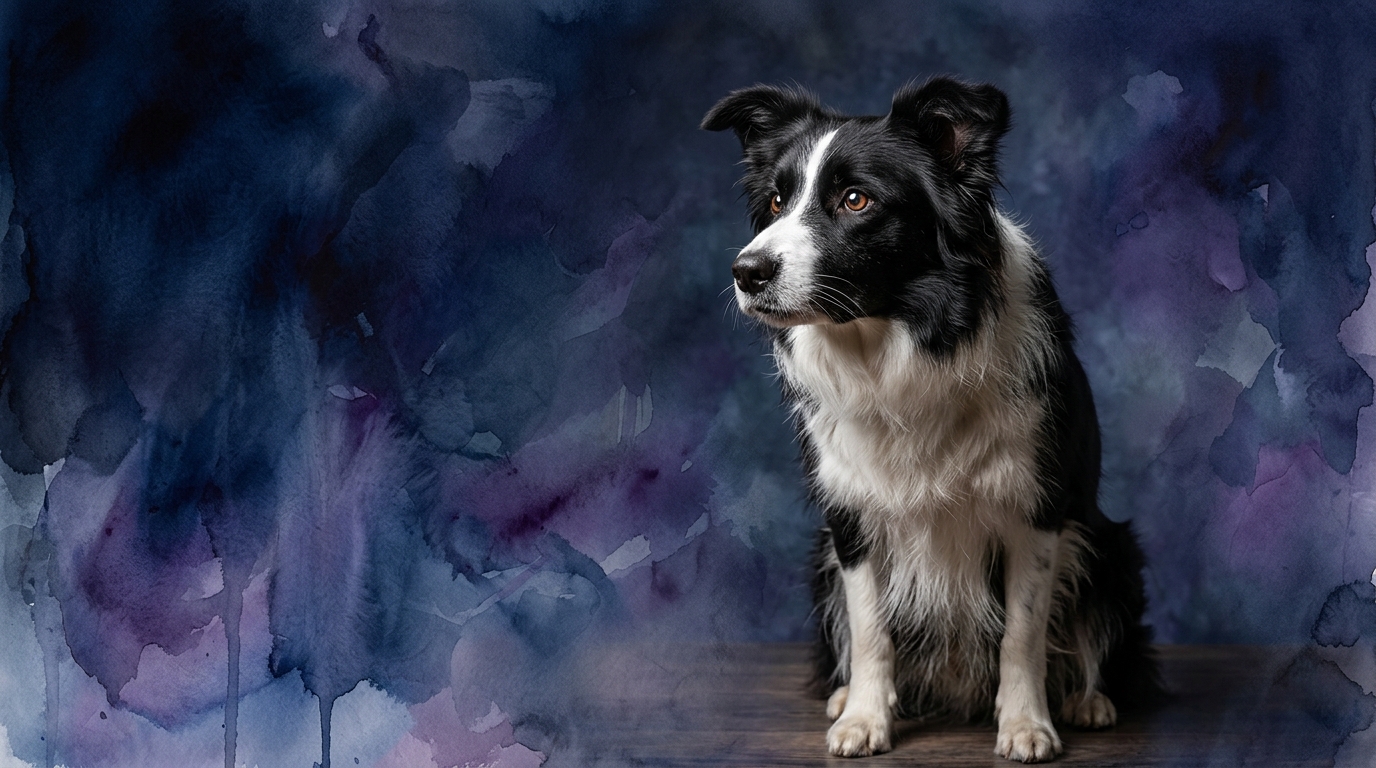
The Border Collie, often associated with its herding prowess, exhibits exceptional scores across nearly all categories. Its Problem Solving is rated 5/5, indicating a remarkable ability to analyze new situations and devise effective strategies. Training Speed is also 5/5, reflecting a swift uptake of new commands and concepts. Social Intelligence is 4/5, showing a strong understanding of human cues and social dynamics, while Instinctive Drive is 5/5, highlighting an intense, task-oriented focus. Finally, its Memory is 5/5, denoting an impressive capacity for retaining information over time.
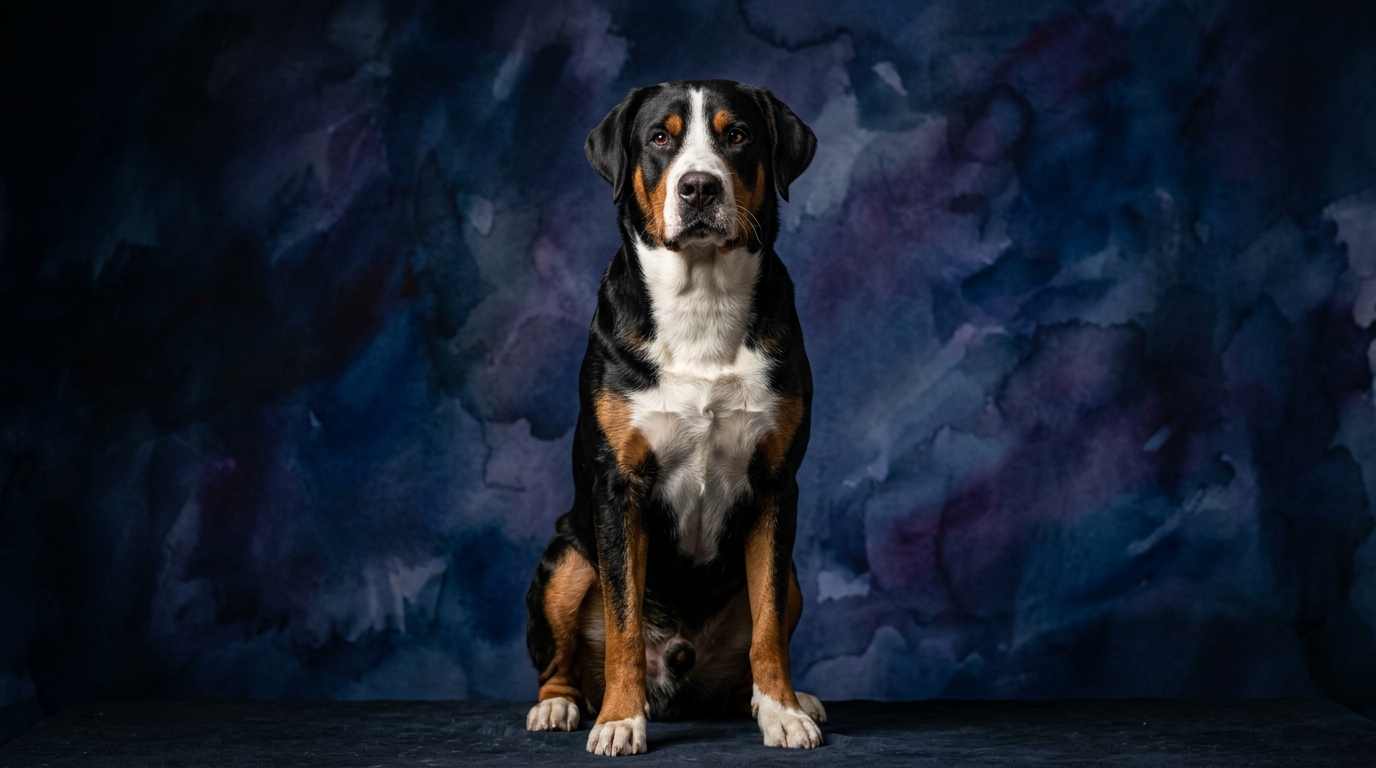
In contrast, the Greater Swiss Mountain Dog, a robust working breed, presents a different cognitive blueprint. Its Problem Solving is rated 3/5, suggesting a methodical, practical approach to challenges rather than rapid, intricate solutions. Training Speed is 3/5, meaning it learns consistently with clear instruction but at a more measured pace. Social Intelligence is 3/5, indicating strong bonds with its family and an awareness of its social environment, though potentially reserved with strangers. Its Instinctive Drive is 3/5, pointing to a purposeful motivation for tasks like drafting or guarding, rather than rapid-fire herding. Memory is 3/5, reflecting its ability to recall essential routines and commands, albeit not with the expansive recall of a herding dog.
These profiles illustrate that intelligence isn't a singular trait but a multifaceted collection of abilities, each serving a unique purpose within a breed's historical role and temperament. Understanding these distinctions is crucial for prospective owners in tailoring appropriate environments and expectations for their canine companions.
Where the Border Collie Excels Cognitively
The Border Collie's cognitive strengths are deeply rooted in its heritage as a herding specialist, demanding a particular blend of mental acuity. Its 5/5 Problem Solving isn't just about figuring out puzzles; it's about rapidly assessing dynamic situations, like a scattered flock of sheep, and formulating complex, multi-step plans to achieve a goal. This translates into an ability to quickly grasp new concepts in structured environments, such as learning intricate agility courses or mastering obedience routines with minimal repetition.
The 5/5 Training Speed is a direct consequence of this problem-solving capacity combined with an intense desire to work alongside a handler. A Border Collie can often generalize a concept from one context to another, meaning it doesn't need to be taught every variation of a command. This cognitive flexibility allows them to chain behaviors and respond to subtle cues, from a whistle to a shifting body weight, making them exceptionally responsive partners in demanding tasks. Their 5/5 Memory further supports this, enabling them to retain vast repertoires of commands and sequences, recalling them accurately even after long breaks.
Their 4/5 Social Intelligence, while not a perfect 5/5, still represents a significant capacity to read and respond to human intentions. They understand the nuances of their handler's mood and expectations, which is vital for effective collaboration in herding. The slight dip from a perfect score might suggest that their intense focus on task execution sometimes takes precedence over purely social interactions, or perhaps that their deep cognitive processing can lead to overthinking social cues in certain contexts, rather than a lack of understanding.
Where the Greater Swiss Mountain Dog Shines Cognitively
While the Greater Swiss Mountain Dog's IQ scores may appear lower when compared directly to the Border Collie's, their cognitive strengths are distinct and purpose-driven, reflecting their history as robust all-around farm dogs. Their 3/5 Problem Solving score signifies a deliberate and practical approach to challenges. They are not prone to frantic trial-and-error; instead, they assess situations methodically, often relying on their physical strength and steadfast nature to find effective, if not always speedy, solutions, particularly in tasks like pulling a cart or guarding property.
The 3/5 Training Speed and Memory scores indicate that the Greater Swiss Mountain Dog is a capable learner, but one who thrives on consistency and patience. They retain essential commands and routines well, especially those that align with their perceived purpose or benefit. Their intelligence is geared towards reliability and independence, rather than the rapid acquisition of abstract commands. They are less about performing endless tricks for entertainment and more about understanding and executing their role within the family or on the farm.
Their 3/5 Social Intelligence means they form deep, loyal bonds with their families, understanding household dynamics and individual personalities. While they may be reserved with strangers, this is often a deliberate, protective trait rather than a lack of social awareness. Their 3/5 Instinctive Drive is centered on companionship, protection, and purposeful physical work like drafting. This drive translates into a steady, composed presence, rather than the high-intensity, rapid-response drive seen in herding breeds. Their cognitive profile supports a dog that is a reliable guardian and a calm, confident companion.
Training Dynamics: Speed vs. Steadiness
Training a Border Collie is often described as a whirlwind of rapid progress due to their 5/5 Training Speed and Problem Solving. These dogs thrive on mental engagement and are eager to absorb new information, making them exceptional candidates for advanced obedience, agility, and herding sports. Real behavioral differences include their ability to learn a new command in just a few repetitions, generalize concepts from one situation to another, and quickly understand complex sequences of actions. They often anticipate cues and are highly attuned to their handler's body language, making them incredibly fluid partners in training.
Conversely, training a Greater Swiss Mountain Dog, with its 3/5 Training Speed and Problem Solving, requires a different approach focused on consistency, clarity, and positive reinforcement. These dogs learn at a more deliberate pace, and while they are capable, they may need more repetitions to solidify a command. Real behavioral differences include a tendency to be independent thinkers; if a command doesn't seem to have a clear purpose to them, they might be slower to comply or require more motivation. They will retain what they learn, especially if it's introduced patiently and reinforced consistently, but their learning curve is less steep and more enduring.
Lifestyle Fit: Intensity vs. Composure
For active owners seeking a dynamic, mentally stimulating partnership, the Border Collie is an ideal match. Their profound cognitive capacity demands an owner who can provide consistent outlets for their 5/5 Problem Solving and Instinctive Drive. This means daily engagement in activities like advanced obedience, agility training, herding trials, or even complex puzzle toys. Without sufficient mental and physical challenge, a Border Collie's cognitive energy can manifest as boredom, leading to undesirable behaviors like excessive barking, digging, or destructive tendencies. They need an owner who can keep pace with their quick minds and channel their intense focus productively.
For owners who appreciate a more composed, yet still capable, companion, the Greater Swiss Mountain Dog offers a fulfilling partnership. While they still require regular exercise and mental stimulation, their cognitive demands are less about constant intricate tasks and more about purposeful activity and companionship. Owners who enjoy long walks, hiking, or even light carting activities will find a willing partner. Their 3/5 Problem Solving and Instinctive Drive mean they are content with a steady routine and can settle more readily after appropriate exercise, making them suitable for families seeking a robust, loyal presence without the ceaseless mental demands of a herding breed.
The Verdict
Choose a Border Collie if you are an active, dedicated owner prepared to channel a keen, fast-thinking mind into complex tasks and continuous learning. Their deep cognitive capacity thrives on constant mental engagement and partnership.
Opt for a Greater Swiss Mountain Dog if you seek a robust, loyal companion who values purposeful work, forms strong bonds, and offers a steady, independent presence. They thrive with patient, consistent guidance and appreciate a calm, structured environment.
🧠 Find Your Pet's IQ Score
Our Pet IQ Lab assessment covers 25+ tests across 5 cognitive dimensions — personalized to your breed.
Take the Full IQ Test →Frequently Asked Questions
Is a Border Collie always the 'smarter' choice for every owner?
Not necessarily. While Border Collies excel in specific cognitive areas like problem-solving and training speed, their intense mental demands may overwhelm owners unprepared for such a commitment. The 'smarter' choice depends entirely on an owner's lifestyle, experience, and ability to meet a dog's specific cognitive needs, not just raw scores.
Can a Greater Swiss Mountain Dog learn complex tasks, despite lower IQ scores?
Yes, a Greater Swiss Mountain Dog is certainly capable of learning complex tasks, though it may take more patience and repetition than with a Border Collie. Their intelligence is geared towards purpose and reliability, meaning they learn best when tasks are clear, consistent, and align with their natural drives. They can excel in activities like carting or even some obedience, given the right approach.
How does 'instinctive drive' differ between these breeds?
The Border Collie's 5/5 instinctive drive is primarily focused on herding, manifesting as an intense desire to control movement and work cooperatively on intricate tasks. The Greater Swiss Mountain Dog's 3/5 instinctive drive is more about companionship, protection, and purposeful physical work like drafting or guarding. Their drives are both strong but are channeled towards very different inherent behaviors and roles.