Side-by-Side Cognitive Profiles: The Raw Data
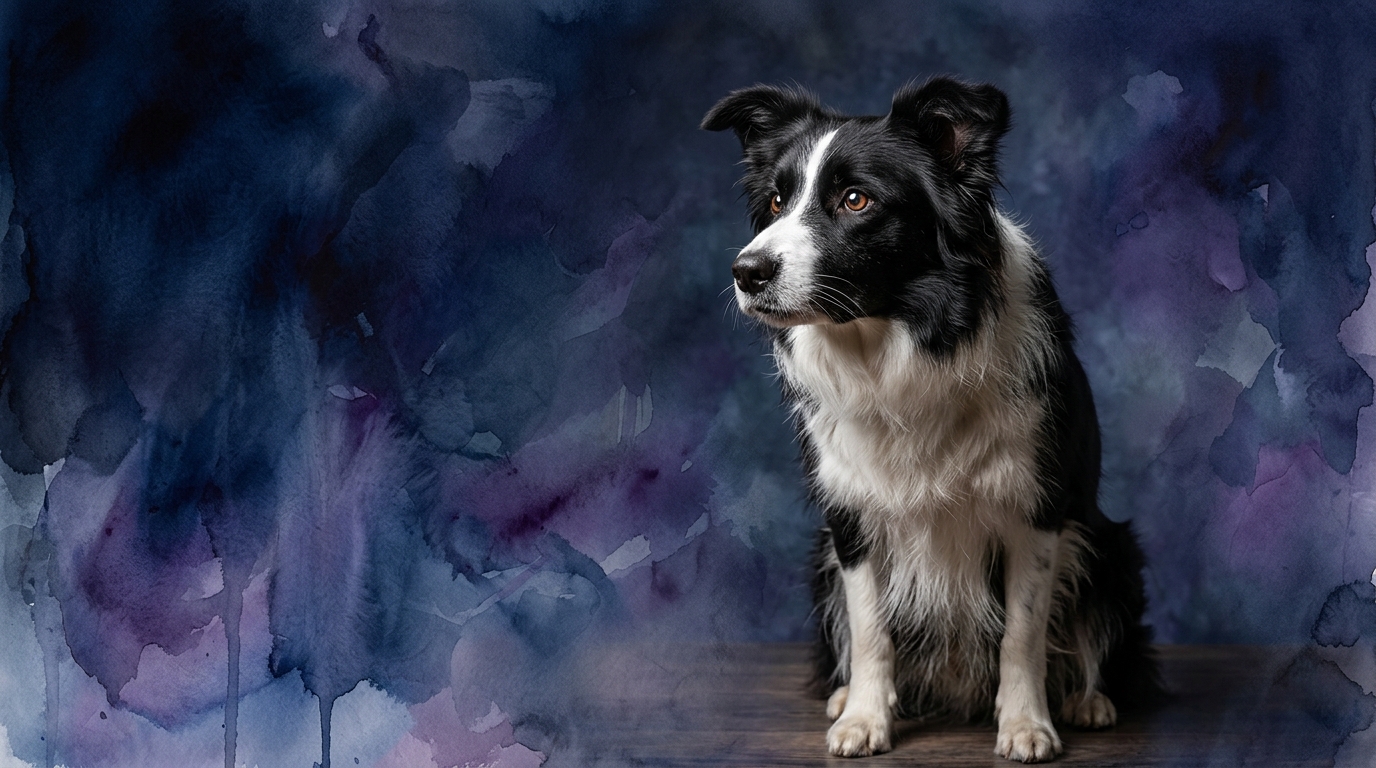
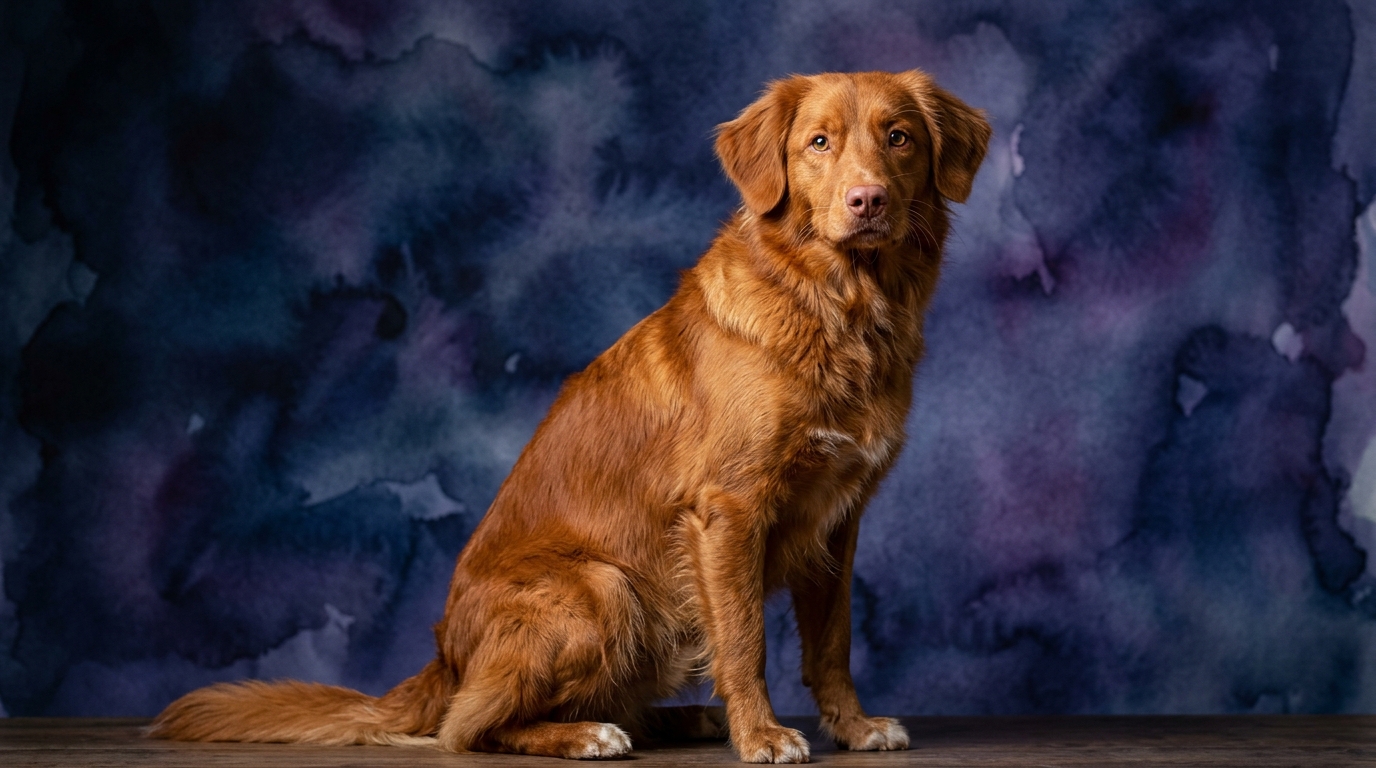
The Border Collie, a stalwart from the Herding Group, holds the top position in canine cognitive rankings, reflecting a profound capacity for learning and problem-solving. In contrast, the Nova Scotia Duck Tolling Retriever, a vibrant member of the Sporting Group, is not Coren-ranked but demonstrates a focused, practical intelligence tailored to its specific historical role. Understanding their distinct cognitive architectures is key to appreciating their unique contributions as canine companions and partners.
For the Border Collie, our Pet IQ Lab scores reveal: Problem Solving 5/5, Training Speed 5/5, Social Intelligence 4/5, Instinctive Drive 5/5, and Memory 5/5. These scores paint a picture of a canine intellect capable of complex analysis and rapid acquisition of information, driven by an intense, purposeful focus.
The Nova Scotia Duck Tolling Retriever, while not matching the Border Collie's numerical extremes, presents a robust and functional cognitive profile: Problem Solving 3/5, Training Speed 3/5, Social Intelligence 3/5, Instinctive Drive 3/5, and Memory 3/5. These scores suggest a dog that is capable, trainable, and focused on practical application, rather than abstract intellectual challenges.
Where the Border Collie's Cognition Excels
The Border Collie’s cognitive strengths manifest across a spectrum of abilities, making them unparalleled in specific domains. Their 5/5 Problem Solving score means they don't just follow commands; they analyze situations, devise strategies, and adapt to novel challenges with remarkable ingenuity. This includes understanding multi-step sequences, navigating complex environments, and even learning to operate simple mechanisms to achieve a goal. Their ability to generalize learned concepts to new scenarios is truly exceptional.
A 5/5 in Training Speed highlights their rapid acquisition of new behaviors and commands, often requiring only a handful of repetitions to solidify a concept. This isn't just about rote memorization; it reflects their capacity to quickly form associations, understand intricate cues, and respond with precision. Coupled with a 5/5 Memory, they retain vast repertoires of commands and routines over long periods, making them ideal for disciplines requiring extensive behavioral chains.
Their 5/5 Instinctive Drive is a powerful cognitive engine, channeling their innate herding behaviors into an intense focus on tasks. This drive, while sometimes challenging to manage, provides the relentless motivation needed for sustained effort in demanding activities. The 4/5 Social Intelligence allows them to read and interpret human intentions and subtle body language with acute accuracy, fostering a deep, cooperative working relationship, often anticipating handler needs before they are explicitly communicated.
Where the Nova Scotia Duck Tolling Retriever's Cognition Shines
While the Toller's scores are lower than the Border Collie's, their cognitive profile is exquisitely adapted for their specific working purpose, demonstrating a distinct kind of practical intelligence. Their 3/5 Problem Solving reflects an aptitude for task-oriented challenges, particularly those involving scent work, object retrieval, and environmental navigation relevant to their hunting heritage. They excel at learning through consistent application and finding solutions within established parameters, rather than abstract conceptualization.
The 3/5 Training Speed indicates they are perfectly capable learners, but they benefit from clear, consistent methods and positive reinforcement, requiring more repetitions than a Border Collie to master a new skill. This steady learning pace allows for solid retention and reliable performance in their specialized tasks. Their 3/5 Memory supports the retention of complex retrieving patterns and scent discrimination over time, crucial for their role.
Their 3/5 Instinctive Drive is a focused and enthusiastic energy directed towards retrieving and the unique 'tolling' behavior, which involves luring waterfowl. This drive is robust and sustained, but generally less obsessive than a Border Collie's, making it more manageable for many owners. Their 3/5 Social Intelligence is expressed through a strong desire to cooperate with their handler, forming close bonds and being highly attuned to their primary human companion, which is vital for effective teamwork in the field.
Which Is Easier to Train and Why?
When evaluating ease of training, it's crucial to distinguish between the speed of learning new commands and the ease of managing daily behavior. The Border Collie, with its 5/5 Training Speed and Problem Solving, is undeniably faster at acquiring new skills, often grasping complex concepts in mere minutes. They thrive on learning and will actively seek out mental challenges. However, this cognitive intensity means they also require constant mental engagement; an under-stimulated Border Collie can quickly become a challenge, inventing their own 'jobs' that may manifest as unwanted behaviors like obsessive herding of family members or destructive tendencies. Their profound instinctive drive requires careful channeling and consistent, expert guidance.
The Nova Scotia Duck Tolling Retriever, with its 3/5 Training Speed, learns at a more moderate pace, requiring more repetitions and consistent reinforcement. They are eager to please their handler and respond well to positive, patient training methods. While they possess a strong instinctive drive for retrieving, it is generally less overwhelming and easier to satisfy than a Border Collie's herding drive. This makes them potentially 'easier to live with' for owners who are not prepared for the relentless mental demands of a Border Collie. Tollers are generally less prone to developing complex behavioral issues stemming from under-stimulation, provided they receive adequate physical exercise and engaging retrieving games. Their sensitivity means harsh training methods can be counterproductive, leading to a shutdown rather than compliance.
Suitability for Active vs. Relaxed Owners
The choice between these two breeds heavily depends on an owner's lifestyle and commitment to canine engagement. The Border Collie is unequivocally suited for highly active owners who embrace a partnership of constant mental and physical stimulation. This breed thrives with individuals dedicated to competitive dog sports like agility, obedience, flyball, or actual herding work. They require owners who can match their relentless energy and profound cognitive needs, providing structured activities that channel their intense focus and problem-solving abilities daily. For such owners, the Border Collie is an unparalleled partner, but for anyone seeking a more passive companion, they will likely prove too demanding.
The Nova Scotia Duck Tolling Retriever, while still an active and energetic breed, is a better fit for owners who enjoy a vigorous outdoor lifestyle but do not necessarily seek a dog that demands constant, complex mental challenges. Tollers thrive on activities such as hiking, swimming, long walks, and especially retrieving games. They are excellent companions for families who spend a good amount of time outdoors and can integrate their dog into these activities. They require regular exercise to stay content, but their needs are generally more manageable than a Border Collie's, making them suitable for active owners who appreciate an enthusiastic partner without the extreme cognitive demands.
The Verdict
Choose a Border Collie if you are an experienced, dedicated owner seeking a canine partner for advanced dog sports, high-level obedience, or working roles where unparalleled cognitive prowess and intense focus are paramount, and you are prepared for significant daily mental and physical commitment.
Choose a Nova Scotia Duck Tolling Retriever if you desire an energetic, affectionate companion for outdoor adventures and retrieving activities, appreciating a dog with a robust working drive that is more manageable than a Border Collie’s, fitting well into an active family life.
🧠 Find Your Pet's IQ Score
Our Pet IQ Lab assessment covers 25+ tests across 5 cognitive dimensions — personalized to your breed.
Take the Full IQ Test →Frequently Asked Questions
Can Tollers compete in dog sports?
Yes, Tollers excel in many dog sports like agility, obedience, and dock diving, demonstrating their athleticism and trainability. While they may not achieve the same top-tier speed as Border Collies in disciplines like agility, their enthusiasm and focus make them formidable competitors.
Do Border Collies need a 'job'?
Absolutely. Their profound instinctive drive and cognitive capacity mean they require consistent, structured mental and physical challenges to prevent boredom, anxiety, and the development of destructive or obsessive behaviors. A 'job' can be anything from advanced obedience to herding or agility.
Are Tollers good family dogs?
Tollers are generally affectionate and playful with their families, forming strong bonds and being good companions for children when properly socialized. However, they can be reserved or wary with strangers, requiring early and consistent positive exposure to ensure they are well-adjusted and comfortable in various social settings.