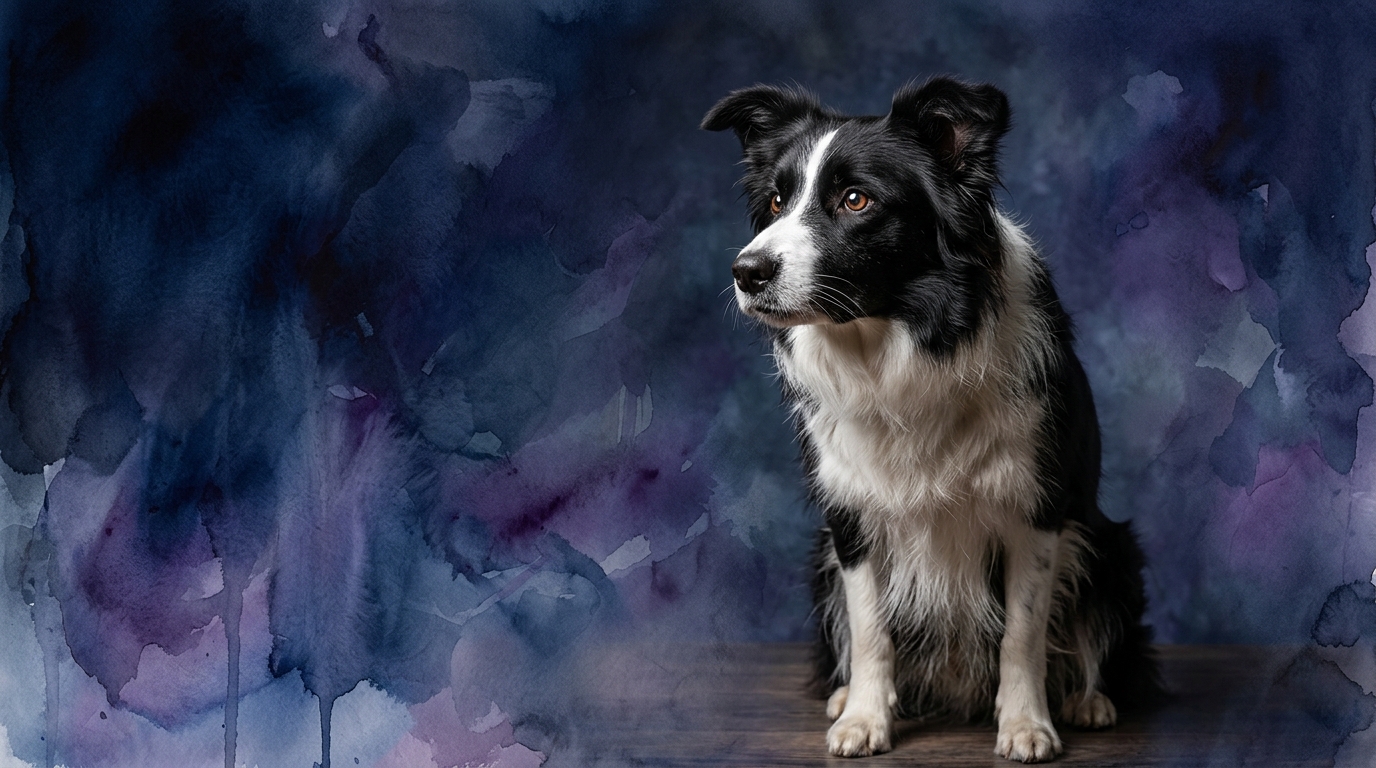
Side-by-Side IQ Profile: Border Collie
The Border Collie, often lauded for its working prowess, demonstrates exceptional cognitive strengths across several dimensions. Its Problem Solving is rated 5/5, reflecting an extraordinary capacity to analyze complex situations, devise novel solutions, and adapt strategies in real-time, whether navigating an agility course or outsmarting a stubborn sheep. Training Speed also scores a perfect 5/5; these dogs acquire new commands with remarkable rapidity, often grasping concepts after only a few repetitions, driven by an eagerness to engage and perform. Social Intelligence, at 4/5, indicates a profound attunement to human cues, body language, and intentions, fostering a deep working partnership, though they can be selective in their social circles. An Instinctive Drive of 5/5 highlights their intense, focused herding instinct, manifesting as an unwavering work ethic and a persistent pursuit of purpose. Finally, their Memory, at 5/5, ensures long-term retention of vast command vocabularies, complex sequences, and learned experiences, contributing to their consistent performance over time.
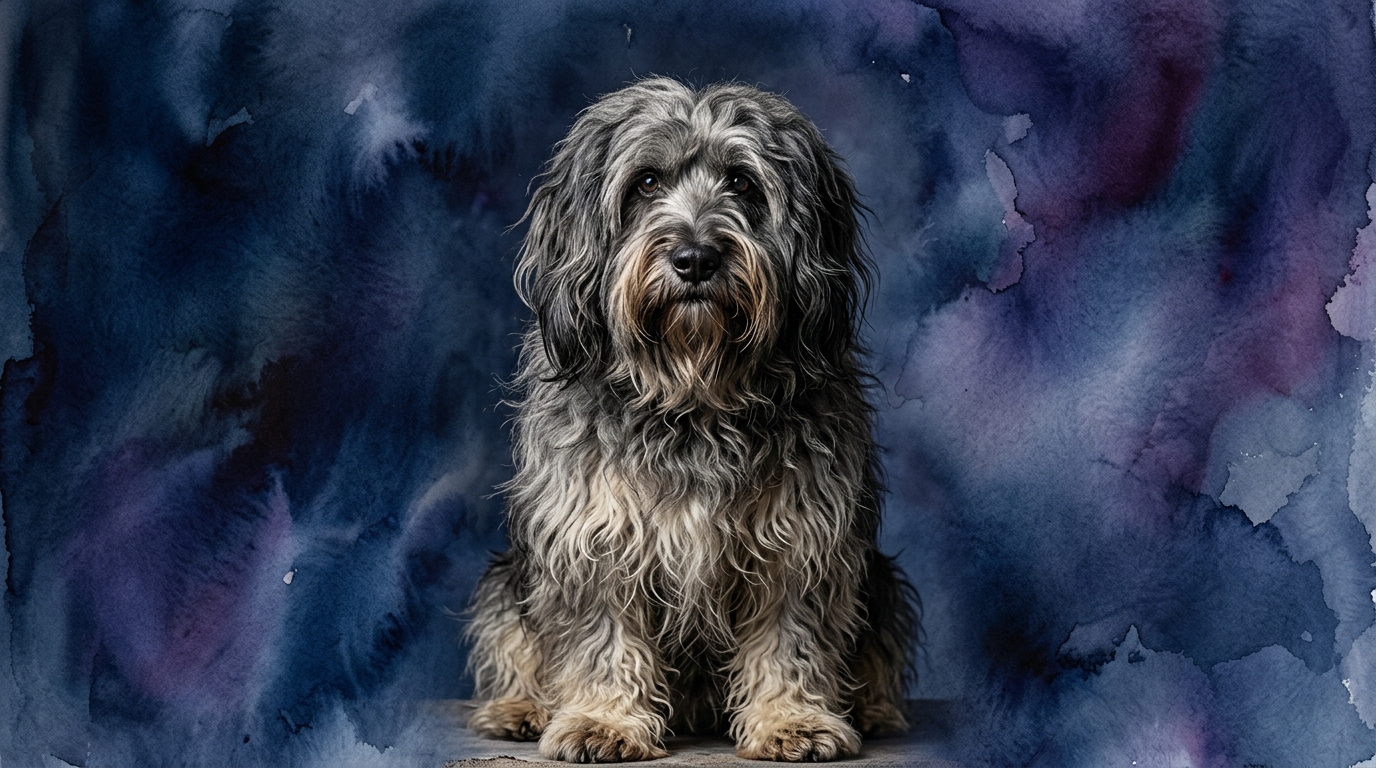
Side-by-Side IQ Profile: Polish Lowland Sheepdog
The Polish Lowland Sheepdog, while possessing a different cognitive blueprint from the Border Collie, is a capable and independent thinker. Its Problem Solving is rated 3/5; these dogs are competent at learning established routines and solving practical, direct problems, but may be less inclined to invent intricate solutions or generalize abstract concepts as readily. Training Speed, also at 3/5, suggests they learn new commands at a moderate pace, requiring consistent, patient repetition and positive reinforcement to solidify understanding. Social Intelligence, rated 3/5, indicates they form strong bonds with their immediate family and are aware of their environment, but may not exhibit the same nuanced responsiveness to subtle human cues or seek constant collaborative engagement as some other herding breeds. An Instinctive Drive of 3/5 reflects a moderate herding instinct, often expressed more as a desire to keep their 'flock' (family) together and guarded rather than intense, active pursuit, coupled with a strong territorial inclination. Their Memory, at 3/5, allows them to retain training and routines effectively, though consistent practice may be needed to maintain recall of less frequently used commands or complex sequences.
Where the Border Collie Wins Cognitively
The Border Collie's cognitive advantages are most evident in its unparalleled speed of acquisition and its capacity for complex, adaptive problem-solving. A Border Collie doesn't just learn a command; it often anticipates the next step, demonstrating strategic foresight. For instance, when presented with a new agility obstacle course, a Border Collie with its 5/5 problem-solving might quickly map out the most efficient path after a single walkthrough, adjusting its approach based on handler cues and environmental changes. Their 5/5 Instinctive Drive translates into a relentless mental focus, enabling them to sustain concentration on intricate tasks for extended periods, a trait less pronounced in breeds with a more moderate drive. This intense drive, coupled with their 5/5 Memory, allows them to master and retain vast repertoires of commands and sequences, making them exceptional candidates for advanced obedience, herding trials, and various canine sports where precision and mental agility are paramount. They excel at tasks requiring rapid processing of information and immediate, precise responses.
Where the Polish Lowland Sheepdog Wins Cognitively
The Polish Lowland Sheepdog's cognitive strengths lie in its self-reliance and practical, situation-based intelligence, rather than speed or intricate command following. Their 3/5 Problem Solving, while not as rapid as a Border Collie's, is rooted in independent decision-making, particularly in guarding and protective roles. A PLS might excel at assessing a new person approaching the home, using its own judgment to determine if they pose a threat, rather than waiting for a direct command. Their Social Intelligence, though rated 3/5 for human-centric tasks, likely shows a different kind of strength in understanding their immediate environment and the dynamics within their family 'flock,' often acting as a watchful, independent guardian. They can learn through observation and are adept at understanding routines and expectations within their home environment, even if not explicitly trained with high-speed repetitions. This breed's cognitive profile is geared towards a sturdy, vigilant presence that can make sound, autonomous judgments in the absence of constant human direction, a valuable trait for a historical guardian breed.
Which is Easier to Train and Why
Between these two breeds, the Border Collie is undeniably easier to train due to its exceptional cognitive profile. Their 5/5 Training Speed means they pick up new commands with minimal repetitions, often eager to please and to engage in mental work. A Border Collie actively seeks guidance and thrives on the mental stimulation of learning, often appearing to 'think along' with their trainer. For example, when teaching a complex multi-step retrieve, a Border Collie will likely connect the dots quickly, remembering each stage and performing it with precision, driven by its high instinctive drive to complete tasks. In contrast, the Polish Lowland Sheepdog, with its 3/5 Training Speed, requires more patience, consistency, and positive reinforcement. Their independent nature means they might ponder a command or require more motivation to comply, particularly if they don't immediately see the value or if an alternative, self-selected action seems more appealing. While they are capable learners, their training requires a more deliberate, consistent approach, recognizing their preference for independent thought rather than constant, rapid-fire instruction. Behavioral differences include the Border Collie's intense focus and desire for partnership versus the PLS's more self-sufficient and sometimes questioning demeanor.
Which Suits Active Owners vs. Relaxed Owners
For owners seeking a highly engaged and mentally stimulating companion, the Border Collie is the clear choice. Their 5/5 Instinctive Drive and 5/5 Problem Solving demand consistent mental and physical outlets. These dogs thrive with active owners who can provide daily structured activities like dog sports (agility, flyball), advanced obedience, herding work, or long, mentally engaging walks that involve problem-solving. A Border Collie without sufficient mental engagement can become restless or develop unwanted behaviors as it attempts to find its own 'work.' Conversely, the Polish Lowland Sheepdog is better suited for owners who appreciate a more independent and self-sufficient companion, though still requiring regular exercise and mental stimulation. While they enjoy activity, their 3/5 Instinctive Drive means they don't typically demand the same intensity or constant mental challenge as a Border Collie. They are content with regular walks, playtime in a secure yard, and being a vigilant part of the family, making them a good fit for owners who enjoy a more relaxed pace but still commit to consistent training and socialization.
The Verdict
Choose the Border Collie if you are an experienced, active owner dedicated to providing extensive daily mental and physical challenges, thriving on a highly collaborative and purpose-driven partnership.
Opt for the Polish Lowland Sheepdog if you appreciate an independent, vigilant companion who forms strong family bonds, and you are prepared for consistent, patient training to harness their practical intelligence and self-reliant nature.
🧠 Find Your Pet's IQ Score
Our Pet IQ Lab assessment covers 25+ tests across 5 cognitive dimensions — personalized to your breed.
Take the Full IQ Test →Frequently Asked Questions
Are Border Collies good family dogs?
Border Collies can be excellent family dogs if their significant mental and physical exercise needs are met. They form strong bonds and can be very loyal, but their intense herding instincts may lead them to 'herd' children or other pets if not properly managed through training and outlets.
Do Polish Lowland Sheepdogs bark a lot?
Polish Lowland Sheepdogs can be prone to barking due to their guarding instincts. They are vigilant and will alert their family to perceived threats or strangers, but this can be managed with consistent training and socialization from a young age.
Which breed is better for first-time dog owners?
Neither breed is typically recommended for first-time dog owners without significant research and commitment. The Border Collie's intense needs can be overwhelming, while the Polish Lowland Sheepdog's independence and guarding instincts require experienced handling and consistent training.