Side-by-Side IQ Profile: Herding Genius vs. Arctic Companion
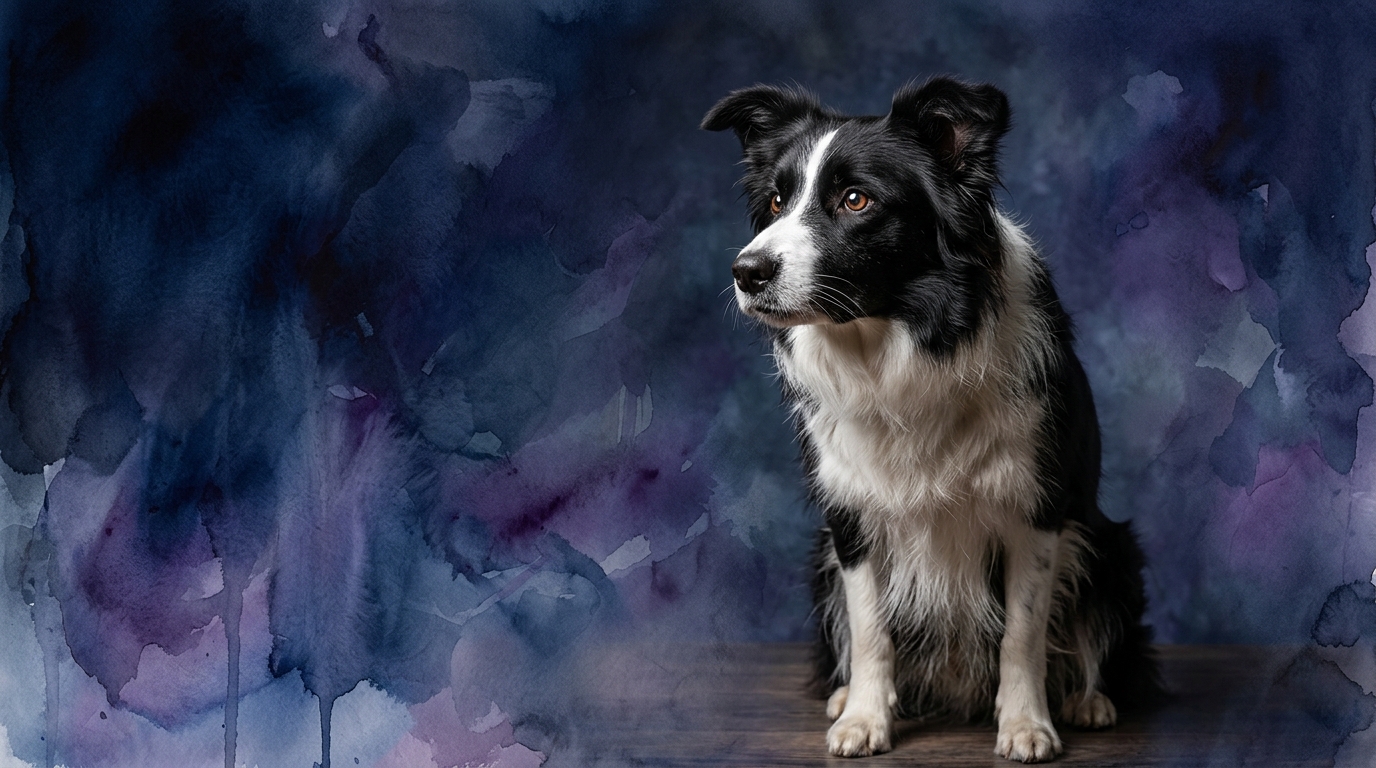
The Border Collie, often cited as a benchmark for canine cognitive ability, developed its intellect through centuries of demanding sheep herding. Their mental architecture is geared towards strategic execution and rapid learning.
Problem Solving (5/5): Border Collies demonstrate an exceptional capacity for analyzing complex, dynamic situations and devising multi-step solutions independently. Their herding legacy requires split-second tactical decisions, adapting to livestock movement and varied terrain, showcasing a profound ability for advanced strategic thinking and real-time adaptation.
Training Speed (5/5): This breed's ability to absorb new commands and complex concepts with astonishing rapidity is a defining trait. They often require only a few repetitions to master a new behavior, driven by an intense focus and an eagerness to understand and comply with their human partner's directives, making them highly responsive to instruction.
Social Intelligence (4/5): While deeply attuned to their handler's cues and intentions, the Border Collie's social intelligence is primarily focused on the working relationship. They read human body language, vocal tones, and subtle gestures with precision, leveraging this insight to facilitate cooperation in tasks, though they may not extend the same universal, effusive warmth to all strangers.
Instinctive Drive (5/5): The Border Collie's instinctive drive is supremely powerful and focused, manifesting as an intense herding instinct that translates into a tireless work ethic and unwavering concentration on a given task. This profound drive is a core component of their cognitive makeup, providing the intrinsic motivation for their advanced mental engagement and sustained effort.
Memory (5/5): Their memory is outstanding, allowing them to recall vast repertoires of commands, intricate sequences, and past experiences with remarkable accuracy. This cognitive strength is vital for executing complex herding patterns, retaining advanced training protocols, and applying learned lessons to future scenarios, highlighting their robust long-term recall.
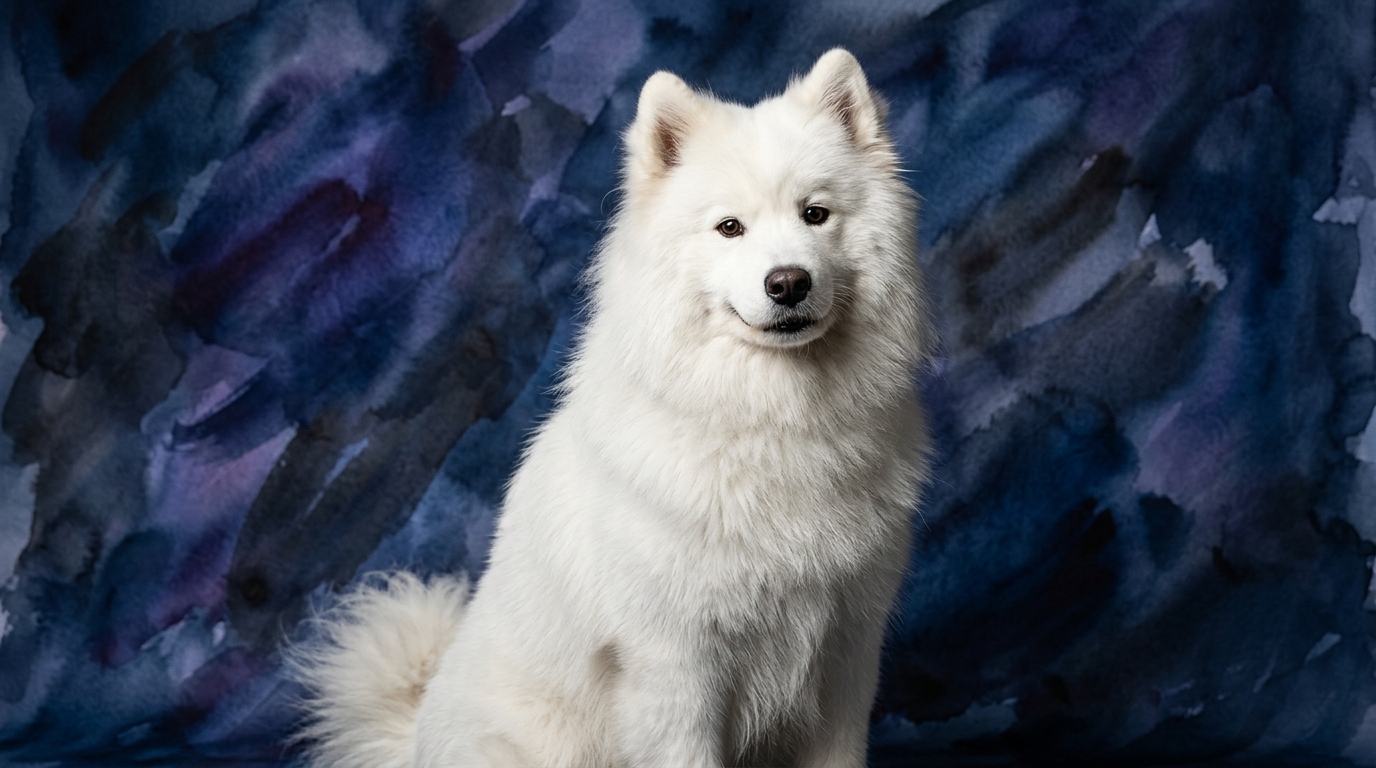
The Samoyed, originating from the harsh Siberian arctic, developed its distinct intelligence alongside humans as a vital partner for survival. Their cognitive strengths are rooted in cooperation, resilience, and companionship.
Problem Solving (3/5): Samoyeds exhibit practical problem-solving skills, particularly those related to their historical working roles such as pulling sleds, navigating challenging terrain, or alerting their human companions to potential threats. Their approach to novel, abstract problems might be less analytical than a Border Collie's, often relying more on established routines or trial-and-error within a familiar context.
Training Speed (3/5): While capable of learning, Samoyeds generally require more repetitions and consistent, positive motivation than a Border Collie. Their independent nature and historical role as partners, not subservients, mean they often evaluate the "what's in it for me?" aspect of a command, which can slow down the initial acquisition of new behaviors.
Social Intelligence (5/5): This is a hallmark of the Samoyed's cognitive profile. They possess an extraordinary capacity for empathy, forming profound, intuitive bonds with their human families and often extending a friendly, understanding demeanor to new acquaintances. Their social acumen allows them to seamlessly integrate into family dynamics and respond perceptively to emotional nuances, fostering deep companionship.
Instinctive Drive (4/5): The Samoyed's instinctive drives are firmly rooted in their working dog history: pulling, guarding, and, crucially, companionship. They possess a strong pack drive and an inherent desire to be an integral part of a family unit, which fuels their cooperative spirit and loyalty, though not with the same single-minded, task-oriented intensity as a herding dog's focus.
Memory (3/5): Samoyeds remember routines, familiar faces, and pleasant experiences well, contributing significantly to their reliable and affectionate companionship. However, their memory for complex, multi-step command sequences or highly abstract concepts might not be as extensive or as readily accessed as that of a Border Collie, favoring practical recall over intricate detail.
Where the Border Collie Wins Cognitively
The Border Collie's cognitive edge lies in its unparalleled capacity for strategic thinking and complex task mastery. Their intelligence isn't merely about obedience; it’s about actively processing information, often anticipating movements, and making independent judgments within a task framework. This translates into exceptional performance in dog sports requiring intricate sequences, such as agility, competitive obedience, and flyball, where they demonstrate an uncanny ability to generalize learned concepts to novel scenarios and adapt on the fly. Their robust memory allows them to retain extensive repertoires of commands and apply them dynamically, making them truly formidable partners in any mentally demanding pursuit.
Where the Samoyed Wins Cognitively
The Samoyed's cognitive strength is firmly rooted in its profound social intelligence and emotional perceptiveness. While the Border Collie excels at reading task-oriented cues, the Samoyed excels at reading human emotions and intentions on a deeper, more empathetic level. They possess an intuitive understanding of family dynamics, often sensing shifts in mood or distress and responding with comforting presence. This makes them exceptional emotional support animals and cherished family members who contribute significantly to the household's emotional well-being. Their cooperative intelligence, honed from centuries of working alongside humans in close-knit communities, allows them to be highly attuned companions, fostering strong, reciprocal bonds that enrich daily life.
Which Is Easier to Train and Why
Determining which breed is “easier” to train depends entirely on the owner's specific goals. For formal obedience, complex tricks, and competitive dog sports, the Border Collie is undeniably more efficient due to their extraordinary training speed and intense desire to work. They grasp new commands in mere repetitions, often anticipating what is asked of them, and thrive on the challenge of continuous learning. Their instinctive drive to herd, when properly redirected, provides an unparalleled focus and eagerness to engage. However, this same intensity means they demand consistent, challenging mental stimulation; a bored Border Collie can quickly become a “problem solver” in ways an owner might not appreciate, such as developing destructive habits or attempting to herd children or furniture.
The Samoyed, conversely, requires a different approach to training. While not as quick to learn complex sequences, their high social intelligence means they respond exceptionally well to positive reinforcement and bond-based training. They are less driven by a need for constant “work” and more by the desire for companionship and mutual respect. Their independent streak, a legacy of making autonomous decisions in their arctic working roles, means they might pause to consider if a command is truly worth their effort. Training a Samoyed requires patience, consistency, and making the process feel like a fun, cooperative game, rather than a demanding task. They are easier to train for social integration and cooperative living if their needs for companionship and gentle guidance are consistently met.
Which Suits Active Owners vs. Relaxed Owners
For active owners who thrive on structured activities, consistent mental challenges, and robust physical exercise, the Border Collie is an ideal match. These dogs require an owner who is ready to commit to daily engagement, whether through advanced obedience, agility, flyball, herding trials, or extensive interactive play. An owner who understands the breed's intrinsic need for a “job” will find an incredibly devoted and capable partner. They are not suited for owners seeking a casual companion who is content with minimal activity; their unchanneled mental and physical energy can lead to frustration for both dog and owner, manifesting as behavioral issues.
The Samoyed, while still needing regular exercise, is better suited for owners who prioritize companionship and social interaction over intense, structured work. They thrive on being an integral part of family life and enjoy activities that involve their human pack, such as walks, hikes, or simply playing in the yard. Their mental stimulation often comes from social engagement, exploring new environments with their family, and participating in household routines. They are more adaptable to varied daily schedules as long as they receive consistent attention and affection. A “relaxed” owner for a Samoyed isn't sedentary, but rather someone who seeks a friendly, cooperative presence in their home, valuing emotional connection over demanding a canine athlete.
The Verdict
If you seek a canine partner for advanced training, competitive sports, or a working role, and can commit to profound daily mental and physical stimulation, the Border Collie will be an unparalleled companion.
If you desire a highly social, empathetic companion who thrives on family interaction and offers a more independent, yet cooperative, presence in your home, the Samoyed is an excellent choice.
🧠 Find Your Pet's IQ Score
Our Pet IQ Lab assessment covers 25+ tests across 5 cognitive dimensions — personalized to your breed.
Take the Full IQ Test →Frequently Asked Questions
Can a Samoyed participate in dog sports like agility?
Yes, Samoyeds can participate in dog sports, but their approach may differ from a Border Collie's. They often enjoy activities like agility or obedience when it's framed as a fun, cooperative game, and they excel in endurance-based activities such as sledding, skijoring, or hiking due to their strong build and stamina.
Are Border Collies good family dogs?
Border Collies can be excellent family dogs for active families who understand and meet their intense mental and physical needs. They thrive when given a “job” and consistent engagement, which can include interactive play, advanced training, and participation in family activities, forming strong bonds with their human companions.
Do Samoyeds shed a lot?
Samoyeds are known for their luxurious, thick double coats and do shed considerably, especially during seasonal “blows” when they shed their undercoat. Regular and thorough grooming, often daily during shedding seasons, is essential to manage their fur, prevent matting, and keep them comfortable and healthy.