Side-by-Side IQ Profile
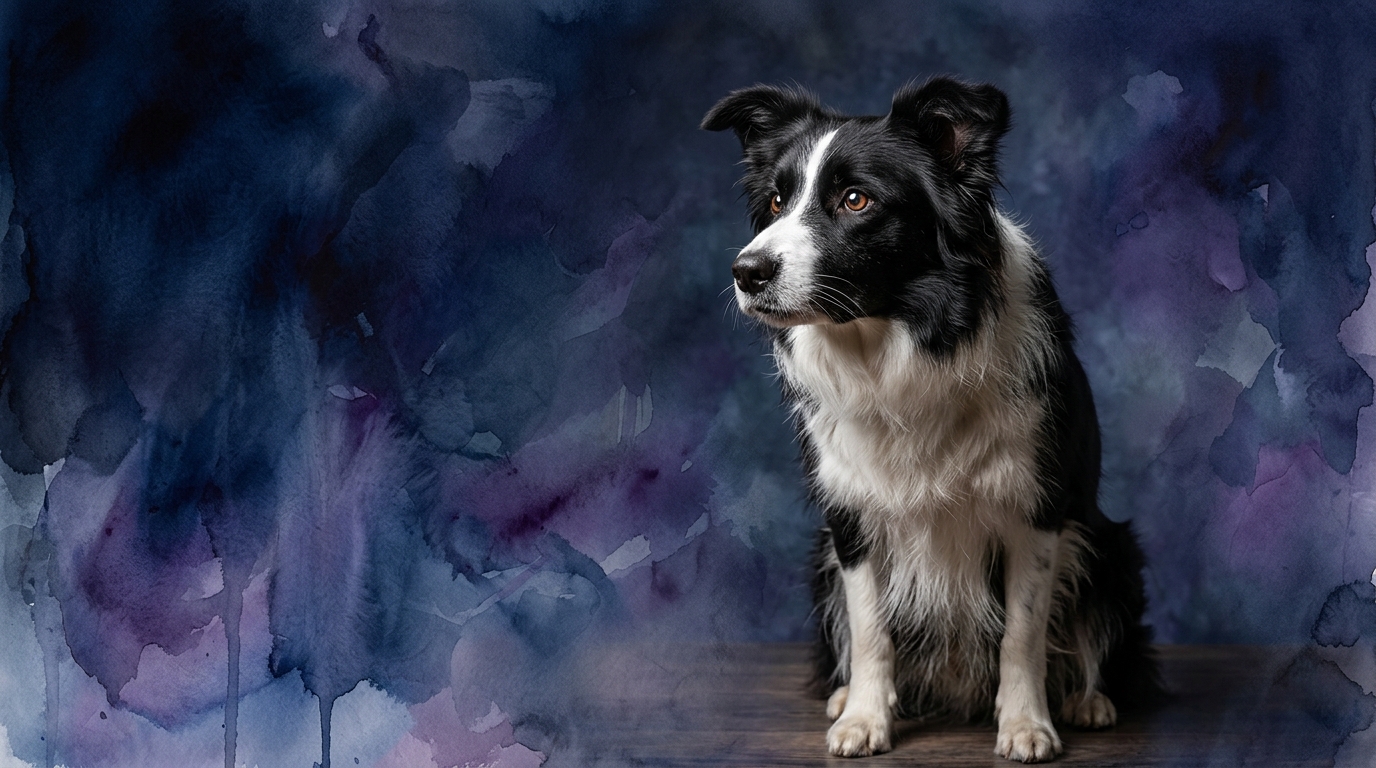
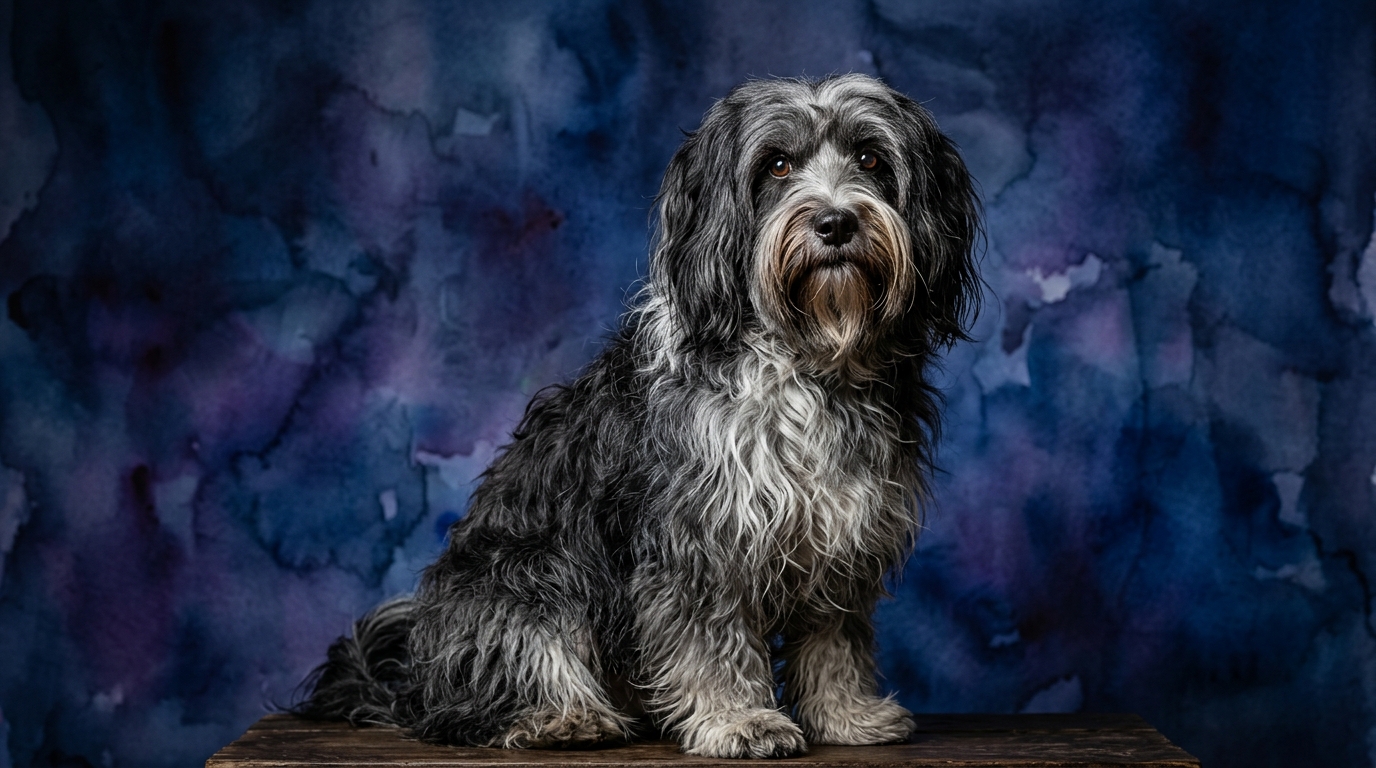
The Cosmic Pet Pet IQ Lab employs five key dimensions to evaluate canine intelligence, offering a nuanced understanding beyond simple obedience. For the Border Collie, Coren ranks them #1, while the Tibetan Terrier holds rank #63.
Problem Solving: The Border Collie earns a top 5/5, excelling at novel challenges and devising strategies for obstacles. The Tibetan Terrier scores 3/5, approaching new situations with a more exploratory, sometimes trial-and-error method, and may require more guidance to deduce solutions.
Training Speed: With a perfect 5/5, the Border Collie absorbs new commands with remarkable rapidity, often grasping concepts in just a few repetitions. The Tibetan Terrier, rated 3/5, learns at a more moderate pace, requiring consistent repetition and positive reinforcement to solidify new behaviors.
Social Intelligence: The Border Collie demonstrates a profound 4/5 capacity to interpret human cues, body language, and intent, crucial for intricate cooperative tasks. The Tibetan Terrier, with a 3/5, exhibits functional social understanding, capable of bonding deeply and responding to family dynamics, though less attuned to subtle working commands.
Instinctive Drive: A powerful 5/5 for the Border Collie signifies an intense, inherent motivation to work, herd, and engage in purposeful activity, channeling ancestral instincts into focused tasks. The Tibetan Terrier, at 3/5, retains some natural curiosity and playfulness, but lacks the specialized, persistent drive for a 'job' seen in working breeds.
Memory: The Border Collie’s 5/5 rating means it retains vast amounts of information, from complex command sequences to intricate routes and routines, over extended periods. The Tibetan Terrier’s 3/5 score indicates it holds onto learned behaviors and routines effectively, sufficient for a companion animal, but without the capacity for the extensive mental inventory of a working dog.
Where Border Collie Wins Cognitively
The Border Collie's cognitive architecture is optimized for complex, dynamic problem-solving within a cooperative framework. Their 5/5 rating in Problem Solving means they don't just follow instructions; they can innovate solutions to unforeseen obstacles in real-time, such as redirecting a flock of sheep through a shifting gate or navigating an agility course with unexpected changes. This capability extends beyond herding, making them adept at puzzle toys and strategic games that demand sequential thought and adaptation.
Their 5/5 Training Speed is a direct result of their exceptional associative learning and focus. They connect actions with consequences and verbal cues with remarkable speed, enabling them to acquire an extensive vocabulary of commands and tricks faster than almost any other breed. This rapid acquisition is paired with a 5/5 Memory, ensuring these complex learned behaviors and vast mental databases are retained long-term, ready for immediate recall even after periods of inactivity.
The profound 5/5 Instinctive Drive fuels their relentless pursuit of tasks and challenges, transforming learning into a deeply satisfying activity for them. This drive, combined with a 4/5 Social Intelligence, means they are not just capable but eager to collaborate with their human partners, interpreting subtle signals to achieve shared goals. This cognitive synergy makes them unparalleled in roles requiring sustained mental effort and precision.
Where Tibetan Terrier Wins Cognitively
While the Tibetan Terrier's cognitive profile (all 3/5 scores) may appear less intense compared to the Border Collie, these scores represent a functional and highly adaptable form of intelligence, particularly suited for companionship. Their 3/5 Problem Solving isn't about complex, dynamic tasks, but about navigating household routines and social dynamics with cleverness. They might independently figure out how to open a cabinet or signal their needs, demonstrating a practical, self-reliant problem-solving style.
The Tibetan Terrier's 3/5 Training Speed, while not lightning-fast, reflects a thoughtful learning process; they may take more repetitions, but their 3/5 Memory ensures concepts stick. This allows for a steady, consistent training journey, building a robust foundation of manners without the pressure of constant new challenges. Their learning style fosters patience and consistency, creating a strong bond.
Their 3/5 Social Intelligence is perfectly calibrated for family life, enabling deep, affectionate connections and understanding domestic dynamics. They are discerning companions, developing a keen sense of family moods without requiring intense, task-oriented interpretation of human signals. This balanced cognitive makeup allows them to integrate seamlessly into diverse home settings, thriving on interaction and moderate engagement.
Which is Easier to Train and Why
When assessing ease of training, the Border Collie presents a unique proposition due to its exceptional cognitive scores. Their 5/5 Training Speed means they pick up new commands and complex sequences with astonishing rapidity, often requiring only a few repetitions. This swift learning is propelled by their intense 5/5 Instinctive Drive, which manifests as an inherent desire to work and please. They thrive on the mental stimulation of learning and task completion, viewing training as a rewarding collaborative effort. Real behavioral differences include their unparalleled focus, eagerness to anticipate cues, and rapid generalization of learned behaviors. They are often seen as 'self-training' in some aspects, constantly observing and inferring.
The Tibetan Terrier, with its consistent 3/5 scores, offers a different training experience. They are certainly capable of learning, but their pace is more measured, typically requiring more repetitions and a highly consistent approach. Their training journey benefits from patience and positive reinforcement, as they possess an independent streak less inherently driven to perform simply to please. Behavioral differences include a tendency to weigh options or engage in independent thought before complying, and a potential for 'selective hearing.' This independence means training focuses more on building a strong, trusting relationship and making learning fun and rewarding on their terms, rather than relying on an intense work ethic.
Which Suits Active Owners vs. Relaxed Owners
The Border Collie, a breed with a 5/5 Instinctive Drive and 5/5 scores in Problem Solving and Memory, is undeniably suited for active owners. Their cognitive machinery demands constant engagement and a purposeful outlet for mental energy. An active owner for a Border Collie is someone prepared to provide daily, structured mental stimulation beyond simple walks. This includes participation in dog sports like agility, obedience, flyball, or even real-world herding. Without a 'job' or a consistent intellectual challenge, a Border Collie can quickly become bored, potentially leading to destructive behaviors or neurotic tendencies as they invent their own 'tasks.' They thrive with owners committed to a partnership built on shared activities and continuous learning.
In contrast, the Tibetan Terrier, with its balanced 3/5 scores across all cognitive dimensions, is an excellent match for more relaxed owners. While they enjoy activity and playtime, their instinctive drive is not geared towards intense, specialized tasks, nor do their problem-solving capabilities demand constant, complex engagement to prevent frustration. A relaxed owner for a Tibetan Terrier enjoys daily walks, interactive play, and consistent companionship, but isn't necessarily seeking a dog for competitive sports. They are content to be involved in family life, adapting well to varying schedules and activity levels as long as they receive affection and moderate exercise. Their cognitive makeup allows them to be adaptable and less prone to distress from insufficient mental stimulation, making them a more forgiving choice for those seeking a charming, affectionate companion without the intensity.
The Verdict
Choose the Border Collie if you are an experienced owner seeking a dedicated canine partner for demanding sports, complex training, or a working role, prepared for intensive daily mental and physical engagement.
Opt for the Tibetan Terrier if you desire a charming, adaptable companion who thrives on consistent affection and moderate activity, integrating seamlessly into a relaxed family lifestyle.
🧠 Find Your Pet's IQ Score
Our Pet IQ Lab assessment covers 25+ tests across 5 cognitive dimensions — personalized to your breed.
Take the Full IQ Test →Frequently Asked Questions
Do Border Collies get bored easily if not given a job?
Absolutely. With their 5/5 instinctive drive and problem-solving skills, Border Collies require constant mental stimulation. Lack of a 'job' or sufficient cognitive engagement can lead to boredom, frustration, and the development of undesirable behaviors as they seek outlets for their immense energy.
Is a Tibetan Terrier difficult to train because its training speed is 3/5?
Not necessarily difficult, but it requires a different approach than a Border Collie. Their 3/5 training speed means they learn at a more moderate pace, benefiting from patience, consistency, and positive reinforcement. They can be independent thinkers, so making training engaging and rewarding is key to success.
How does the social intelligence difference impact daily life?
A Border Collie's 4/5 social intelligence translates to a deep attunement to human cues, making them exceptional partners for intricate tasks. A Tibetan Terrier's 3/5 social intelligence is more focused on family bonding and understanding domestic dynamics, making them affectionate companions who integrate well without needing to interpret complex working signals.