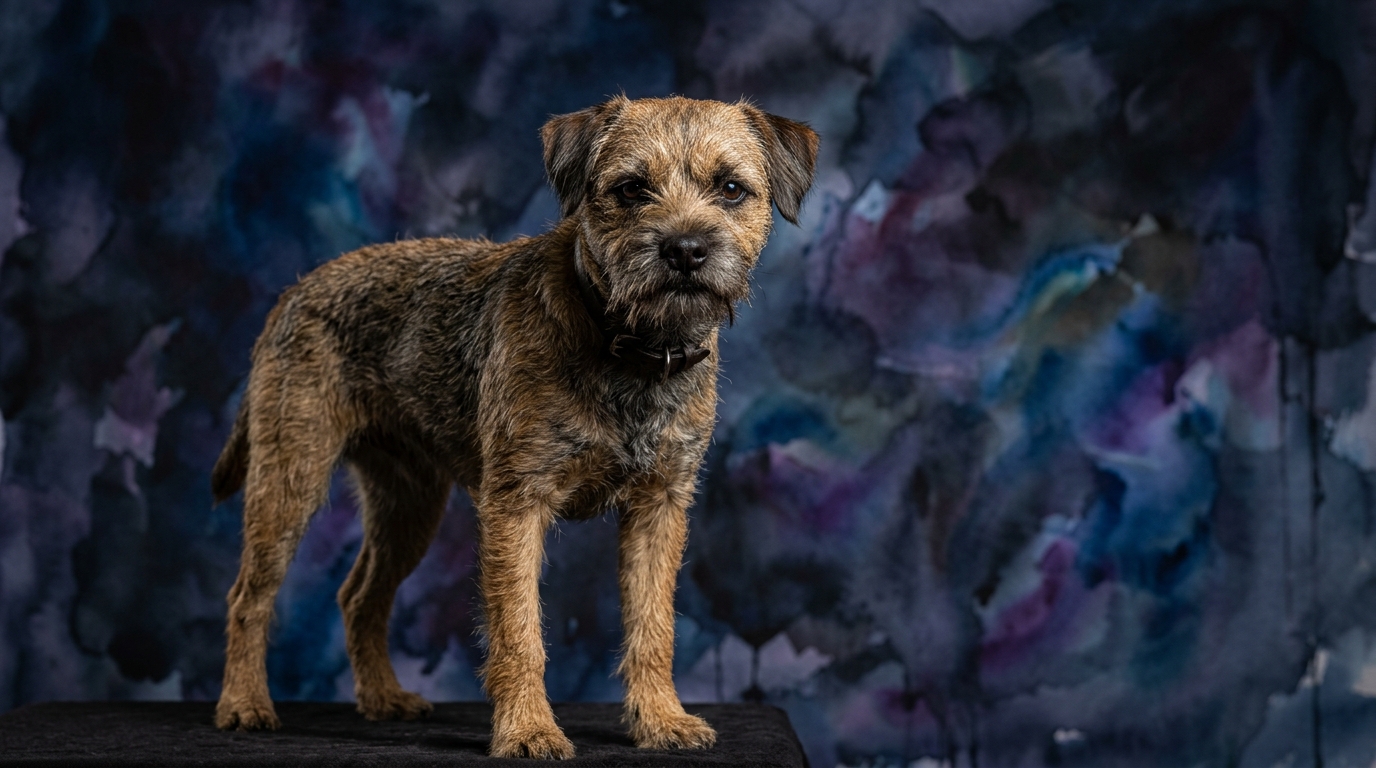
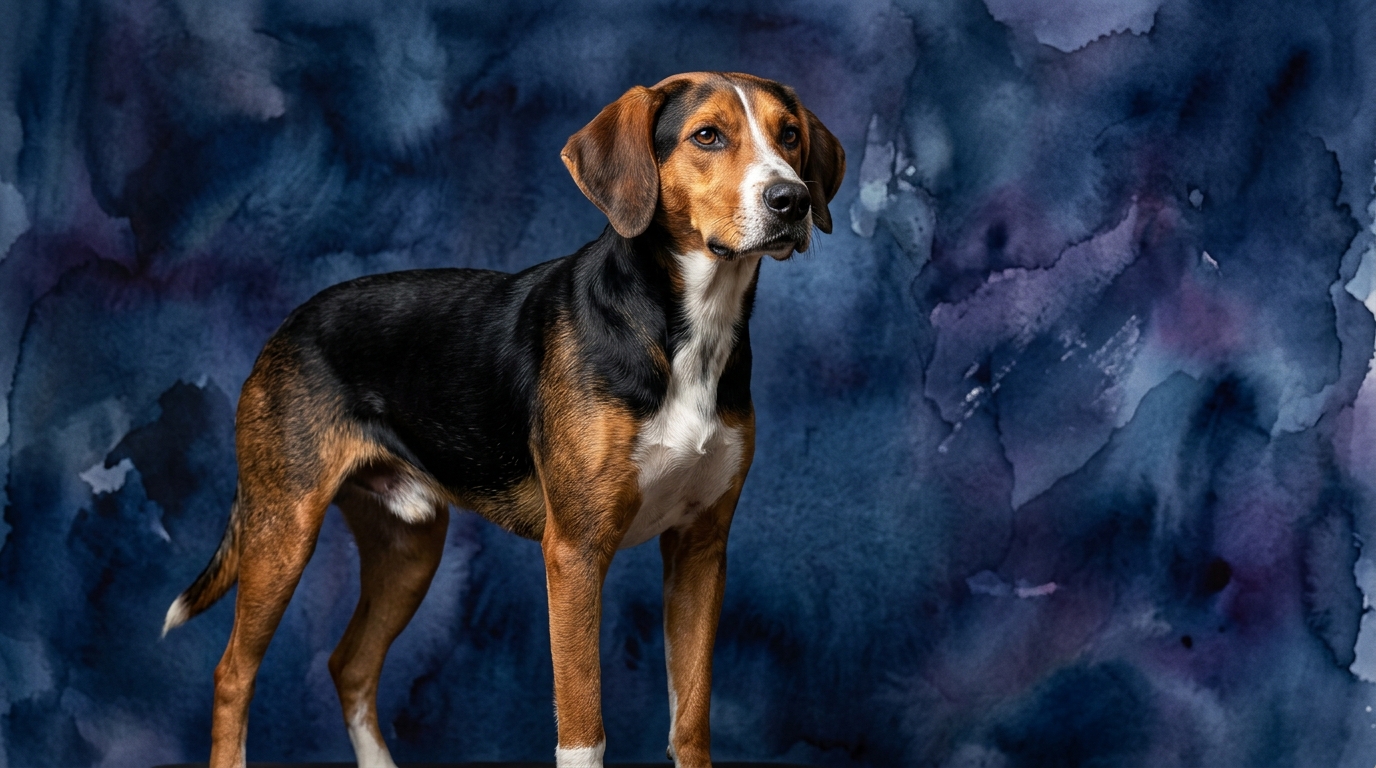
Side-by-Side Cognitive Profile
The Border Terrier, Coren-ranked #30, exhibits a well-rounded cognitive toolkit. Their Problem Solving score of 4/5 indicates a resourceful mind capable of navigating complex situations and figuring out novel solutions, often with a clever twist. This isn't brute force, but rather an adaptive intelligence.
With a Training Speed of 4/5, Border Terriers are quick studies, grasping new commands and routines with relative ease, often enjoying the mental engagement of learning. This responsiveness makes them rewarding training partners.
Their Social Intelligence, rated 3/5, suggests they form strong bonds and understand human cues, though they can also display an independent streak. They are attentive to their immediate family but might not extend the same level of nuanced social engagement to strangers.
An Instinctive Drive of 3/5 reflects their terrier heritage, possessing a prey drive that motivates them but is typically manageable within a domestic setting. This drive is often directed towards small game and quick action rather than relentless, sustained pursuit.
Finally, a Memory score of 4/5 means Border Terriers retain learned information and experiences effectively, remembering commands, routes, and interactions over extended periods, contributing to their trainability and adaptability.
The American Foxhound, while not Coren-ranked, presents a specialized intelligence profile rooted in its hunting heritage. Their Problem Solving, rated 3/5, is often task-specific; they excel at problems related to following scent trails and navigating varied terrain, but may not show the same innovation with abstract puzzles.
Their Training Speed of 3/5 indicates a moderate pace of learning, often requiring patience and repetition. Their primary focus on scent can make them easily distracted by environmental stimuli, requiring dedicated effort to capture their attention.
Social Intelligence, at 3/5, means American Foxhounds are generally amiable and form strong pack bonds with humans and other dogs. However, their social interactions can sometimes be secondary to their sensory pursuits, making them appear less 'tuned in' when on a compelling scent.
The American Foxhound's Instinctive Drive, also 3/5, is dominated by an unwavering scent drive. This powerful internal compass allows for sustained, focused pursuit of a trail, often overriding other considerations and making recall challenging in open spaces.
Their Memory score of 3/5 suggests they remember scent trails and hunting routines effectively. However, their recall of abstract commands or household rules might not be as precise as breeds with higher scores, particularly when their nose is engaged.
Where Border Terriers Demonstrate Cognitive Strengths
Border Terriers excel in adaptability and resourceful problem-solving. Their 4/5 score isn't just about figuring things out; it's about applying a sequence of actions or an unconventional approach to achieve a goal, like manipulating a latch or finding a hidden treat. This makes them engaging companions who can often outsmart static containment.
Their learning agility is another significant strength. With a 4/5 in both Training Speed and Memory, Border Terriers quickly grasp and retain new information. This cognitive synergy allows them to excel in various dog sports, learn complex multi-step commands, and adapt to new routines with relative ease, making them versatile partners.
Furthermore, their environmental awareness extends beyond singular sensory inputs. While they possess an instinctive drive, their cognitive framework allows them to process their surroundings more holistically, noticing subtle changes in their environment or human body language, and reacting accordingly, rather than being solely driven by one powerful sense.
Where American Foxhounds Demonstrate Cognitive Strengths
American Foxhounds possess an unparalleled strength in singular focus and endurance, driven by their instinctive scent drive. This isn't just a physical attribute; it's a cognitive ability to filter out all extraneous stimuli and commit relentlessly to a long-term olfactory goal. This sustained concentration on a specific task is a specialized form of intelligence.
Their sensory processing, particularly olfactory, is a cognitive masterpiece. While their general problem-solving might be rated 3/5, their intelligence is profoundly specialized in interpreting complex scent information, identifying minute changes in a trail, and extrapolating intricate paths. This sophisticated 'scent mapping' capability is a unique mental prowess.
Within the context of their working heritage, American Foxhounds exhibit a distinct form of social intelligence related to pack dynamics. While not always manifesting in nuanced human interaction, their ability to coordinate, communicate through vocalizations, and collaborate with other hounds for a shared goal reflects a specialized group intelligence crucial for their traditional role.
Ease of Training: Border Terrier vs. American Foxhound
The Border Terrier is generally easier to train, owing to their 4/5 Training Speed and 4/5 Memory. They readily grasp new commands, enjoy the mental stimulation that training provides, and remember what they've learned over time. Their problem-solving acumen helps them understand the cause-and-effect relationships in training, often leading to quicker understanding of expectations.
Border Terriers respond well to positive reinforcement methods and often display a desire to please their handlers, though their terrier independence means consistency and firm boundaries are crucial. They thrive on variety in training and can become bored if sessions are repetitive or lack challenge, leading to them finding their own 'fun' in less desirable ways.
Conversely, training an American Foxhound often presents more challenges due to their 3/5 Training Speed and 3/5 Memory, compounded by their powerful instinctive drive. Their primary focus on an enticing scent often overrides commands, making recall particularly difficult in unfenced areas. Training requires immense patience, unwavering consistency, and an understanding that their nose is their world.
Effective training for American Foxhounds often involves leveraging their natural drive rather than attempting to suppress it entirely. Scent work or trailing games can be excellent motivators, but traditional obedience requires more repetition and a different approach, often needing to be conducted in a highly controlled environment to minimize distractions.
Suitability for Active vs. Relaxed Owners
Border Terriers are best suited for active and engaged owners who appreciate a dog that needs both physical activity and significant mental stimulation. Their intelligence demands more than just a daily walk; they thrive on activities like agility, earthdog trials, or complex puzzle toys that challenge their problem-solving and memory. Owners who can provide varied mental outlets will find them rewarding companions.
A 'relaxed' owner who doesn't provide adequate mental engagement might find a Border Terrier becoming bored, potentially leading to destructive behaviors or persistent seeking of attention. Their need for intellectual engagement is as important as their physical exercise requirements.
American Foxhounds, on the other hand, demand exceptionally active owners, ideally those passionate about outdoor pursuits. Their formidable endurance and profound scent drive necessitate extensive physical exercise, often requiring long runs, hikes, or opportunities to safely explore scents in secure, expansive areas. A truly relaxed owner simply cannot meet their substantial physical demands.
For American Foxhounds, mental stimulation often comes from the act of following trails and engaging their powerful olfactory senses, rather than from complex obedience routines or intricate puzzles. Ideal owners understand and can accommodate this specialized drive, providing environments where their hound can fulfill its innate instincts without risking escape or conflict.
The Verdict
Choose the Border Terrier if you seek a resourceful, engaged companion who learns quickly and thrives on varied mental and physical challenges, appreciating a dog that thinks independently but enjoys collaborative work.
Opt for the American Foxhound if you are an exceptionally active individual or family, passionate about outdoor exploration, and understand the profound influence of scent drive, willing to accommodate and channel this specialized cognitive ability.
🧠 Find Your Pet's IQ Score
Our Pet IQ Lab assessment covers 25+ tests across 5 cognitive dimensions — personalized to your breed.
Take the Full IQ Test →Frequently Asked Questions
Are Border Terriers good apartment dogs?
Border Terriers can adapt to apartment living if their significant needs for mental stimulation and daily exercise are consistently met. Without sufficient engagement, they can become bored and potentially destructive, so active owner participation is key.
Do American Foxhounds get along with other pets?
American Foxhounds generally get along well with other dogs, especially if raised together, due to their pack mentality. However, their strong prey drive means they may not be suitable for homes with small, non-canine pets like cats or rabbits.
What kind of exercise does an American Foxhound need?
American Foxhounds require extensive, vigorous exercise daily, ideally including long runs or hikes in securely fenced areas where they can safely follow scents. Their endurance is impressive, and they are not suited to short, infrequent walks.