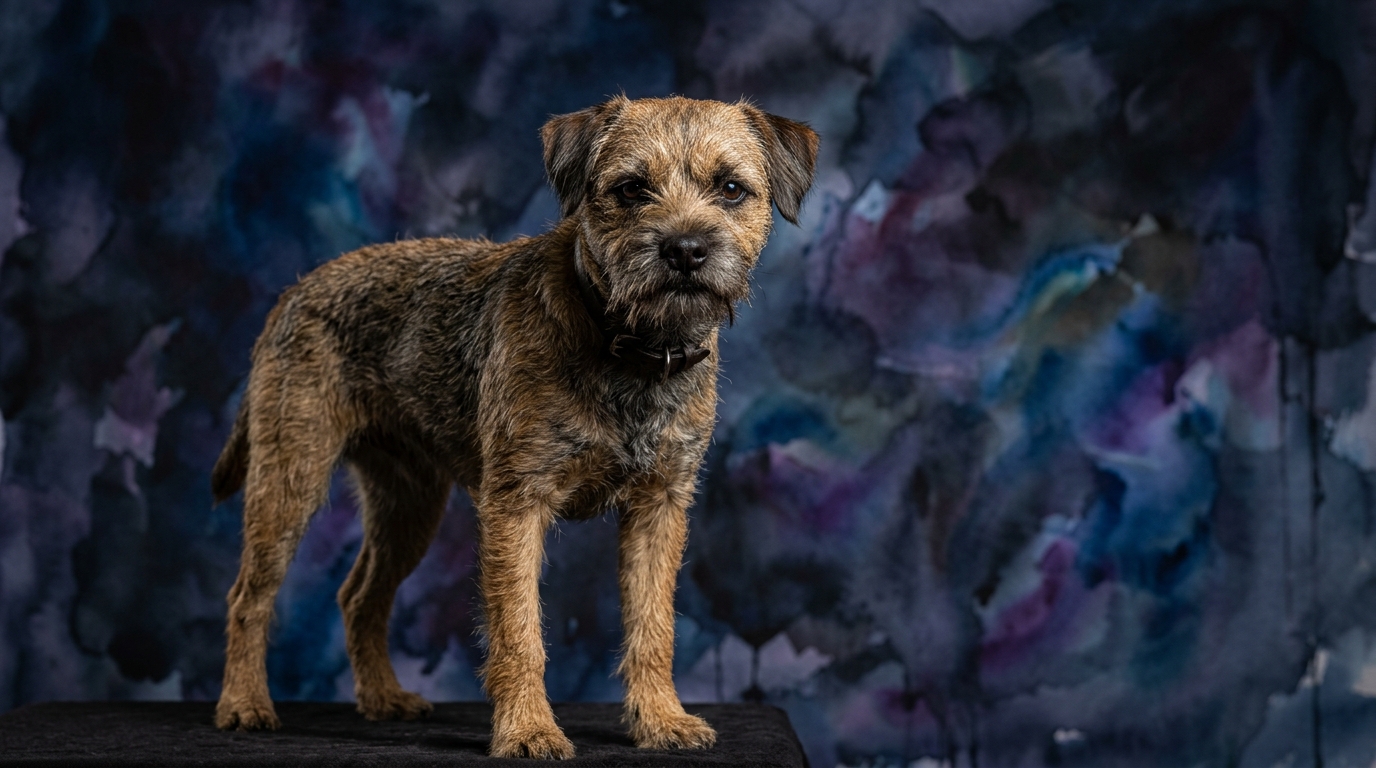
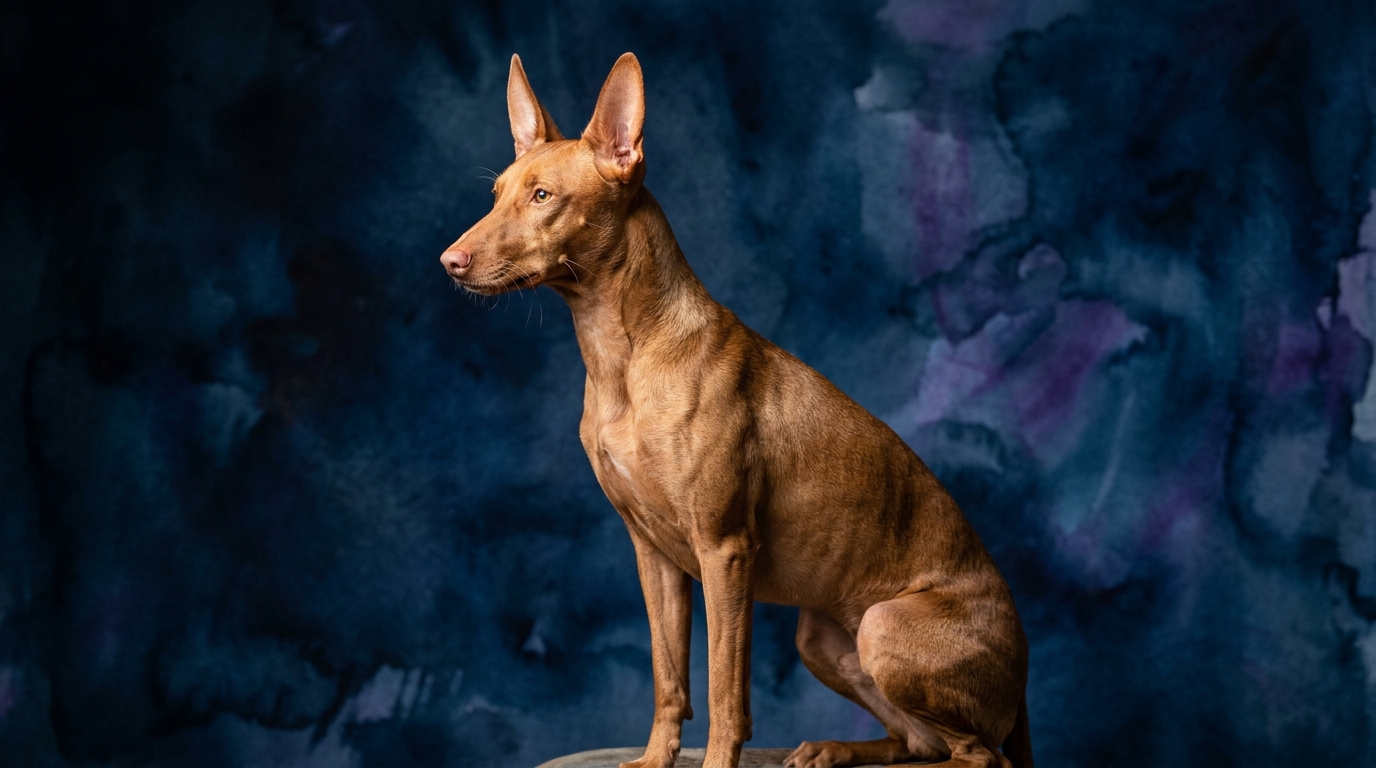
Side-by-Side IQ Profile: Border Terrier vs. Pharaoh Hound
**Border Terrier (Coren Rank #30)**: This terrier brings a focused intensity to its cognitive functions. Its **Problem Solving (4/5)** aptitude means it displays a pronounced capacity for figuring things out, whether navigating complex terrain, outsmarting prey, or discerning how to access a forbidden treat, demonstrating a persistent, strategic mindset. **Training Speed (4/5)** indicates these dogs typically pick up new commands and routines with considerable alacrity; their eagerness to engage and quick association of actions with consequences contribute to a swift learning curve. Their **Social Intelligence (3/5)** suggests a moderate level of attunement; they understand human cues and pack dynamics but maintain a degree of independent thought, with interactions often direct and purposeful. An **Instinctive Drive (3/5)** rooted deeply in hunting small game manifests as a strong inclination to chase, dig, and explore. Finally, a **Memory (4/5)** means Border Terriers retain learned behaviors, routes, and experiences effectively, aiding in training and confident navigation.
**Pharaoh Hound (Not Coren-Ranked)**: The ancient sighthound exhibits a different cognitive emphasis. Its **Problem Solving (3/5)** approach is more straightforward; they resolve practical issues relevant to immediate needs, like finding the fastest route across an open field, but may not engage in complex, multi-step strategizing unless directly related to sighthound instincts. **Training Speed (3/5)** indicates they learn at a steady pace, requiring consistent and patient instruction, often responding best to positive reinforcement. Their **Social Intelligence (3/5)** is discerning; they form deep, loyal bonds with family and are sensitive to moods, yet can be reserved with strangers, preferring to observe before engaging. An **Instinctive Drive (3/5)** is primarily centered around sight hunting – the pursuit of moving objects with speed and precision, translating into a powerful urge to chase. Their **Memory (3/5)** is functional for routines, learned commands, and familiar people or places, retaining essential information pertinent to daily lives and core training.
Where the Border Terrier Wins Cognitively
The Border Terrier's cognitive advantages are pronounced in its superior problem-solving capabilities and quicker training speed. With a 4/5 in Problem Solving, they demonstrate a remarkable capacity for independent thought and strategic planning, often finding ingenious ways to overcome obstacles or achieve desired outcomes. This means they are more likely to figure out how to open a gate, retrieve a hidden toy from a complex setup, or adapt quickly to novel situations without constant human intervention. Their 4/5 Training Speed further highlights their cognitive edge, indicating a brain wired for rapid acquisition of new commands and routines. They grasp concepts swiftly, making them exceptionally responsive to varied training modalities, from obedience to agility, and often anticipate their handler's next move. This combination of shrewd intellect and rapid learning makes them highly adaptable and capable of mastering intricate tasks more efficiently than many other breeds.
Where the Pharaoh Hound Wins Cognitively
While the Pharaoh Hound's scores might appear numerically lower in some general cognitive dimensions, their specific cognitive strengths lie in the refined application of their sighthound instincts and a unique blend of discerning social intelligence and functional memory. Their instinctive drive, rated 3/5, is a highly specialized form of intelligence; it signifies a brain perfectly optimized for visual detection, rapid pursuit, and efficient navigation in open spaces – a cognitive specialization for their ancient hunting role. They excel at processing visual cues and reacting with breathtaking speed and precision, a task that demands a distinct type of mental agility. Furthermore, their 3/5 social intelligence, while not universally effusive, suggests a deep, nuanced understanding of their immediate family. They are not easily swayed but form profound bonds, reading subtle human intentions and moods with a quiet perceptiveness, which can be a valuable cognitive asset for discerning companionship. This selective engagement, coupled with a reliable memory for essential routines, ensures they are not easily overwhelmed by excessive social demands, allowing for a focused, serene presence.
Which is Easier to Train and Why
Based on their cognitive profiles, the Border Terrier is generally easier to train than the Pharaoh Hound. The Border Terrier's 4/5 Training Speed means they absorb new commands and behaviors with impressive rapidity, often requiring fewer repetitions to solidify learning. Their higher Problem Solving (4/5) also plays a crucial role; they are more inclined to actively engage with training challenges, figure out what is expected of them, and adapt their behavior to earn rewards. This breed thrives on mental stimulation and the gratification of mastering new skills, making them highly motivated training partners. In contrast, the Pharaoh Hound, with a 3/5 Training Speed, requires more patience and consistency. Their independent sighthound nature means they are less inherently driven to please and more inclined to follow their instincts, especially if a more compelling sensory input (like a moving object) captures their attention. While perfectly capable of learning, their training often necessitates more creative motivation, a deeper understanding of their independent spirit, and a willingness to make training sessions engaging and rewarding to maintain their focus.
Which Suits Active Owners vs. Relaxed Owners
Both breeds generally suit active owners, but the *nature* of that activity differs significantly. The Border Terrier, with its robust instinctive drive (3/5) and high problem-solving capacity (4/5), thrives with owners who can provide consistent physical exercise combined with ample mental engagement. They need activities that challenge their sharp minds, such as agility, earthdog trials, extensive hiking, or complex puzzle toys. Owners who enjoy teaching new tricks, engaging in interactive games, and exploring varied environments will find a highly compatible companion in a Border Terrier. A more relaxed owner might struggle to meet their intrinsic need for mental and physical stimulation, potentially leading to boredom-related behaviors. The Pharaoh Hound, while equally athletic and requiring substantial exercise, particularly opportunities to run in safe, enclosed spaces, presents a different kind of activity requirement. Their sighthound instincts (3/5) mean they excel at bursts of speed and visual tracking. Owners who appreciate long, brisk walks, secure off-leash running in open areas, or participation in lure coursing will find their Pharaoh Hound fulfilled. While they enjoy activity, their mental stimulation might be less about intricate problem-solving tasks and more about satisfying their chase drive. A relaxed owner might find their need for high-speed exercise challenging, but once their physical needs are met, Pharaoh Hounds are often content to relax indoors, making them potentially suitable for owners who enjoy intense bursts of activity followed by calm home life, rather than constant mental 'work'.
The Verdict
Opt for a Border Terrier if you seek a quick-witted, highly trainable companion eager to engage in complex mental challenges and consistent structured activities.
Select a Pharaoh Hound if you appreciate an independent, discerning companion with a profound sighthound drive, thriving on bursts of speed and a more reserved, yet deeply loyal, social connection.
🧠 Find Your Pet's IQ Score
Our Pet IQ Lab assessment covers 25+ tests across 5 cognitive dimensions — personalized to your breed.
Take the Full IQ Test →Frequently Asked Questions
Do Border Terriers need a lot of mental stimulation?
Yes, Border Terriers, with their 4/5 problem-solving and memory, absolutely thrive on mental challenges. They enjoy puzzle toys, learning new tricks, and varied training exercises to keep their sharp minds engaged and prevent boredom.
Are Pharaoh Hounds difficult to train due to their independence?
Pharaoh Hounds, with a 3/5 training speed and a strong instinctive drive, are not necessarily difficult but require patient, consistent, and reward-based training. Their independent nature means they respond best when training is made fun and highly motivating, rather than through harsh methods.
Which breed is better for a first-time dog owner?
The Border Terrier's quicker training speed and general responsiveness might make them a slightly more manageable choice for a dedicated first-time owner willing to provide consistent mental and physical engagement. Pharaoh Hounds, due to their independent sighthound instincts and need for secure running spaces, might be better suited for owners with some prior dog experience or a deep understanding of the breed's specific needs.