
Side-by-Side IQ Profile: Digging into Cognitive Dimensions
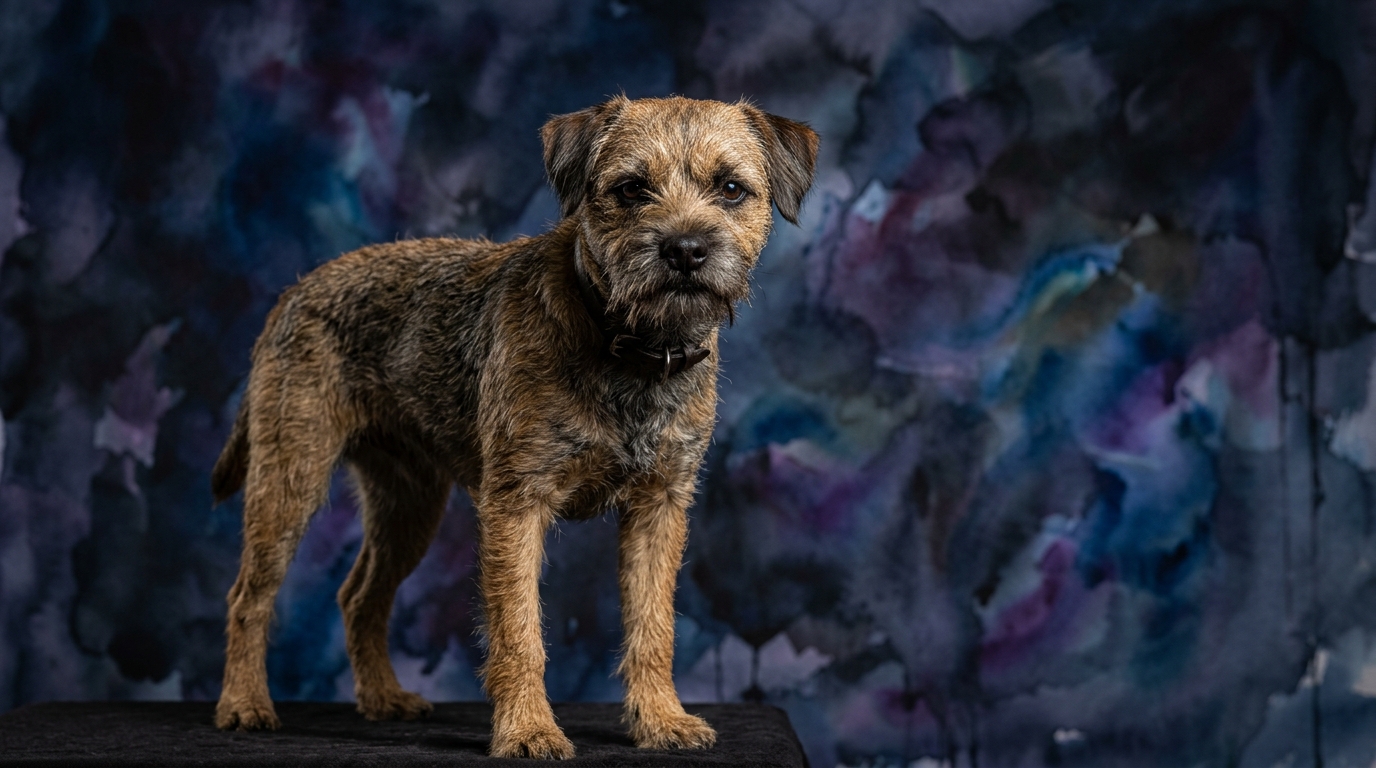
The Cosmic Pet Pet IQ Lab assesses canine intelligence across five crucial dimensions, offering a granular view of each breed's mental architecture. For the Border Terrier, a Coren rank #30 breed, we observe a robust profile: Problem Solving at 4/5, Training Speed also at 4/5, Social Intelligence at 3/5, Instinctive Drive at 3/5, and Memory at an impressive 4/5. This suggests a dog with a keen ability to navigate challenges and a strong capacity for learning and retention.
In contrast, the Russian Toy, a breed not yet included in Coren's ranking, presents a more uniformly balanced, albeit slightly lower, cognitive profile. Its scores are consistent across the board: Problem Solving 3/5, Training Speed 3/5, Social Intelligence 3/5, Instinctive Drive 3/5, and Memory 3/5. This indicates a capable and adaptable companion, perhaps less specialized in intense cognitive tasks but possessing a well-rounded mental aptitude for domestic life.
These individual scores illuminate how a breed's historical role influences its inherent mental toolkit. The Border Terrier, originally bred for hunting vermin, exhibits the sharp wit and tenacity required for independent action, while the Russian Toy, developed primarily for companionship, demonstrates the social and adaptable intelligence essential for close human bonding.
Where the Border Terrier Cognitively Excels
The Border Terrier's cognitive strengths are evident in its higher ratings for Problem Solving (4/5), Training Speed (4/5), and Memory (4/5). This combination makes them exceptionally adept at navigating complex environments and mastering multi-step tasks. Owners often observe their Border Terriers devising clever strategies to access desired objects or overcome obstacles, a direct manifestation of their superior problem-solving acumen.
Their elevated Training Speed means Border Terriers tend to grasp new commands and routines with greater alacrity than many other breeds. This quick uptake, coupled with their excellent Memory, allows them to retain a vast repertoire of learned behaviors, making them suitable candidates for advanced obedience, agility, or even trick training. They thrive on mental engagement that challenges their capacity for recall and sequential learning, demonstrating a sustained interest in intellectual stimulation.
Furthermore, the Border Terrier's instinctive drive, while rated 3/5, is often channeled into focused, persistent pursuit of goals, whether it's tracking a scent or solving a puzzle toy. This inherent drive, when properly directed, enhances their engagement in training and problem-solving scenarios, allowing them to apply their cognitive abilities with purpose and determination.
Where the Russian Toy's Cognitive Profile Shines
While the Border Terrier edges out the Russian Toy in specific cognitive dimensions, the Russian Toy's distinct intellectual makeup offers its own set of advantages, particularly for those seeking a companion with a balanced and adaptable mind. Their consistent 3/5 across all categories points to a harmonious blend of cognitive traits, rather than a specialized intensity in one area. This balance can lead to a more relaxed and less demanding mental companion.
The Russian Toy's Social Intelligence rating of 3/5, equal to the Border Terrier's, indicates a sufficient capacity for bonding and understanding human social cues, making them responsive and affectionate companions. This level of social awareness allows them to integrate seamlessly into family life, often proving sensitive to their owner's moods and preferences without the independent streak sometimes seen in breeds with higher problem-solving drives.
Their moderate Problem Solving (3/5) and Training Speed (3/5) mean they are certainly capable of learning and engaging with their environment, but perhaps without the intense need for constant mental challenges that can characterize some working breeds. This makes them less prone to developing destructive behaviors out of boredom if not constantly stimulated, and more content with consistent, positive reinforcement training for everyday commands and routines. Their moderate Instinctive Drive (3/5) further ensures they are not overwhelmingly driven by intense, hardwired behaviors, contributing to their adaptability as a house companion.
Training Dynamics: Border Terrier vs. Russian Toy
When it comes to ease of training, the Border Terrier generally presents a swifter learning curve. Their 4/5 Training Speed means they pick up new commands and behaviors relatively quickly, often requiring fewer repetitions to solidify a lesson. This is complemented by their strong Memory (4/5), allowing them to retain learned information over extended periods. Their problem-solving abilities also mean they can generalize learned behaviors to new situations, making them adaptable in varied training contexts. However, their independent terrier spirit and moderate instinctive drive (3/5) can sometimes translate into a preference for self-directed activity, requiring an owner who can maintain engagement and provide clear, consistent leadership.
The Russian Toy, with its 3/5 Training Speed and Memory, requires a more patient and consistent approach to training. They are certainly trainable and eager to please their human companions, a trait supported by their 3/5 Social Intelligence, but they may need more repetitions and a slower pace to fully internalize new commands. Owners should focus on positive reinforcement methods, celebrating small successes to build confidence. Their moderate instinctive drive (3/5) means they are less likely to be overwhelmed by strong urges to chase or dig, which can simplify household training, but their smaller stature also means training must be adapted to their physical capabilities and attention span.
In essence, while both breeds benefit from early socialization and consistent positive reinforcement, the Border Terrier's cognitive profile lends itself to quicker, more complex training regimens, while the Russian Toy thrives with patient, gentle, and consistent instruction focused on building a strong bond and reliable everyday manners.
Matching Canine Intellect to Owner Lifestyles
For active owners who thrive on engaging their dog in various sports or intellectual pursuits, the Border Terrier is a compelling choice. Their superior problem-solving and training speed make them excellent partners for activities like agility, earthdog trials, or advanced obedience. Owners who enjoy teaching complex tricks or engaging in daily brain games will find the Border Terrier's memory and quick wit incredibly rewarding. This breed requires an owner who can consistently provide structured mental stimulation to prevent boredom, channeling their innate drives into productive outlets rather than allowing them to invent their own, potentially mischievous, forms of entertainment.
Conversely, the Russian Toy is an ideal companion for relaxed owners or those seeking a devoted household member whose cognitive needs are more easily met within a typical home environment. While they certainly benefit from daily engagement and mental enrichment, their balanced cognitive profile means they are generally content with regular walks, interactive play, and consistent reinforcement of basic commands. They thrive on companionship and thrive in homes where their social intelligence can be fully appreciated through consistent interaction and affection. Their moderate drives make them adaptable to apartment living or smaller spaces, provided they receive adequate attention and gentle mental stimulation.
Ultimately, selecting between these two breeds hinges on understanding your own lifestyle and what kind of cognitive partnership you seek. The Border Terrier offers a more demanding, intellectually vigorous companionship, while the Russian Toy provides a charming, adaptable, and socially attuned presence.
The Verdict
Choose the Border Terrier if you are an active owner seeking a keen, quick-witted partner for challenging mental and physical activities who will thrive on complex training and problem-solving tasks. Their robust cognitive profile demands consistent engagement and a dedicated approach to channeling their natural drives.
Opt for the Russian Toy if you desire a devoted, adaptable companion whose balanced cognitive profile makes them a joy to live with in a more relaxed setting. They flourish with consistent, gentle training and ample social interaction, providing affectionate companionship without an overwhelming need for intense mental stimulation.
🧠 Find Your Pet's IQ Score
Our Pet IQ Lab assessment covers 25+ tests across 5 cognitive dimensions — personalized to your breed.
Take the Full IQ Test →Frequently Asked Questions
Is the Border Terrier difficult to train due to its terrier nature?
While Border Terriers possess an independent streak and a moderate instinctive drive, their high Training Speed (4/5) and Memory (4/5) make them quite capable of learning. Success often depends on consistent, positive reinforcement and an owner who can engage their intelligent minds effectively, channeling their natural tenacity into productive tasks.
Do Russian Toys require extensive mental stimulation?
Russian Toys have a balanced cognitive profile with moderate scores (3/5) across the board, meaning they benefit from daily mental engagement but don't typically require the intense, complex stimulation of some working breeds. Regular playtime, puzzle toys, and consistent basic training are usually sufficient to keep their minds happy and engaged.
Which breed is better for first-time dog owners based on intelligence?
For first-time owners, the Russian Toy might be a more manageable choice due to its balanced and less demanding cognitive profile, requiring consistent but less intense training and mental enrichment. The Border Terrier's higher problem-solving and drive may require an owner with more experience in directing a dog's natural instincts and providing substantial mental challenges.