Side-by-Side Cognitive Profiles
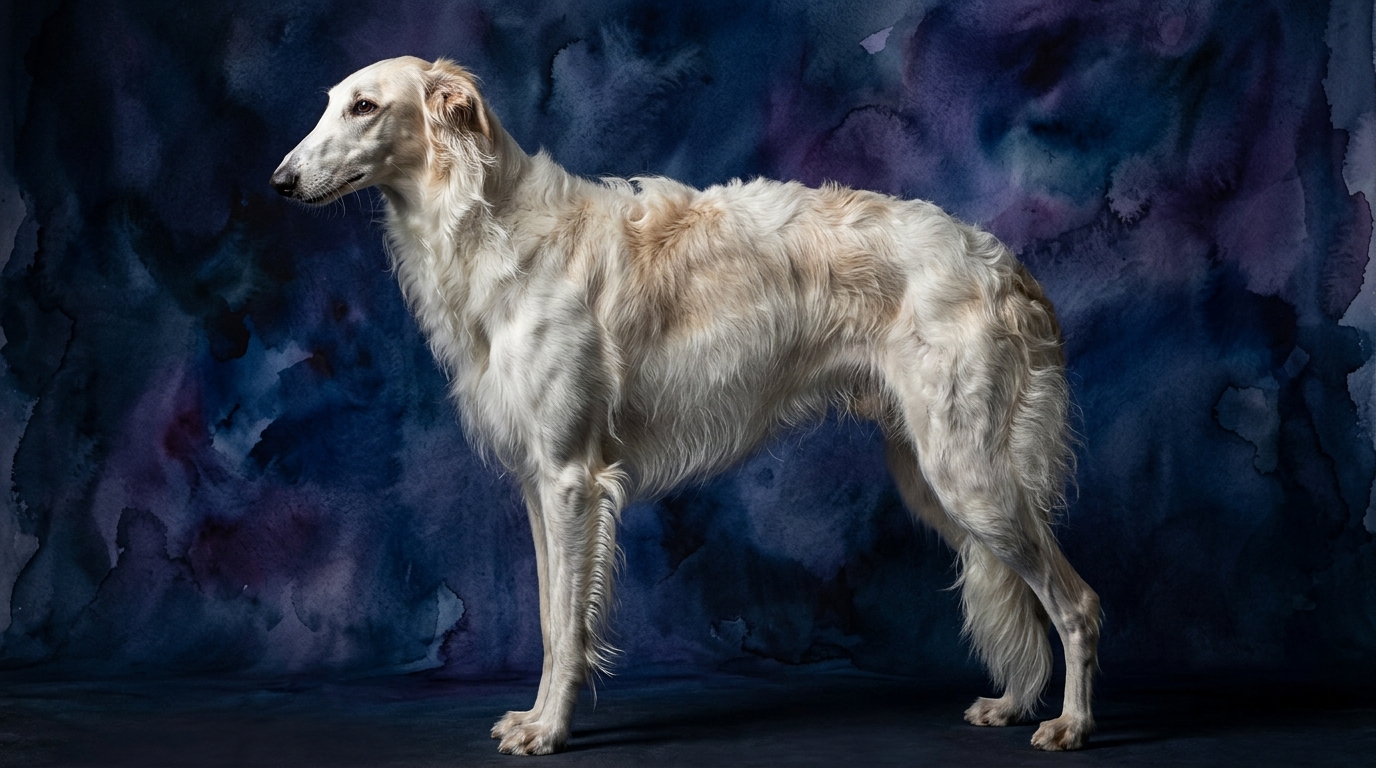
At The Cosmic Pet Pet IQ Lab, both the Borzoi and the Rhodesian Ridgeback register a consistent 3/5 across our five cognitive dimensions, yet the interpretation of these scores reveals their breed-specific nuances. For the Borzoi, Problem Solving at 3/5 often translates to independent decision-making during a pursuit, assessing terrain or obstacles on the fly without human intervention, or finding ingenious ways to access a coveted sunny spot. Training Speed, also 3/5, means they grasp commands but often require patient, consistent motivation, sometimes exhibiting selective 'deafness' if a more compelling stimulus captures their attention. Their Social Intelligence (3/5) is characterized by a reserved elegance; they understand subtle human cues and family dynamics but are rarely boisterous, forming deep, quiet bonds with their inner circle. Instinctive Drive at 3/5 is profoundly expressed in their potent sight-hunting drive, a powerful urge to chase anything that moves quickly. Memory at 3/5 allows them to recall intricate routes, preferred lounging spots, and household routines with precision.
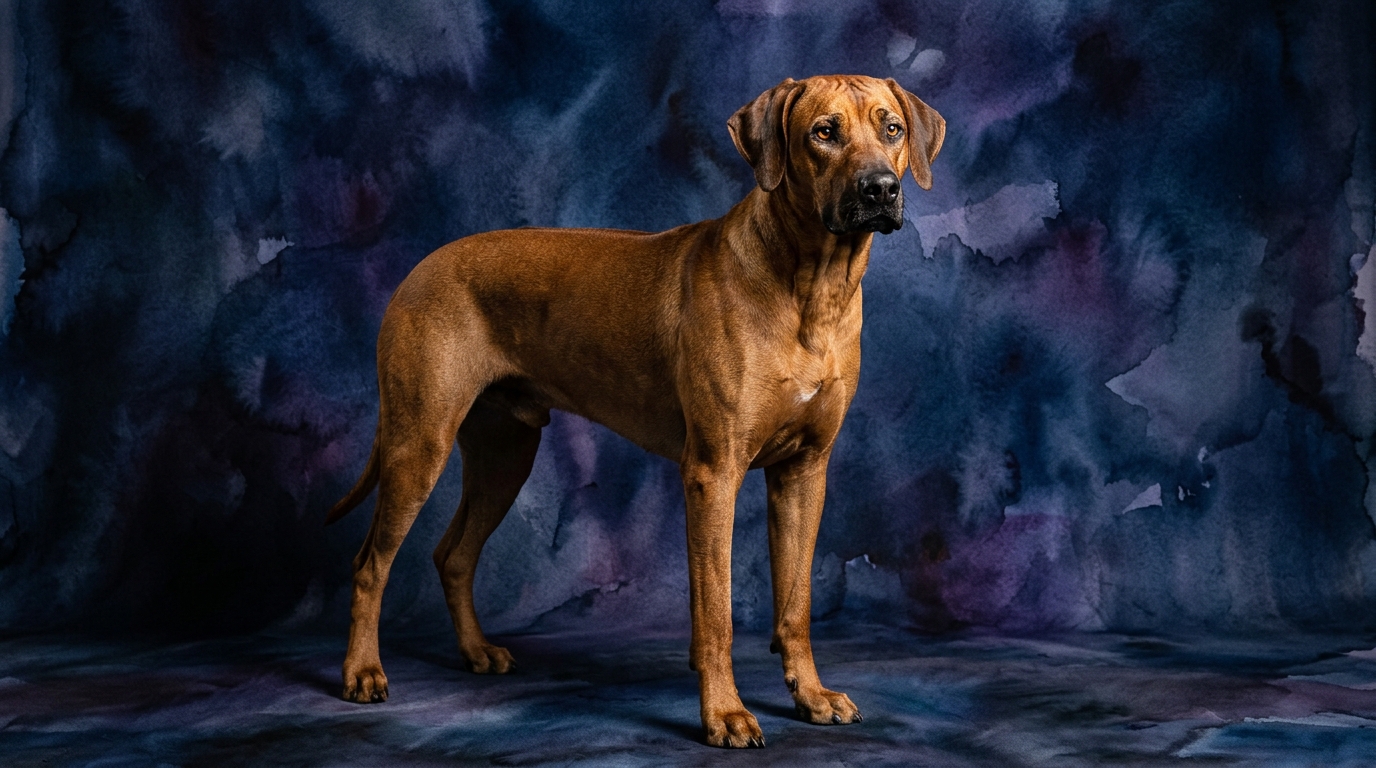
The Rhodesian Ridgeback, sharing the same 3/5 score, showcases these dimensions through a different behavioral lens. Their Problem Solving (3/5) often targets practical, guardian-oriented challenges, such as assessing unfamiliar visitors or understanding household routines. Training Speed at 3/5 signifies capability to learn at a moderate pace, often with a strong desire to please, though they possess a distinct willfulness requiring consistent, fair leadership. Social Intelligence (3/5) means deep loyalty and protective instinct towards family; they are keenly aware of human moods and home hierarchy, often wary but observant of strangers. Their Instinctive Drive (3/5) blends strong prey drive with pronounced protective instinct, historically demanding courage and judgment to 'bay' dangerous game. Memory (3/5) is often tied to recalling boundaries, routines, specific people, and past interactions, contributing to their discerning nature.
Where Borzoi Excels Cognitively
Despite identical numerical scores, the Borzoi's cognitive strengths lean into their profound independence and specialized function. Their Problem Solving, while rated 3/5, particularly shines in scenarios demanding rapid, autonomous action during a chase, evaluating variables like speed and obstacles without human command. This self-directed cognitive process was honed for effective, solitary hunting. Their Social Intelligence, though reserved, allows for a nuanced understanding of their environment and subtle emotional states of close human companions, making them remarkably attuned to a quiet household's rhythm. This elegant self-sufficiency is a hallmark of their cognitive profile.
Where Rhodesian Ridgeback Excels Cognitively
The Rhodesian Ridgeback's cognitive strengths, also rooted in their 3/5 scores, are distinctively geared towards partnership and guardianship. Their Problem Solving capabilities, while numerically equal, are often expressed through a more cooperative framework, excelling at deciphering complex household rules and judging perceived threats. This involves a higher degree of context-awareness and integration into the human family's structure. Their Instinctive Drive, a 3/5, is not merely about chasing but courageous engagement and protection, demanding a cognitive framework that balances drive with discernment—knowing when to hold a threat at bay. Their Memory (3/5) is particularly strong for recalling individuals and their roles, contributing to their discerning and protective nature.
Trainability: Independent Grace vs. Cooperative Resolve
When it comes to training, the practical manifestation of their 3/5 Training Speed scores diverges significantly due to inherent behavioral differences. The Borzoi, with its deep-seated independence, often approaches training as a negotiation. They are capable of learning commands, but their natural inclination is to evaluate if executing a command aligns with their current interest. This means a trainer must be exceptionally patient, use positive reinforcement, and understand that compliance might sometimes be 'optional' in the Borzoi's mind, particularly if sighthound instincts are triggered. Effective Borzoi training means making them *want* to perform, requiring creative and engaging methods.
The Rhodesian Ridgeback, while possessing a strong will and independent streak, generally exhibits a greater desire for partnership and a clear leadership structure, making their 3/5 Training Speed feel more accessible. They respond well to consistent, firm, but fair training, often eager to please their trusted human. However, their intelligence means they can become bored with repetitive tasks and may challenge authority if rules are inconsistent. Their protective instincts also necessitate early and thorough socialization and boundary training to ensure discerning judgment. Training a Ridgeback is about building a respectful relationship where they understand their role and trust their leader, leveraging their cooperative nature.
Matching Breeds to Lifestyles: Active Engagement vs. Elegant Calm
For active owners who enjoy sustained, vigorous outdoor activities like long-distance running or hiking, the Rhodesian Ridgeback often proves an ideal match. Their endurance and desire for companionship mean they thrive on shared adventures and consistent mental and physical engagement. They need a job, whether accompanying their owner on trails or participating in dog sports, and are typically happier when integrated into family activities. Their protective nature also means they are constantly 'on watch,' requiring an owner who can manage this vigilance effectively.
Conversely, owners who appreciate bursts of intense activity followed by periods of elegant calm might find the Borzoi more suitable. While they require regular opportunities to stretch their long legs in a secure, fenced area, their indoor demeanor is often surprisingly serene and undemanding. They are not typically dogs that crave constant human interaction or a 'job' in the traditional sense, preferring to observe or lounge regally. They are perfect for owners who enjoy quiet companionship, admire their independent spirit, and can provide safe outlets for their sighthound instincts without needing a dog that is constantly 'working' or highly focused on human direction.
The Verdict
Choose the Borzoi if you value independent elegance, a reserved companion, and bursts of intense activity followed by serene indoor lounging.
Opt for the Rhodesian Ridgeback if you seek a loyal, protective partner for sustained outdoor adventures and a dog deeply integrated into family life.
🧠 Find Your Pet's IQ Score
Our Pet IQ Lab assessment covers 25+ tests across 5 cognitive dimensions — personalized to your breed.
Take the Full IQ Test →Frequently Asked Questions
Are Borzoi difficult to train due to their independence?
Borzoi are not inherently difficult to train, but their independent sighthound nature means they require patient, consistent, and reward-based methods. They may choose to comply based on their interest, so engaging their cooperation is key rather than relying on strict obedience.
How do Rhodesian Ridgebacks typically interact with strangers?
Rhodesian Ridgebacks are generally reserved and wary of strangers, a trait stemming from their protective instincts. Early and continuous socialization is crucial to ensure they are discerning rather than overly suspicious, allowing them to accept new people when introduced properly.
Which breed requires more daily exercise?
While both breeds require significant exercise, Rhodesian Ridgebacks typically need more sustained, vigorous activity daily due to their endurance and desire for engagement. Borzoi need opportunities for high-speed sprints in secure areas but are generally calmer indoors once their exercise needs are met.