Side-by-Side IQ Profile: Boston Terrier vs. Anatolian Shepherd Dog
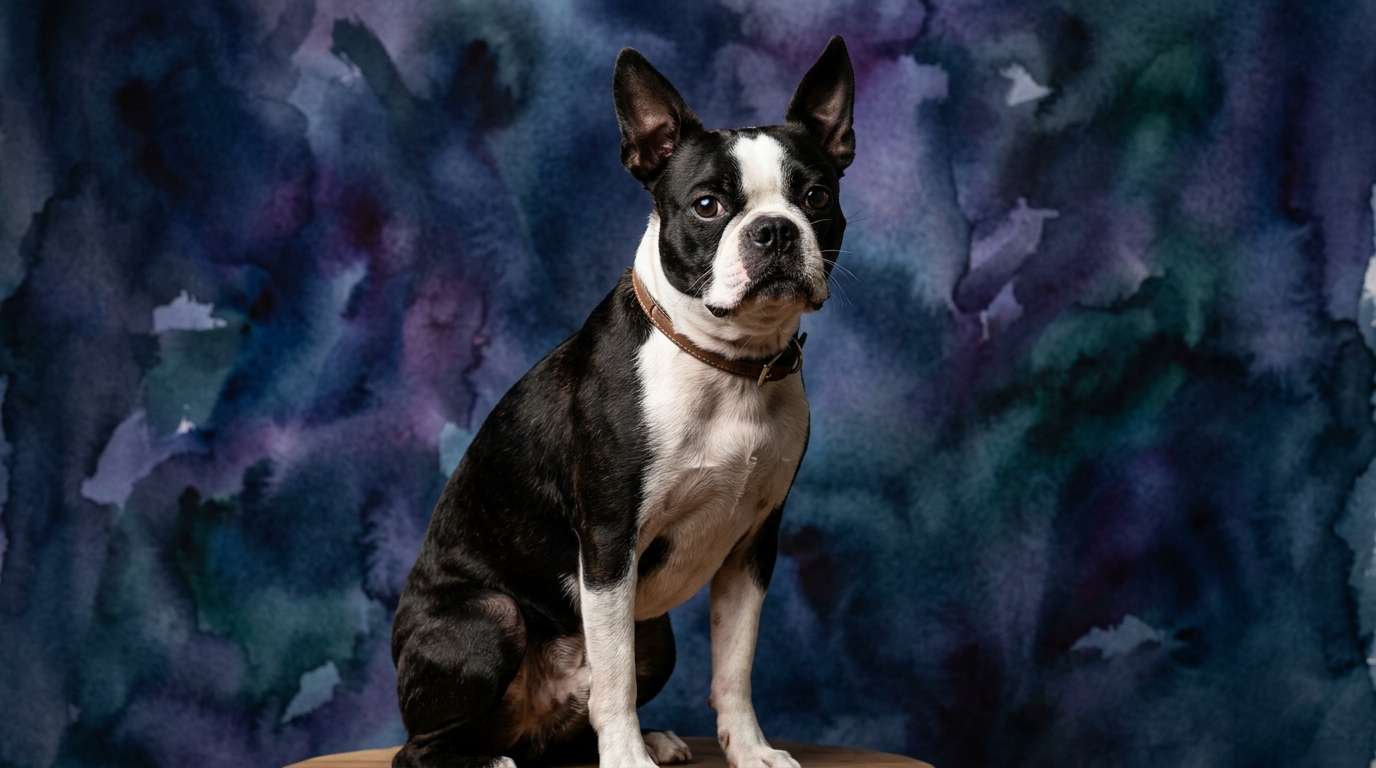
At The Cosmic Pet Pet IQ Lab, we evaluate canine cognition across five key dimensions, providing a granular look at each breed's mental landscape. For the Boston Terrier, categorized in the Non-Sporting Group and holding a Coren rank of #54, their profile reveals a unique blend of companion-oriented intelligence. Their Problem Solving is rated at 3/5, indicating a solid capacity for navigating moderate challenges within their immediate environment. Training Speed also scores 3/5, reflecting a steady ability to learn new commands with consistent guidance. A standout feature is their Social Intelligence at 4/5, showcasing an exceptional attunement to human emotions and household dynamics. Their Instinctive Drive is lower at 2/5, meaning they are less compelled by complex working tasks, focusing more on interaction. Finally, their Memory is 3/5, allowing for good retention of routines and learned behaviors.
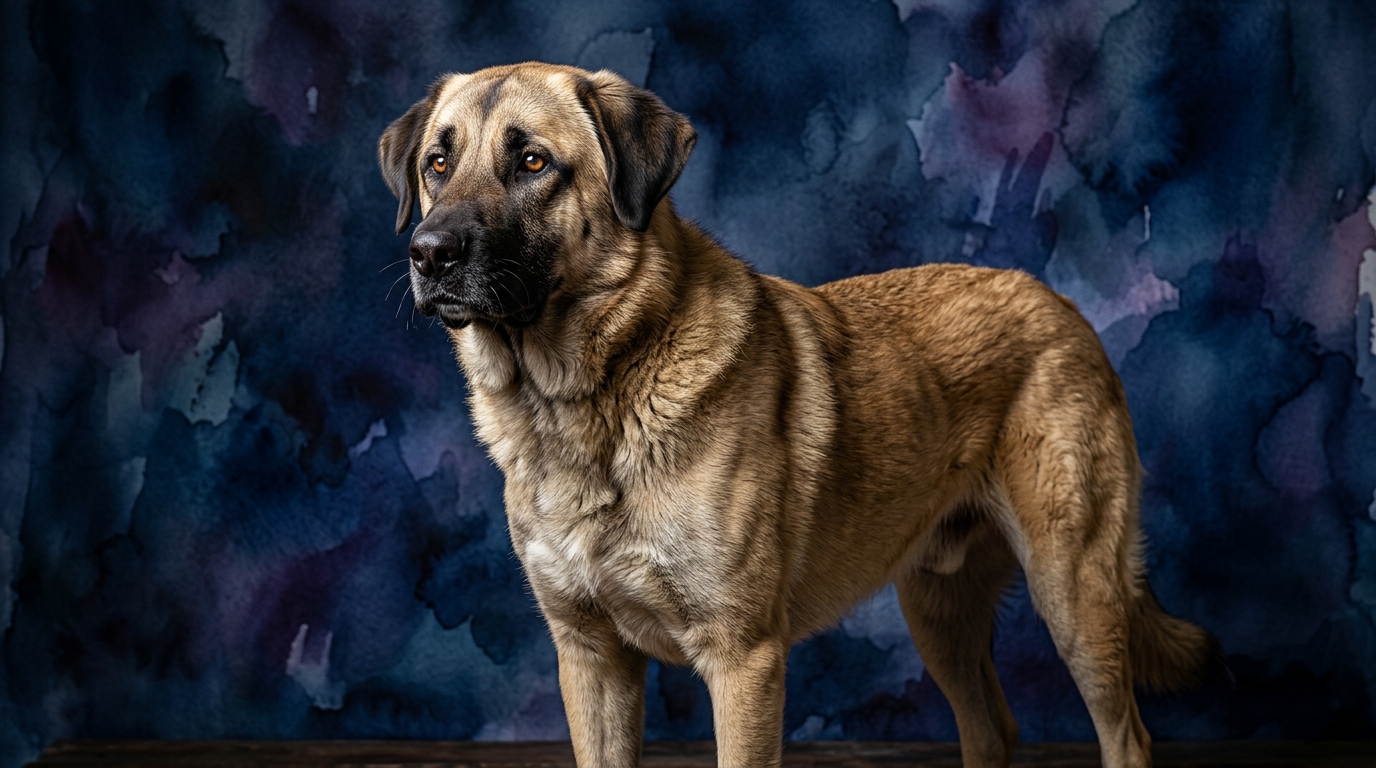
The Anatolian Shepherd Dog, a robust member of the Working Group and not Coren-ranked, presents a profile shaped by centuries of independent guardianship. Their Problem Solving is rated 3/5, but this score reflects their capacity for autonomous decision-making in protective scenarios, often requiring self-directed solutions. Training Speed is also 3/5, though their learning process can be deliberate, often requiring clear purpose and patience from the trainer due to their independent nature. Their Social Intelligence scores 3/5, indicating an understanding of pack dynamics and human leadership, but filtered through a lens of vigilance and protection. A defining characteristic is their Instinctive Drive at 3/5, reflecting a powerful innate compulsion for guarding and territorial defense. Their Memory, rated 3/5, is crucial for retaining knowledge of their territory, charges, and past experiences, essential for their demanding role.
Where the Boston Terrier Cognitively Excels
The Boston Terrier truly shines in the realm of social intelligence, scoring a notable 4 out of 5, which is a full point higher than the Anatolian Shepherd Dog. This reflects their exceptional aptitude for discerning and responding to human emotions and social cues within a household setting. Unlike breeds bred for independent tasks, Boston Terriers are deeply attuned to their people, often anticipating moods or needs and adapting their behavior accordingly. This cognitive strength makes them remarkably empathetic companions, adept at weaving themselves into the fabric of family life and fostering strong, reciprocal bonds built on mutual understanding and nuanced interaction. Their ability to 'read the room' is a distinctive cognitive advantage that enhances their role as devoted family members.
Another area where the Boston Terrier demonstrates a cognitive advantage, particularly for a companion role, is their lower Instinctive Drive (2/5). While some might view a lower drive as a disadvantage, in the context of a family pet, it means they are less burdened by complex urges for independent work or intense protective behaviors. This cognitive profile makes them more pliable and content with a human-centric existence, requiring less specialized outlets for ingrained instincts. Their mental energy is largely directed towards social engagement and playful interaction, making them intellectually well-suited to a life of companionship rather than demanding a 'job' to feel fulfilled.
Where the Anatolian Shepherd Dog Cognitively Excels
While both breeds share a 3/5 score in problem-solving, the Anatolian Shepherd Dog's application of this cognitive dimension is distinctly different and highly specialized. Their problem-solving prowess is deeply intertwined with their role as independent guardians, requiring them to assess dynamic situations in their environment without direct human command. This involves evaluating potential threats to their flock or territory, devising strategies to deter intruders, and making autonomous decisions under pressure. It's a form of practical, self-directed cognition focused on environmental management and protection, a far cry from solving puzzle toys, demonstrating a profound capacity for critical thinking in high-stakes scenarios where self-reliance is paramount.
The Anatolian Shepherd Dog's higher Instinctive Drive (3/5) represents a significant cognitive strength for its intended purpose. This isn't just a physical trait but a deeply ingrained mental framework that prioritizes assessment of surroundings, territorial vigilance, and proactive defense. Their minds are wired to survey, analyze, and act independently to protect their charges, whether they be livestock or family. This instinctual intelligence allows them to operate effectively in solitary conditions, making complex judgments about safety and threat without constant human input. This deep-seated drive shapes their entire cognitive process, leading to a breed that is inherently self-assured and purposeful in its protective duties.
Training Dynamics: Which is Easier and Why?
When considering ease of training, the Boston Terrier generally presents a more straightforward experience for most owners. Their high social intelligence (4/5) means they are inherently motivated to engage with and please their human companions, making them more receptive to instruction. Coupled with a steady training speed (3/5), they pick up new commands and routines effectively when positive reinforcement and consistent methods are employed. Boston Terriers thrive on interaction and positive feedback, often viewing training sessions as an enjoyable bonding activity. Their desire for companionship makes them eager participants, translating into a more cooperative learning partner.
The Anatolian Shepherd Dog, in contrast, can be more challenging to train, primarily due to their independent nature and strong instinctive drive. While their training speed is also 3/5, their intelligence is geared towards autonomous decision-making, not eager compliance. They are bred to assess situations and act independently, which means they may question commands or prioritize their perceived duty over immediate obedience. Successful training with an Anatolian requires a patient, confident leader who can establish clear boundaries and demonstrate the purpose behind commands in a way that resonates with their protective instincts. They don't just learn; they evaluate, making consistency, patience, and understanding of their breed traits crucial.
Matching Breeds to Lifestyles: Active vs. Relaxed Owners
For owners who prefer a more relaxed or moderately active lifestyle, the Boston Terrier is an excellent cognitive match. Their lower instinctive drive and high social intelligence mean they are content with being central to family life, enjoying indoor companionship and moderate outdoor play. They are not dogs that demand extensive, high-intensity exercise or complex working tasks to feel fulfilled. Their mental stimulation often comes from interactive games, short training sessions, and simply being involved in their human's daily activities. This makes them ideal for individuals or families seeking a devoted, adaptable companion who thrives on affection and connection without requiring a demanding physical or mental 'job'.
Conversely, the Anatolian Shepherd Dog is best suited for highly engaged, experienced owners who lead an active lifestyle and are prepared to manage a powerful, independent working breed. Their strong instinctive drive for guarding and their need for purposeful activity mean they are not content with a sedentary existence. These dogs thrive when given a 'job,' whether it's patrolling a large property, participating in protection sports, or engaging in extensive training that challenges their independent problem-solving abilities. Relaxed owners seeking a low-maintenance pet would find the Anatolian's inherent protective instincts and significant physical presence overwhelming; they require consistent management, extensive socialization, and a structured environment to channel their cognitive strengths appropriately.
The Verdict
If you seek a highly social, adaptable companion dog that thrives on human interaction and fits seamlessly into a family-oriented, moderately active lifestyle, the Boston Terrier is an excellent choice.
If you are an experienced owner with a clear understanding of working breeds, seeking a formidable guardian for property or livestock, and prepared for a dog that requires significant training, socialization, and a purposeful role, the Anatolian Shepherd Dog is uniquely suited.
🧠 Find Your Pet's IQ Score
Our Pet IQ Lab assessment covers 25+ tests across 5 cognitive dimensions — personalized to your breed.
Take the Full IQ Test →Frequently Asked Questions
Does the Boston Terrier's Coren rank of #54 mean it's less capable than an unranked Anatolian?
Coren's ranking primarily assesses obedience and working intelligence, which heavily favors breeds eager to comply with human commands. The Anatolian Shepherd Dog, bred for independent decision-making in guarding, often does not perform well in these obedience-centric tests, not because of a lack of problem-solving, but due to their inherent self-reliance and different cognitive priorities.
How does 'instinctive drive' impact daily life for these breeds?
For the Boston Terrier, a lower instinctive drive (2/5) means they are generally content with household routines and companionship, less compelled to perform complex tasks. For the Anatolian Shepherd Dog, a stronger instinctive drive (3/5) translates into a constant awareness of their surroundings and a propensity to guard, requiring owners to understand and manage this inherent protective behavior responsibly.
Can an Anatolian Shepherd Dog be a good family pet despite its guardian instincts?
Yes, with proper socialization from a young age and consistent, experienced training, an Anatolian Shepherd Dog can be a loyal and protective family member. However, their guardian instincts mean they will always be vigilant, and owners must be prepared to manage their protective behaviors, especially around strangers or unfamiliar situations, ensuring they are channeled appropriately and safely.