
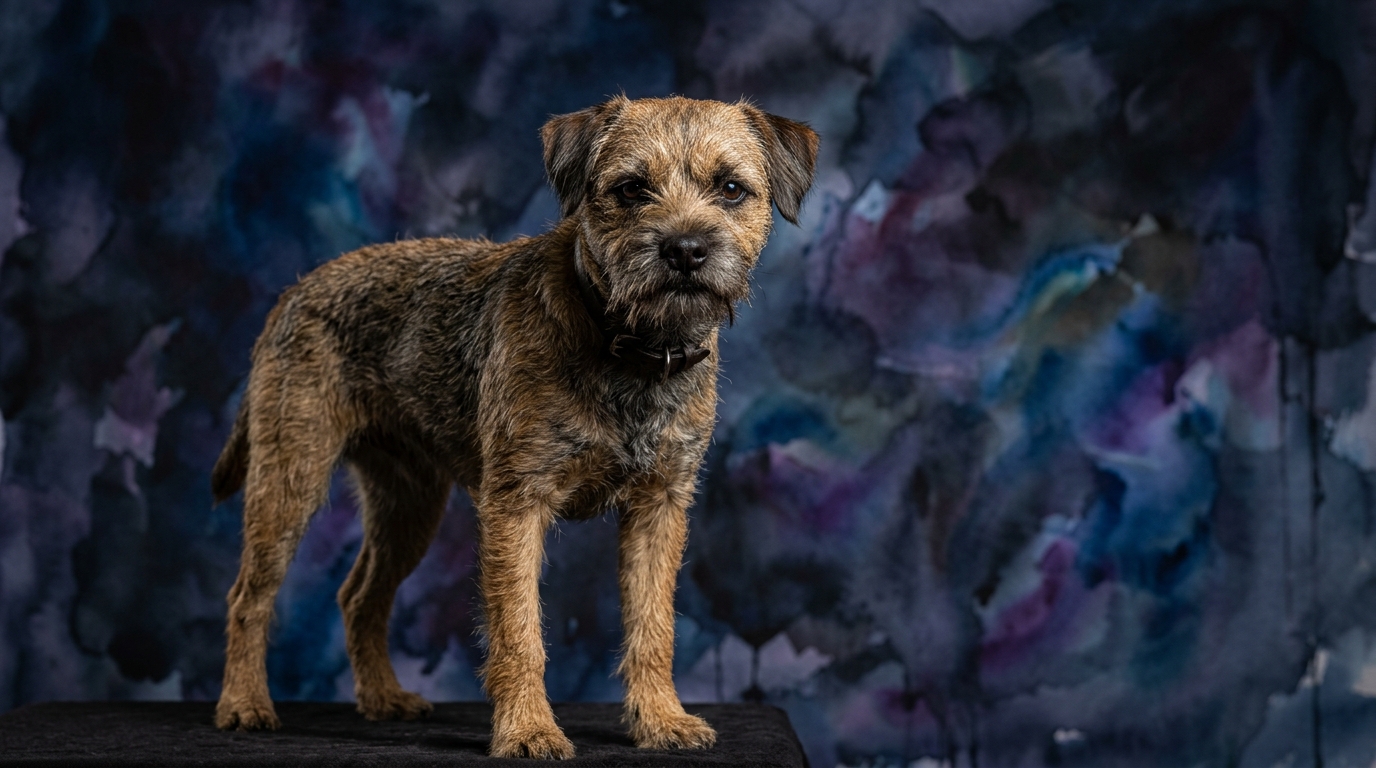
Side-by-Side IQ Profile: Boston Terrier vs. Border Terrier
To truly understand the cognitive landscape of these two breeds, The Cosmic Pet Pet IQ Lab employs a multi-dimensional approach, evaluating problem-solving, training speed, social intelligence, instinctive drive, and memory. This offers a granular view beyond simple obedience rankings.
The Boston Terrier, with a Coren rank of #54, falls into the category of 'average working/obedience intelligence.' Their problem-solving ability scores a 3 out of 5, indicating a moderate capacity for independent thought in novel situations. They often lean on their social intelligence to seek human guidance or charm their way through challenges rather than engaging in complex strategic planning. Their training speed is also 3 out of 5, meaning new cues require consistent effort and positive reinforcement, taking more repetitions to master. However, their social intelligence is a significant strength, rated 4 out of 5; Boston Terriers excel at understanding human emotions, reading social cues, and adapting their behavior to maintain harmonious interactions. Their instinctive drive is relatively low at 2 out of 5, reflecting a focus on companionship over traditional working tasks. Memory for the Boston Terrier is a solid 3 out of 5, allowing them to retain learned commands, routines, and familiar faces reliably.
In contrast, the Border Terrier holds a Coren rank of #30, placing them in the 'above-average working/obedience intelligence' category. Their problem-solving ability scores a robust 4 out of 5, showcasing a strong aptitude for tackling challenges independently with resourcefulness and persistence. Training speed is equally impressive at 4 out of 5; they pick up new commands and routines with notable swiftness, often needing fewer repetitions. Their social intelligence is 3 out of 5, indicating they form strong bonds but often approach social interactions with more independence compared to the highly human-centric Boston. The Border Terrier's instinctive drive is a moderate 3 out of 5, fueled by their heritage and manifesting as a curiosity for exploration and a noticeable prey drive. Their memory is quite strong, rated 4 out of 5, allowing them to recall complex sequences, multiple commands, and detailed routes they've used successfully in the past.
Where the Boston Terrier Wins Cognitively
The Boston Terrier shines brightest in the realm of social intelligence, scoring a notable 4 out of 5. This isn't merely about being affectionate; it's a deep-seated ability to read and respond to human emotions and social cues with remarkable precision. A Boston Terrier can often sense a shift in mood, offering comfort or initiating play at just the right moment. Their cognitive strength lies in their finely tuned understanding of their human family's social dynamics, allowing them to adapt their behavior to maintain harmony and elicit desired interactions. This means they are adept at subtle communication, using body language and vocalizations to express needs or desires in ways that are easily understood by their owners, fostering an exceptionally strong, communicative bond. They excel at 'people-pleasing' not just as a learned behavior, but as an intrinsic part of their cognitive makeup, making them superb companions who genuinely thrive on connection.
Where the Border Terrier Wins Cognitively
Conversely, the Border Terrier demonstrates superior cognitive prowess in areas directly linked to their working heritage, particularly in problem-solving and memory. With a problem-solving score of 4 out of 5, these dogs are natural strategists; they won't simply wait for a solution but actively engage with challenges, whether it's figuring out how to open a gate, retrieve a hidden toy, or navigate a complex scent trail. Their cognitive process involves trial and error, persistence, and the ability to learn from previous attempts, leading to effective, independent solutions. This resourcefulness is further supported by their robust memory, scoring 4 out of 5. A Border Terrier can recall intricate sequences, remember where they buried a prized possession weeks ago, or retain a vast array of training commands with fewer repetitions. Their training speed, also a 4 out of 5, is a direct reflection of this quick grasp and strong retention, making them efficient learners in structured environments. Furthermore, their instinctive drive, rated 3 out of 5, fuels their curiosity and provides the internal motivation to explore, hunt, and engage in tasks, which is a cognitive driver for their persistent problem-solving abilities.
Which is Easier to Train and Why
When comparing training ease, the Border Terrier generally presents a more straightforward experience for owners, primarily due to their superior training speed (4/5) and robust memory (4/5). They absorb new commands quickly, often requiring fewer repetitions to achieve mastery. This cognitive efficiency means that once a concept is understood, it's likely to be retained for the long term, making advanced training or skill-building a more fluid process. Their problem-solving acumen also plays a role; they can deduce what's expected of them more readily, even in complex scenarios. However, their moderate instinctive drive (3/5) means that while quick to learn, they can also be distracted by environmental stimuli like scents or small prey, requiring focused management.
The Boston Terrier, with its training speed (3/5) and memory (3/5), requires more patience and consistency. They learn effectively but at a slower pace, necessitating more repetitions and reinforcement. Their strength lies in their high social intelligence (4/5) and desire to please, which can make them highly motivated to cooperate with their beloved humans. While they might take longer to master a command, their social bond can make the training journey itself very rewarding and cooperative, albeit with a different cognitive approach to learning that relies more on connection than independent deduction.
Suited for Active vs. Relaxed Owners
Considering their distinct cognitive profiles, the Border Terrier is a clear choice for active owners who relish engagement and outdoor adventures. Their higher instinctive drive (3/5) combined with their strong problem-solving skills (4/5) means they thrive on mental and physical challenges, whether it's agility, earthdog trials, long hikes, or complex scent games. Owners who can provide consistent mental stimulation and outlets for their natural curiosity and drive will find a Border Terrier to be an incredibly rewarding partner. Their energy levels and need for purpose align well with a dynamic, outdoor-oriented lifestyle.
In contrast, the Boston Terrier, with its lower instinctive drive (2/5) and exceptional social intelligence (4/5), is better suited for more relaxed owners who prioritize companionship and indoor comfort. While they enjoy walks and playtime, their primary cognitive need is social interaction and being an integral part of their human family's daily life. They are content with moderate exercise and excel at being a devoted lap dog or a cheerful presence during indoor activities, making them ideal for apartment living or families seeking a less demanding, yet deeply connected, canine companion.
The Verdict
If you seek a dynamic, resourceful partner eager to engage in challenging activities and demonstrate independent problem-solving, the Border Terrier is likely your match.
Conversely, if your priority is a deeply connected, socially perceptive companion who thrives on human interaction and offers unwavering devotion in a less demanding physical setting, the Boston Terrier will undoubtedly fill your home with joy.
🧠 Find Your Pet's IQ Score
Our Pet IQ Lab assessment covers 25+ tests across 5 cognitive dimensions — personalized to your breed.
Take the Full IQ Test →Frequently Asked Questions
Are Boston Terriers good at dog sports?
Boston Terriers can participate in dog sports like obedience or rally, leveraging their desire to please and social intelligence. However, their moderate problem-solving and instinctive drive mean they might not achieve the same competitive drive or independent engagement as breeds with higher working aptitudes.
How do Border Terriers handle being left alone?
Border Terriers, with their independent problem-solving and moderate instinctive drive, can tolerate being alone for reasonable periods if adequately exercised and mentally stimulated beforehand. However, prolonged boredom can lead to inventive, and sometimes destructive, problem-solving behaviors if their cognitive needs aren't met.
Is a Border Terrier too 'busy' for a first-time dog owner?
While Border Terriers are quick learners, their energetic nature, strong problem-solving skills, and moderate prey drive require consistent training, socialization, and mental engagement. A first-time owner who is committed to providing this structure and stimulation will find them rewarding, but they are not a "set it and forget it" breed.