Side-by-Side Cognitive Profile
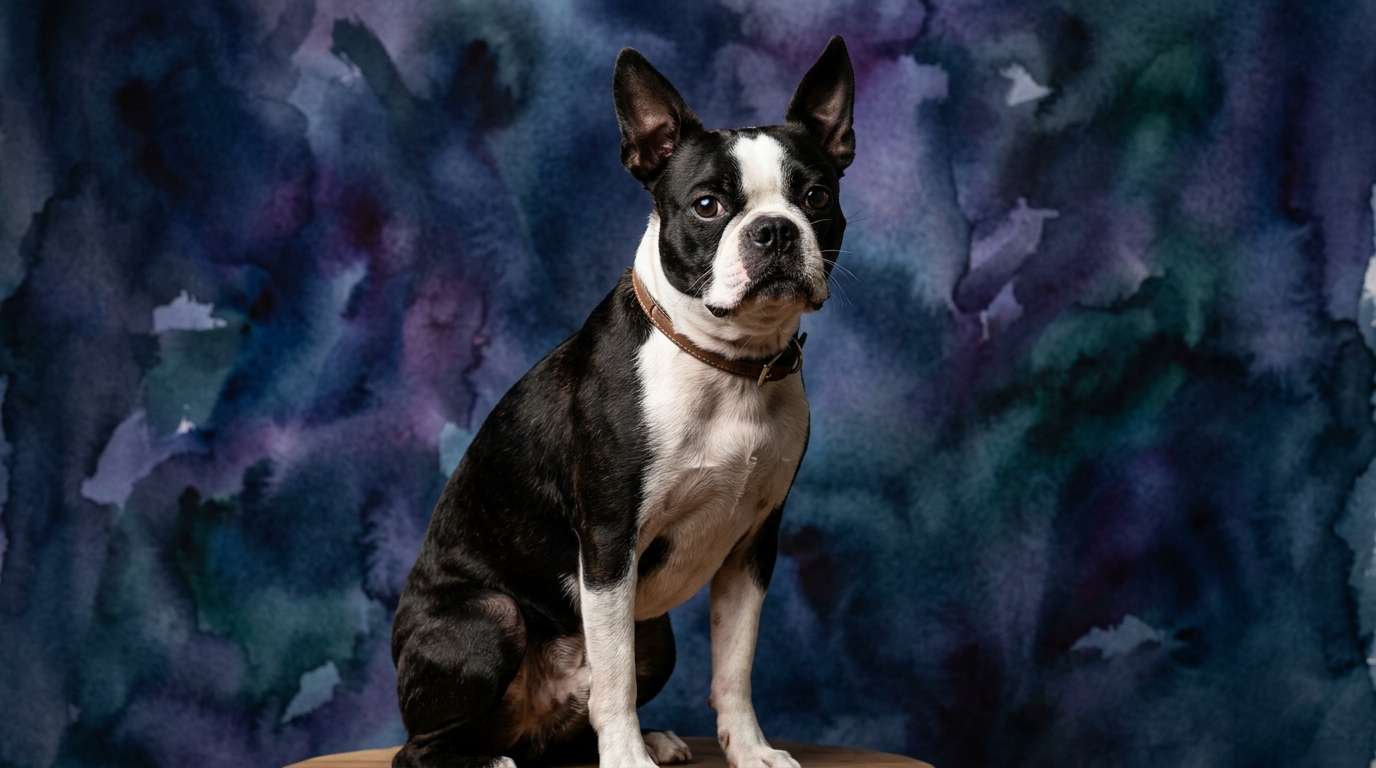
The Cosmic Pet Pet IQ Lab offers a nuanced look at canine cognition, dissecting intelligence into five key dimensions. For the Boston Terrier, ranked #54 by Coren, its profile shows problem-solving at 3/5, training speed at 3/5, social intelligence at 4/5, instinctive drive at 2/5, and memory at 3/5. This suggests a dog capable of moderate learning, with a strong inclination towards human interaction and a relatively low innate drive to hunt or work independently.
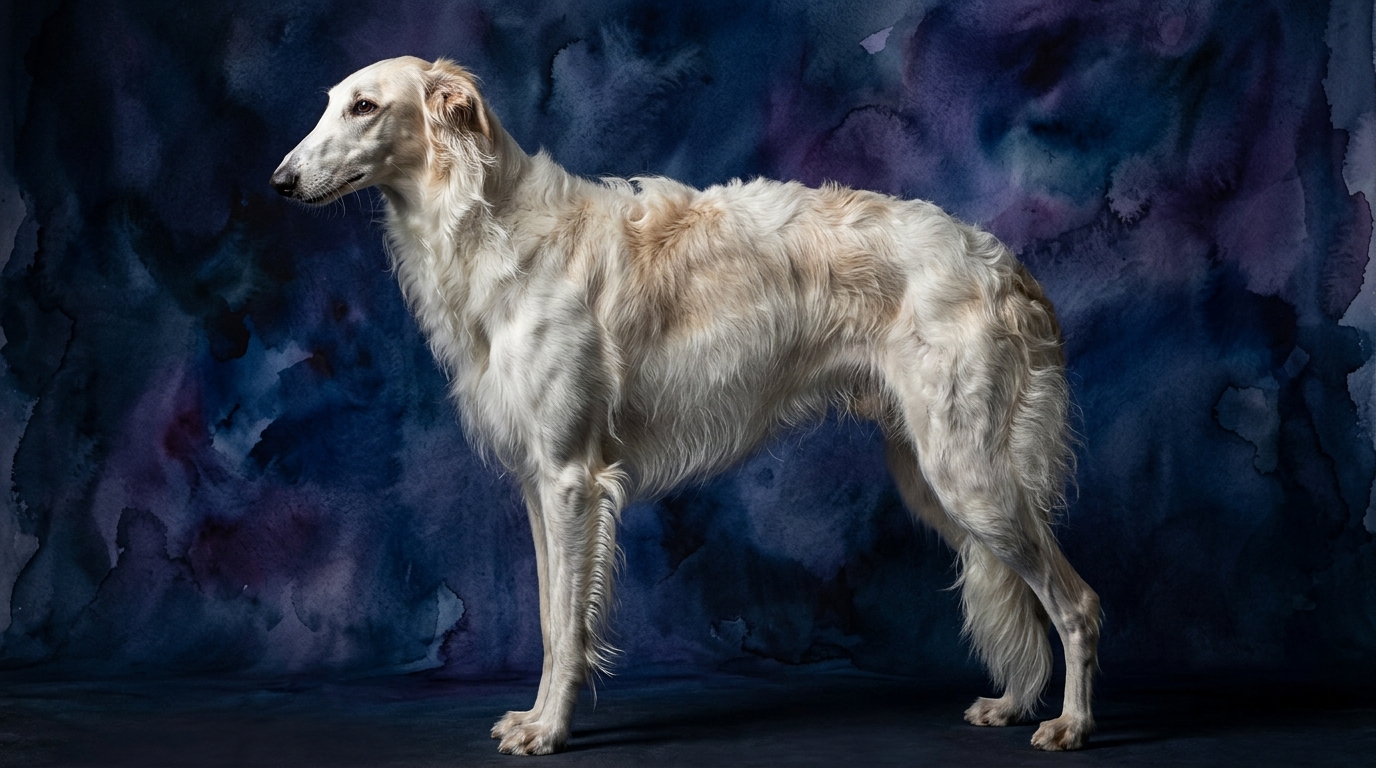
In contrast, the Borzoi, a majestic sighthound with a Coren rank of #75, presents a slightly different cognitive makeup. Its problem-solving capacity is rated 3/5, training speed also at 3/5, social intelligence at 3/5, instinctive drive at 3/5, and memory at 3/5. While sharing similar scores in core learning dimensions, the Borzoi’s higher instinctive drive and slightly lower social intelligence hint at an animal more rooted in its historical purpose, exhibiting greater independence and a focused pursuit of prey.
The Coren ranking, while a broad measure of working and obedience intelligence, doesn't always tell the whole story. Delving into these specific IQ dimensions provides a clearer picture of how each breed processes information, interacts with their environment, and responds to human guidance. These individual scores help us understand the unique cognitive strengths and challenges presented by the Boston Terrier and the Borzoi, moving beyond general perceptions of 'smartness' to appreciate their specific mental aptitudes.
Where the Boston Terrier Excels Cognitively
The Boston Terrier’s most notable cognitive advantage lies in its social intelligence, rated at a robust 4/5, surpassing the Borzoi’s 3/5. This higher social acumen translates into a profound ability to interpret human cues, moods, and intentions. A Boston Terrier is often exquisitely tuned into its family's emotional landscape, making it an exceptionally empathetic and responsive companion. This cognitive strength allows them to integrate seamlessly into diverse household dynamics, often anticipating needs or reacting appropriately to social situations without explicit commands.
Furthermore, the Boston Terrier’s lower instinctive drive, scored at 2/5 compared to the Borzoi’s 3/5, contributes to its companionability. This means they are less compelled by primal urges like chasing small animals or patrolling territory, which frees up their mental energy to focus more intently on human interaction and domestic life. Their cognitive framework prioritizes connection and engagement with their people, making them highly present and attentive members of the family. This combination of high social intelligence and reduced instinctive distraction makes them particularly adept at forming strong, reciprocal bonds and understanding complex social rules within a home environment.
Where the Borzoi Demonstrates Unique Cognitive Strengths
The Borzoi’s distinct cognitive edge is rooted in its instinctive drive, rated at 3/5, which is notably higher than the Boston Terrier’s 2/5. This isn't merely about a desire to chase; it reflects a sophisticated cognitive specialization for sighthound work. Their minds are wired for independent thought and rapid decision-making in pursuit, requiring exceptional visual acuity and spatial reasoning to track and corner fast-moving prey over open terrain. This drive is a testament to their capacity for focused, goal-oriented action, often executed with minimal human direction once a target is sighted.
While their problem-solving, training speed, and memory scores are on par with the Boston Terrier at 3/5, the Borzoi's cognitive processing is often characterized by an independent streak that stems from their hunting heritage. They are capable learners and problem-solvers, but their solutions and motivations can be intrinsically driven rather than solely focused on pleasing a handler. This independent intelligence, coupled with their refined instinctive drive, makes them highly effective at tasks requiring self-reliance and acute environmental awareness, such as navigating complex outdoor spaces or identifying subtle movements from a distance. Their cognitive strength lies in their ability to operate with a degree of autonomy, making them magnificent but distinct partners.
Training Dynamics: A Tale of Two Approaches
When it comes to training, both breeds share a similar training speed score of 3/5, indicating they are moderately receptive to learning. However, their differing social intelligence and instinctive drives create vastly different training experiences. The Boston Terrier, with its 4/5 social intelligence and 2/5 instinctive drive, tends to be more eager to please and more attuned to its owner's desires. They thrive on positive reinforcement and consistent, engaging sessions, often picking up new commands quickly because their primary motivation is interaction and approval from their human companions. Their lower prey drive means fewer distractions during training, allowing for more focused attention on the task at hand.
The Borzoi, on the other hand, while equally capable of learning (3/5 training speed), approaches training with a more independent mindset, influenced by its 3/5 instinctive drive and 3/5 social intelligence. Their sighthound heritage means they can be easily distracted by movement, and their independent nature means they may question the 'why' behind a command rather than simply complying for compliance's sake. Training a Borzoi often requires more patience, creativity, and a deep understanding of their sighthound instincts. Motivation might need to be higher value, and sessions shorter and more varied to maintain their interest. While they form strong bonds, their cognitive wiring encourages them to think for themselves, which can present a unique challenge for handlers accustomed to more biddable breeds.
Matching Canine Cognition to Lifestyle: Active vs. Relaxed Owners
Understanding these cognitive profiles helps in matching a breed to an owner's lifestyle. The Boston Terrier, with its high social intelligence and lower instinctive drive, is remarkably adaptable. They can thrive with owners who enjoy moderate activity, such as daily walks and interactive play, but are equally content to curl up on the sofa for extended periods. Their cognitive need for social engagement makes them excellent companions for relaxed owners who spend a lot of time at home and value a dog that is consistently present and involved in family activities. They require consistent mental stimulation through training and play, but their energy is typically channeled into human-centric interactions rather than independent exploration or intense physical output.
The Borzoi, despite their calm demeanor indoors, is fundamentally a sighthound with a significant instinctive drive. They require regular opportunities to run at full speed in a securely fenced area to satisfy their physical and cognitive needs for chasing and exploration. This makes them suitable for active owners who understand the unique requirements of a sighthound and can provide safe outlets for their innate drives. While they can be wonderfully serene indoors, a Borzoi's mental well-being depends on fulfilling their cognitive need for bursts of intense physical activity. Owners who appreciate their independent thought process and are prepared to manage their powerful prey drive in outdoor environments will find the Borzoi a rewarding, albeit distinctive, companion.
The Verdict
Choose the Boston Terrier if you seek a highly socially intelligent, adaptable companion who thrives on close human interaction and fits seamlessly into varied domestic routines.
Opt for the Borzoi if you appreciate independent thought, graceful athleticism, and are prepared to manage a sighthound's unique drives with patience and understanding, providing ample space for their innate need to run.
🧠 Find Your Pet's IQ Score
Our Pet IQ Lab assessment covers 25+ tests across 5 cognitive dimensions — personalized to your breed.
Take the Full IQ Test →Frequently Asked Questions
Are Boston Terriers good at learning new tricks?
Yes, with a training speed of 3/5 and strong social intelligence, Boston Terriers are generally receptive to learning new tricks, especially when training is engaging and reward-based. Their desire to please their human companions aids this process significantly.
How does a Borzoi's instinctive drive manifest?
A Borzoi's instinctive drive, rated 3/5, primarily manifests as a strong prey drive, making them prone to chasing small, fast-moving objects. This sighthound trait requires secure outdoor spaces and consistent recall training to manage effectively.
Which breed is better for a first-time dog owner?
The Boston Terrier, with its higher social intelligence and lower instinctive drive, often presents fewer challenges for a first-time owner. Their eagerness to bond and adapt makes their cognitive needs more straightforward to meet compared to the Borzoi's independent nature.