Side-by-Side Cognitive Profiles
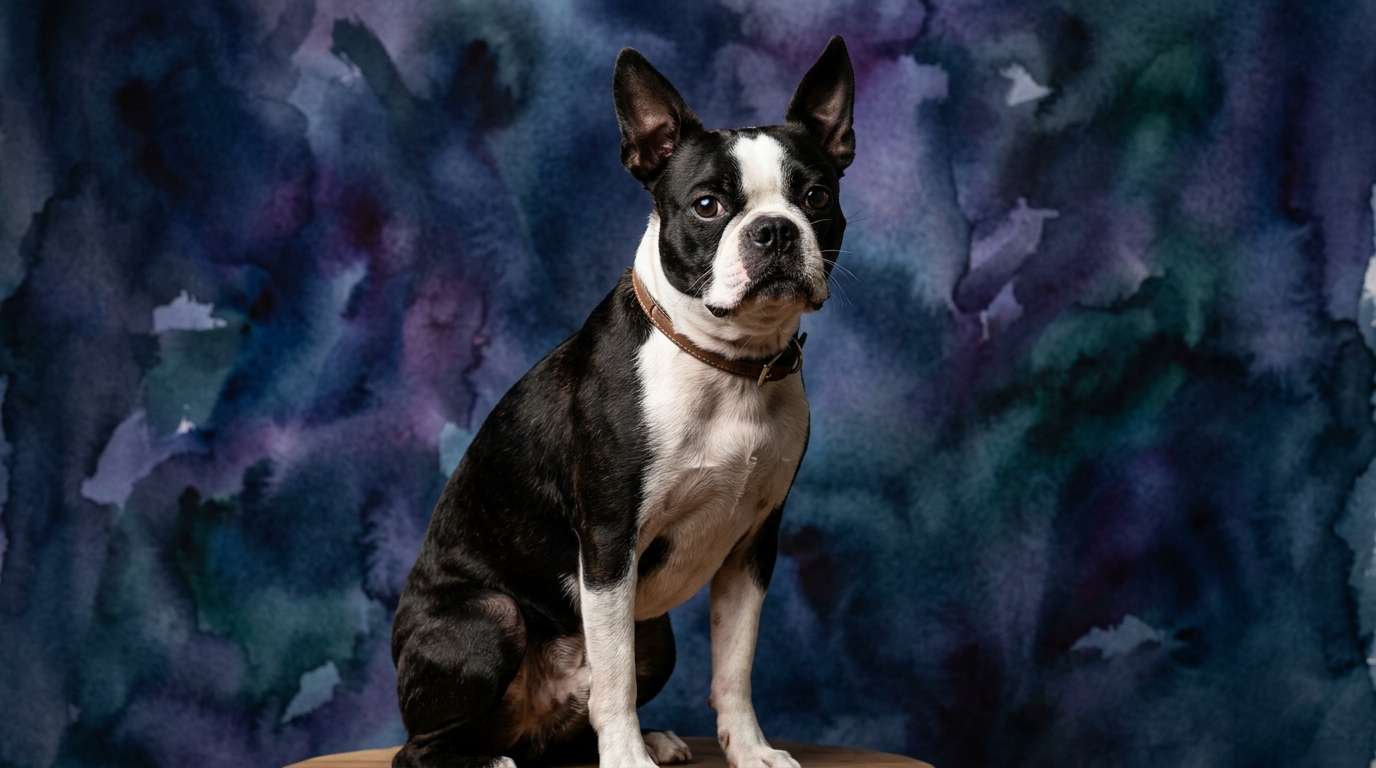
The Boston Terrier, a member of the Non-Sporting Group and ranked #54 by Coren, showcases a cognitive profile geared towards companionship and interaction. Their Problem Solving score of 3/5 indicates an aptitude for navigating moderate environmental challenges, often through observation and learned associations rather than brute force. When it comes to Training Speed, also rated 3/5, they learn new commands and routines at a steady pace, thriving on positive reinforcement and consistent methods.
This breed truly shines in Social Intelligence, scoring a notable 4/5, demonstrating a keen awareness of human emotions and a strong desire to engage with their family. Their Instinctive Drive sits at a modest 2/5, reflecting their evolution away from traditional working roles; their primary 'job' is often being a devoted companion, showing little inclination for pursuits like hunting or extensive scent work. Finally, their Memory, at 3/5, is solid, allowing them to retain commands and routines effectively, though consistent reinforcement helps solidify their learning. This combination paints a picture of a dog that is receptive, socially aware, and capable of learning, making them a delightful presence in a home.
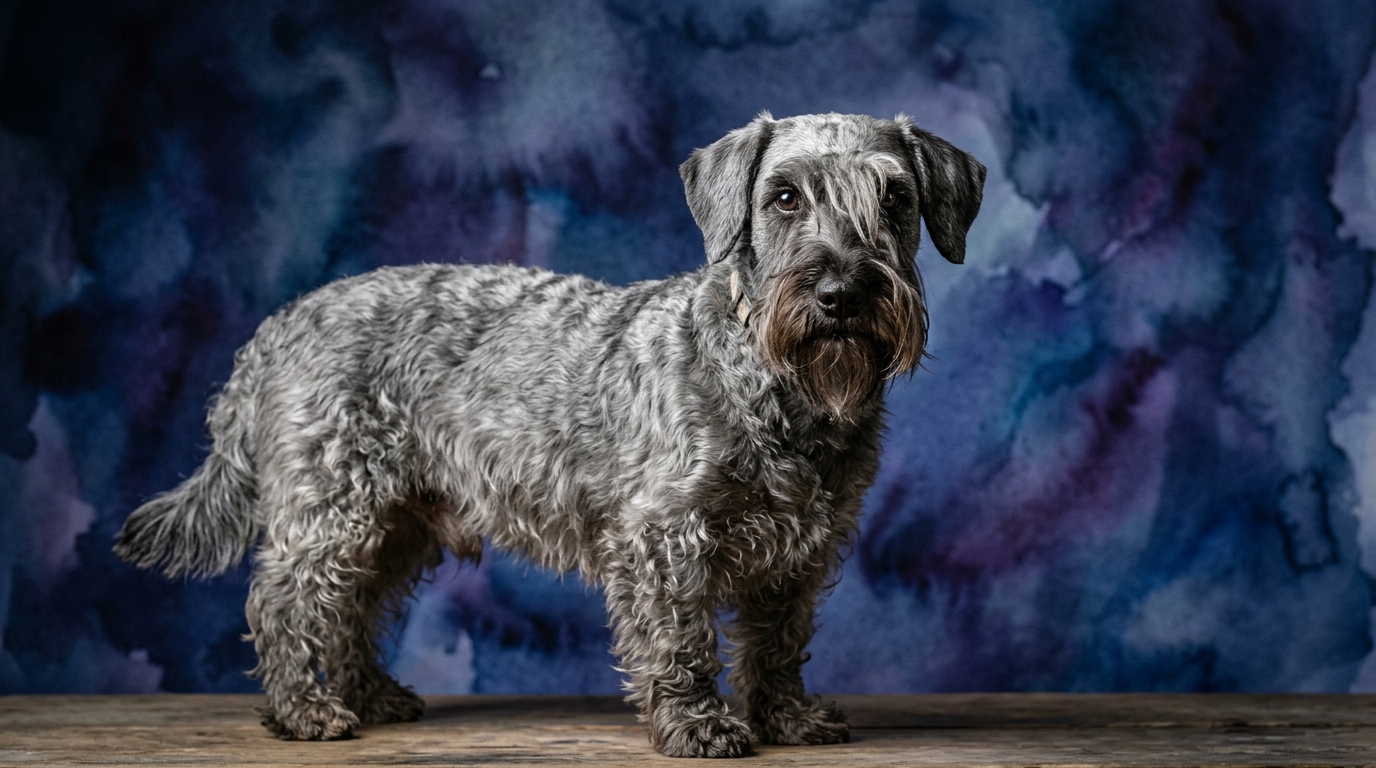
In contrast, the Cesky Terrier, a dedicated member of the Terrier Group without a specific Coren ranking, presents a cognitive makeup rooted in its earthdog heritage. Their Problem Solving ability matches the Boston at 3/5, but this often manifests as independent thought and tenacity when faced with obstacles, particularly if those obstacles relate to their natural instincts. Their Training Speed also rates 3/5, meaning they learn efficiently, but their terrier nature might require more engaging and varied training approaches to maintain focus and overcome occasional wilfulness.
The Cesky's Social Intelligence is rated 3/5; they form deep bonds with their primary family but can be more reserved or discerning when encountering new people or situations, preferring to assess before engaging fully. A key differentiator is their Instinctive Drive, which is a moderate 3/5. This score reflects a natural inclination for activities like digging, chasing, and scent work, harkening back to their origins as efficient vermin hunters. Their Memory, like the Boston's, is a competent 3/5, allowing them to recall learned tasks and navigate their environment with confidence.
Where the Boston Terrier Excels Cognitively
The Boston Terrier's standout cognitive strength lies in its exceptional Social Intelligence, scoring a 4/5 compared to the Cesky's 3/5. This translates into a dog that is remarkably attuned to human emotions and social dynamics within a household. A Boston Terrier is more likely to pick up on subtle cues from its owner, adjust its behavior based on the mood of the room, and actively seek out harmonious interaction. They often display a natural empathy, seemingly understanding when comfort or quiet companionship is needed, making them highly responsive social partners.
Furthermore, the Boston's lower Instinctive Drive (2/5 vs. Cesky's 3/5) can be a cognitive advantage in a domestic setting. This means less internal compulsion to chase small animals, dig extensively, or follow strong scents, leading to fewer instinct-driven 'distractions' during training or daily life. Their cognitive energy is less consumed by primal urges, allowing for a more focused engagement with human-centric activities and a generally calmer disposition indoors, making them less prone to independent, instinctual decision-making that might conflict with household rules.
Where the Cesky Terrier Shows Unique Cognitive Strengths
While both breeds share a 3/5 in Problem Solving, the Cesky Terrier's approach to these challenges often reflects a distinct, tenacious independence, a hallmark of its terrier heritage. This isn't about raw processing power being superior, but rather a cognitive style that involves persistent, self-directed efforts to overcome obstacles, especially those related to their environmental exploration or perceived 'tasks.' They are less likely to wait for human guidance and more inclined to figure things out through trial and error, driven by their inherent curiosity and resolve.
The Cesky's moderate Instinctive Drive (3/5 vs. Boston's 2/5) also represents a cognitive 'win' for owners who appreciate a dog with a clear sense of purpose and engagement with its environment. This drive translates into a heightened awareness of scents, movements, and potential 'prey,' providing a rich internal world and a motivation for specific types of activities. While it requires management, this cognitive trait makes them excellent candidates for scent work, earthdog trials, or any activity that taps into their natural drive to explore and 'hunt,' offering a different kind of mental stimulation than purely social interaction.
Training Aptitude: Which is Easier to Guide?
Assessing which breed is 'easier' to train requires a nuanced understanding of their cognitive profiles, as both score 3/5 in Training Speed. The Boston Terrier, with its higher Social Intelligence (4/5) and lower Instinctive Drive (2/5), often presents as more amenable to training. Their strong desire to please and their attentiveness to human cues mean they are generally eager to cooperate and respond well to positive reinforcement. They are less likely to become distracted by environmental stimuli or their own internal drives, making initial command learning and house manners relatively straightforward. Their primary motivation often stems from the joy of interaction and the desire to maintain social harmony.
The Cesky Terrier, while equally capable of learning with a 3/5 Training Speed, can present different training challenges due to its more independent problem-solving approach and moderate Instinctive Drive (3/5). Their terrier tenacity means they might question commands or seek to accomplish tasks in their own preferred manner if it aligns with their instincts. Training a Cesky often requires more creativity, patience, and engaging methods to hold their interest and channel their natural drives constructively. While they form strong bonds, their motivation isn't solely rooted in pleasing; it's also about satisfying their own innate curiosity and drive, which can lead to moments of wilfulness if not managed with consistent, positive leadership.
Matching Breeds to Owner Lifestyles
Considering their cognitive makeup, the Boston Terrier generally aligns well with more relaxed owners or those seeking a highly adaptable companion. Their lower Instinctive Drive (2/5) means they are content with moderate daily exercise and thrive on social interaction within the home. They are less prone to creating their own 'jobs' through digging or chasing, making them ideal for apartment living or households where the primary activity is shared companionship rather than intense outdoor pursuits. Their high Social Intelligence ensures they are happy to simply be near their people, observing and participating in a calm, integrated manner.
The Cesky Terrier, with its moderate Instinctive Drive (3/5) and independent problem-solving, is better suited for owners who are active and enjoy engaging in focused activities. While not requiring marathon runs, they benefit significantly from regular opportunities to use their nose, explore safe outdoor environments, and engage in structured play that taps into their terrier instincts. Owners who enjoy dog sports like earthdog trials, obedience, or even advanced trick training will find the Cesky's cognitive drive and tenacity rewarding. A Cesky thrives when given a 'purpose' and the mental stimulation to match its intelligent and determined nature, making them less suited for purely sedentary lifestyles.
The Verdict
Choose the Boston Terrier if you prioritize a highly socially intelligent companion who thrives on human interaction, adapts easily to domestic life, and has a lower propensity for instinct-driven behaviors. They are perfect for those seeking a devoted, emotionally perceptive friend.
Opt for the Cesky Terrier if you appreciate an independent problem-solver with a moderate instinctive drive, suitable for engaging in structured activities that challenge their terrier spirit. They excel with active owners who can channel their tenacity and curiosity.
🧠 Find Your Pet's IQ Score
Our Pet IQ Lab assessment covers 25+ tests across 5 cognitive dimensions — personalized to your breed.
Take the Full IQ Test →Frequently Asked Questions
Do Boston Terriers get along with other pets?
Boston Terriers, with their high social intelligence, generally adapt well to living with other pets, including other dogs and cats, especially if introduced thoughtfully. Their tendency towards harmonious interaction makes them good candidates for multi-pet households, though individual personalities always play a role.
Are Cesky Terriers good with children?
Cesky Terriers can be good with children, particularly those who respect their space and understand how to interact gently. Their social intelligence of 3/5 means they form strong family bonds, but supervision is key, especially with younger children, to ensure positive interactions for both dog and child.
How much exercise do these breeds need?
Boston Terriers require moderate daily exercise, typically a few short walks and indoor play, aligning with their lower instinctive drive. Cesky Terriers, with their moderate instinctive drive, benefit from more engaging exercise, including longer walks, opportunities for scent work, or structured play that allows them to explore and satisfy their natural terrier instincts.