Side-by-Side IQ Profile: Boston Terrier vs. Cirneco dell'Etna
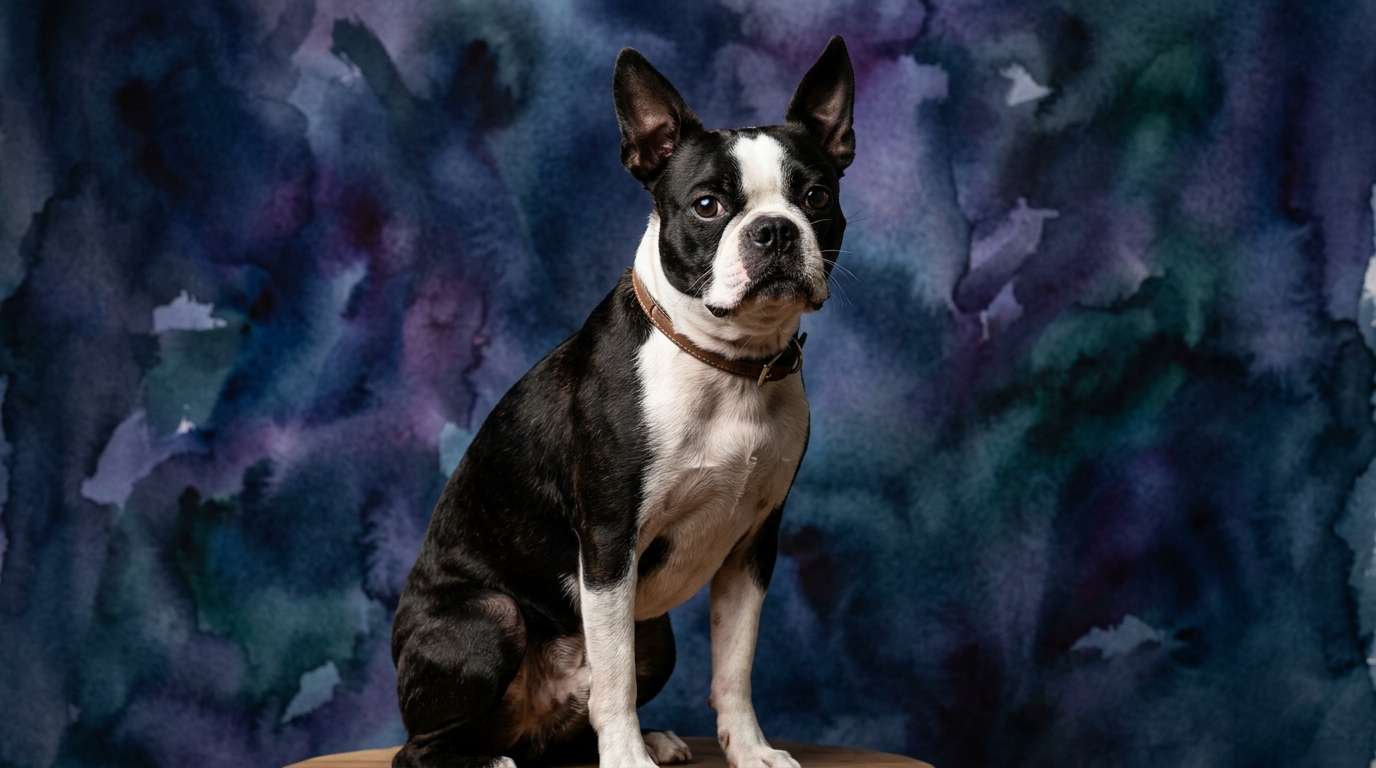
The Boston Terrier, a Non-Sporting breed ranked 54 by Coren, presents a cognitive profile geared towards companionship and domestic harmony. In problem-solving, they score 3/5, adept at navigating everyday domestic challenges, often using observation to figure out how to get what they want, like opening a treat cabinet. Their solutions tend to be practical and direct, focused on immediate gratification or comfort.
Their training speed is also 3/5; they pick up new commands at a moderate pace, responding well to consistent, positive reinforcement. Repetition with engaging rewards, especially food or praise, helps cement learning and encourages compliance. Where they truly shine is social intelligence, with a 4/5 rating, possessing a remarkable capacity to understand human emotions and social cues, forming deep bonds and often anticipating their owners' needs or moods. This makes them exceptionally empathetic and responsive companions. Their instinctive drive is relatively low at 2/5, meaning their primary motivation often revolves around companionship rather than ancestral working roles. Finally, their memory is solid at 3/5, exhibiting a robust ability to recall routines, learned commands, and familiar faces effectively over time.
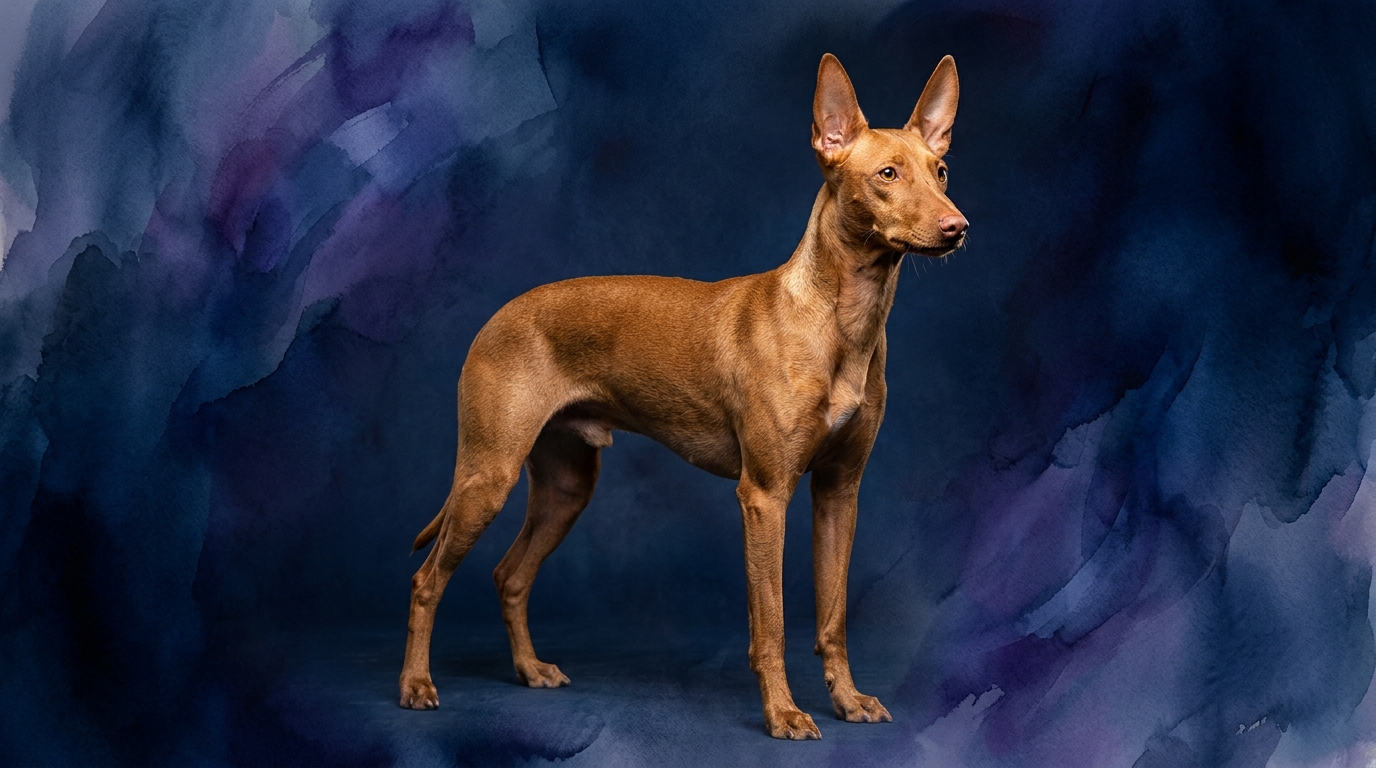
The Cirneco dell'Etna, a Hound breed not Coren-ranked, showcases a cognitive makeup rooted in its sighthound heritage. Like the Boston Terrier, their problem-solving ability scores 3/5; these hounds approach challenges with a blend of independent thought and environmental assessment, devising clever ways to achieve goals, particularly if it involves reaching something interesting or exploring a new space. Their training speed is also 3/5; Cirnechi learn new commands at a steady rate, but their independent nature means training benefits from clear instructions and highly motivating rewards, with patience and variety in sessions being key.
Their social intelligence is 3/5; while affectionate with their families, Cirnechi exhibit a more reserved social intelligence compared to some companion breeds, understanding social dynamics within their pack and human family but not always being overtly people-pleasing. A moderate instinctive drive, rated at 3/5, is a hallmark of the breed, reflecting their heritage with a keen predatory focus and an innate desire to detect and pursue fast-moving objects, a trait deeply embedded in their cognitive makeup for millennia. Their memory, like the Boston Terrier, is 3/5, robust for learned behaviors, routes, and people, crucial for recalling commands even though their sighthound focus can sometimes momentarily override immediate compliance.
Where the Boston Terrier Wins Cognitively
The Boston Terrier distinguishes itself most notably in the realm of social intelligence, scoring a commendable 4 out of 5. This elevated capacity allows them to navigate human social landscapes with exceptional grace, often displaying an uncanny ability to read emotional cues and respond with comforting presence or playful antics. Owners frequently report their Boston Terriers seeming to "understand" their feelings, offering a gentle nudge or a quiet cuddle precisely when needed, fostering a profound bond.
Another significant cognitive advantage for the Boston Terrier lies in their comparatively lower instinctive drive, rated at 2 out of 5. Unlike breeds with strong working instincts, Boston Terriers are generally less compelled by an innate urge to hunt, herd, or guard. This reduced intrinsic drive means they are often less prone to behaviors stemming from deep-seated ancestral roles, such as relentless chasing of squirrels, contributing to their adaptability as urban companions and their generally more settled indoor demeanor.
Where the Cirneco dell'Etna Wins Cognitively
The Cirneco dell'Etna, a breed with ancient roots as a rabbit hunter, possesses a distinctive cognitive strength in its instinctive drive, rated at 3 out of 5. This moderate, yet potent, drive is a direct reflection of their heritage, endowing them with a keen predatory focus and an innate ability to detect and pursue fast-moving objects. Their cognitive processes are finely tuned to observation, quick reaction, and sustained chase, making them incredibly effective at their original purpose.
While problem-solving, training speed, and memory scores are evenly matched between the two breeds at 3/5, the Cirneco's specific application of these mental tools often leans into their independent, sighthound nature. Their problem-solving might manifest as finding the most efficient path to an interesting scent or figuring out how to bypass an obstacle to gain a better view. This breed's cognition is subtly, yet distinctly, shaped by its history of independent work, giving them a self-reliant problem-solving approach.
Which is Easier to Train, and Why?
When evaluating ease of training, the Boston Terrier generally holds a slight edge, primarily due to their higher social intelligence and lower instinctive drive, despite both breeds sharing a 3/5 rating for training speed. Boston Terriers are typically more motivated by pleasing their human companions and thrive on positive interaction. Their superior ability to interpret human cues means they often grasp what is being asked of them more readily, responding to commands and body language with enthusiasm.
In contrast, the Cirneco dell'Etna's training journey, while equally capable of success, often requires a more nuanced approach. Their moderate instinctive drive, particularly a strong prey drive, means they can be more easily diverted by environmental stimuli. Their independent sighthound nature means they are not inherently driven to 'please' in the same way; they often need personal motivation in the reward. Consistent, engaging, and patient training, perhaps with high-value treats, is essential to keep a Cirneco engaged and compliant.
Which Suits Active Owners vs. Relaxed Owners?
For owners seeking a more relaxed pace of life, the Boston Terrier is often an ideal fit. Their lower instinctive drive and strong social intelligence mean they are typically content with moderate daily exercise, such as walks or indoor play, and thrive on being an integrated part of family activities. They are happy to curl up on the couch, observing the household goings-on, and their cognitive strengths are best appreciated in an environment that values close companionship and gentle interaction.
Conversely, the Cirneco dell'Etna is better suited for active owners who appreciate and can accommodate a dog with a moderate, natural drive for movement and exploration. Their sighthound heritage means they genuinely enjoy opportunities to run, chase, and explore safely, ideally in a fenced area where their speed and instinctive drive can be safely expressed. Owners who enjoy hiking, running, or engaging in dog sports will find a Cirneco a willing and capable partner, appreciating a companion whose cognitive and physical faculties are stimulated by outdoor adventures.
The Verdict
Choose a Boston Terrier if you prioritize a deeply socially intelligent companion who excels at emotional attunement and thrives on close human interaction, fitting seamlessly into a relaxed home environment.
Opt for a Cirneco dell'Etna if you appreciate a dog with an independent spirit and a moderate instinctive drive, perfect for an active owner who can provide outlets for their natural athleticism and curiosity.
🧠 Find Your Pet's IQ Score
Our Pet IQ Lab assessment covers 25+ tests across 5 cognitive dimensions — personalized to your breed.
Take the Full IQ Test →Frequently Asked Questions
Do Boston Terriers get along with other pets?
Boston Terriers, with their strong social intelligence, generally adapt well to living with other pets, especially when introduced properly. Their lower instinctive drive means they are less likely to view smaller animals as prey, often fostering harmonious multi-pet households.
Is the Cirneco dell'Etna a good choice for first-time dog owners?
The Cirneco dell'Etna can be a rewarding choice for first-time owners who are prepared for their independent nature and moderate exercise needs. Their intelligence and affectionate nature make them wonderful companions, but consistency in training and management of their sighthound instincts are key.
How do these breeds handle being left alone?
Boston Terriers, due to their high social intelligence and desire for companionship, can be prone to separation anxiety if left alone for extended periods. Cirnechi, with their more independent streak, may tolerate solitude a bit better, but still require proper mental and physical stimulation to prevent boredom.