Side-by-Side IQ Profile: Boston Terrier vs. Puli
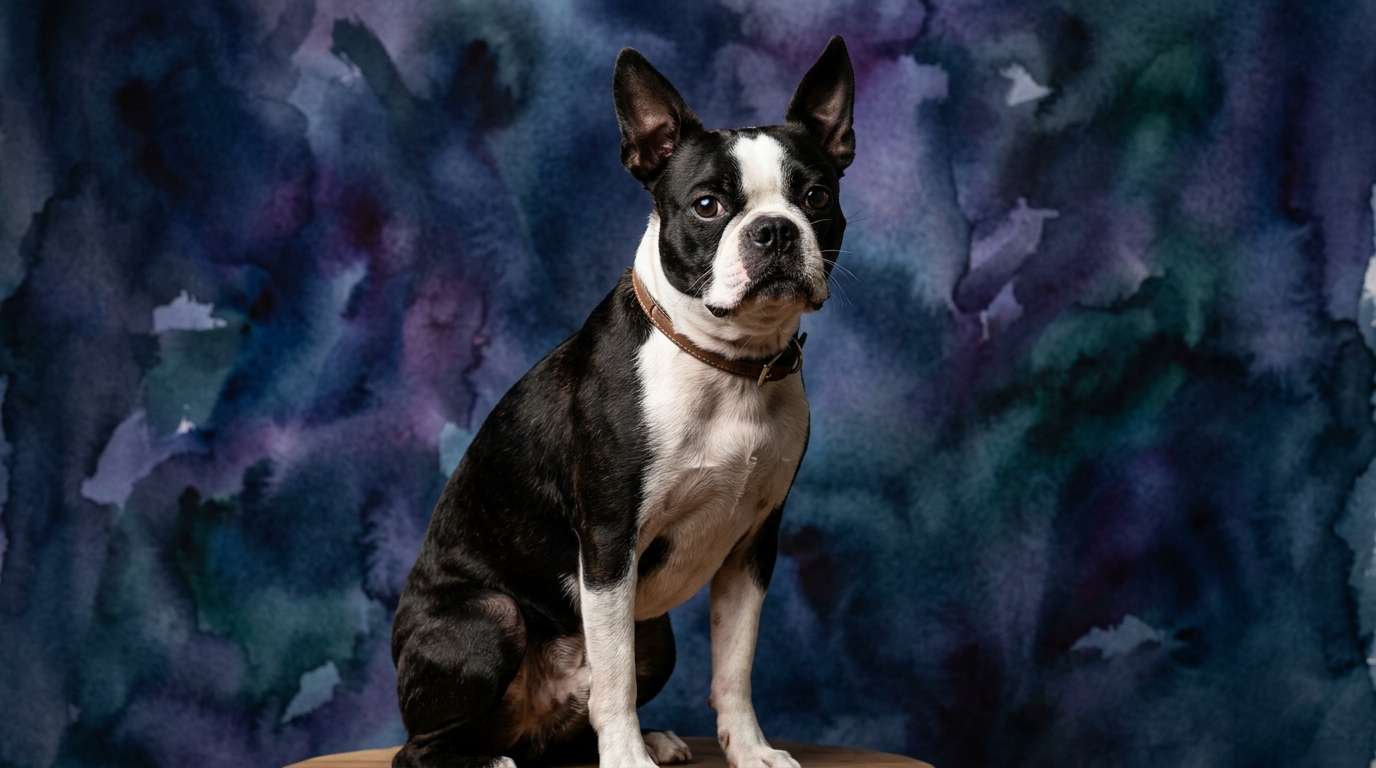
The Boston Terrier, a member of the Non-Sporting Group, holds a Coren rank of #54, indicating a respectable capacity for learning and adaptation. Its cognitive profile includes a Problem Solving score of 3/5, suggesting a moderate ability to independently figure out novel challenges or navigate complex environments. For Training Speed, it also scores 3/5, meaning it typically grasps new commands and routines at a steady, average pace. Where the Boston Terrier truly shines is its Social Intelligence, earning a high 4/5, reflecting a deep attunement to human emotions, subtle cues, and social dynamics. Its Instinctive Drive is a lower 2/5, indicating less inherent compulsion towards specific breed-typical tasks like hunting or herding, making it a more adaptable companion. Finally, its Memory score of 3/5 points to a solid, but not exceptional, capacity to retain learned information and experiences.
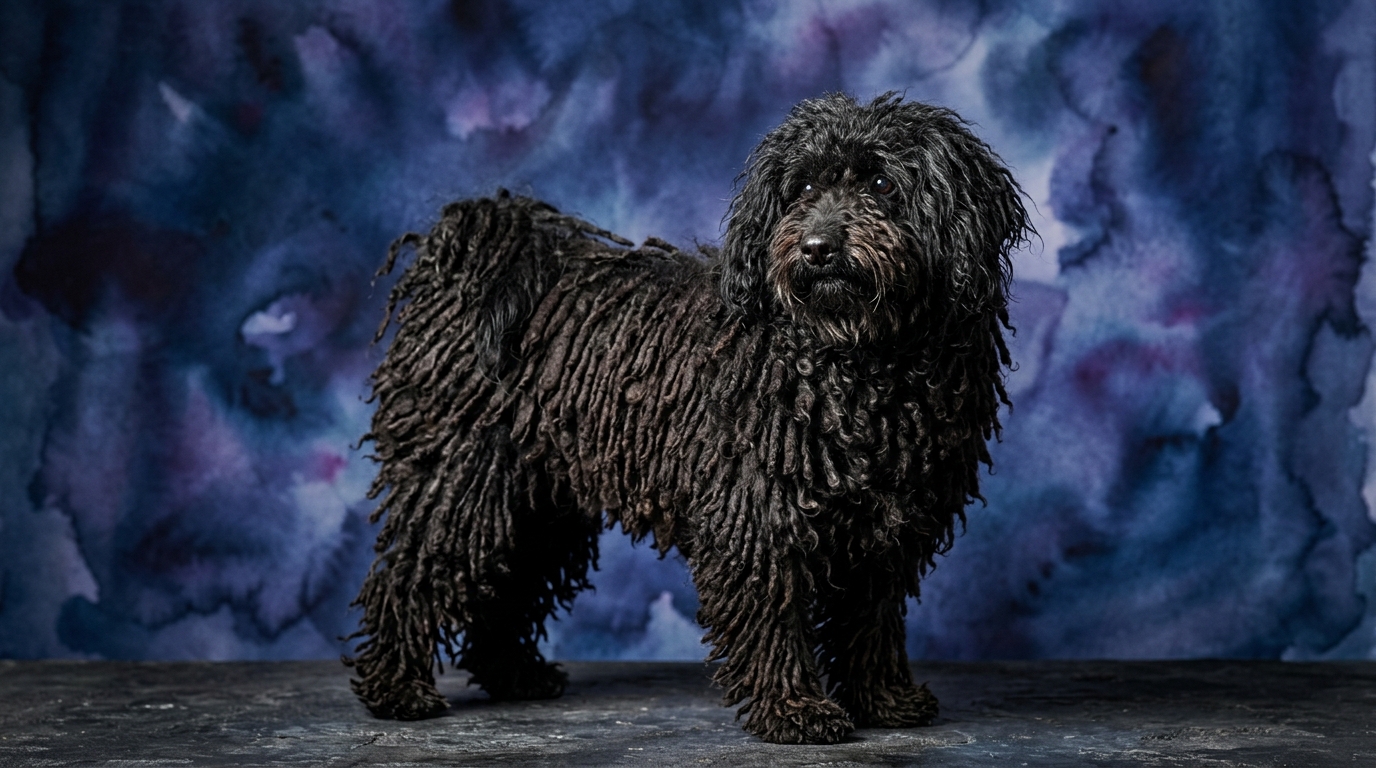
In contrast, the Puli, a Herding Group dog, boasts a significantly higher Coren rank of #25, placing it among breeds recognized for superior working intelligence. Its Problem Solving ability is rated at an impressive 4/5, demonstrating a strong aptitude for independent thought, strategic thinking, and overcoming obstacles. The Puli's Training Speed also scores 4/5, indicating a quick uptake of new commands and complex sequences, often requiring fewer repetitions to master. While its Social Intelligence is a solid 3/5, it suggests a more task-oriented connection to humans compared to the Boston Terrier's innate companionship. Its Instinctive Drive is a moderate 3/5, reflecting a natural inclination towards its herding roots, requiring outlets for this innate energy. The Puli's Memory is rated 4/5, signifying an excellent capacity for long-term retention of training, routines, and experiences.
Where the Boston Terrier Excels Cognitively
The Boston Terrier's primary cognitive strength lies in its exceptional Social Intelligence, scoring a 4/5. This means it possesses a remarkable ability to read and respond to human emotions, making it profoundly empathetic and intuitive in social interactions. This breed often understands unspoken cues, anticipating its owner's moods or desires with surprising accuracy, forging deep emotional bonds. This high social acumen translates into a dog that integrates seamlessly into family life, adapting its behavior to the household's rhythm and emotional climate, often acting as a comforting and understanding presence.
Furthermore, its lower Instinctive Drive of 2/5, while not a 'win' in terms of raw working capacity, is a significant cognitive advantage for certain lifestyles. It means the Boston Terrier is generally less preoccupied with innate urges like chasing, guarding, or herding, and consequently, less prone to behaviors stemming from those drives if not properly channeled. This cognitive trait makes them remarkably adaptable to urban living, apartment life, or households where intense physical or mental 'work' is not a daily requirement. They are often content simply being present with their humans, requiring less specific environmental enrichment to satisfy deep-seated urges, which simplifies their management for many owners.
Where the Puli Demonstrates Superiority
The Puli’s cognitive profile clearly indicates a breed built for complex tasks and independent thought. Its Problem Solving score of 4/5 is a significant advantage, showcasing a dog that isn't just reactive but proactively engages with its environment to achieve goals. This manifests as a Puli’s ability to strategize, whether it's figuring out how to open a gate, navigate a new agility course, or outsmart a flock of sheep. They are thinkers, often experimenting with different approaches until they find a solution, which can be both impressive and, at times, mischievous.
Complementing its problem-solving prowess are its high Training Speed (4/5) and Memory (4/5). These traits combine to create a dog that learns quickly and retains information for extended periods, making it highly proficient in advanced obedience, dog sports, or complex working roles. A Puli can master a wide repertoire of commands and routines with fewer repetitions than many other breeds, and once learned, these skills are deeply ingrained. This superior learning and retention capacity, combined with its Coren rank of #25, solidifies the Puli's position as a highly capable and versatile canine intellect, eager to engage in mentally stimulating activities and demonstrate its acquired knowledge.
Which is Easier to Train and Why?
Assessing ease of training requires looking beyond just raw intelligence to behavioral predispositions. The Puli, with its 4/5 scores in both Training Speed and Problem Solving, generally learns new commands and complex tasks more rapidly. Their herding heritage instills a desire to work alongside a handler and respond to cues, making them receptive to structured training. However, their independent problem-solving nature means they can sometimes be strong-willed, challenging a command if they perceive a more efficient way to achieve a goal. Consistent, engaging training that respects their intelligence and provides a clear purpose will yield the best results, as they thrive on mental challenges and a sense of accomplishment.
The Boston Terrier, with moderate scores of 3/5 in Training Speed and Problem Solving, might take a bit longer to grasp new concepts compared to the Puli. Yet, their outstanding Social Intelligence (4/5) often makes them highly motivated to please their human companions. They are acutely aware of human reactions and derive significant satisfaction from positive reinforcement and social connection. This eagerness to please can compensate for a slightly slower learning speed, making them relatively cooperative if training is kept positive, engaging, and focused on building a bond. Their lower instinctive drive also means fewer distractions from innate urges, allowing them to focus more intently on their handler during training sessions, provided the environment is not overly stimulating.
Which Suits Active Owners vs. Relaxed Owners?
For owners seeking a highly active and mentally engaged canine partner, the Puli is an excellent match. Its higher Instinctive Drive (3/5), coupled with superior Problem Solving (4/5) and Memory (4/5), means this breed thrives on consistent mental and physical stimulation. Pulis require regular, vigorous exercise that goes beyond a simple walk; they excel in dog sports like agility, herding trials, or advanced obedience, where their intelligence and athleticism can be fully utilized. Owners who enjoy structured activities, engage in outdoor adventures, or are prepared to provide daily 'work' for their dog will find the Puli a rewarding and dedicated companion. A Puli without sufficient outlets for its cognitive and physical energy can become bored and potentially destructive, using its problem-solving skills in ways that might not align with household rules.
Conversely, the Boston Terrier is generally better suited for relaxed or moderately active owners. Its lower Instinctive Drive (2/5) means it doesn't possess the same intense need for a 'job' or constant strenuous activity. While they enjoy playtime and daily walks, they are often content with moderate exercise and thrive on companionship within the home. Their high Social Intelligence (4/5) makes them excellent companions for apartment dwellers or those with a more leisurely lifestyle, as their primary satisfaction comes from being close to their human family. They adapt well to varying levels of activity, making them a flexible choice for owners who appreciate a dog that can transition from an energetic play session to a quiet cuddle on the couch with ease.
The Verdict
Choose the Boston Terrier if you prioritize a deeply empathetic, socially astute companion that adapts easily to varied home environments and thrives on close human connection, requiring moderate physical and mental engagement.
Opt for the Puli if you are an active individual or family seeking a quick-witted, independent, and highly capable partner for advanced training, dog sports, or a lifestyle that provides consistent mental challenges and opportunities for its strong working drive.
🧠 Find Your Pet's IQ Score
Our Pet IQ Lab assessment covers 25+ tests across 5 cognitive dimensions — personalized to your breed.
Take the Full IQ Test →Frequently Asked Questions
Are Boston Terriers good at dog sports?
Boston Terriers can certainly participate in dog sports like agility or obedience, especially given their high social intelligence and eagerness to please. While their moderate instinctive drive might not make them naturally driven competitors, their bond with their owner can be a strong motivator for success and enjoyment.
Do Pulis require a lot of grooming?
Yes, Pulis are known for their distinctive corded coats, which require significant grooming to maintain. While they don't shed much, their cords need regular separation and care to prevent matting and ensure proper hygiene, a commitment that owners should be prepared for.
Which breed is better with children?
Both breeds can be good with children, but their approaches differ. Boston Terriers, with their high social intelligence, are often very patient and attuned to family dynamics, making them gentle companions. Pulis, being intelligent and somewhat independent, can be protective and playful but may require more supervision with very young children due to their herding instincts and potential for boisterous play.