Side-by-Side Cognitive Profiles
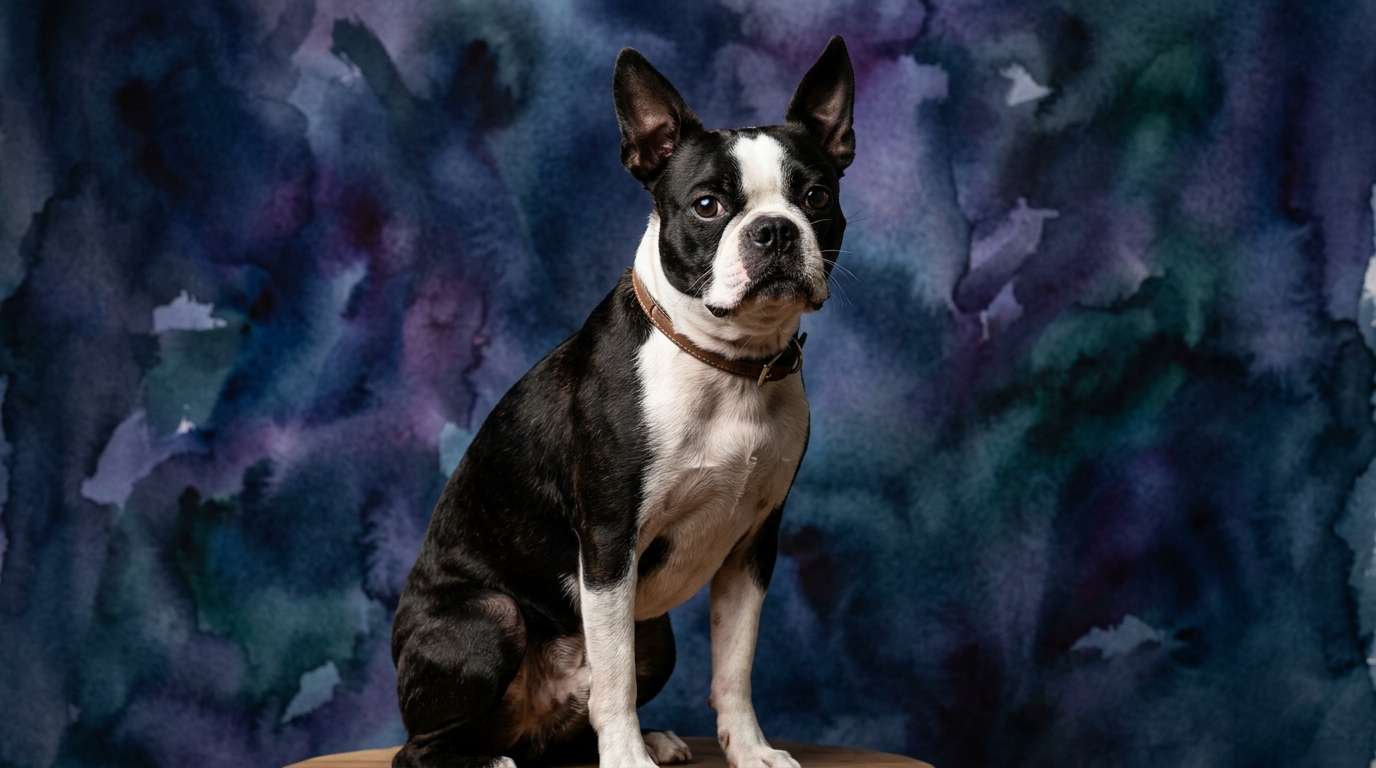
The Cosmic Pet Pet IQ Lab evaluates canine intelligence across five critical dimensions, allowing for a nuanced understanding beyond simple obedience. For the Boston Terrier, a member of the Non-Sporting group, their profile highlights a balanced intellect geared towards companionship. Their Problem Solving is rated at 3/5, indicating they can navigate household challenges and learn routines effectively, often finding clever ways to achieve comfort. Training Speed is also 3/5; they are capable learners, absorbing commands with consistent, positive reinforcement, though they can sometimes display a charming stubborn streak. Where they truly shine is Social Intelligence, scoring 4/5, demonstrating a profound capacity to read human emotions and integrate seamlessly into family dynamics. Their Instinctive Drive is a modest 2/5, meaning they possess minimal prey drive or strong working urges, preferring human interaction over independent tasks. Finally, their Memory is 3/5, solid for retaining familiar faces, places, and established routines.
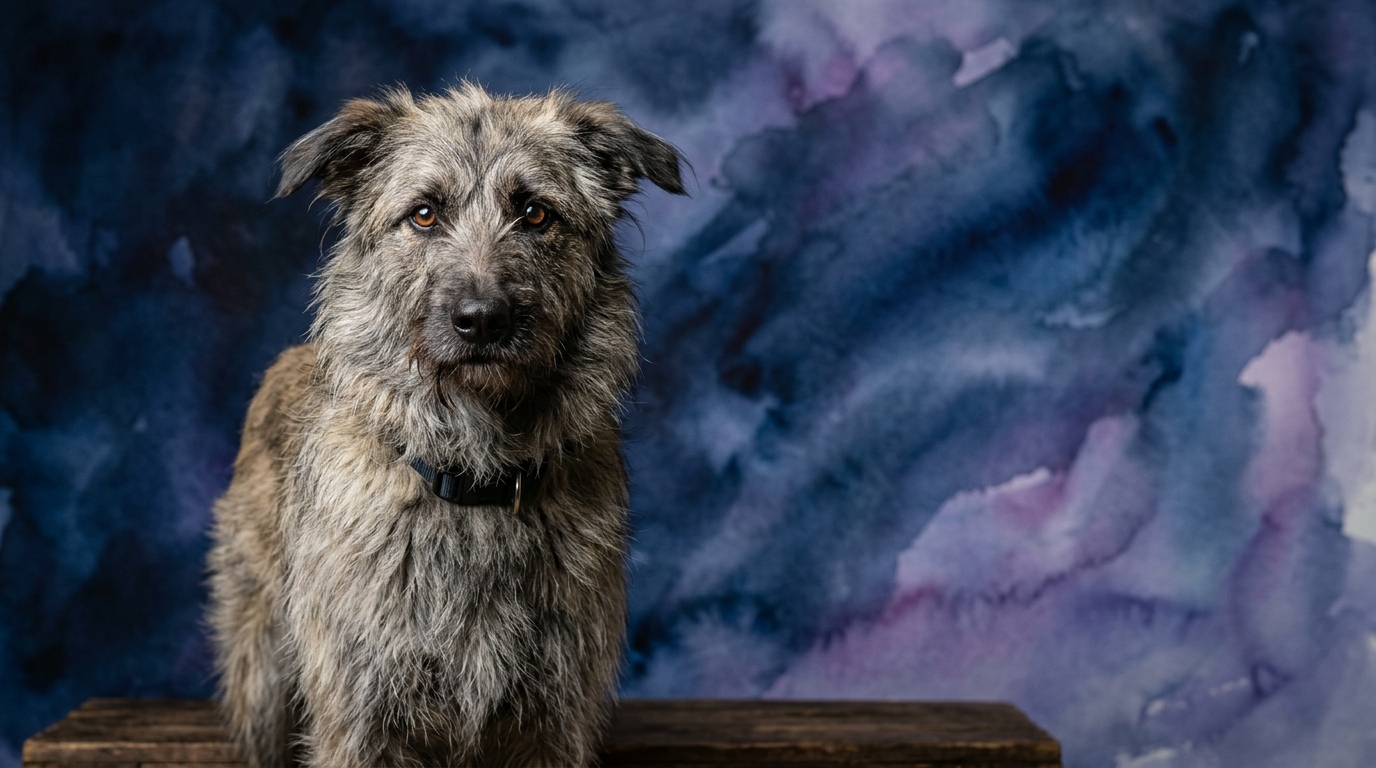
In contrast, the Pyrenean Shepherd, a Herding group member not evaluated by the Coren ranking system, presents a profile honed by centuries of demanding work. Their Problem Solving capacity is 3/5, reflecting a practical, on-the-spot intelligence crucial for managing livestock and assessing dynamic situations. Their Training Speed is 3/5, indicating an eagerness to learn and respond to direction, but their independent nature means training must be engaging and purposeful. Social Intelligence for the Pyrenean Shepherd is 3/5; while deeply devoted to their primary handler, they can be reserved or discerning with strangers, prioritizing their working bond. Their Instinctive Drive is a notable 3/5, manifesting as a strong herding impulse, vigilance, and a keen desire for a 'job.' Their Memory also stands at 3/5, enabling them to retain complex sequences of tasks and environmental cues essential for their historical role.
Where the Boston Terrier Excels Cognitively
The Boston Terrier’s primary cognitive strength lies in their exceptional Social Intelligence, scoring a 4/5. This isn't merely about being friendly; it reflects a sophisticated ability to interpret human body language, vocal tones, and emotional states. They are adept at sensing shifts in mood within their household, often positioning themselves to offer comfort or solicit attention with uncanny timing. This enables them to form incredibly strong, empathetic bonds, making them intuitive family members who genuinely seem to understand and respond to their owners' feelings. This high social acumen allows them to adapt quickly to new people and social situations within a family context, making them naturally gracious hosts or companions.
Furthermore, their lower Instinctive Drive (2/5) contributes to a cognitive profile that excels in domestic harmony. Unlike breeds with strong working instincts that require redirection, the Boston Terrier's mind is less preoccupied with primal urges like herding or hunting. This mental spaciousness allows them to fully immerse themselves in the role of a companion, focusing their cognitive energy on interactions with their human family and enjoying the comforts of home. Their problem-solving (3/5) in a home environment often centers on navigating human expectations and optimizing their own comfort, such as figuring out how to get onto a favorite lap or subtly request a treat, rather than solving complex environmental puzzles.
Where the Pyrenean Shepherd Excels Cognitively
The Pyrenean Shepherd's cognitive strengths are deeply rooted in their working heritage, particularly evident in their practical Problem Solving (3/5) and robust Instinctive Drive (3/5). While their raw problem-solving score matches the Boston Terrier's, the nature of their problem-solving differs significantly. The Pyrenean Shepherd excels at assessing dynamic, real-world situations, such as anticipating the movement of livestock or identifying potential threats in their environment. Their minds are wired for vigilance and quick decision-making under pressure, making them adept at independent judgment when a human handler isn't immediately present to direct them. This isn't just about following commands; it's about intelligent application of their innate drives to achieve a goal.
Their elevated Instinctive Drive (3/5) is a powerful cognitive asset when channeled appropriately. This drive manifests as a keen awareness of their surroundings, an inherent desire to manage and organize, and an unwavering focus on tasks. For the Pyrenean Shepherd, this drive fuels their engagement with training and work, providing a strong internal motivation that can be harnessed. Their memory (3/5) for complex sequences and environmental details is often tied to this drive, allowing them to recall intricate routes or multi-step tasks critical for their working roles. This combination of practical problem-solving and strong, directed instinct allows them to excel in activities requiring agility, swift reactions, and sustained mental engagement, such as dog sports or advanced obedience.
Training: Boston Terrier vs. Pyrenean Shepherd
When considering ease of training, the Boston Terrier generally presents a more straightforward path for the average pet owner, primarily due to their superior Social Intelligence (4/5) and lower Instinctive Drive (2/5). Their strong desire to please and connect with their human family means they are often highly motivated by positive reinforcement and praise from their owners. While their Training Speed is 3/5, implying consistent effort is still needed, their inherent focus on human interaction means they are less likely to be distracted by strong environmental stimuli or their own working urges. Their main challenge might be a charming stubbornness, but a patient, reward-based approach typically yields good results for basic obedience and house manners.
The Pyrenean Shepherd, while also rated 3/5 for Training Speed, requires a more experienced and dedicated trainer due to their higher Instinctive Drive (3/5) and more discerning Social Intelligence (3/5). Their minds are constantly seeking purpose and engagement; without a clear 'job' or consistent mental stimulation, their instincts can lead to behaviors that are challenging in a pet home, such as herding children or furniture. Training must be creative, varied, and tap into their natural drives, transforming commands into engaging tasks rather than rote exercises. Their independence and quick wit mean they can bore easily with repetitive drills, requiring a trainer who can adapt and maintain their interest through advanced challenges and real-world applications of skills.
Suitability for Active vs. Relaxed Owners
For owners leading a more relaxed lifestyle, the Boston Terrier is typically the more fitting choice. Their moderate Problem Solving (3/5) and lower Instinctive Drive (2/5) mean they are content with a comfortable home environment, moderate daily walks, and plenty of indoor companionship. Their high Social Intelligence (4/5) thrives on close human interaction, making them ideal partners for cuddling on the couch or gentle play sessions. They adapt well to apartment living and do not possess an overwhelming need for extensive outdoor activity or complex mental tasks, preferring to be an integrated, beloved part of the family's daily rhythm. Their cognitive energy is primarily directed towards social bonding and maintaining comfort.
Conversely, the Pyrenean Shepherd is unequivocally suited for active owners who can provide substantial physical exercise and, crucially, consistent mental engagement. Their significant Instinctive Drive (3/5) and practical Problem Solving (3/5) demand an outlet, whether through dog sports like agility or herding, long hikes, or structured 'jobs' around the home. A Pyrenean Shepherd thrives when their mind is challenged and their body is active; without this, their keen intelligence and inherent drives can lead to frustration and potentially destructive behaviors. They need an owner who understands the nuances of a working breed's mind, someone who can provide clear direction, consistent training, and ample opportunities to utilize their cognitive and physical prowess.
The Verdict
Choose the Boston Terrier if you seek an emotionally intelligent companion who thrives on close human connection and a comfortable, moderately active home life, valuing social bonding over intense activity.
Opt for the Pyrenean Shepherd if you are an experienced, highly active owner prepared to channel a keen, independent working intelligence into structured activities and provide consistent mental and physical challenges.
🧠 Find Your Pet's IQ Score
Our Pet IQ Lab assessment covers 25+ tests across 5 cognitive dimensions — personalized to your breed.
Take the Full IQ Test →Frequently Asked Questions
Do Boston Terriers require a lot of mental stimulation?
Boston Terriers enjoy mental engagement through interactive toys and learning new tricks, but their needs are generally moderate. Their high social intelligence means they are often stimulated simply by interacting with their human family and participating in daily routines, rather than needing complex puzzle-solving tasks.
Can a Pyrenean Shepherd live happily in an apartment?
A Pyrenean Shepherd can potentially live in an apartment, but it would require an owner dedicated to providing extensive daily exercise and mental stimulation outside the home. Their strong instinctive drive and need for activity mean a small living space alone is insufficient; they need ample opportunities for running, working, and exploring.
Which breed is better for a first-time dog owner?
For a first-time dog owner, the Boston Terrier is generally a more manageable choice due to their adaptable nature, strong social intelligence, and lower instinctive drives. The Pyrenean Shepherd's independent working intelligence and high energy levels typically require an owner with prior experience in training and managing active breeds.