Side-by-Side IQ Profile
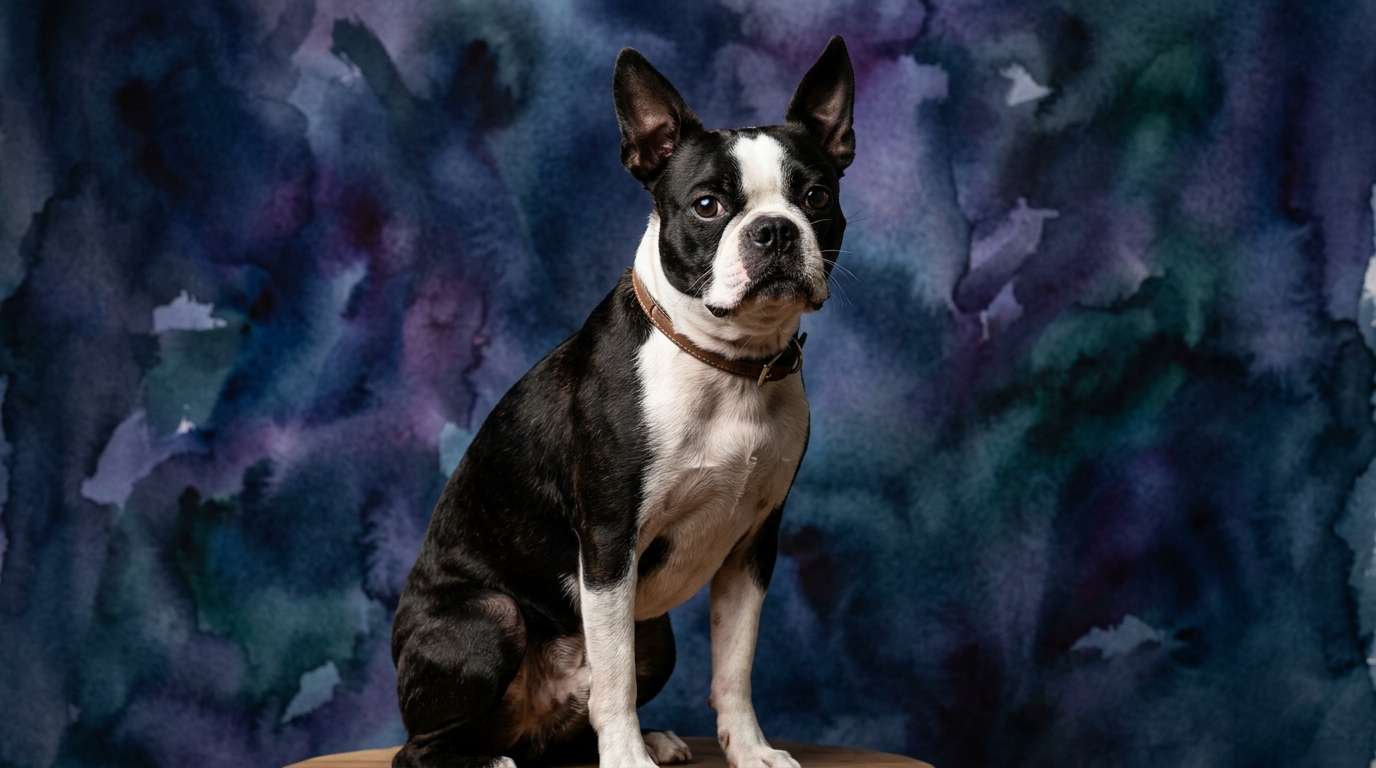
**Boston Terrier (Non-Sporting Group, Coren Rank #54)**
**Problem Solving (3/5):** Boston Terriers can skillfully navigate moderate household challenges, often employing observation and a bit of trial-and-error to achieve their goals, such as figuring out how to reach a favorite toy or get attention.
**Training Speed (3/5):** These dogs generally learn new commands at a steady pace, responding well to consistent, positive reinforcement, though their playful nature can sometimes lead to moments of delightful stubbornness or distraction.
**Social Intelligence (4/5):** A true strength, Boston Terriers are highly adept at reading human emotions and cues, thriving on interaction and forming deep, intuitive bonds with their family members, often anticipating needs.
**Instinctive Drive (2/5):** Their intrinsic drives are primarily geared towards companionship rather than independent tasks, exhibiting a lower prey drive and minimal inclination for traditional hunting or guarding behaviors.
**Memory (3/5):** Boston Terriers demonstrate a good capacity for retaining learned commands, routines, and experiences, remembering both positive and negative associations over considerable periods.
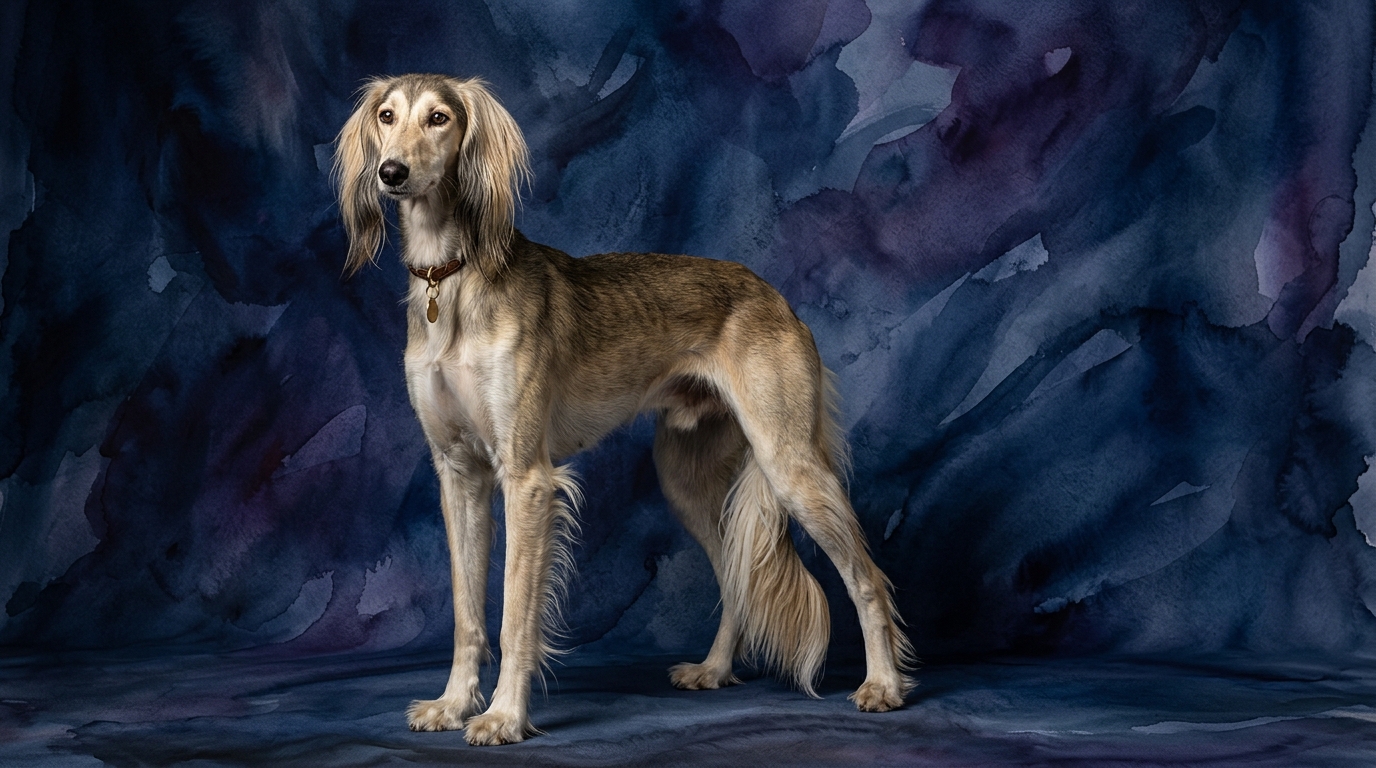
**Saluki (Hound Group, Not Coren-Ranked)**
**Problem Solving (3/5):** Salukis possess practical problem-solving skills, particularly when it comes to navigating their environment, finding comfortable spots, or pursuing visual stimuli, often relying on independent assessment rather than seeking human guidance.
**Training Speed (3/5):** They learn at a reasonable rate, but their independent nature means training requires patience, understanding, and a focus on motivation rather than rote obedience, as they often weigh commands against their own desires.
**Social Intelligence (3/5):** Salukis form profound, though sometimes reserved, bonds with their immediate family, reading familiar cues effectively, but they tend to be more aloof or discerning with strangers, preferring a quiet dignity.
**Instinctive Drive (3/5):** Their heritage as sighthounds means a significant instinctive drive for visual pursuit, demonstrating quick reactions and sustained focus when a moving object catches their eye, leading to independent decision-making in the chase.
**Memory (3/5):** They have a solid memory for routines, locations, and the people they trust, retaining information about their environment and learned behaviors, even if their application of commands can be selective.
Where Boston Terrier Wins Cognitively
The Boston Terrier’s primary cognitive advantage lies in its exceptional social intelligence. Rated a 4 out of 5, this breed displays a remarkable ability to read and respond to human emotions and intentions. They are inherently motivated by interaction and approval, making them extraordinarily attuned companions who often anticipate their owner’s moods or desires. This high social acumen translates into a dog that integrates seamlessly into family life, easily adapting to social cues, and generally seeking to please, which is a powerful cognitive tool for harmonious cohabitation. Their capacity for forming intuitive bonds means they excel in environments where close human interaction and emotional reciprocity are valued.
Where Saluki Wins Cognitively
The Saluki's distinct cognitive strength is rooted in its instinctive drive and independent problem-solving, particularly within its ancestral sighthound context. While their instinctive drive is rated 3 out of 5, this score reflects a highly specialized intelligence geared towards independent action and visual pursuit. Salukis excel at making rapid, autonomous decisions in dynamic environments, like chasing a lure or spotting distant movement, demonstrating a cognitive processing speed and focus unique to their breed type. This isn’t about pleasing a human, but about efficiently executing a complex, instinctual task. Their ability to assess a situation and act decisively, often without direct command, highlights a practical and self-reliant form of intelligence that is highly effective in specific scenarios, showcasing a profound understanding of their immediate, visually-driven world.
Which is Easier to Train and Why
When comparing training ease, the Boston Terrier generally presents a more straightforward experience for the average owner due to its higher social intelligence and eagerness for interaction. With a training speed of 3 out of 5, coupled with a 4 out of 5 in social intelligence, Boston Terriers are often highly motivated by praise, attention, and food rewards, viewing training as a collaborative activity that strengthens their bond with their human. They are typically keen to learn and perform, and their desire to please can overcome minor distractions, making them responsive to consistent, positive reinforcement methods. Their companion-oriented nature means they actively seek to understand and comply with human directives, which translates into quicker mastery of basic obedience and tricks. In contrast, the Saluki, also rated 3 out of 5 for training speed, approaches learning with a more independent mindset. Their 3 out of 5 social intelligence means they form deep bonds, but their training motivation is less about pleasing and more about understanding the 'why' or finding personal reward. Salukis often exhibit an independent streak, a hallmark of their sighthound heritage, where they are accustomed to making their own decisions during a chase. This means they might weigh a command against a compelling instinctual drive, such as spotting a squirrel, and choose the latter. Training a Saluki requires immense patience, creativity, and a deep appreciation for their unique motivations; it’s often about building a partnership and making training fun and engaging rather than enforcing strict obedience. While both breeds are capable learners, the Boston Terrier's inherent social drive makes them generally more amenable and less challenging for a novice trainer seeking a highly compliant companion.
Which Suits Active Owners vs Relaxed Owners
The Boston Terrier's adaptability makes it a suitable companion for a range of lifestyles, from moderately active to more relaxed owners. While they certainly enjoy daily walks and engaging play sessions, their moderate instinctive drive (2/5) means they are generally content with indoor companionship and do not demand extensive, high-intensity exercise. They thrive on mental stimulation through puzzle toys or short training sessions and are often happy to curl up for a nap after a brisk walk. Their size and lower exercise requirements make them excellent choices for apartment dwellers or individuals who appreciate a dog that can transition easily between playful bursts and calm relaxation. The Saluki, however, is unequivocally suited for active owners who understand and can accommodate their significant exercise needs. With an instinctive drive of 3/5, deeply rooted in their sighthound heritage, Salukis require opportunities to run at full speed in a safe, securely fenced environment. They possess incredible stamina and a powerful urge to chase, making them unsuitable for owners who cannot provide regular, vigorous exercise outlets. A Saluki will not be content with short leash walks; they need to stretch their legs and engage their natural instincts. This breed is ideal for individuals or families who enjoy long hikes, running, or have access to large, secure areas where their dog can truly express its athleticism and chase drive, making them a superb partner for an active, outdoor-oriented lifestyle.
The Verdict
Choose a Boston Terrier if you desire a highly interactive, socially attuned dog who thrives on close family bonds, excels at reading human cues, and can adapt comfortably to varied living situations, offering delightful companionship with moderate exercise needs.
Choose a Saluki if you appreciate an independent, elegant, and athletic dog with a strong sighthound drive, capable of deep, reserved affection, and you can provide ample space and opportunity for them to express their natural instincts through vigorous, free-running exercise.
🧠 Find Your Pet's IQ Score
Our Pet IQ Lab assessment covers 25+ tests across 5 cognitive dimensions — personalized to your breed.
Take the Full IQ Test →Frequently Asked Questions
Are Boston Terriers good with children?
Yes, Boston Terriers are generally good with children due to their social intelligence and playful, yet gentle, temperament, often enjoying family interactions; however, as with any dog, supervision is always recommended to ensure respectful interactions.
Do Salukis need a lot of grooming?
Salukis have a relatively low-maintenance coat, requiring weekly brushing to remove loose hair and prevent mats, especially for feathered varieties, but they are not heavy shedding dogs and do not typically require professional grooming.
What kind of exercise do Salukis require?
Salukis need significant daily exercise, ideally including opportunities to run at full speed in a securely fenced area, as their powerful sighthound instincts compel them to chase and sprint, making short walks insufficient for their well-being.