Side-by-Side Cognitive Profiles
The Cosmic Pet Pet IQ Lab employs a five-dimensional framework to assess canine intelligence, moving beyond simplistic notions to provide a nuanced understanding of a breed's mental aptitudes. This framework considers problem-solving abilities, training speed, social intelligence, instinctive drive, and memory, offering a comprehensive look at how each breed processes and interacts with the world.
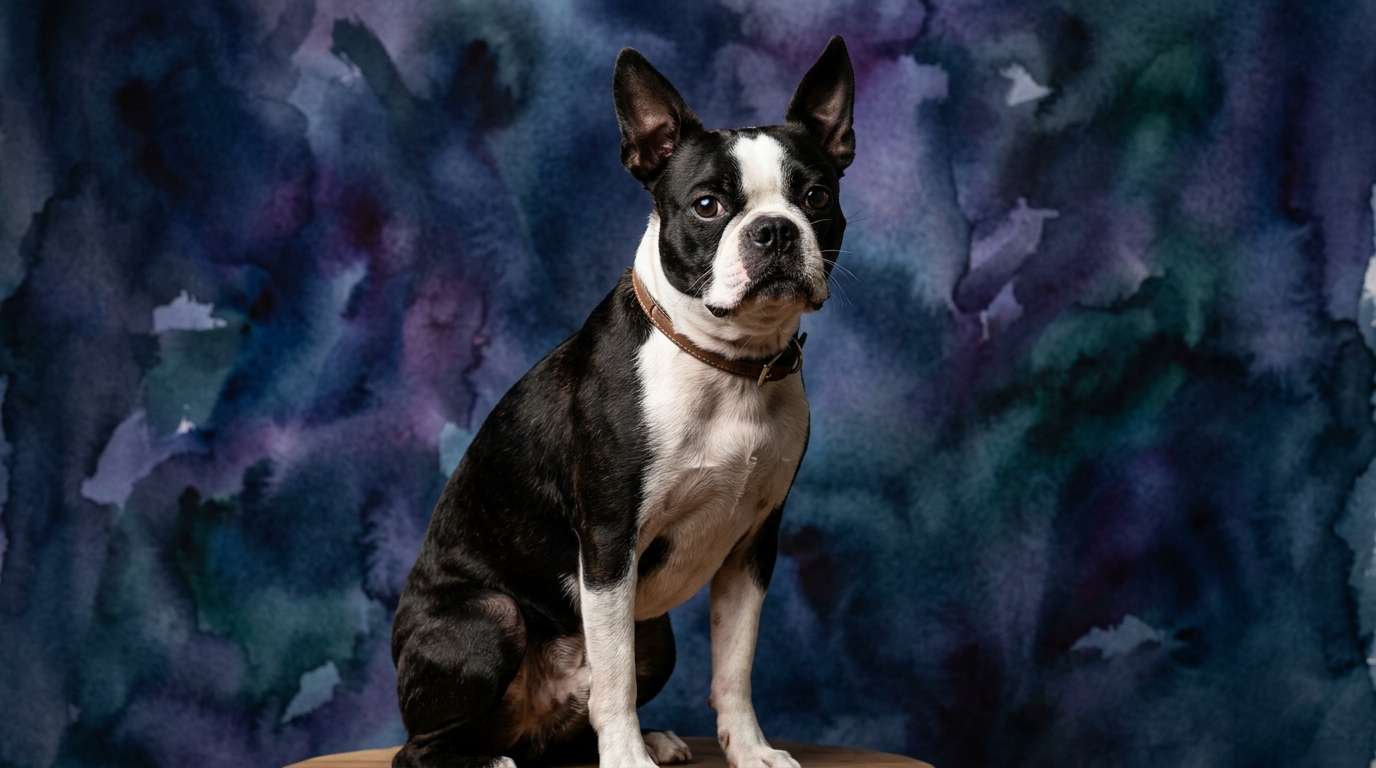
For the Boston Terrier, a Non-Sporting group member, the scores paint a picture of a perceptive companion. They register 3/5 for Problem Solving, indicating a capacity for moderate challenge resolution, and 3/5 for Training Speed, suggesting an average learning pace. Their Social Intelligence is a notable 4/5, highlighting exceptional attunement to human cues, while Instinctive Drive is a low 2/5. Memory sits at a solid 3/5, reflecting reliable recall of learned behaviors.
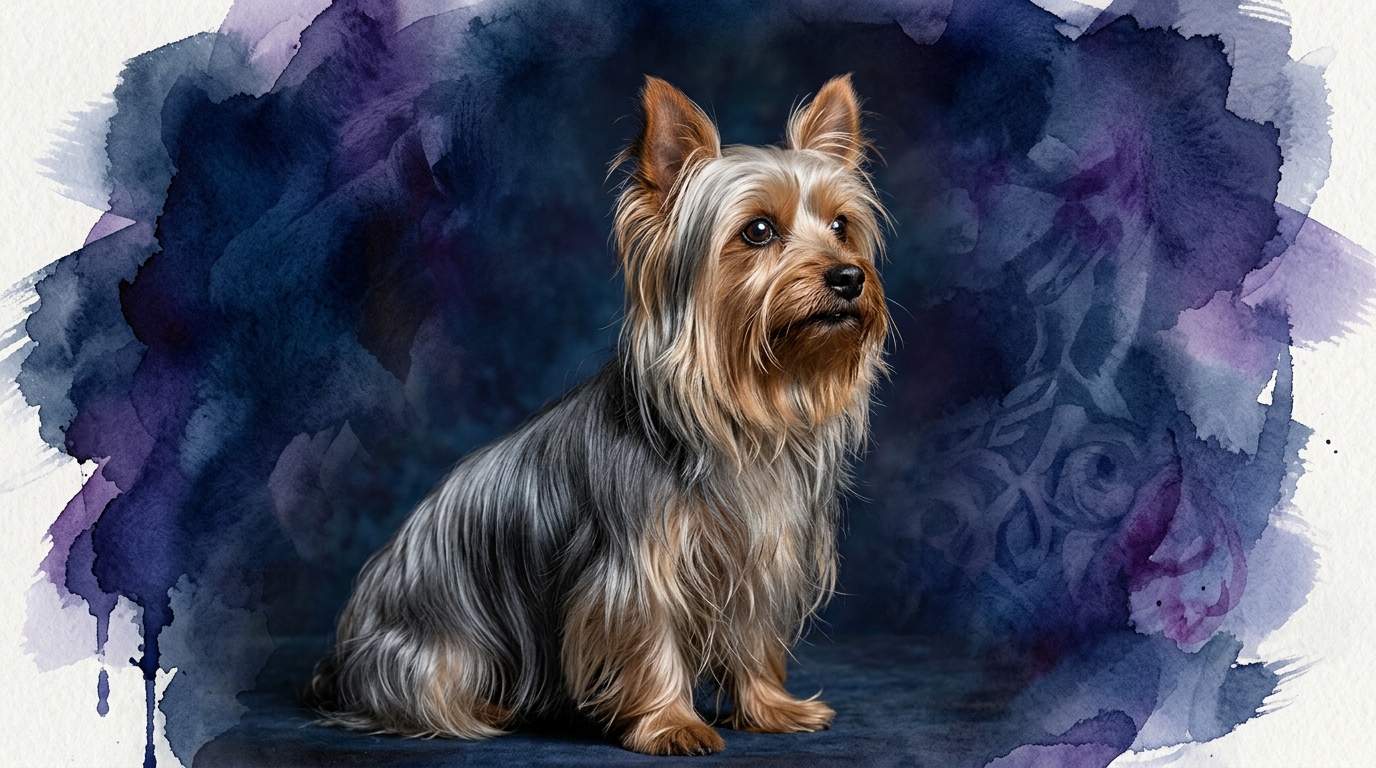
The Silky Terrier, from the Toy group, presents a slightly different cognitive fingerprint. It matches the Boston Terrier with 3/5 in Problem Solving and 3/5 in Training Speed, suggesting similar baseline learning capabilities. However, its Social Intelligence is 3/5, indicating good but perhaps less nuanced social engagement. Instinctive Drive is a higher 3/5, reflecting its terrier heritage, and Memory is also 3/5, indicating an average retention of information.
Where the Boston Terrier Excels Cognitively
The Boston Terrier's standout cognitive strength lies in its Social Intelligence, scoring a remarkable 4/5 compared to the Silky's 3/5. This higher rating translates into a dog that is exceptionally perceptive of human emotions and social dynamics. Boston Terriers often seem to anticipate their owner's intentions, adapting their behavior with remarkable fluidity in various social settings. Their ability to pick up on subtle non-verbal cues makes them highly responsive companions, eager to participate in shared activities and less prone to misinterpreting social signals, fostering a profound bond.
Another area where the Boston Terrier's cognitive profile can be seen as advantageous, particularly for typical pet owners, is its lower Instinctive Drive (2/5 vs. Silky's 3/5). While not a direct measure of intellect, a lower drive for hunting, digging, or territorial guarding simplifies day-to-day management. Boston Terriers are generally less inclined to chase squirrels across busy streets or meticulously excavate gardens, requiring less constant vigilance against primal urges. This cognitive predisposition makes them often content with companionship over independent exploration driven by scent or sight, fitting seamlessly into a domestic environment.
Where the Silky Terrier Shows Cognitive Strengths
The Silky Terrier's more pronounced Instinctive Drive, rated at 3/5 compared to the Boston's 2/5, signifies a distinct cognitive strength for owners who appreciate a dog with zest and purpose. This isn't merely about chasing; it implies a heightened awareness of their environment, a keen sense of observation for novel stimuli, and a natural inclination towards exploration and engagement. This drive fuels their curiosity and makes them highly motivated participants in games involving "hunting" for toys or navigating obstacle courses, tapping into their ancestral terrier spirit and providing a robust engagement with their surroundings.
While both breeds score 3/5 in Problem Solving, the Silky’s innate drive often manifests in a different type of cognitive engagement. They might apply their problem-solving skills to more independent ventures, like figuring out how to access a forbidden area or outsmarting a puzzle feeder, driven by curiosity and a desire to overcome obstacles rather than solely social appeasement. This can lead to creative, albeit sometimes mischievous, displays of intellect that challenge and entertain their owners, requiring a different approach to mental enrichment that acknowledges their independent and spirited approach to tasks.
Trainability: Boston Terrier vs. Silky Terrier
Despite identical "Training Speed" scores of 3/5, the Boston Terrier generally presents an easier training experience due to its superior Social Intelligence (4/5) and lower Instinctive Drive (2/5). Their strong desire to interact positively with humans means they are often eager to please and highly motivated by praise and attention from their owners. Boston Terriers quickly learn to associate commands with rewards, not just for the treat, but for the social approval that accompanies it, making them more receptive and cooperative during sessions. Their minimal prey drive also means fewer distractions and a greater focus on the task at hand, streamlining the learning process.
The Silky Terrier, while equally capable of learning at an average pace (Training Speed 3/5), brings a more independent terrier mindset to the training ring. Their higher Instinctive Drive (3/5) means they might be more easily diverted by interesting smells, sounds, or the sight of a moving object, requiring more effort to maintain focus. Their slightly lower Social Intelligence (3/5) suggests they might be less inherently driven by human approval alone, needing more tangible rewards or highly engaging activities. Successful training with a Silky often necessitates making sessions highly stimulating, varied, and fun, tapping into their natural curiosity and drive. Consistency, patience, and creativity are paramount to overcome their independent spirit and harness their intelligence effectively.
Matching Breeds to Lifestyles: Active vs. Relaxed Owners
The Boston Terrier’s cognitive profile makes it remarkably adaptable to both active and more relaxed lifestyles. Their moderate energy levels, combined with their strong social intelligence and low instinctive drive, mean they enjoy a good walk or play session but are equally content to cuddle on the couch for extended periods. They thrive on human companionship and mental stimulation through interaction rather than constant physical exertion. This makes them an excellent choice for owners who appreciate a companion capable of enjoying varied activities, from leisurely strolls to quiet evenings at home, without demanding intense daily physical exercise.
In contrast, the Silky Terrier, with its higher instinctive drive and terrier lineage, generally suits more active owners. They possess a robust curiosity and a need for outlets for their energy, which manifests as a desire for exploration, chasing, and engaging in purposeful activities. While they enjoy cuddles, their cognitive makeup suggests they are most fulfilled when given opportunities to use their senses and problem-solving skills in dynamic environments. Owners prepared to provide consistent physical activity, structured play, and mental challenges like puzzle toys or scent work will find the Silky to be a vibrant and engaging partner, preventing boredom and potential mischief that can arise from unchanneled energy and intellect.
The Verdict: When to Choose Each Breed
Understanding the distinct cognitive strengths and predispositions of the Boston Terrier and Silky Terrier is crucial for making an informed choice that aligns with your lifestyle and expectations. Both breeds offer companionship and unique intellectual traits, but their approaches to learning, social interaction, and environmental engagement differ significantly. The Boston Terrier, with its exceptional social intelligence and lower instinctive drive, generally presents a more cooperative and adaptable companion, thriving on human connection and fitting well into varied domestic settings. Their moderate energy and eagerness to please simplify training and daily management for many owners.
The Silky Terrier, conversely, appeals to those who appreciate a more spirited and independent canine mind. Its higher instinctive drive and keen curiosity mean it thrives with active engagement and opportunities to explore, chase, and problem-solve on its own terms. While equally capable of learning, its terrier nature demands more creative, consistent, and stimulating training approaches. Choosing a Silky means embracing a dog with a robust personality that requires an owner willing to provide ample mental and physical outlets for its vibrant intellect and energetic spirit.
The Verdict
Opt for a Boston Terrier if you seek a highly socially attuned companion, adaptable to various living situations, and generally cooperative in training, thriving on human interaction and moderate activity.
Choose a Silky Terrier if you appreciate a spirited, independent companion with a keen sense of adventure and a moderate prey drive, willing to invest in consistent, engaging training and ample physical and mental stimulation.
🧠 Find Your Pet's IQ Score
Our Pet IQ Lab assessment covers 25+ tests across 5 cognitive dimensions — personalized to your breed.
Take the Full IQ Test →Frequently Asked Questions
Are Boston Terriers good apartment dogs?
Yes, Boston Terriers often thrive in apartments due to their moderate exercise needs and strong social intelligence, which makes them content with indoor companionship. Their low instinctive drive also means they are less prone to destructive behaviors stemming from boredom or a need to roam.
Do Silky Terriers bark a lot?
Silky Terriers can be prone to barking, especially due to their alert nature and higher instinctive drive, which makes them quick to react to perceived intruders or novel sounds. Consistent training and early socialization can help manage this tendency.
What's the main difference in trainability?
While both learn at an average pace, Boston Terriers are generally easier to train due to their higher social intelligence and eagerness to please, making them more cooperative. Silky Terriers, with their independent terrier spirit and higher instinctive drive, require more engaging, consistent training to maintain focus and motivation.