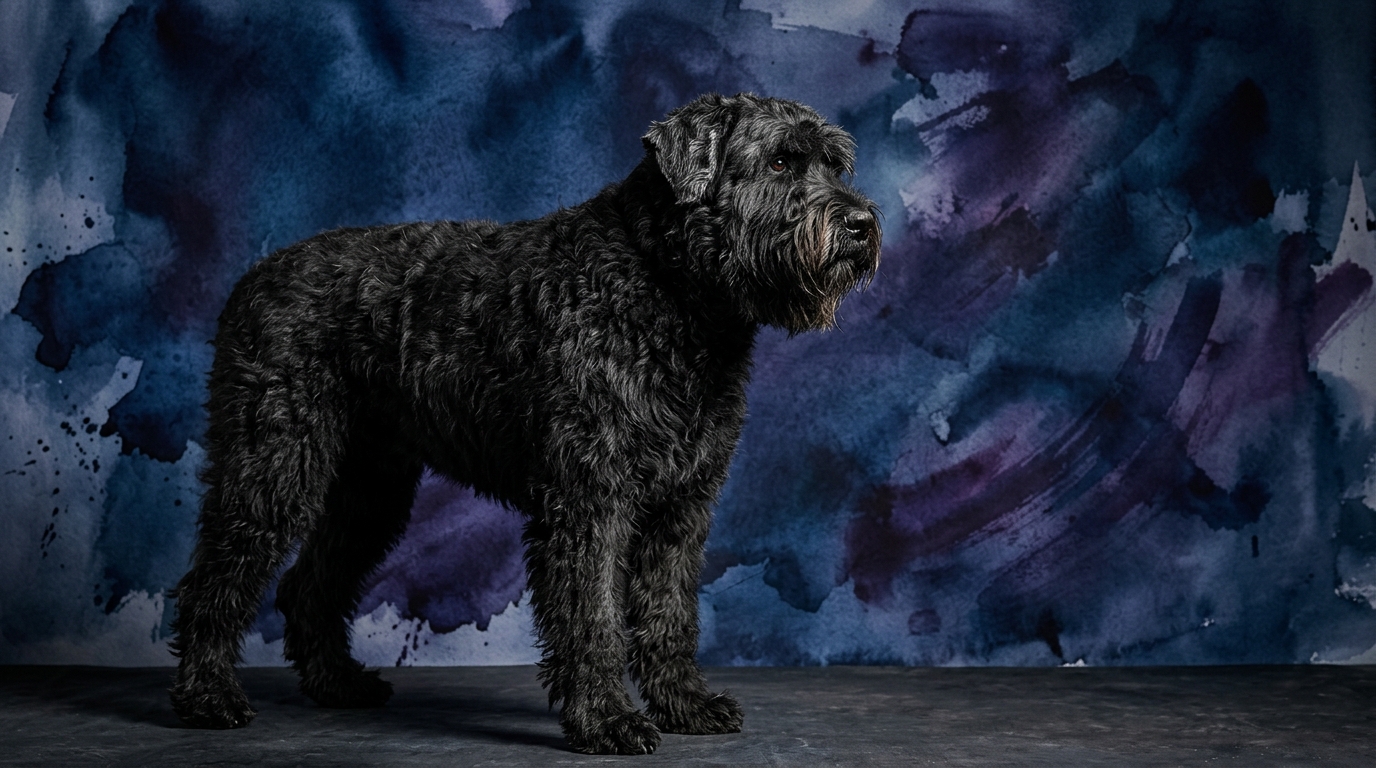
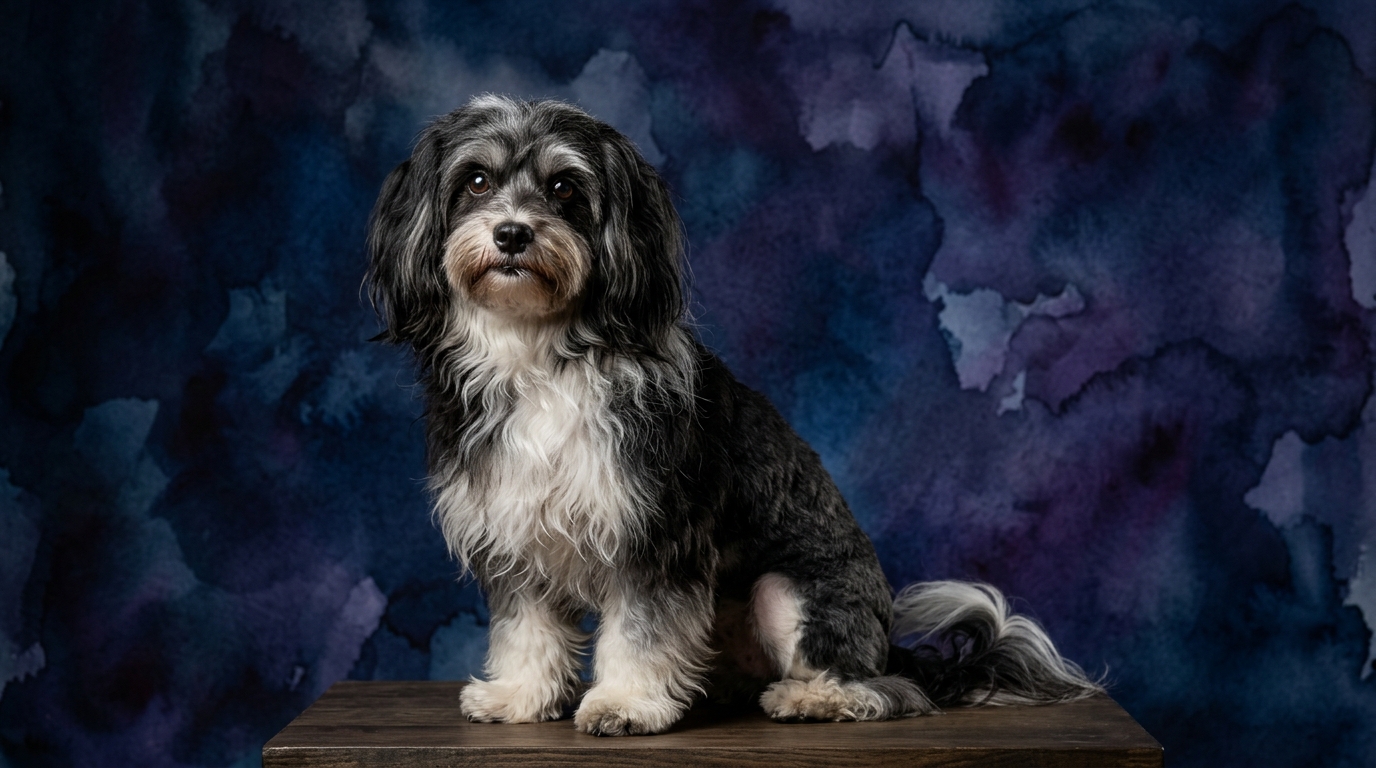
Side-by-Side IQ Profile: Understanding the Nuances of a 3/5 Score
**Problem Solving (3/5):** For the Bouvier des Flandres, this score suggests a capacity for methodical, practical reasoning, often involving physical strength or persistence. Their herding background means they excel at real-world challenges like navigating obstacles or managing moving elements, learning through experimentation rather than abstract thought. For the Löwchen, a 3/5 in problem-solving often manifests in social contexts or domestic situations, like figuring out how to retrieve a toy or gain attention. They are observant and connect actions to results within their immediate environment, demonstrating moderate adaptability through trial and error.
**Training Speed (3/5):** Bouvier des Flandres learn at an average pace, requiring consistent repetition and clear, firm guidance. Their independent spirit means they might seek to understand the 'why' behind commands, making a strong working relationship crucial. Once learned, behaviors are well-retained. Löwchens also learn at a moderate speed, responding well to positive reinforcement and picking up various commands. Their companion nature aids motivation, though their focus can be fleeting, requiring engaging, varied sessions to maintain interest.
**Social Intelligence (3/5):** This score for the Bouvier indicates a good understanding of family hierarchies and cues, though often reserved with strangers. They can read caregiver moods but may also attempt to 'manage' their human family, displaying a discerning rather than overtly effusive social style. A 3/5 for the Löwchen highlights their adeptness at navigating human social environments. They are attuned to owners' emotional states, responding to subtle cues, and integrating smoothly into family life with a nuanced understanding of domestic social dynamics.
**Instinctive Drive (3/5):** Heavily influenced by their herding lineage, the Bouvier's drive manifests as a moderate but persistent urge to control, gather, and protect. It requires constructive outlets like herding games or agility to channel their inherent work ethic and protective nature. For the Löwchen, this 3/5 drive is primarily about companionship and engagement, pushing them to seek interaction and play. It fuels their natural curiosity and desire to be at the center of family activities, rather than task-oriented work.
**Memory (3/5):** The Bouvier des Flandres possesses a solid capacity to remember commands, routines, and experiences. They don't quickly forget training and recall specific people or places, aiding consistency, and both positive and negative experiences are well-retained. The Löwchen's 3/5 memory allows them to easily recall family members, household rules, and daily routines. They remember specific interactions, contributing to their adaptability and consistent behavior within the home, anticipating events effectively.
Where Bouvier des Flandres Wins Cognitively
While their cognitive scores are numerically identical, the Bouvier des Flandres often demonstrates a distinct advantage in practical, autonomous decision-making, particularly in scenarios requiring independent judgment away from direct human oversight. Their herding background has honed an ability to assess dynamic situations involving moving elements—be it livestock or navigating a complex environment—and formulate a response based on learned principles rather than solely awaiting a command. This manifests as robust spatial reasoning and an ability to 'read' the environment for potential challenges or opportunities, allowing them to take initiative. For instance, if faced with a gate left ajar, a Bouvier might instinctively understand the potential for escape and attempt to 'contain' the situation or alert their owner, showcasing a proactive problem-solving approach rooted in their historical role.
Where Löwchen Wins Cognitively
Conversely, the Löwchen excels in the nuanced realm of social observation and emotional attunement within a human household. While the Bouvier possesses social intelligence, the Löwchen's 3/5 score is finely tuned to human-centric interaction, often allowing them to pick up on subtle emotional shifts, unspoken expectations, and intricate social cues with remarkable precision. Their cognitive strength lies in their ability to adapt their behavior fluidly to maintain harmony and connection within their family unit, often anticipating needs or moods before they are overtly expressed. This might involve choosing a quiet moment to offer comfort or knowing when a playful approach is most welcome. They often demonstrate superior adaptability to new social settings, processing complex social information quickly and adjusting their demeanor to fit the context, making them adept at charming new acquaintances without overstepping boundaries. This keen social radar is a direct result of centuries of selective breeding for close companionship.
Which is Easier to Train and Why
Despite identical 3/5 scores in Training Speed, the Bouvier des Flandres and Löwchen approach learning differently due to their distinct backgrounds. The Bouvier, with its strong herding drive and independent thought, requires a trainer who establishes clear, consistent leadership. They often seek to understand the 'why' behind commands and may test boundaries, thriving on structured repetition combined with real-world application. Success hinges on a patient, firm, and fair approach that builds trust, channeling their inherent drive into productive tasks for advanced obedience or protection sports. In contrast, the Löwchen, with its companion nature, is generally eager to please and responds enthusiastically to positive reinforcement like praise, treats, and play. They are less likely to challenge authority but can have fleeting attention, requiring engaging, varied sessions. Their sensitivity means harsh corrections are counterproductive. Training a Löwchen is often about making it fun and interactive, leveraging their social intelligence for tricks or canine good citizen programs. While both require consistent effort, the Bouvier demands a more authoritative, task-oriented style, whereas the Löwchen benefits from a playful, relationship-focused approach.
Which Suits Active Owners vs. Relaxed Owners
The ideal owner for a Bouvier des Flandres is active and committed to substantial daily physical and mental engagement. Their robust physique and herding heritage demand long hikes, jogging, agility, or protection work to prevent boredom and potential destructive behaviors. They need owners who provide consistent structure, mental challenges, and ample space to thrive, making them unsuitable for sedentary lifestyles. The Löwchen, conversely, suits more relaxed owners, though still requires regular walks and play. Their moderate instinctive drive focuses on social interaction and companionship, making them integral to family life. They enjoy interactive games and learning tricks, thriving on consistent social engagement and moderate physical activity rather than intense, prolonged challenges. They adapt well to various living situations, including apartments, provided their social and exercise needs are met.
The Verdict
Choose the Bouvier des Flandres if you are an experienced, active owner seeking a substantial, loyal companion who thrives on consistent training, structured work, and significant physical and mental engagement to channel their independent spirit.
Opt for the Löwchen if you desire a charming, adaptable companion who excels in social settings, thrives on close family interaction, and requires moderate exercise coupled with engaging mental stimulation and positive reinforcement.
🧠 Find Your Pet's IQ Score
Our Pet IQ Lab assessment covers 25+ tests across 5 cognitive dimensions — personalized to your breed.
Take the Full IQ Test →Frequently Asked Questions
Do Bouvier des Flandres and Löwchen learn at the same pace?
While both breeds score 3/5 in training speed, indicating an average learning pace, their training approaches differ. Bouviers often require more structured, firm, and consistent guidance due to their independent nature, while Löwchens respond best to positive reinforcement and engaging, fun sessions.
Which breed is better with children, considering their social intelligence?
Both score 3/5 in social intelligence, but manifest it differently. Bouviers can be protective and may try to 'herd' children, requiring supervision and early socialization. Löwchens are generally good-natured and adaptable with children, often enjoying play, but their smaller size requires children to be taught gentle interaction.
How do their instinctive drives impact their daily life as pets?
The Bouvier's 3/5 instinctive drive leans towards herding and protection, meaning they need outlets for these traits like structured activities or a 'job.' The Löwchen's 3/5 drive is more focused on companionship and play, making them eager participants in family activities and less prone to intense working behaviors.