Side-by-Side IQ Profile
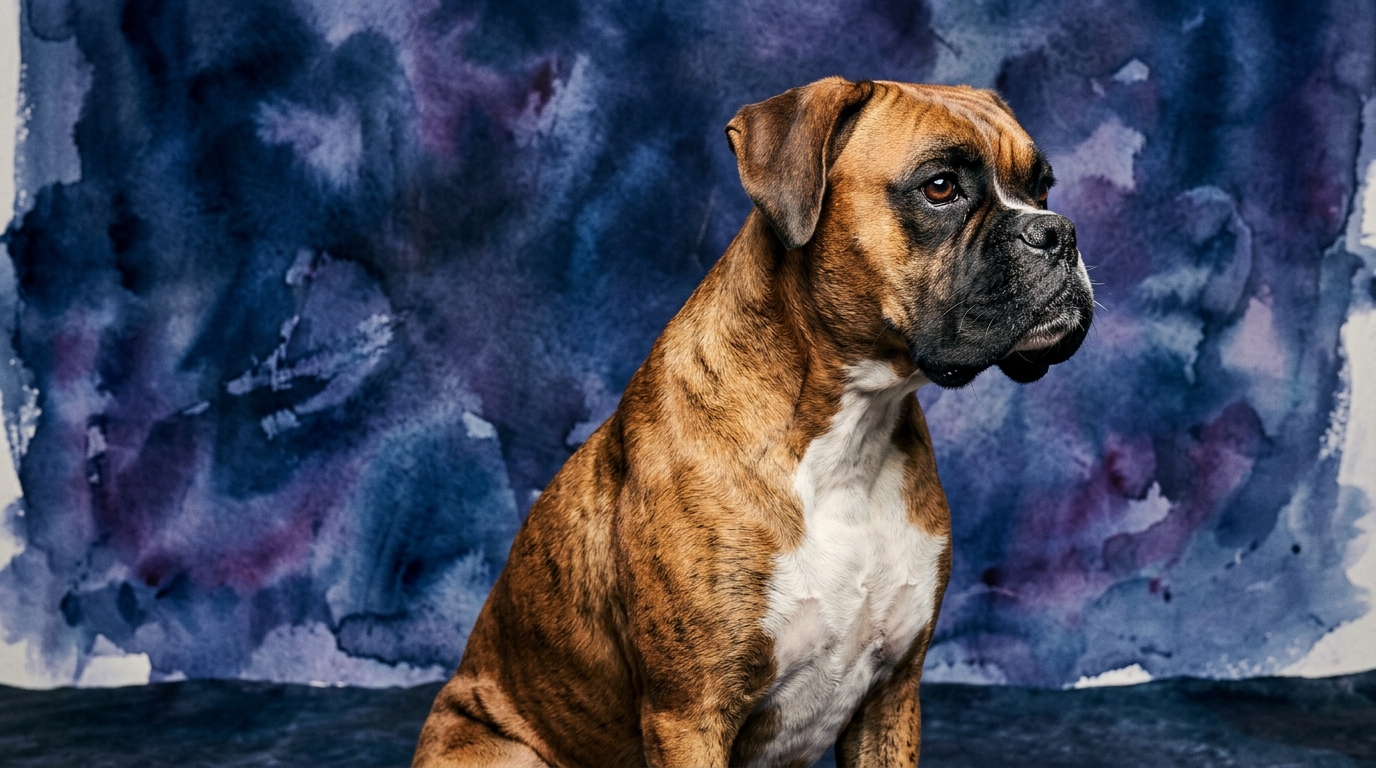
The Boxer, a breed from the Working group, exhibits a balanced cognitive profile with notable strengths in social engagement and directed energy. Their Problem Solving is rated 3/5, suggesting a moderate capacity to analyze new situations and devise practical solutions, often involving their human companions or manipulating objects within their environment. Training Speed also scores 3/5, indicating they learn new commands and routines at a steady, consistent pace, readily grasping concepts with clear instruction and positive reinforcement. Where the Boxer truly shines is in Social Intelligence, scoring a remarkable 5/5. This reflects a profound understanding of human emotions, social cues, and a strong, inherent desire for interaction and cooperation, making them exceptionally empathetic and attuned companions who actively seek to be part of family activities. Their Instinctive Drive is 4/5, signifying a robust internal motivation for activity, play, and purpose, often expressed through energetic bursts, protective instincts, or a keen interest in structured tasks like agility or obedience. Memory stands at 3/5, meaning they retain learned information, routines, and past experiences adequately, contributing to their consistency in training and daily interactions.
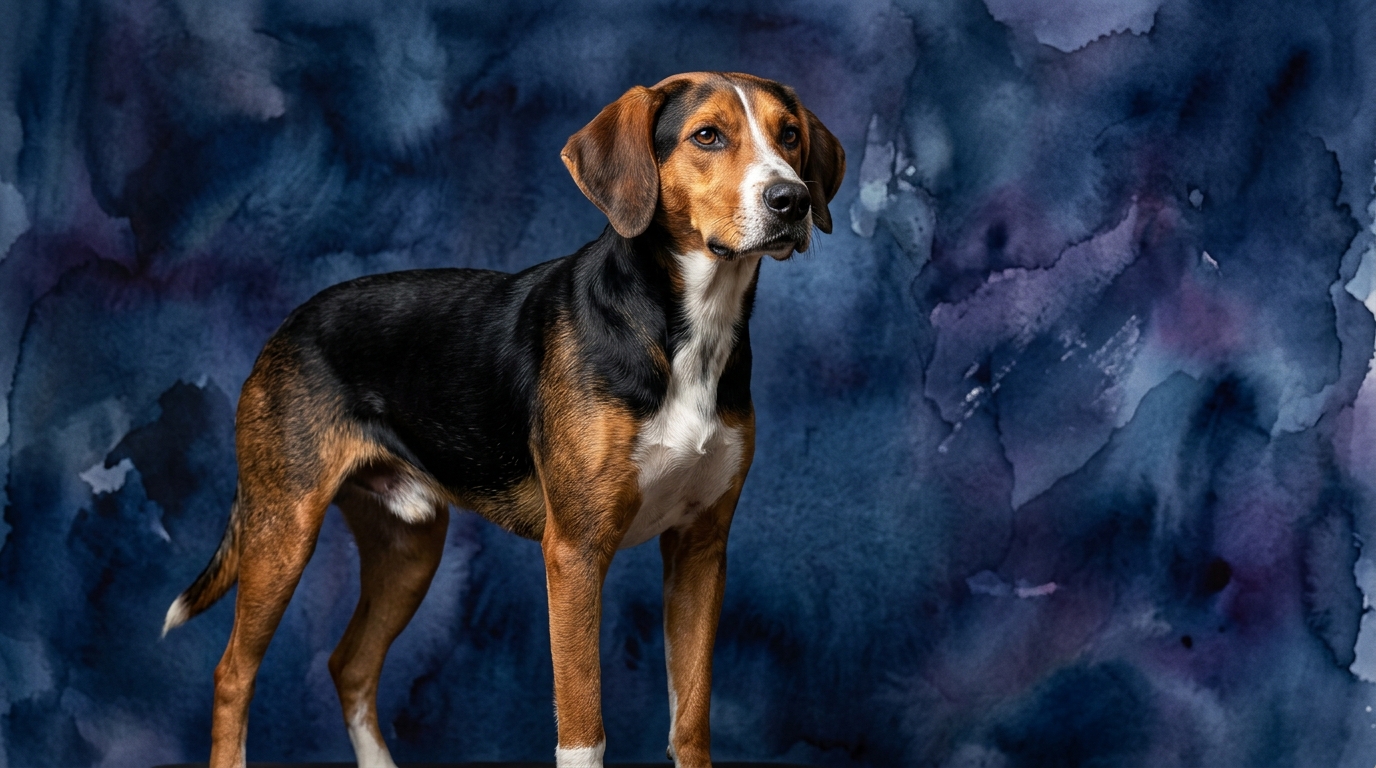
As a hound breed, the American Foxhound presents a more uniform cognitive landscape, optimized for independent pursuit and endurance. Their Problem Solving capacity is 3/5, indicating an adequate ability to overcome obstacles, particularly those related to navigating complex outdoor environments or deciphering scent puzzles. Training Speed also registers 3/5, suggesting a steady but not exceptionally rapid learning curve for formal obedience, often requiring more repetition and highly motivating rewards. Social Intelligence for the American Foxhound is 3/5, which points to a moderate interest in human interaction; while affectionate with their family, they often prefer to work or explore independently, rather than constantly seeking human validation or direction. Their Instinctive Drive is likewise 3/5, reflecting a persistent, single-minded motivation primarily focused on scent work, trailing, and the pursuit of quarry, often to the exclusion of other stimuli. Memory is rated 3/5, allowing them to effectively recall scent trails, learned routes, and past experiences pertinent to their hunting lineage.
Where Boxer Wins Cognitively
The Boxer distinctly triumphs in the realm of social cognition, evidenced by their perfect 5/5 Social Intelligence score compared to the American Foxhound's 3/5. This substantial difference translates to a dog profoundly attuned to human social dynamics, capable of interpreting subtle cues like changes in facial expression or vocal tone, understanding intentions, and forming deep, cooperative bonds. A Boxer's cognitive process is intrinsically geared towards partnership; they excel at reading body language, responding to complex verbal commands, and engaging in reciprocal interactions, making them exceptionally responsive and empathetic companions who actively seek shared experiences. Their higher Instinctive Drive (4/5 versus 3/5) also provides a more readily directable energy and cognitive focus. This means their internal motivation can be more easily channeled into structured activities, advanced obedience, or protective roles, as they are often eager to work alongside and for their human partners. This cognitive predisposition for collaboration and connection means a Boxer frequently seeks to involve their human in their problem-solving and play, viewing shared activity and approval as primary motivators for intellectual engagement.
Where American Foxhound Wins Cognitively
While the American Foxhound's cognitive profile appears more uniform with 3/5 scores across the board, their particular blend of traits fosters a unique cognitive strength: self-reliant, persistent focus. Their moderate Social Intelligence (3/5) means they are less reliant on constant human feedback or social validation to remain engaged in a task. This cognitive independence allows them to maintain singular concentration on a scent trail or a complex problem in the field without the distraction of seeking handler cues, which is crucial for a dog bred to work autonomously over long distances and varied terrain. This self-sufficiency is a cognitive advantage in tasks requiring prolonged, unassisted effort. Similarly, their 3/5 Instinctive Drive, while numerically lower than a Boxer's, is intensely specialized and incredibly persistent in its primary function—tracking and trailing. This focused drive means their cognitive resources are channeled with remarkable efficiency into their olfactory world, allowing them to process intricate scent information, discriminate between trails, and navigate environments with sustained, independent determination. This cognitive resilience to social distraction and dedicated pursuit of an instinctual task represents a distinct advantage for specific working scenarios where human direction might be intermittent or unnecessary.
Which Is Easier to Train and Why
When it comes to the general ease of training for the average owner, the Boxer typically presents a more straightforward and rewarding path. Their superior Social Intelligence (5/5) means they possess an inherent desire to engage with and please their human companions, making them highly receptive to instruction and eager to participate in cooperative learning. They are often quick to understand what is expected of them in a human-centric context and respond exceptionally well to positive reinforcement that strengthens the bond and reinforces their desire to work with their handler. The Boxer's 4/5 Instinctive Drive, while requiring outlets, is also a powerful tool for training, providing a robust, directable motivation that can be channeled towards learning new commands, performing complex tasks, or excelling in dog sports. In contrast, the American Foxhound's 3/5 Social Intelligence and 3/5 Instinctive Drive suggest a more independent and less human-focused approach to learning. While they possess adequate problem-solving and memory, their training speed (3/5) is coupled with a strong, often overriding, instinct to follow their nose. This means that while they can learn, their motivation is often more intrinsic and less tied to human approval. Training an American Foxhound requires immense patience, creativity in finding their specific motivators (often scent-related treats or opportunities to track), and an understanding that their self-directed nature means they might choose to follow a fascinating scent over a familiar command, requiring significant effort to maintain their attention and focus on human-led tasks. Their cognitive framework prioritizes their internal, scent-driven urges over external human direction more readily than a Boxer's.
Which Suits Active Owners vs. Relaxed Owners
For truly active owners who relish consistent, interactive engagement, structured activities, and a deeply involved canine partner, the Boxer is an ideal match. Their 5/5 Social Intelligence means they thrive on being an integral, active part of family life, participating enthusiastically in games, advanced training sessions, and outdoor adventures alongside their people. Their 4/5 Instinctive Drive demands regular, vigorous physical exertion and substantial mental stimulation, making them excellent partners for hiking, jogging, agility, or obedience trials. They are cognitively wired to be "with" their human, requiring a significant investment of time in shared activities, companionship, and reciprocal play to feel fulfilled. Conversely, for owners who are active but prefer a dog with a more independent streak, the American Foxhound might be a better fit. While they undeniably require substantial daily exercise to satisfy their powerful hound instincts and maintain physical health, their 3/5 Social Intelligence means they are often content to explore independently during long walks or runs, rather than constantly seeking direct human interaction or playing structured games. They appreciate a large, securely fenced yard for sniffing, patrolling, and self-directed exploration. An owner who understands and respects this self-reliant cognitive style, providing ample physical outlets and opportunities for scent work without requiring constant social 'on-duty' interaction or complex mental games, will find a harmonious and rewarding relationship with an American Foxhound. They offer companionship without the intense social demand of a Boxer.
The Verdict
Choose a Boxer if you seek a highly social, cooperative companion eager to engage in shared activities and respond keenly to human cues. Their cognitive strengths lie in their profound connection with people, making them adaptable and responsive family members.
Opt for an American Foxhound if you appreciate an independent, self-reliant canine whose cognitive focus is driven by instinctual exploration and scent work, provided you can meet their substantial exercise needs with less demand for constant social interaction.
🧠 Find Your Pet's IQ Score
Our Pet IQ Lab assessment covers 25+ tests across 5 cognitive dimensions — personalized to your breed.
Take the Full IQ Test →Frequently Asked Questions
Do Boxers get along well with children and other pets due to their social intelligence?
Yes, Boxers often exhibit excellent social aptitude (5/5), making them generally good with children and other animals when properly socialized. Their cognitive wiring makes them naturally inclined to integrate into family structures and understand social dynamics within a household.
Is an American Foxhound's independent nature difficult for first-time dog owners?
The American Foxhound's independent cognitive style (3/5 social intelligence) and strong instinctive drive can be challenging for first-time owners who might expect a highly biddable dog. Their training requires patience, consistency, and an understanding of their self-directed nature.
How does the "Instinctive Drive" score impact daily life for each breed?
A Boxer's 4/5 Instinctive Drive means they need regular, engaging activities to channel their energy and cognitive focus, often preferring human involvement. An American Foxhound's 3/5 Instinctive Drive is more singularly focused on scent and exploration, requiring extensive physical outlets but often content to pursue these interests independently.