
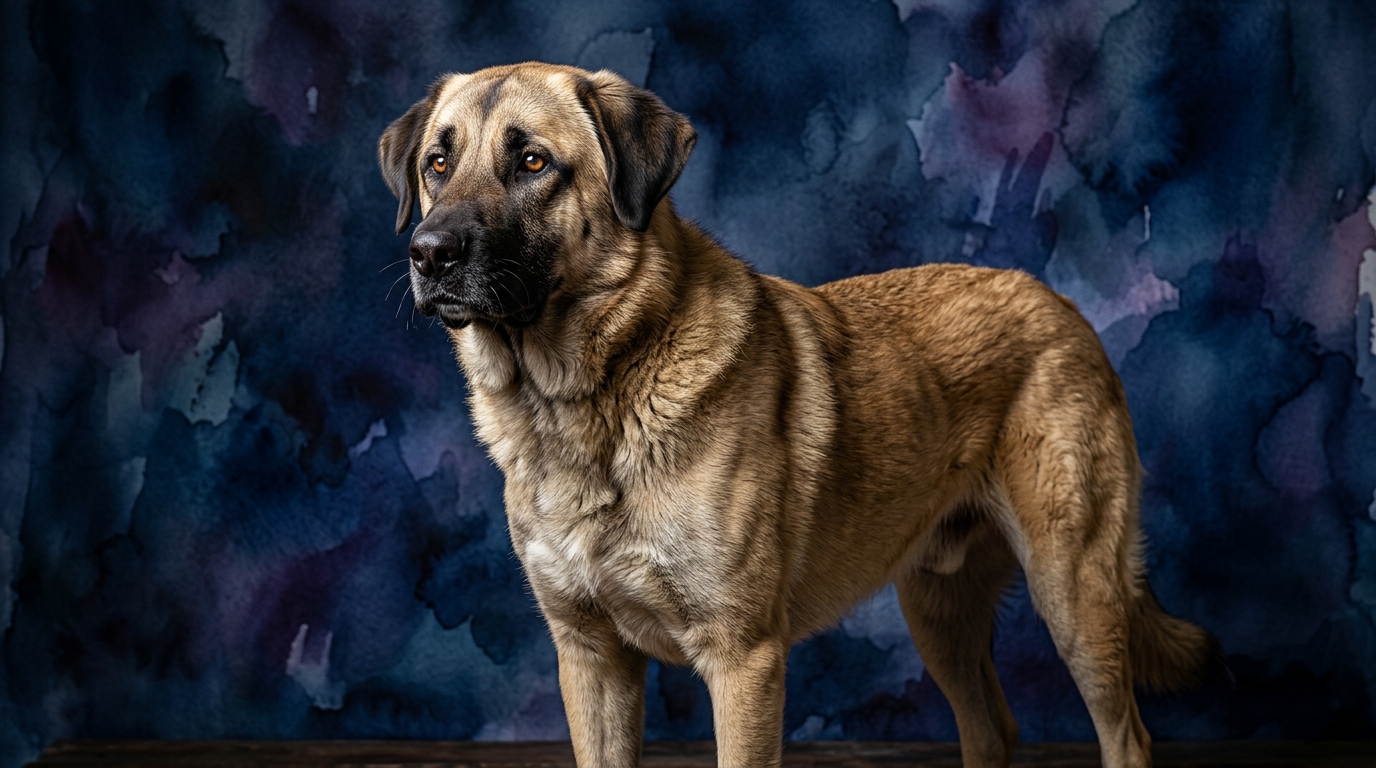
Side-by-Side Cognitive Profiles: Boxer vs. Anatolian Shepherd Dog
The Cosmic Pet Pet IQ Lab provides a structured way to understand canine cognition across five key dimensions. For the Boxer, ranked #48 by Coren for working and obedience intelligence, their profile details a moderate Problem Solving ability (3/5) where they often employ a practical, trial-and-error approach to novel challenges, often involving physical manipulation rather than abstract reasoning. Their Training Speed is also moderate (3/5); while eager to engage, their playful spirit can sometimes lead to distractibility, requiring consistent, positive reinforcement to solidify new behaviors. A Boxer's Social Intelligence is exceptional (5/5), granting them a profound capacity to read human emotions, intentions, and social cues, fostering deep, interactive bonds within a family unit. Their Instinctive Drive is robust (4/5), manifesting as a strong desire for play, interaction, and a protective vigilance, often channeled into energetic engagement. Finally, their Memory is moderate (3/5), allowing them to retain learned commands and routines effectively with regular practice.
The Anatolian Shepherd Dog, a working breed not ranked by Coren due to their specialized, independent role, presents a different cognitive landscape. Their Problem Solving ability is moderate (3/5), particularly evident in their capacity to assess environmental situations and make autonomous decisions in their guarding duties, relying on observation and inherent strategic thinking rather than direct human guidance. Training Speed for an Anatolian is moderate (3/5); their independent nature means they learn best when tasks have a clear purpose, often requiring more patience and a different motivational approach than breeds driven primarily by a desire to please. Their Social Intelligence is moderate (3/5); they form strong, loyal bonds with their family and charges but exhibit a more reserved, watchful social demeanor, observing rather than actively seeking constant interaction. The Anatolian's Instinctive Drive is moderate (3/5), primarily expressed through a calm, vigilant guardianship, territorial awareness, and a deep-seated sense of responsibility. Their Memory is also moderate (3/5), particularly effective for recalling territory boundaries, livestock patterns, and perceived threats, contributing to their consistent long-term protective capabilities.
Where the Boxer Cognitively Excels
The Boxer's most prominent cognitive strength lies in its exceptional Social Intelligence (5/5). This isn't merely about friendliness; it's a sophisticated ability to interpret the nuances of human communication – from subtle shifts in tone and facial expressions to body language. This allows a Boxer to anticipate desires, offer comfort, and seamlessly integrate into complex family dynamics, often adjusting their behavior to suit the mood of their human companions. This deep empathetic connection is a hallmark of the breed, facilitating a truly symbiotic relationship. Furthermore, their higher Instinctive Drive (4/5) is largely channeled towards social engagement and play, making them eager participants in shared activities. This cognitive eagerness for interaction means they actively seek out joint experiences, demonstrating a profound capacity for emotional reciprocity that establishes them as highly attuned and responsive companions within a household.
Where the Anatolian Shepherd Dog Cognitively Excels
While the Anatolian Shepherd Dog's individual scores might appear lower in some typical companion dog metrics, their cognitive strengths are profoundly specialized and optimized for their historical role as independent guardians. Their Problem Solving (3/5) and Instinctive Drive (3/5) are uniquely integrated to enable autonomous decision-making within a defined territory. They excel at assessing environmental threats, identifying anomalies, and strategically positioning themselves to protect their charges without constant human oversight. This involves a nuanced cognitive process of risk evaluation and a calm, confident execution of protective duties. Their moderate Social Intelligence (3/5) is perfectly suited for their role, allowing them to form deep, loyal bonds with their family or flock while maintaining a necessary reserved vigilance towards strangers. This cognitive balance is crucial for effective guardianship, where an overly effusive social nature could compromise their protective effectiveness. Their Memory (3/5) is effectively applied to recalling territory specifics, routines, and perceived threats, ensuring consistent and reliable long-term protection.
Training Aptitude: Which Breed is More Amenable?
The Boxer generally presents as the more amenable breed for training, primarily due to their elevated Social Intelligence and strong Instinctive Drive for interaction. Their inherent desire to engage with and please their human companions provides a powerful motivational tool. Boxers are highly responsive to positive reinforcement, praise, and interactive training methods, and their ability to quickly read human cues makes communication during training sessions more fluid and efficient. While their Training Speed is moderate (3/5), their enthusiasm and focus on connection often translate into quicker comprehension and retention of commands, especially when training is framed as an enjoyable, shared activity. Consistent, short, and engaging sessions are typically very effective for this breed.
In contrast, the Anatolian Shepherd Dog, with its more independent nature and specialized guarding drive, demands a different training philosophy. Their moderate Training Speed (3/5) is often influenced by their need to understand the *purpose* behind a command, rather than simply complying to please. Training an Anatolian requires a patient, consistent approach that appeals to their inherent desire for structure and responsibility. Owners must establish clear boundaries and demonstrate confident leadership to gain their respect and cooperation. While they are capable learners, their self-directed nature means they may require more time and a deeper understanding of their motivations to overcome their natural inclination towards independent action, making training a partnership rather than strict obedience.
Matching Lifestyles: Active vs. Relaxed Owners
For active owners seeking a dynamic, highly interactive, and emotionally connected companion, the Boxer is an exceptional match. Their substantial Instinctive Drive (4/5) for play and engagement, coupled with a Social Intelligence (5/5) that thrives on shared activities, means they require consistent physical exercise and mental stimulation. Boxers excel in dog sports, long walks, and family play sessions, preferring to be an integral, energetic, and often boisterous part of daily life. Owners who enjoy frequent interaction, can provide ample outlets for their boundless enthusiasm, and appreciate a dog that is deeply attuned to their emotional state will find a Boxer to be a profoundly fulfilling partner and a constant source of joy.
Conversely, for owners who appreciate a more self-reliant, watchful presence and perhaps a more relaxed, yet structured, daily routine, the Anatolian Shepherd Dog is often more suitable. While they benefit from regular exercise, their moderate Instinctive Drive (3/5) is primarily channeled towards vigilance and territorial monitoring rather than constant high-energy play. Their independence and reserved Social Intelligence (3/5) mean they are content with a more observational role, requiring less direct, continuous interaction throughout the day. They are ideal for owners who value a calm, protective presence, possess the space to accommodate a breed with strong guarding instincts, and prefer a companion that operates with a degree of self-sufficiency rather than a constant demand for engagement. These owners understand that 'relaxed' for an Anatolian often means quietly surveying their domain.
The Verdict
Choose the Boxer if you seek a highly interactive, socially astute companion eager to participate in family life and shared activities, thriving on connection and playful engagement.
Choose the Anatolian Shepherd Dog if you value an independent, watchful guardian with a calm, protective demeanor, suited for a more self-directed role and less constant, high-energy interaction.
🧠 Find Your Pet's IQ Score
Our Pet IQ Lab assessment covers 25+ tests across 5 cognitive dimensions — personalized to your breed.
Take the Full IQ Test →Frequently Asked Questions
Is the Boxer truly more affectionate than the Anatolian Shepherd Dog?
The Boxer's high social intelligence means they express affection more outwardly and seek constant interaction, often displaying their bond through physical closeness and playful engagement. Anatolian Shepherd Dogs form deep bonds but express affection more reservedly, often through calm presence and loyalty rather than overt displays, reflecting their independent nature.
How do their problem-solving skills differ in practical scenarios?
While both score 3/5, a Boxer's problem-solving might manifest in figuring out how to get a toy from under furniture or manipulating a human for attention, often involving social cues. An Anatolian's problem-solving is typically applied to assessing environmental threats or managing livestock, making autonomous decisions based on their protective instincts rather than seeking human direction.
Which breed is better for a first-time dog owner?
The Boxer's social intelligence and eagerness to engage often make them a more forgiving and responsive choice for first-time dog owners willing to commit to their energy needs and consistent training. The Anatolian Shepherd Dog's independence and strong guarding instincts require an owner with experience in handling working breeds and understanding their specialized cognitive and behavioral traits.