Side-by-Side IQ Profile: Boxer vs. Collie (Rough)
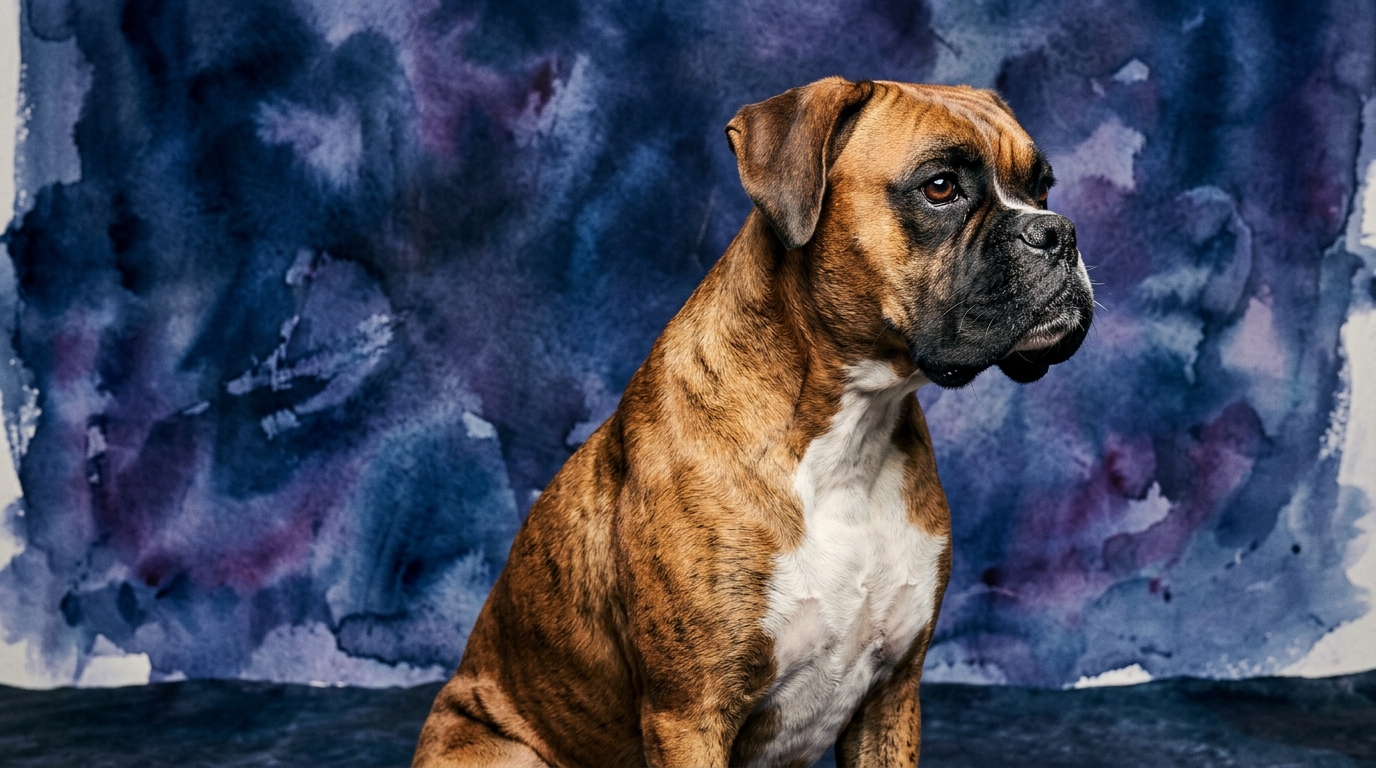
At The Cosmic Pet Pet IQ Lab, we assess canine cognition across five key dimensions. For the Boxer, a Working group dog with a Coren ranking of #48, their profile shows a problem-solving score of 3/5, indicating a moderate ability to tackle novel challenges. Their training speed is also 3/5, suggesting they learn at a steady pace with consistent effort. Where they truly excel is in social intelligence, scoring a perfect 5/5, demonstrating an exceptional understanding of human cues and emotions. Their instinctive drive is strong at 4/5, fueling their energetic engagement, while their memory stands at 3/5, practical for daily routines but not for extensive recall of complex sequences.
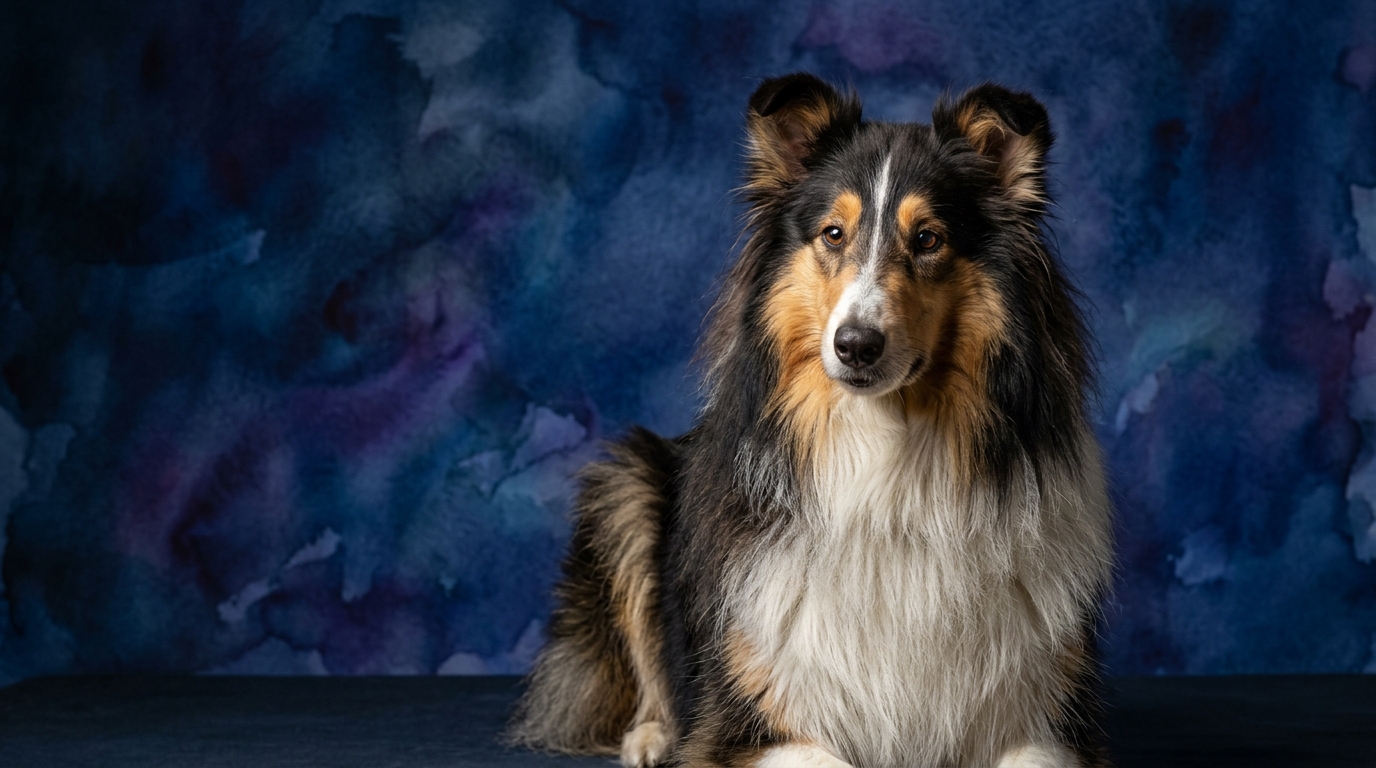
In contrast, the Collie (Rough), a Herding group dog with a significantly higher Coren ranking of #16, presents a different cognitive blueprint. Their problem-solving ability is rated 4/5, indicating a more strategic and analytical approach to obstacles. Training speed is 4/5, meaning they typically grasp new commands more quickly. Their social intelligence is 3/5, showing competence within their family unit but perhaps less adaptability in broader social contexts. Instinctive drive is 3/5, often manifesting as purposeful rather than relentless energy, and their memory is outstanding at 5/5, allowing them to retain a vast amount of information with impressive longevity.
Where the Boxer Cognitively Excels
The Boxer's peak cognitive performance is undeniable in the realm of social intelligence, scoring a perfect 5/5. This means a Boxer is exceptionally adept at reading human body language, vocal tones, and emotional states, often preempting needs or offering comfort without explicit commands. Their deep understanding of social dynamics allows them to integrate seamlessly into family structures, becoming not just pets but intuitive companions who participate actively in the emotional life of the household. This cognitive strength translates into an unparalleled ability to bond deeply, making them wonderfully interactive and responsive to their human counterparts.
Furthermore, the Boxer's instinctive drive, rated at 4/5, underpins their spirited engagement with the world. This isn't just about physical energy; it's a profound internal motivation that fuels their play, their desire to "work" alongside their humans, and their protective instincts. Their drive ensures they are always ready for action, whether it's a game of fetch, a brisk walk, or simply being an attentive presence. This cognitive engine makes them incredibly engaging partners for active families who appreciate a dog with a zest for life and a strong, inherent desire to participate in activities.
Where the Collie (Rough) Cognitively Excels
The Rough Collie's cognitive profile showcases distinct strengths, particularly in memory and problem-solving. With a memory score of 5/5, these dogs possess a remarkable ability to retain information, from complex command sequences to the nuances of daily routines, making past lessons stick with impressive tenacity. This formidable recall is a cornerstone of their learning capacity, allowing them to build an extensive repertoire of understood behaviors and respond reliably over time.
Their problem-solving aptitude, rated 4/5, further differentiates them. Rough Collies are often observed systematically approaching novel situations, evaluating options, and executing logical steps to achieve an outcome. This cognitive flexibility means they are not just rote learners but can adapt their understanding to new contexts, figuring out how to open gates or retrieve specific items with thoughtful deliberation. This mental agility, combined with their 4/5 training speed, places them significantly higher in Coren's ranking (#16) compared to the Boxer (#48), indicating a more sustained capacity for understanding and executing complex instructions. Their quicker grasp of concepts and superior retention make them prime candidates for advanced obedience or specialized tasks requiring detailed instruction.
Which is Easier to Train and Why?
When evaluating trainability, the Rough Collie generally presents a more straightforward path for most owners. Their training speed, rated 4/5, indicates they grasp new commands and concepts relatively quickly, absorbing lessons with fewer repetitions than many breeds. This is powerfully augmented by their exceptional memory (5/5), meaning once a lesson is learned, it tends to stick, reducing the need for constant re-teaching. Moreover, their 4/5 problem-solving ability allows them to understand the "why" behind commands, applying learned behaviors in varied situations rather than just performing rote actions.
The Boxer, with a training speed of 3/5 and memory of 3/5, requires a different approach. While enthusiastic and possessing high social intelligence (5/5) that makes them eager to please, their attention can be more easily diverted. Training a Boxer often involves creative, engaging, and highly consistent methods to keep their focus and solidify new information. Their moderate problem-solving (3/5) means they might need more guidance in executing complex tasks. While Boxers are certainly trainable and achieve impressive results, their journey typically demands more patience, ingenuity, and a structured, playful environment from their trainers to harness their lively spirit effectively.
Suitability for Active vs. Relaxed Owners
For owners seeking a highly interactive and physically engaged companion, the Boxer stands out. Their instinctive drive (4/5) and robust physical nature mean they thrive on regular, vigorous activity and direct participation in family adventures. They are built for movement and interaction, making them ideal for individuals or families who enjoy hiking, running, or extended play sessions. Beyond physical activity, their outstanding social intelligence (5/5) means they crave deep connection and thrive when they are central to family life, participating in everything from quiet evenings to boisterous games. They are not content to be mere observers but active, enthusiastic household members, demanding consistent social engagement to feel fulfilled.
The Rough Collie, while certainly enjoying activity, is often better suited for owners who appreciate mental engagement as much as physical exertion, or those with a slightly more relaxed pace. Their strong problem-solving (4/5) and memory (5/5) capabilities mean they excel in activities like obedience, agility, or even puzzle toys that challenge their minds. Their instinctive drive (3/5) is less about relentless physical output and more about purposeful activity, like structured walks or engaging in training sessions. While they need daily exercise, a Collie might be more content with a couple of moderate walks and some engaging mental work, rather than constant high-intensity physical demands, making them a good fit for owners who enjoy a balanced routine incorporating both physical and significant mental stimulation.
The Verdict
Choose a Boxer if you seek a deeply socially intelligent, highly interactive companion eager for robust physical play and emotional connection within an active family setting.
Opt for a Rough Collie if you value a quick-learning, mentally agile partner with exceptional memory, thriving on structured training, problem-solving tasks, and a balanced routine.
🧠 Find Your Pet's IQ Score
Our Pet IQ Lab assessment covers 25+ tests across 5 cognitive dimensions — personalized to your breed.
Take the Full IQ Test →Frequently Asked Questions
Do Boxers and Rough Collies differ in their ability to adapt to new environments?
Yes, their cognitive profiles suggest differences. Boxers, with their high social intelligence, might adapt well due to their focus on human interaction, relying on their bond with owners. Rough Collies, with strong problem-solving and memory, might adapt by quickly learning the new environment's routines and boundaries.
How does their instinctive drive affect their daily needs?
The Boxer's 4/5 instinctive drive translates to a greater need for vigorous physical activity and interactive play, often incorporating protective or 'working' behaviors. The Rough Collie's 3/5 drive is more about purposeful activity, like patrolling or structured tasks, requiring mental engagement alongside moderate physical exercise.
Can either breed be a good choice for first-time dog owners?
Both breeds can be suitable for first-time owners who are committed to understanding their specific needs. A Rough Collie's quicker training speed and memory can make initial training smoother. A Boxer's social intelligence means they are very responsive to their owner, but their energy and need for consistent, engaging training should be considered.