
Side-by-side IQ profile
Hailing from the Working Group, the Boxer exhibits a nuanced cognitive profile. Their problem-solving ability scores 3 out of 5, indicating they can tackle straightforward challenges but might need more guidance for complex puzzles. Training speed is also 3 out of 5, suggesting consistency and patience are key for skill acquisition. Where Boxers truly shine is in social intelligence, scoring a perfect 5 out of 5, demonstrating an exceptional capacity to read and respond to human emotions and cues. Their instinctive drive is strong at 4 out of 5, making them eager participants in activities that tap into their innate working heritage, while memory registers at a moderate 3 out of 5, requiring periodic refreshers for learned behaviors.
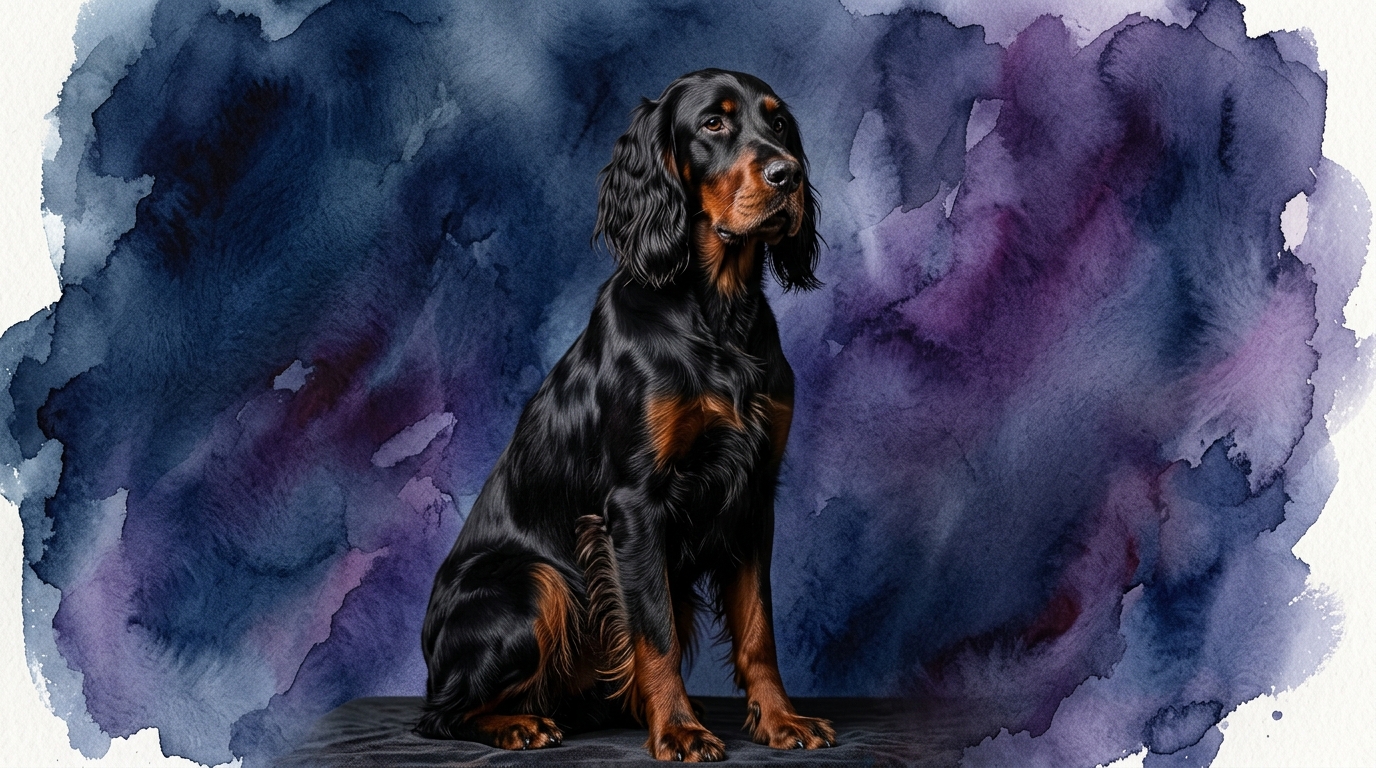
As a member of the Sporting Group, the Gordon Setter presents a different cognitive blueprint. They demonstrate a commendable problem-solving ability at 4 out of 5, showing an aptitude for independently figuring out novel situations. Their training speed matches this at 4 out of 5, implying a quicker grasp of new commands and routines compared to many breeds. Social intelligence, while present, scores 3 out of 5, indicating they are attentive but may not possess the same intuitive grasp of human subtleties as some other breeds. Their instinctive drive is 3 out of 5, focused on their traditional hunting roles, and their memory is a strong 4 out of 5, allowing them to retain information and learned skills effectively over time.
Where Boxer wins cognitively
The Boxer's undeniable cognitive strength lies in their profound social intelligence, scoring an exceptional 5 out of 5. This makes them masters of communication within a human family, adept at interpreting subtle shifts in tone, body language, and emotional states. They often anticipate needs or reactions, forming incredibly deep and intuitive bonds with their owners, which translates into a strong desire to please and participate in shared activities. This strong social drive fuels their eagerness for interaction and makes them highly responsive to praise and connection.
Furthermore, the Boxer's instinctive drive, rated 4 out of 5, is a significant asset in environments where they can engage in active, task-oriented play or structured work. This drive manifests as a natural inclination to guard, protect, and engage in vigorous physical activity, making them excellent companions for owners who enjoy canine sports, protection training, or simply robust outdoor adventures. Their enthusiasm for engagement, combined with their social acumen, means they thrive when given a role and clear direction within their human pack, channeling their energy constructively.
Where Gordon Setter wins cognitively
The Gordon Setter exhibits a clear cognitive advantage in problem-solving, earning a solid 4 out of 5. This suggests an independent streak and a capacity to navigate complex environments or novel situations with thoughtful consideration, often finding solutions without constant human intervention. They are less likely to rely solely on direction and more inclined to assess and strategize, a trait valuable for tasks requiring initiative and intelligent decision-making, such as tracking or navigating varied terrain during a hunt.
Their superior memory, scoring 4 out of 5, also sets them apart. Gordon Setters are adept at recalling past experiences, learned commands, and spatial information, meaning that once a lesson is ingrained, it tends to stick. This robust memory complements their quicker training speed, allowing them to build a broad repertoire of skills and behaviors that remain accessible long after initial instruction. This cognitive trait makes them reliable partners in activities that demand consistent performance and recall, such as advanced obedience or field trials.
Which is easier to train and why
Comparing training ease, the Gordon Setter holds an edge with a training speed of 4 out of 5, contrasting with the Boxer's 3 out of 5. This means Gordon Setters typically grasp new commands and concepts more quickly, requiring fewer repetitions to solidify a behavior. Their higher problem-solving ability also contributes to this, as they can often infer what is being asked of them and adapt their responses more readily, making training sessions efficient.
However, "easier" is nuanced. While Gordon Setters may pick up commands faster, their lower social intelligence (3/5) and independent nature mean they might require more intrinsic motivation or consistent reinforcement to comply, especially if the task isn't inherently rewarding to them. Boxers, despite a slightly slower training speed, can be highly motivated by their exceptional social intelligence (5/5) and desire to please their human companions. For a Boxer, the act of training itself, with its direct interaction and praise, can be a powerful reward, often making them enthusiastic, albeit sometimes more persistent, students.
Which suits active owners vs relaxed owners
The Boxer, with its robust instinctive drive (4/5) and unparalleled social intelligence (5/5), is an ideal match for active owners who seek a highly engaged and interactive companion. They thrive on consistent physical activity like brisk walks, jogging, or dog sports, and their strong desire for human connection means they want to be integral to family life. Owners who enjoy teaching new tricks, engaging in play, and providing plenty of companionship will find the Boxer's zest for life and social nature incredibly rewarding, channeling their energy into constructive outlets.
In contrast, the Gordon Setter, possessing strong problem-solving skills (4/5) and good memory (4/5) coupled with a moderate instinctive drive (3/5) and social intelligence (3/5), suits owners who appreciate a dog with a more independent spirit and a love for exploration. They require regular exercise, particularly activities that allow them to use their scenting abilities and cover ground, but may not demand constant human interaction in the same way a Boxer does. Owners who enjoy long hikes, field work, or provide mental challenges through puzzles or training games will find the Gordon Setter's thoughtful and self-reliant nature a perfect fit, offering companionship that values both shared adventures and individual space.
The Verdict
Choose a Boxer if you seek an intensely social, family-oriented companion who thrives on human connection, spirited play, and active participation in your daily life, and are prepared for consistent, positive reinforcement training.
Opt for a Gordon Setter if you appreciate an independent, thoughtful canine partner capable of self-directed problem-solving and quick learning, especially if you can provide ample opportunities for exploration, scent work, and engaging mental challenges.
🧠 Find Your Pet's IQ Score
Our Pet IQ Lab assessment covers 25+ tests across 5 cognitive dimensions — personalized to your breed.
Take the Full IQ Test →Frequently Asked Questions
Do Boxers get along well with children?
Yes, Boxers typically exhibit exceptional social intelligence (5/5), making them particularly adept at interacting with children. Their playful and patient nature, combined with their strong desire for family integration, often makes them gentle and protective companions, though supervision is always advised with any dog and child.
Are Gordon Setters prone to wandering?
Gordon Setters possess a moderate instinctive drive (3/5) rooted in their hunting heritage, which can manifest as an inclination to follow interesting scents. While not excessively prone to wandering, their problem-solving ability (4/5) and independence mean a securely fenced yard and reliable recall training are important for their safety during outdoor activities.
Which breed is better for apartment living?
Neither breed is ideally suited for confined apartment living without substantial daily exercise and mental stimulation. However, if sufficient outdoor activity is guaranteed, a Boxer's strong social need might make them more content indoors with their family, whereas a Gordon Setter's need for space to explore and scent could be more challenging to fulfill in a small dwelling.