
Side-by-Side: Unpacking Their IQ Profiles
The Cosmic Pet Pet IQ Lab employs a multi-faceted approach to canine intelligence, moving beyond simple obedience to explore five key dimensions. For the Boxer, a distinguished Working breed ranked #48 by Coren, its cognitive strengths lean heavily into social dynamics. Its Problem Solving is rated 3/5, indicating a capacity for learned behaviors and routines rather than spontaneous, complex solutions, while its Training Speed also stands at 3/5, suggesting a moderate pace of acquisition that thrives on consistency. Where the Boxer truly shines is in Social Intelligence, scoring a perfect 5/5; these dogs are profoundly attuned to human emotions and social cues, making them intuitive companions. Their Instinctive Drive is a solid 4/5, reflecting their heritage in guarding and protection, and their Memory is rated 3/5, sufficient for daily routines and commands.
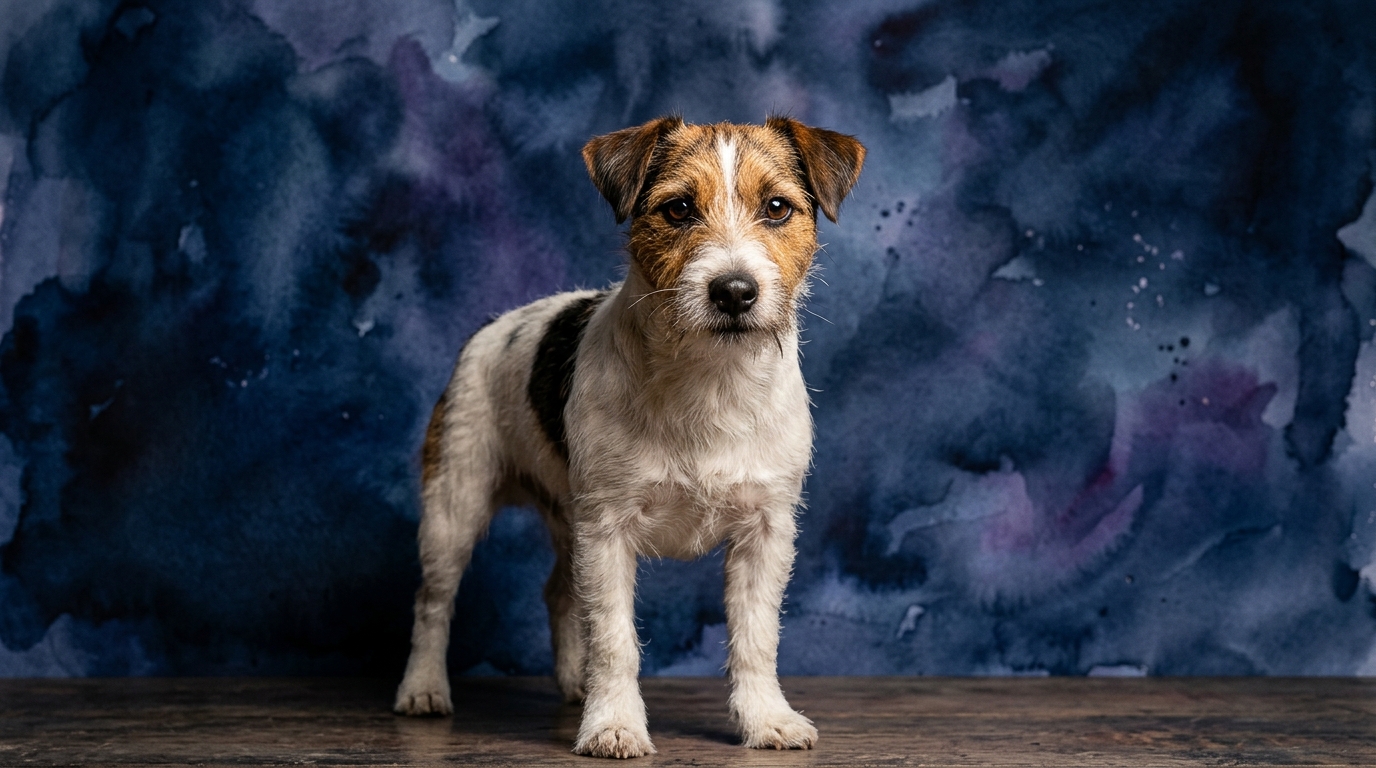
In contrast, the Jack Russell Terrier, a vibrant Terrier breed not typically included in Coren's traditional obedience rankings, presents a different cognitive landscape. Its Problem Solving ability is an exceptional 5/5, showcasing a remarkable capacity for independent thought and creative solutions to obstacles. Despite this, its Training Speed mirrors the Boxer's at 3/5, often complicated by its strong will and independent streak. The Jack Russell's Social Intelligence is a moderate 3/5, indicating competence but less emphasis on deeply empathetic human connection compared to the Boxer. Its Instinctive Drive is an unparalleled 5/5, a testament to its formidable prey drive and relentless tenacity. Finally, its Memory is a strong 4/5, allowing it to recall complex sequences and locations with precision, serving its working heritage.
Where the Boxer's Cognition Prevails
The Boxer's true cognitive superiority lies in its profound social intelligence and unparalleled capacity for cooperative living. With a 5/5 rating in social intelligence, these dogs possess an innate ability to 'read' human emotions, understand subtle body language, and integrate seamlessly into a family unit, often anticipating needs or moods. This isn't merely obedience; it's a deep, intuitive understanding of social dynamics, allowing them to form exceptionally strong, empathetic bonds.
Their cognitive strengths are perfectly suited for roles where partnership and mutual understanding are paramount, such as therapy work or simply being a devoted family member who intuitively offers comfort. This breed excels in tasks that require synchronized effort with a human partner, demonstrating a willingness to follow direction and adapt their behavior based on social feedback. This deep social awareness means they are often more forgiving of training mistakes, relying on the bond to repair and continue learning, a distinct cognitive advantage in a shared environment.
Where the Jack Russell Terrier's Intellect Shines
Conversely, the Jack Russell Terrier's cognitive prowess is most evident in its exceptional problem-solving abilities and formidable instinctive drive. Scoring a perfect 5/5 in problem-solving, these terriers are master strategists when it comes to overcoming obstacles, whether it's figuring out a complex latch, excavating an impressive tunnel system, or devising a novel way to reach a coveted toy. This isn't about following cues; it's about independent, innovative thinking to achieve a goal, often driven by their intense curiosity and tenacity.
Their 5/5 instinctive drive further fuels this cognitive strength, as their relentless pursuit of perceived 'prey' or intriguing scents requires constant situational assessment and adaptive strategy. A Jack Russell can remember intricate pathways and the locations of hidden objects with remarkable accuracy (4/5 memory), a crucial skill for their original purpose of flushing out vermin. Their intelligence is less about pleasing a human and more about mastering their environment and satisfying their inherent drives, making them formidable little thinkers in practical, self-serving scenarios. This breed's cognitive strengths make them exceptionally capable in agility, earthdog trials, or any activity that demands independent thought, quick reflexes, and unyielding persistence.
Training: Cooperation vs. Independent Drive
When considering ease of training, the fundamental behavioral differences between these two breeds become starkly apparent, despite both having a 3/5 Training Speed rating. The Boxer, with its outstanding social intelligence (5/5), possesses a strong desire to please and connect with its human companions. This deep-seated cooperative spirit means that while they may not grasp new concepts with lightning speed, they are highly motivated by positive reinforcement and the opportunity to strengthen their bond. Their training journey is often characterized by enthusiasm and a willingness to engage, making them generally more straightforward for the average owner to guide. They thrive on consistency and clear communication, viewing training as a shared activity.
The Jack Russell Terrier, on the other hand, presents a unique training challenge. While equally capable of learning (3/5 Training Speed), their lower social intelligence (3/5) combined with an overwhelming instinctive drive (5/5) and superior problem-solving (5/5) means they are often more focused on their own agenda than human directives. They might understand a command perfectly but choose to ignore it if their prey drive is activated by a squirrel, or if they've independently assessed a more 'interesting' course of action. Training a Jack Russell requires immense creativity, patience, and a deep understanding of their terrier nature, often involving channeling their drives into structured activities rather than attempting to suppress them entirely. For most owners, the Boxer's inherent cooperativeness makes it a less demanding training partner.
Lifestyle Match: Active Pursuits or Relaxed Companionship
The distinct cognitive and physical profiles of the Boxer and Jack Russell Terrier dictate very different ideal living arrangements and owner lifestyles. A Boxer, while possessing a strong instinctive drive (4/5) and requiring substantial physical activity, is also deeply fulfilled by social interaction and companionship. They are robust dogs that thrive on daily walks, structured play, and being an integral part of family activities. While they are not couch potatoes, their social intelligence means they are content to relax indoors with their people after their exercise needs are met. They are a good fit for active families or individuals who enjoy daily outdoor adventures but also cherish significant downtime with their canine companion.
Conversely, the Jack Russell Terrier demands an exceptionally active and engaged owner. Their extreme instinctive drive (5/5) and high problem-solving capacity (5/5) mean they require constant mental and physical stimulation to prevent boredom and destructive behaviors. These dogs are perpetual motion machines, needing outlets for their chasing, digging, and exploring instincts daily, often for several hours. A 'relaxed owner' simply cannot meet the intense needs of a Jack Russell; they are best suited for highly energetic individuals or families who participate in dog sports like agility, flyball, or earthdog trials, and who relish the challenge of channeling a formidable, independent intellect into productive endeavors. For the Jack Russell, physical exertion and mental puzzles are not just beneficial; they are absolute necessities for their well-being.
The Verdict
For those seeking a deeply empathetic, cooperative, and family-oriented companion who thrives on social connection and structured engagement, the Boxer is an exceptional choice. They offer intuitive understanding and a willing partnership, integrating seamlessly into a home environment.
If your lifestyle is defined by intense activity, a love for independent thinkers, and a readiness to channel formidable drives into challenging tasks, the Jack Russell Terrier will be a rewarding, albeit demanding, partner. They are for the owner who appreciates a dog with an unyielding spirit and a sharp, self-reliant mind.
🧠 Find Your Pet's IQ Score
Our Pet IQ Lab assessment covers 25+ tests across 5 cognitive dimensions — personalized to your breed.
Take the Full IQ Test →Frequently Asked Questions
Are Boxers good family dogs?
Yes, Boxers excel as family companions due to their exceptional social intelligence and strong desire to bond. They are often patient and protective, forming deep connections with all household members, making them intuitive and loving additions.
Do Jack Russell Terriers get along with other pets?
Jack Russell Terriers can co-exist with other pets, especially if introduced early, but their intense prey drive requires careful management around smaller animals like cats or rodents. Their independent nature means they might not always seek close companionship with other dogs, though they can be civil.
How much exercise do these breeds need daily?
Both breeds require substantial daily exercise, but for different reasons. Boxers benefit from long walks, interactive play, and mental stimulation for about 1-2 hours, while Jack Russell Terriers demand intense, varied activities, often 1.5-3 hours, to satisfy their relentless physical and mental energy and strong drives.