
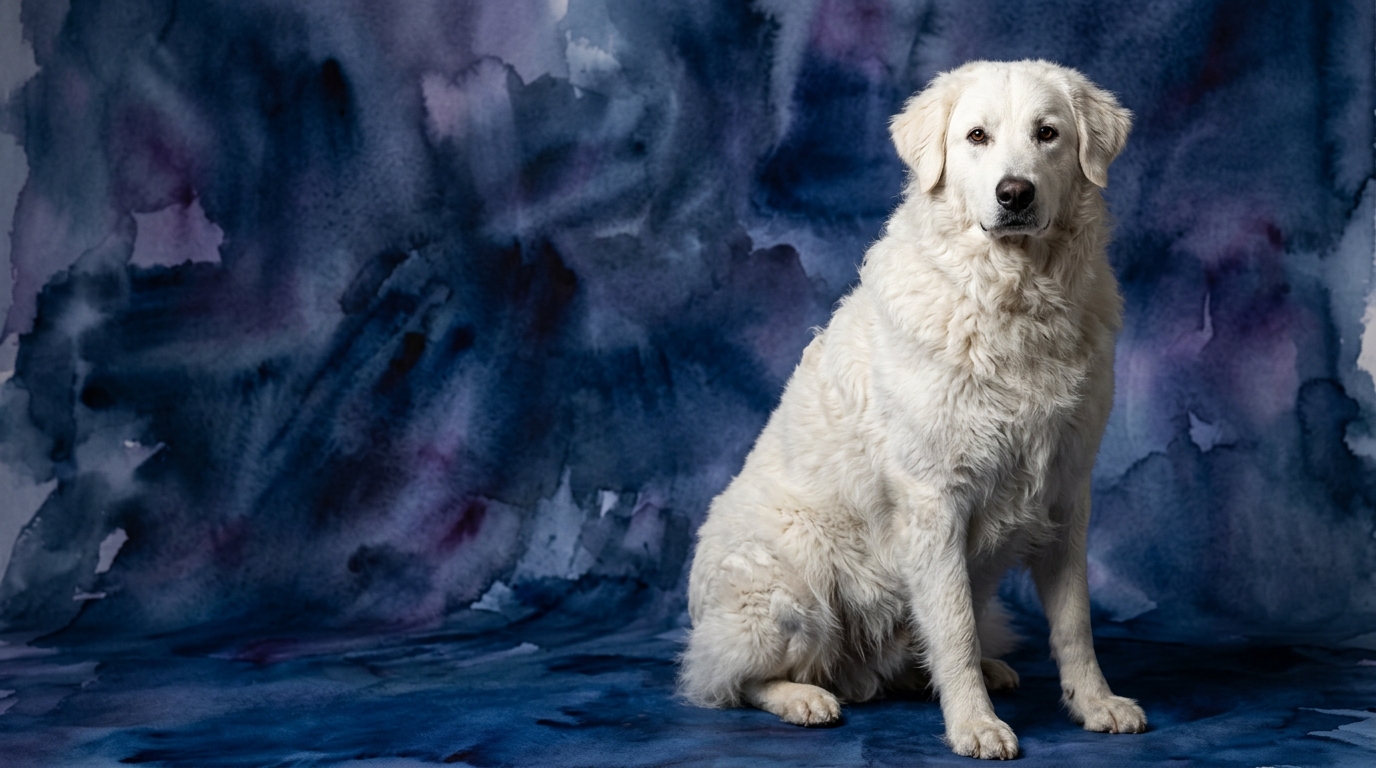
Side-by-Side Cognitive Profile: Boxer vs. Kuvasz
At The Cosmic Pet Pet IQ Lab, we delve into the unique cognitive makeup of each breed, offering a detailed look beyond general perceptions. The Boxer, ranking #48 in Coren's intelligence order, demonstrates a distinct cognitive pattern, particularly excelling in areas of social interaction. Its Problem Solving is rated 3/5, indicating a moderate ability to figure out dilemmas, often preferring to engage its human companions for solutions. Training Speed also sits at 3/5, suggesting they learn new commands at an average pace, with their enthusiasm sometimes outweighing immediate focus. Social Intelligence is where the Boxer truly shines, earning a top score of 5/5; they are remarkably adept at reading human emotions and social cues, fostering deep bonds. Their Instinctive Drive is a robust 4/5, fueling their energetic play and protective instincts. Finally, their Memory is rated 3/5, meaning they recall basic commands reliably but might need refreshers for more complex tasks.
The Kuvasz, with a slightly higher Coren rank of #42, presents a different cognitive landscape, marked by independence and strong recall. Like the Boxer, its Problem Solving is 3/5, though their approach is often more deliberate and self-reliant, observing situations before acting. Their Training Speed is also 3/5, but learning can be influenced by their independent nature, requiring patience and clear purpose from the trainer. Social Intelligence for the Kuvasz is 3/5; while devoted to their family, they are typically more reserved with strangers and less outwardly demonstrative than the Boxer. Their Instinctive Drive is 3/5, primarily channeled into their historical role as vigilant guardians. The Kuvasz's standout cognitive strength is its Memory, scoring an impressive 4/5, allowing them to retain complex routines, boundaries, and a detailed understanding of their environment with remarkable consistency.
Where the Boxer Wins Cognitively
The Boxer's standout cognitive strength lies in their exceptional social intelligence, rated at a perfect 5/5. This remarkable aptitude allows them to interpret human body language, vocal inflections, and emotional states with impressive accuracy, enabling them to integrate seamlessly into family dynamics. This cognitive empathy means Boxers often anticipate their owner's moods, offering comfort or initiating playful engagement at precisely the right moment, thereby forging an extraordinarily strong human-animal bond. Their high social intelligence also translates into an effective communication style, utilizing varied vocalizations and expressive gestures to convey their own needs and desires, making them highly responsive and interactive companions in daily life. Furthermore, their robust instinctive drive (4/5) frequently manifests as an intense desire for engagement and activity, which can be skillfully channeled into collaborative tasks and games. This drive, coupled with their social aptitude, makes them eager participants in shared experiences, from energetic play sessions to family outings, where they thrive on interaction and a sense of shared purpose.
Where the Kuvasz Wins Cognitively
The Kuvasz's most prominent cognitive advantage is their superior memory, distinguished with a 4/5 rating. This robust recall capacity enables them to retain intricate information about their environment, including precise territory boundaries, the identity of familiar individuals versus perceived threats, and complex daily routines. This memory strength is critically important for their historical role as independent guardians, allowing them to patrol and protect their domain effectively without requiring constant human direction. They remember where potential vulnerabilities might lie or where their flock needs monitoring, demonstrating a profound internal map of their responsibilities. Unlike the Boxer's socially-driven memory, the Kuvasz's memory is more focused on practical, spatial, and relational information directly pertinent to their guarding duties. This allows them to develop a deep, internalized understanding of their role, leading to consistent and reliable behavior over extended periods. Their moderate instinctive drive (3/5) is primarily directed towards this protective vigilance, meaning their cognitive resources are efficiently allocated to maintaining order and security within their defined territory. This translates into a dog that, once clearly taught the rules of its household and boundaries, will adhere to them with remarkable consistency, relying on its well-developed memory to enforce these established parameters.
Training Aptitude: Boxer vs. Kuvasz
Comparing the Boxer and Kuvasz for ease of training reveals distinct challenges and rewards, each deeply rooted in their foundational cognitive profiles. Both breeds share a 3/5 rating for training speed, suggesting a moderate pace of learning, but their underlying motivations and social orientations diverge significantly. The Boxer, with its exceptional social intelligence (5/5), tends to be more receptive to training when it is framed as a collaborative, engaging activity. They thrive on positive reinforcement that includes praise, interactive play, and ample human attention, often viewing training sessions as an opportunity to strengthen their bond and please their family. Their strong instinctive drive (4/5) for activity and connection can be expertly harnessed to make training dynamic and enjoyable, though their occasional bouts of playful exuberance or a shorter attention span might necessitate patient, consistent, and creative approaches to maintain focus. They are generally more forgiving of handler errors and eager to re-engage.
The Kuvasz, while equally capable, approaches training with a different perspective due to its moderate social intelligence (3/5) and strong independent memory (4/5). They are less driven by an inherent desire to please and more by their own assessment of a command's utility or logical consistency. Training a Kuvasz requires a leader who is calm, supremely consistent, and commands respect through clear, fair communication rather than constant effusive praise. They will learn, and their strong memory ensures excellent retention, but they may question repetitive drills or commands they perceive as unnecessary or illogical. Their independent nature, a legacy of their guardian role, means they are not inherently motivated by continuous human affirmation; instead, they value a clear understanding of expectations and a stable, predictable routine. Therefore, while both require unwavering consistency, the Boxer flourishes with playful, interactive training, whereas the Kuvasz responds best to a confident, consistent leader who respects their independence and presents tasks with clear, logical purpose.
Lifestyle Match: Active vs. Relaxed Owners
The choice between a Boxer and a Kuvasz largely hinges on an owner's lifestyle and their readiness to engage with their dog's specific needs for activity and mental stimulation. Boxers are undoubtedly better suited for active owners. Their robust instinctive drive (4/5) for physical activity, combined with their exceptional social intelligence (5/5), means they thrive on constant engagement and shared adventures. They require significant daily exercise, not just for physical health but also for mental well-being, preferring activities that involve their human family, such as long runs, vigorous play in the park, or participation in dog sports like agility or obedience. A Boxer without sufficient outlets for its energy and social needs can become bored, potentially leading to destructive behaviors. Their need for interaction extends beyond physical activity; they genuinely want to be part of every family event, making them ideal for households where the dog is a central, involved member.
The Kuvasz, while a large and powerful working breed, might appeal to owners who are active in a different sense – those who appreciate a dog with a strong sense of purpose and a more independent streak, rather than constant interactive play. Their instinctive drive (3/5) is more geared towards patrolling and observation than high-octane fetch sessions. While they certainly require regular exercise to maintain their physical condition, their activity is often more self-directed and less dependent on continuous human participation than a Boxer's. They enjoy having a large yard or property to survey and will engage in moderate, purposeful walks. For owners who are 'relaxed' in the sense that they enjoy a more independent companion who isn't constantly demanding attention, but still understand the need for space and a 'job,' a Kuvasz could be a fit. However, 'relaxed' should never equate to neglect of their protective instincts or their mental need for a stable routine and clear boundaries. They are not suitable for entirely sedentary lifestyles, but their activity needs are less about intense, shared bursts and more about consistent, purposeful movement within their established domain.
The Verdict
Opt for a Boxer if you are an active individual or family seeking a highly social, engaging, and playful companion who thrives on shared activities and deep emotional connection.
Select a Kuvasz if you desire an independent, watchful guardian with a remarkable memory, appreciating a dog that is devoted to its family but less outwardly effusive and more self-reliant.
🧠 Find Your Pet's IQ Score
Our Pet IQ Lab assessment covers 25+ tests across 5 cognitive dimensions — personalized to your breed.
Take the Full IQ Test →Frequently Asked Questions
Are Boxers good family dogs?
Absolutely. Their exceptional social intelligence and affectionate nature make them wonderful family companions, especially with consistent training and ample opportunity for interaction. They thrive on being part of the family unit and are typically good with children.
Do Kuvasz dogs bark a lot?
Kuvasz dogs can be prone to barking, particularly as part of their guarding instincts. They will often alert to perceived threats or strangers approaching their territory, so early training and socialization are crucial to manage this behavior effectively.
Which breed is better for first-time dog owners?
For first-time dog owners, the Boxer might be a slightly more forgiving choice due to their eagerness to please and higher social intelligence. The Kuvasz's independent nature and strong guarding instincts typically require an owner with confidence and experience in consistent leadership.