Side-by-Side Cognitive Profile
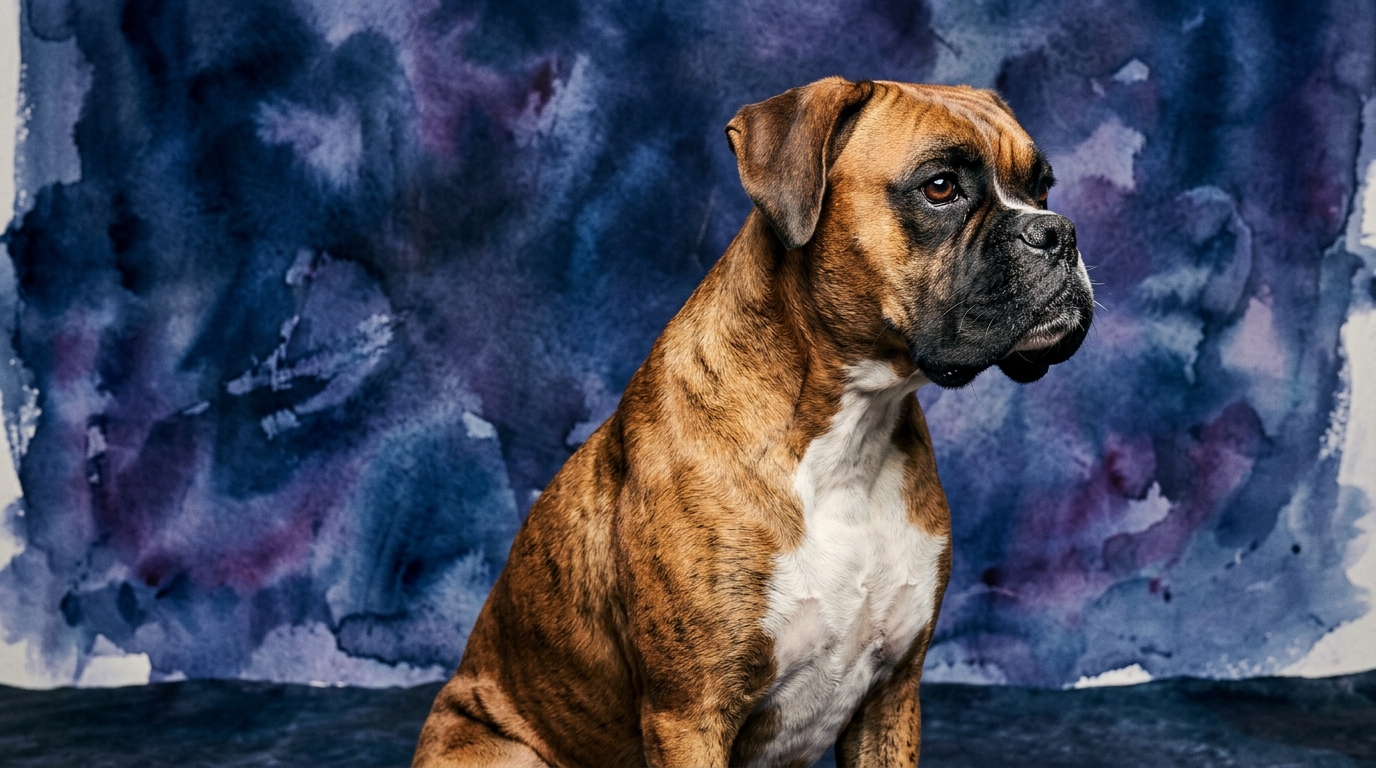
The Boxer, ranking #48 on the Coren scale, demonstrates a balanced yet distinct cognitive makeup. Their Problem Solving is rated 3/5, indicating a moderate capacity for navigating novel challenges, often with a trial-and-error approach rather than complex strategic planning. Training Speed also sits at 3/5; while capable, their energetic nature can lead to distractibility, necessitating engaging and consistent methods. A standout trait is their Social Intelligence at 5/5, reflecting an exceptional understanding of human cues and emotions, making them highly attuned companions. Their Instinctive Drive is robust at 4/5, fueling their enthusiasm for activity and tasks, while Memory is competent at 3/5, allowing for reliable retention of routines and commands.
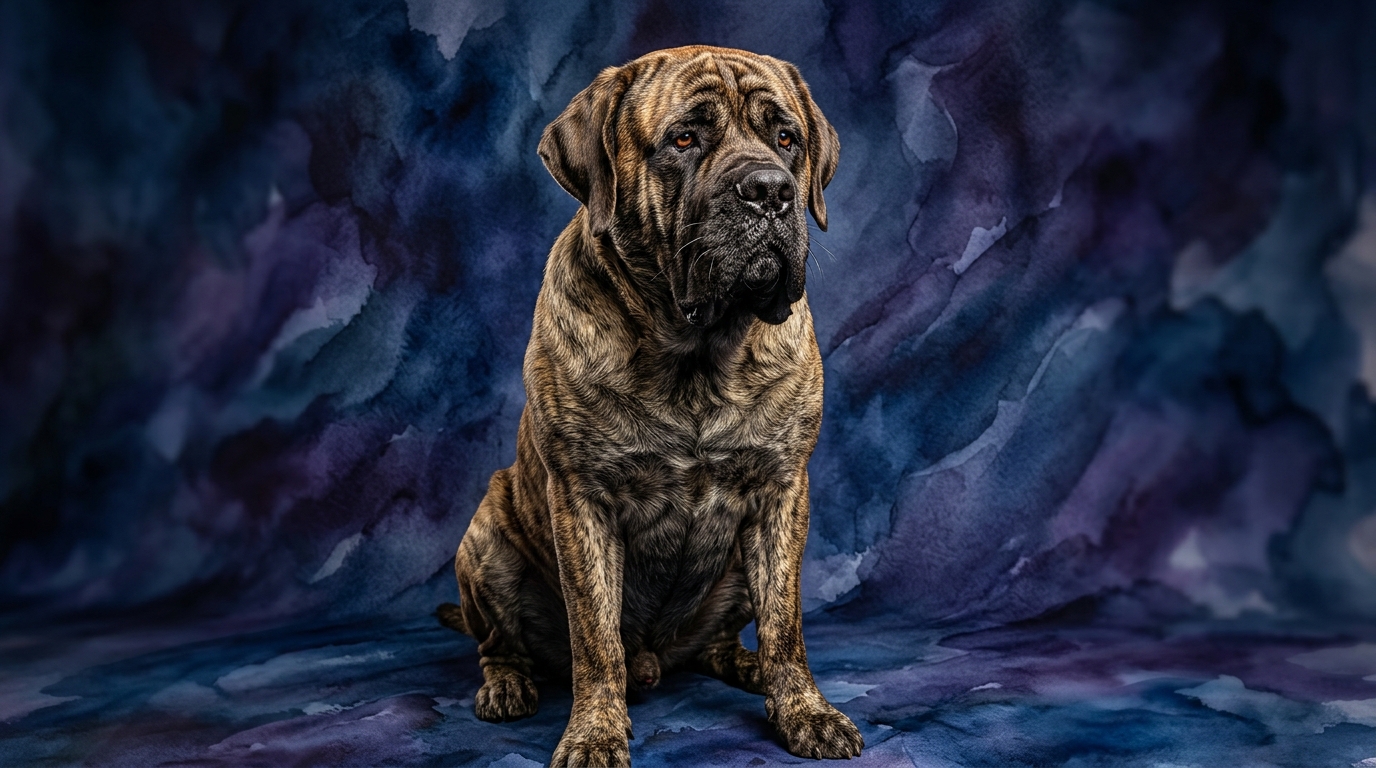
The Mastiff, with a Coren ranking of #72, exhibits a more reserved, yet equally capable, cognitive profile. Like the Boxer, their Problem Solving is 3/5, approaching issues with a deliberate, often ponderous style, capable of figuring out straightforward solutions. Training Speed is also 3/5; their immense physical presence and independent streak demand patience and consistent instruction. Social Intelligence is rated 3/5; while affectionate with family, they are less overtly expressive or reliant on constant human interaction. Their Instinctive Drive is moderate at 3/5, translating to a calmer disposition and less inherent need for constant physical engagement, and their Memory is 3/5, enabling steady retention of information and routines once established.
Where the Boxer Excels Cognitively
The Boxer's exceptional social intelligence (5/5 vs. Mastiff's 3/5) is a significant cognitive advantage. They possess a remarkable ability to interpret subtle shifts in human tone, body language, and emotional states, allowing them to adapt their behavior to human moods and expectations with fluidity. This makes them highly responsive companions who actively seek and interpret human interaction, often anticipating desires or offering comfort instinctively, fostering deep emotional bonds within a family unit.
Furthermore, the Boxer's elevated instinctive drive (4/5 vs. Mastiff's 3/5) translates into a greater intrinsic motivation for engagement and purposeful activity. This isn't solely about physical energy; it encompasses a zest for interaction, play, and learning new tasks. Their higher drive means they often possess a more readily available wellspring of enthusiasm for training, games, and exploration, making them more proactive in seeking out mental and physical stimulation and more persistent in engaging with human-initiated activities.
Where the Mastiff Exhibits Distinct Cognitive Strengths
While not numerically superior in every category, the Mastiff's cognitive strengths lie in its capacity for steady, independent vigilance and a deliberate approach to its environment. Their problem-solving (3/5), though not rapid, is often characterized by a calm, thoughtful assessment of a situation, particularly when pertaining to their protective duties. A Mastiff might take longer to process a novel stimulus, but once they identify a threat or a required action, their response is typically measured and authoritative, less prone to impulsive reactions that might stem from a higher instinctive drive.
The Mastiff's moderate instinctive drive (3/5) and social intelligence (3/5) cultivate a unique form of self-reliance. They are less reliant on constant human direction or social validation to maintain their composure or perform their duties. This allows them to be effective, self-sufficient guardians who can observe and react with a quiet, unwavering focus, without being easily swayed by external distractions or an overwhelming need for interaction. Their strength lies in their steady, unruffled cognitive processing, making them distinctively suited for environments where a calm, consistent, and independent presence is paramount.
Training Aptitude: Boxer vs. Mastiff
Despite both breeds scoring 3/5 in training speed, the Boxer generally presents an easier training experience due to their exceptional social intelligence (5/5). Boxers possess an inherent eagerness to please and a profound ability to interpret human cues, making them highly motivated by positive reinforcement and the desire to forge a strong working partnership. Their high social awareness means they actively seek to understand what is being asked of them and respond readily to verbal praise, physical affection, and play rewards, often turning training into a joyful, collaborative activity, even if their energetic drive (4/5) occasionally requires skilled channeling.
In contrast, the Mastiff's equally moderate training speed (3/5) is coupled with a lower social intelligence (3/5) and instinctive drive (3/5). While capable of learning, they tend to be more independent and less overtly driven by the desire to please or by constant human interaction. Training a Mastiff demands immense patience, consistency, and a deep understanding of their thoughtful, sometimes stubborn, nature. They respond best to calm, firm guidance and clear expectations, often requiring more repetition and a slower pace. Their less effusive social nature means they might not offer the same enthusiastic engagement as a Boxer, making the trainer's role more about consistent, quiet leadership than high-energy partnership.
Lifestyle Match: Active vs. Relaxed Owners
For the active owner seeking a canine partner for adventures and consistent engagement, the Boxer is often the more suitable choice. Their robust instinctive drive (4/5) means they thrive on regular physical activity, whether it's long walks, runs, agility training, or active playtime. Coupled with their high social intelligence (5/5), Boxers genuinely enjoy participating in family activities and require significant mental stimulation through training and interactive games to prevent boredom. An owner who enjoys a dynamic lifestyle and can dedicate time to daily exercise and interactive play will find a Boxer to be an enthusiastic and deeply connected companion.
Conversely, the Mastiff's cognitive profile aligns better with a more relaxed, deliberate owner. Their moderate instinctive drive (3/5) means they are content with shorter, consistent walks and ample lounging time, provided they have sufficient space to stretch their immense bodies. While they still require mental stimulation and structured training, their lower social intelligence (3/5) suggests they are less demanding of constant human entertainment, preferring to observe and be a calm, reassuring presence. Owners who appreciate a dignified, independent companion and are prepared for the physical demands of managing a very large dog, but not necessarily a high-energy one, will find the Mastiff's steady, protective nature a perfect fit.
The Verdict
For those seeking an emotionally attuned, energetic, and highly interactive companion eager to participate in family life and activities, the Boxer's cognitive strengths make them an ideal choice.
If you value a calm, dignified, and independently protective presence that requires consistent, patient guidance rather than constant high-energy engagement, the Mastiff's thoughtful nature will be a rewarding match.
🧠 Find Your Pet's IQ Score
Our Pet IQ Lab assessment covers 25+ tests across 5 cognitive dimensions — personalized to your breed.
Take the Full IQ Test →Frequently Asked Questions
Are Boxers stubborn during training?
Boxers can exhibit bursts of independent thought, especially when their high instinctive drive leads to excitement or distraction. While not inherently stubborn, their energetic nature and desire for play mean trainers need to make sessions engaging and consistent to maintain focus.
Do Mastiffs need a lot of exercise to be mentally stimulated?
While Mastiffs don't require intense physical exertion, they do benefit from moderate, consistent exercise and mental challenges. Short, regular walks and puzzle toys can provide sufficient stimulation without overtaxing their lower instinctive drive.
How do their problem-solving skills differ in everyday situations?
Both breeds score similarly in problem-solving, but a Boxer might more readily try different approaches to get a toy, using their agility, while a Mastiff might use their sheer size or a more deliberate, less frantic method to achieve a goal, like patiently nudging a gate open.