
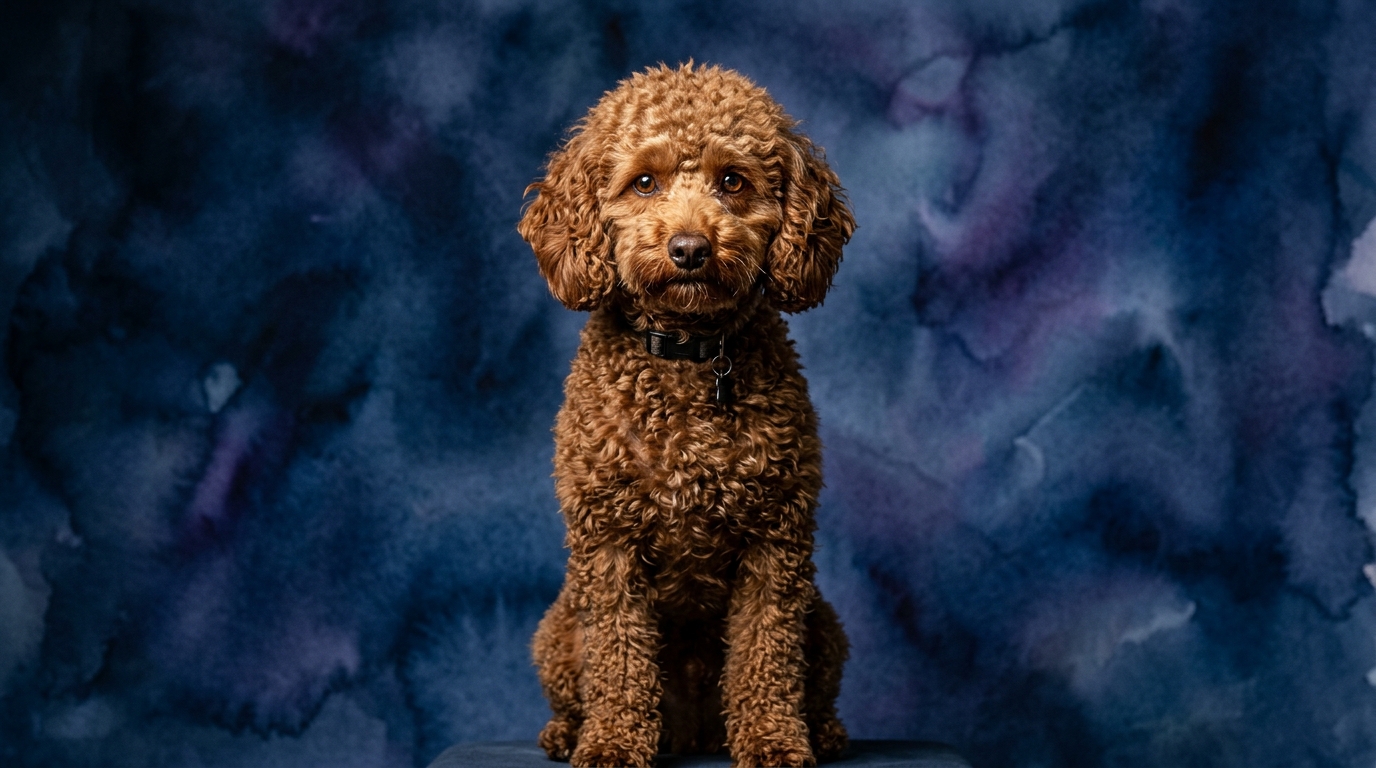
Side-by-Side IQ Profile: Boxer vs. Miniature Poodle
**Boxer (Working Group, Coren Rank #48):** Boxers exhibit moderate problem-solving skills (3/5), often relying on learned behaviors and their energetic approach to overcome obstacles rather than complex strategizing. They can figure out basic puzzles or retrieve objects, but intricate challenges might require more trial-and-error. While capable learners, Boxers absorb new commands at a moderate pace (3/5). Their playful, sometimes boisterous nature means training requires consistency, patience, and making the process engaging to maintain their focus. This breed truly shines in social intelligence (5/5), possessing an exceptional ability to read human emotions, intentions, and social cues, making them deeply empathetic and highly attuned companions. Their social understanding fosters strong bonds and a cooperative spirit within a family unit. Boxers carry a strong, inherent drive for activities like guarding, playing, and companionship (4/5), manifesting as a desire to be involved, protect their family, and engage in vigorous play, rooted in their historical roles. They have a solid, practical memory (3/5) for routines, familiar people, and well-established commands, though recall for less frequently reinforced information might be less precise.
**Miniature Poodle (Non-Sporting Group, Coren Rank #2):** Miniature Poodles display exceptional problem-solving capabilities (5/5). They can quickly analyze situations, devise strategies to access hidden treats, or navigate complex environments, often demonstrating a thoughtful, analytical approach. These dogs are renowned for their rapid acquisition of new commands and tricks (5/5). They grasp concepts quickly, making them highly responsive to training and capable of learning extensive repertoires of behaviors with minimal repetition. Miniature Poodles possess adequate social intelligence (3/5), forming bonds with their families and understanding basic social structures. While affectionate, their focus might be more on tasks and routines than on deeply interpreting nuanced human emotional states compared to a Boxer. Their instinctive drives (3/5), while present, are generally moderate, with a natural inclination for retrieving or agility, but these drives are typically less intense and more easily channeled than those found in some working breeds. Miniature Poodles exhibit outstanding memory (5/5), retaining a vast array of commands, routines, and even complex sequences over long periods, contributing significantly to their training prowess.
Where the Boxer Wins Cognitively
The Boxer's cognitive strengths lie profoundly in the realm of social interaction and an inherent zest for life. Their perfect 5/5 score in social intelligence means they are exceptionally adept at interpreting human body language, vocal tones, and even subtle shifts in mood. This manifests as an uncanny ability to offer comfort when a family member is distressed, or to match the playful energy of a child. They don't just react to commands; they often anticipate needs and respond with genuine empathy, forming incredibly deep, intuitive bonds. Furthermore, their 4/5 instinctive drive translates into a robust desire for engagement, whether it's an enthusiastic game of fetch, a vigilant watch over their home, or simply being an active, involved member of the family unit. This drive makes them highly motivated to participate in shared activities, drawing satisfaction from their role within the pack, making them truly cooperative companions.
Where the Miniature Poodle Wins Cognitively
In contrast, the Miniature Poodle's cognitive superiority is evident in their unparalleled capacity for abstract thought, rapid learning, and retention. Their 5/5 problem-solving ability allows them to quickly decipher complex puzzles, figure out how to open latches, or navigate novel situations with remarkable ingenuity. This isn't just about brute force; it's about understanding cause and effect and applying learned principles. Coupled with a perfect 5/5 in training speed, they absorb new commands and multi-step tasks with astonishing efficiency, often requiring only a few repetitions. Their superior 5/5 memory ensures that once a concept or command is learned, it's rarely forgotten, making them exceptionally consistent performers in obedience, agility, or even advanced trick training. They excel at pattern recognition and sequence learning, demonstrating a mental agility that allows them to master intricate routines with precision and speed.
Which is Easier to Train and Why
When assessing ease of training, the Miniature Poodle holds a clear advantage, primarily due to their exceptional training speed and memory. A Miniature Poodle can pick up a new command in just a few repetitions, and once learned, they retain it with remarkable fidelity. This means less time spent on reinforcement and a quicker progression to more complex behaviors. For example, teaching a Poodle to 'stay' for extended periods or to perform a multi-part agility sequence often progresses swiftly because they grasp the concept and remember the steps with ease. In contrast, the Boxer, with a 3/5 training speed and memory, requires more consistent repetition and a patient, engaging approach. While they are willing to please due to their high social intelligence, their attention span might wander if training isn't kept stimulating and fun. A Boxer learning 'stay' might need more frequent reminders and shorter training sessions to solidify the behavior, and their inherent playfulness can sometimes override their desire to comply if not properly managed. The Poodle's drive to solve mental challenges also makes them highly motivated by puzzle-based training, whereas a Boxer might be more motivated by interactive play or praise from their beloved human.
Which Suits Active Owners vs. Relaxed Owners
The choice between a Boxer and a Miniature Poodle also hinges significantly on an owner's lifestyle and activity levels. For active owners who enjoy vigorous outdoor activities and desire a highly engaged, physically robust companion, the Boxer is often an ideal match. Their 4/5 instinctive drive translates into a need for substantial physical exercise—daily runs, long walks, or extended play sessions are essential to keep them mentally and physically content. They thrive on being an active participant in family adventures, and their high social intelligence means they genuinely enjoy sharing these experiences. A relaxed owner, however, might find the Boxer's energy and need for consistent engagement overwhelming, potentially leading to destructive behaviors if their needs aren't met. The Miniature Poodle, while not a couch potato, is generally more adaptable. Their intellectual prowess means they require significant mental stimulation, which can be provided through puzzle toys, obedience training, or agility, rather than solely through physical exertion. While they enjoy walks and play, their physical needs can often be met with moderate exercise combined with plenty of brain games. This makes them suitable for owners who might prefer a less intensely physical routine but are committed to providing daily mental enrichment. A relaxed owner who enjoys teaching tricks or engaging in interactive games from the comfort of their home might find the Poodle a more suitable companion, provided their cognitive needs are prioritized.
The Verdict
Choose a Boxer if you seek a deeply empathetic, socially attuned companion who thrives on active family participation and offers a loyal, protective presence.
Opt for a Miniature Poodle if you are drawn to a highly trainable, mentally agile dog capable of mastering complex commands and excelling in activities requiring sharp intellect.
🧠 Find Your Pet's IQ Score
Our Pet IQ Lab assessment covers 25+ tests across 5 cognitive dimensions — personalized to your breed.
Take the Full IQ Test →Frequently Asked Questions
Do Boxers and Miniature Poodles have similar energy levels?
While both breeds require daily exercise, Boxers typically possess a more robust and sustained physical energy, needing vigorous activity like running or extended play. Miniature Poodles also enjoy activity but often find mental stimulation through training and puzzles equally fulfilling, making their physical needs slightly more flexible.
Which breed is better for a first-time dog owner?
The Miniature Poodle might be marginally easier for a first-time owner due to their rapid training speed and eagerness to learn, which can build confidence quickly. Boxers, while affectionate, require more consistent and patient training to manage their energetic and sometimes boisterous nature.
How do their social needs differ?
Boxers excel in social intelligence, forming very deep, intuitive bonds and thriving on constant interaction and emotional connection with their family. Miniature Poodles are affectionate and enjoy companionship, but their social needs are often met adequately through regular interaction, without the same intense emotional attunement or anticipation of human cues as a Boxer.