
The Cosmic Pet Pet IQ Lab: Boxer Intelligence Profile
The Boxer, a breed with a Coren rank of #48, exhibits a distinct set of cognitive strengths and moderate aptitudes across various dimensions. Their Problem Solving is rated at 3/5, indicating an ability to tackle challenges of moderate complexity, often employing practical methods or observing their environment to find solutions. They can figure out how to manipulate objects to achieve a goal, such as opening a gate or retrieving a toy, through a process of trial and error rather than purely abstract reasoning.
In terms of Training Speed, Boxers also score 3/5. They grasp new commands and behaviors at a moderate pace, requiring consistent repetition and clear, positive reinforcement to solidify their understanding. While they possess an eagerness to engage, their energetic and sometimes boisterous nature means that patience and structured training sessions are key to achieving reliable obedience, making steady progress over time.
Where Boxers truly excel is in Social Intelligence, earning a perfect 5/5. They possess an exceptional capacity to understand and respond to human emotions, body language, and vocal cues. This profound empathy allows them to form deep, responsive bonds with their families, often anticipating needs or mirroring moods, making them incredibly attuned and comforting companions who thrive on close interaction and connection.
Their Instinctive Drive is rated at 4/5, reflecting a strong natural inclination for play, protection, and companionship, rooted in their heritage as working and guard dogs. This drive manifests as a desire to actively participate in family life, engage in vigorous games, and maintain a watchful presence, channeling their energy into purposeful interaction and safeguarding their loved ones.
Finally, Boxer Memory is rated 3/5. They retain learned commands, routines, and familiar faces adequately, building a solid foundation of understanding over time. While not possessing an exceptional capacity for recalling complex sequences after long periods, their memory is sufficient for maintaining established behaviors and recognizing significant people and places within their lives.
The Cosmic Pet Pet IQ Lab: Pharaoh Hound Intelligence Profile
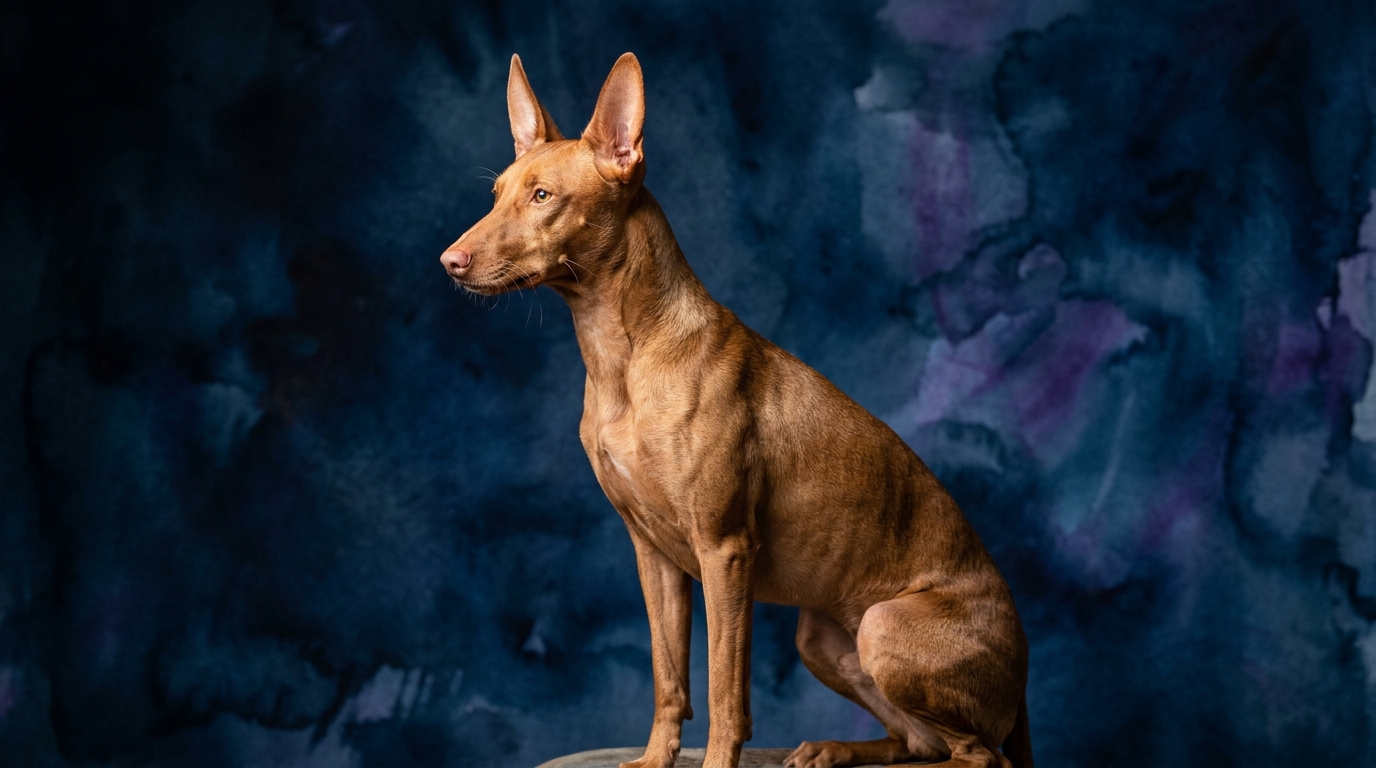
The Pharaoh Hound, an ancient sighthound not listed on the Coren ranking, presents a unique cognitive profile shaped by centuries of independent hunting. Their Problem Solving ability is rated 3/5, indicating a practical, goal-oriented approach, particularly effective when it involves navigating their environment or pursuing a target. They excel at assessing spatial relationships and finding efficient routes, often relying on their keen senses and physical agility to overcome obstacles.
Their Training Speed also stands at 3/5. Pharaoh Hounds learn at a moderate pace, but their inherent independence means that training often requires significant motivation, consistency, and patience. They are less driven by a desire to please and more by what benefits them or aligns with their interests, necessitating highly engaging, reward-based methods to capture and maintain their focus for learning new commands.
In Social Intelligence, Pharaoh Hounds score 3/5. They form strong, affectionate bonds with their immediate family and are perceptive of their human companions' moods, but their expression of this understanding is typically more reserved than overtly demonstrative. While they recognize familiar faces and respond to emotional cues, they might not display the same intense mirroring or constant people-pleasing behaviors seen in more socially dependent breeds.
The Instinctive Drive of a Pharaoh Hound is rated 3/5, characterized by a pronounced sighthound impulse for chasing, hunting, and exploration, coupled with a desire for comfort. This drive significantly influences their behavior, leading them to scan horizons for movement, meticulously investigate new scents, and engage with their environment with a methodical curiosity stemming from their self-reliant hunting heritage.
Pharaoh Hound Memory is rated 3/5. They possess a solid retention for routines, locations, and learned commands, effectively recalling information over time. While they will remember their family and established habits, their independent nature means that their recall might be selectively applied if a more compelling instinctive urge or environmental stimulus captures their attention in the moment.
Where the Boxer Cognitively Excels
The Boxer's standout cognitive strength lies in their exceptional social intelligence, rated at a perfect 5/5. This means they possess an unparalleled ability to read and interpret human emotions, body language, and vocal tones with remarkable accuracy. They don't merely react to commands; they often anticipate needs and moods, making them profoundly empathetic companions who can offer comfort when sensing distress or join in exuberant play at the first sign of joy. This deep understanding allows for a highly nuanced and responsive interaction dynamic, fostering a connection that feels almost telepathic to their owners.
Furthermore, their instinctive drive, at 4/5, is often channeled into a desire for engagement and protection of their family unit, making them naturally inclined towards interactive play and vigilance. Unlike some breeds whose drives are purely self-serving, the Boxer’s drives are frequently intertwined with their social connection, pushing them to participate actively in family life, whether through enthusiastic games of fetch or watchful monitoring of their home environment. This combination of high social acumen and people-oriented drive makes their cognitive contributions particularly valuable in a family setting, creating a constant, engaging presence.
Where the Pharaoh Hound Cognitively Shines
While the Pharaoh Hound shares a 3/5 in problem-solving with the Boxer, their application of this cognitive skill often manifests differently, shining particularly in scenarios demanding independent thought and environmental navigation. Their ancestry as sighthounds hunting across varied terrains has honed a practical, focused problem-solving ability, especially when it involves spatial reasoning or overcoming physical obstacles to reach a desired outcome, such as spotting and pursuing perceived “prey” or finding the most efficient route through a challenging landscape. They excel at assessing their surroundings and making swift, autonomous decisions based on sensory input, rather than waiting for human direction.
Their instinctive drive, rated 3/5, is a powerful force that, while sometimes challenging in training, represents a profound connection to their ancient purpose. This drive is not simply about chasing; it encompasses an intense curiosity and independence that allows them to thrive in environments where self-reliance and keen sensory perception are paramount. Their cognitive strength here lies in their unwavering focus on a goal once engaged, whether it's tracking a scent, observing distant movement, or exploring new territory with a methodical curiosity that stems from their heritage as intelligent, self-sufficient hunters. This self-directed cognitive energy makes them incredibly adept at tasks requiring sustained focus on a specific, often sensory-driven objective.
Training Ease: Boxer vs. Pharaoh Hound
When it comes to training, both breeds are rated 3/5 for training speed, suggesting they learn at a moderate pace. However, the underlying behavioral differences stemming from their other cognitive dimensions create distinct training experiences. The Boxer's exceptional social intelligence (5/5) makes them generally more eager to please and responsive to their handler's cues and emotional states. They thrive on positive reinforcement and connection, often viewing training as an interactive game with their beloved human. Their strong desire to be part of the family unit and their sensitivity to human approval mean they are typically motivated by praise and affection, making them generally cooperative students once their youthful exuberance is managed.
The Pharaoh Hound, while equally capable of learning, presents a different training dynamic due to their more moderate social intelligence (3/5) and pronounced independent instinctive drive (3/5). They are not inherently driven by the same intense desire to please, often requiring training to be highly engaging, consistent, and reward-based to capture and maintain their attention. Their independent streak means they might weigh a command against a more compelling environmental stimulus, such as a distant movement or an interesting scent. Successful training with a Pharaoh Hound often involves understanding their sighthound nature, making sure commands are clear, concise, and consistently reinforced, and recognizing that their compliance is often a choice rather than an automatic deference.
Lifestyle Suitability: Active vs. Relaxed Owners
For active owners seeking a highly interactive and emotionally responsive companion, the Boxer stands out as an excellent choice. Their strong instinctive drive (4/5) for play and engagement, combined with their unparalleled social intelligence (5/5), means they thrive on being an integral part of family activities. They require substantial physical exercise, such as long walks, vigorous play sessions, and structured training, but also significant mental stimulation through puzzle toys and interactive games that leverage their social understanding. Owners who enjoy frequent interaction, can provide consistent companionship, and appreciate a dog deeply attuned to their emotional landscape will find the Boxer a rewarding partner, readily participating in everything from hikes to cuddles on the couch.
The Pharaoh Hound, while possessing a moderate instinctive drive (3/5) and requiring regular exercise to satisfy their sighthound nature, often suits owners who appreciate a dog with a blend of independence and affection. They need opportunities to run freely in secure areas to satisfy their chase instinct, but their energy can be more episodic, alternating between bursts of activity and periods of relaxed lounging. Their moderate social intelligence means they are affectionate with their family but might not demand constant interaction or overtly seek to please in the same way a Boxer does. They are well-suited for owners who enjoy brisk walks or runs, can provide secure off-leash exercise, and appreciate a dog that is content to observe and occasionally engage, without the constant need for attention that a more socially dependent breed might exhibit.
The Verdict
Choose the Boxer if you seek a deeply empathetic, highly interactive, and socially astute companion who thrives on being an active, central part of family life and will return your affection with unwavering devotion.
Opt for the Pharaoh Hound if you admire independent thinkers, appreciate a quieter form of affection, and can provide outlets for their sighthound instincts through secure exercise, valuing their elegant self-reliance and unique, ancient charm.
🧠 Find Your Pet's IQ Score
Our Pet IQ Lab assessment covers 25+ tests across 5 cognitive dimensions — personalized to your breed.
Take the Full IQ Test →Frequently Asked Questions
Are Boxers prone to stubbornness during training?
While Boxers learn at a moderate pace (3/5 training speed), their youthful exuberance and strong will can sometimes be perceived as stubbornness. Consistent, positive reinforcement and making training a fun, interactive experience that leverages their high social intelligence will yield the best results.
Do Pharaoh Hounds require a lot of mental stimulation?
Pharaoh Hounds benefit from mental stimulation that engages their keen senses and independent problem-solving (3/5). Scent work, puzzle toys, and secure opportunities for exploration can satisfy their curious and methodical approach to their environment.
How do their social needs differ?
Boxers have exceptional social intelligence (5/5), thriving on constant interaction and being deeply attuned to their family's emotions, often mirroring them. Pharaoh Hounds, with 3/5 social intelligence, are affectionate with their family but more reserved and independent, content with less overt interaction while still forming strong bonds.