
Side-by-Side Cognitive Profiles
The Cosmic Pet Pet IQ Lab evaluates canine intelligence across five key dimensions, offering a nuanced view beyond simple obedience. For the Boxer, a Working Group dog ranked #48 by Coren, and the Portuguese Water Dog, also a Working Group breed, these dimensions paint a picture of their unique cognitive architectures. Understanding these profiles is crucial for appreciating their individual strengths and what makes them tick.
The Boxer's cognitive profile begins with Problem Solving at 3/5. These dogs exhibit a moderate capacity for independent thought, often approaching new situations with a curious but deliberate demeanor. They can learn complex routines and adapt to changes in their environment, but might need structured guidance when presented with truly abstract or novel cognitive puzzles that lack clear physical cues. Their Training Speed is also 3/5, indicating a solid ability to absorb new commands and behaviors at a steady pace. While they can pick up tasks efficiently, their inherent playfulness and occasional independent streak mean that consistency, engaging methods, and clear expectations are crucial for solid retention and reliable execution. Where Boxers truly shine is in Social Intelligence, scoring a remarkable 5/5. They demonstrate an exceptional capacity for understanding human emotions and social dynamics, highly attuned to subtle shifts in vocal tone, body language, and facial expressions, often responding with empathy or playful attempts to engage. Reflecting their heritage, their Instinctive Drive is 4/5, manifesting as vigilance and a readiness for purposeful activity, fueling protective instincts and eagerness to participate in tasks that provide structure. Finally, their Memory is 3/5, exhibiting a reliable recall for routines, learned commands, and familiar individuals and environments, though consistent practice helps solidify less frequent behaviors.
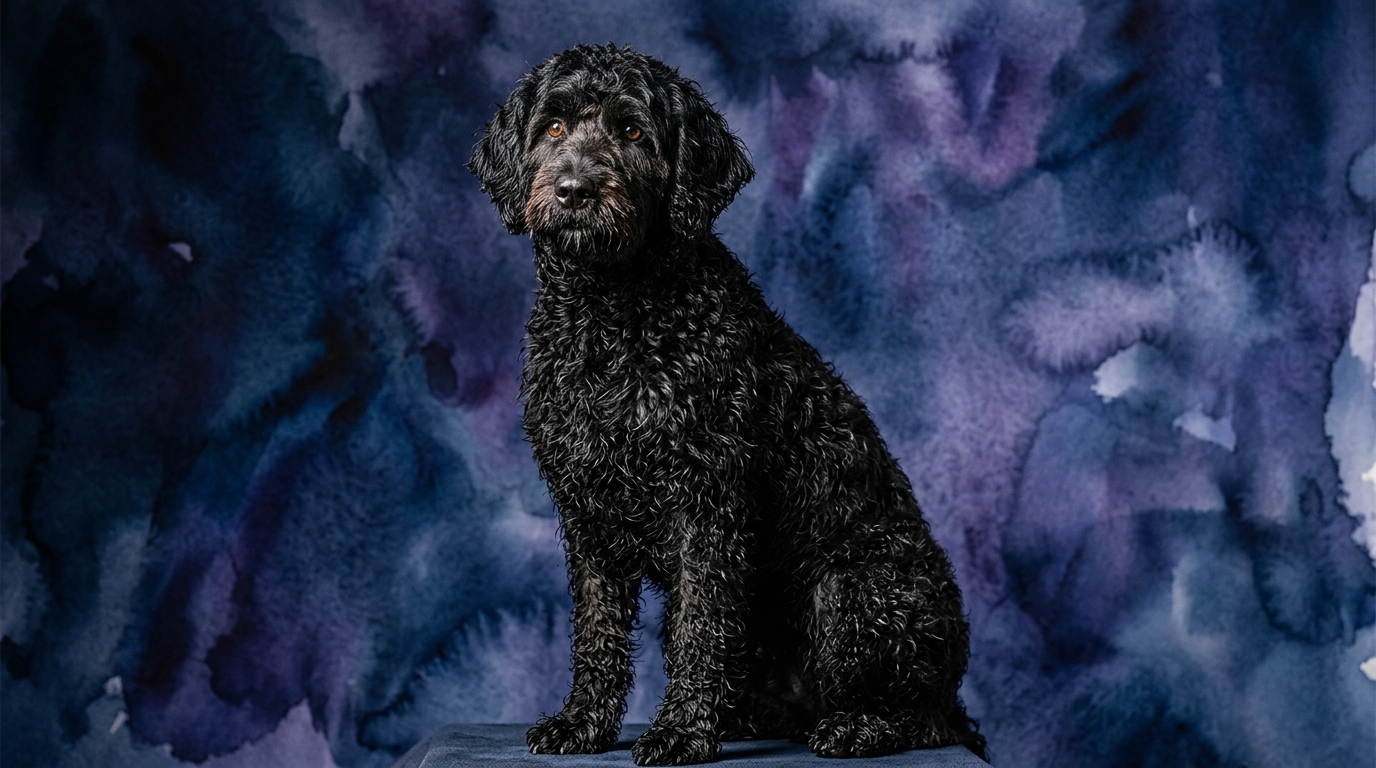
The Portuguese Water Dog, while not Coren-ranked, also hails from the Working Group and presents a distinct cognitive makeup. Their Problem Solving capability is rated 3/5, showing a practical, hands-on aptitude for tackling new problems, often leveraging their physical dexterity and environmental awareness. Their solutions frequently involve manipulating objects or navigating spatial challenges, reflecting their historical need to figure out how to retrieve items from water. Training Speed for the PWD is 3/5; they learn new commands and sequences at a consistent pace, particularly when training sessions are dynamic and engaging. Their working drive makes them eager participants, but maintaining their focus requires variety and positive reinforcement to prevent boredom from hindering progress. In Social Intelligence, the PWD scores 3/5. They are generally engaged with their human companions but tend to connect more through shared activities and tasks than through subtle emotional mirroring. While affectionate, their social cognition is geared more towards cooperative work than deep intuitive understanding of complex human emotional states. Their Instinctive Drive is 3/5, a strong heritage as aquatic working dogs giving them a pronounced drive for retrieving, swimming, and engaging in physically demanding tasks. This drive is highly specialized, making them singularly focused and persistent in activities related to their original purpose. Like the Boxer, their Memory is 3/5, possessing a dependable recall for commands, complex routines, and the intricacies of tasks they've mastered, benefiting from regular reinforcement.
Where the Boxer Excels Cognitively
The Boxer's most notable cognitive strength lies in its exceptional Social Intelligence, scoring a perfect 5/5 compared to the Portuguese Water Dog's 3/5. This isn't merely about friendliness; it's a profound ability to interpret and respond to human social cues and emotional states. Boxers are masters of non-verbal communication, often anticipating their owner's moods, offering comfort, or initiating play based on subtle shifts in human behavior. This makes them remarkably attuned companions, capable of forming deep, communicative bonds that extend beyond simple obedience. Their capacity for social attunement allows them to integrate seamlessly into complex household dynamics, making them feel like truly empathic family members.
Furthermore, the Boxer's Instinctive Drive, rated 4/5 against the PWD's 3/5, provides a distinct advantage in specific contexts. While both are working breeds, the Boxer's drive leans towards a more general protective vigilance and active engagement with their immediate environment. Their historical role as guardians means they often possess a strong, inherent sense of duty and a readiness to respond to perceived threats or novel situations within their territory. This manifests as a cognitive alertness that makes them quick to observe, assess, and react with a decisive energy, which can be channeled into various protective or task-oriented roles, making them effective watchdogs and dedicated companions in varied settings.
Where the Portuguese Water Dog Shines Cognitively
While the Portuguese Water Dog shares a 3/5 rating with the Boxer for Problem Solving, its application of this cognitive skill is uniquely specialized. PWDs often apply their problem-solving acumen with a distinct physical and environmental focus, a direct reflection of their heritage. Their historical role in water work required them to figure out how to retrieve objects from challenging aquatic environments, navigate currents, and work independently to locate lost gear. This translates into a practical, hands-on approach to novel situations, where they excel at manipulating objects, finding unconventional routes, and leveraging their physical capabilities to achieve a goal. Their cognitive strength lies in their ability to spatially reason and adapt their body to complex physical tasks, making them adept at agility courses or intricate retrieval games.
The Portuguese Water Dog's Instinctive Drive, though numerically lower at 3/5, is intensely focused and specialized for tasks involving water and retrieval. This deep-seated drive means they possess a unique cognitive advantage in understanding and executing complex, multi-step aquatic tasks. Their brains are wired to process water conditions, object buoyancy, and retrieval strategies with an efficiency unmatched by many other breeds. This specialized drive translates into a breed that is exceptionally motivated and adept at specific, physically demanding, water-centric cognitive challenges, making them unparalleled partners for activities like dock diving, water rescue simulations, or complex fetch games in a lake where their focus and persistence truly stand out.
Training Dynamics: Boxer vs. Portuguese Water Dog
When considering ease of training, both breeds score 3/5 for Training Speed, suggesting a consistent and moderate learning pace. However, their distinct cognitive profiles influence the training experience significantly. The Boxer's high Social Intelligence (5/5) means they are generally very responsive to human feedback, understanding subtle body language and vocal tones. This makes them highly motivated by praise and social interaction, often eager to cooperate to maintain harmony. Their desire to please and connect can make them feel 'easier' to train initially, as they are so attuned to their owner's reactions. However, their strong instinctive drive (4/5) and playful exuberance can sometimes lead to moments of independent thought or bursts of energy that require consistent, patient reinforcement to keep them focused on the task at hand. Training a Boxer necessitates engaging methods that channel their social nature and energy effectively.
The Portuguese Water Dog, with its moderate Social Intelligence (3/5) and practical problem-solving approach, learns effectively through repetition and positive reinforcement, especially when tasks are engaging and physically stimulating. While they enjoy working with their owners, they might not possess the same intuitive 'read' of human emotions as a Boxer, meaning trainers need to be very clear, consistent, and direct with commands, relying less on subtle cues. Their working drive makes them persistent in tasks, but their independent nature means training must be kept interesting, varied, and purposeful to prevent them from becoming bored or finding their own 'solutions' to commands. For both breeds, consistent, positive, and engaging training is paramount, but the Boxer's social responsiveness might make the process feel more collaborative, while the PWD's focus on task completion requires clear structure and motivation.
Lifestyle Suitability: Active vs. Relaxed Owners
Both the Boxer and the Portuguese Water Dog are working breeds, meaning neither is ideally suited for truly relaxed, sedentary owners. Their cognitive profiles indicate a need for consistent mental and physical stimulation to thrive. The Portuguese Water Dog, with its specialized instinctive drive (3/5) geared towards aquatic and physical tasks, is particularly suited for highly active owners who are committed to providing regular, vigorous exercise, especially those involving water sports, canine agility, or demanding retrieval games. Their cognitive stimulation often comes through complex physical challenges and purposeful work, making them excellent companions for hikers, swimmers, and outdoors enthusiasts who can integrate their dog into a very active lifestyle. Without sufficient outlets, a PWD would likely become restless and frustrated, potentially engaging in undesirable behaviors.
Boxers also require active owners who can provide consistent training, structured playtime, and plenty of social interaction. Their instinctive drive (4/5) and high social intelligence (5/5) mean they need both physical exertion and mental engagement that often comes from being an integral part of family activities and having a 'job' to do, even if it's just being a vigilant companion and playmate. While they can adapt to moderately active households that prioritize family time and consistent interaction, they are not couch potatoes. They thrive on structured activity and human companionship. For owners who are less active, neither breed is a good fit, as their unmet cognitive and physical needs would likely lead to behavioral challenges.
The Verdict
Choose a Boxer when seeking a deeply socially connected companion who intuitively understands human emotions and offers a protective, vigilant presence. They thrive in active family environments where they can be integral participants, offering both playful companionship and a keen awareness of their surroundings.
Opt for a Portuguese Water Dog if you are an active individual or family passionate about outdoor activities, especially water sports, and value a dog with a robust, independent problem-solving approach to physical tasks. They excel when given a specific 'job' and thrive on consistent, engaging physical and mental challenges.
🧠 Find Your Pet's IQ Score
Our Pet IQ Lab assessment covers 25+ tests across 5 cognitive dimensions — personalized to your breed.
Take the Full IQ Test →Frequently Asked Questions
Which breed is generally more affectionate?
Based on their cognitive profiles, Boxers tend to be more overtly affectionate and demonstrative due to their higher social intelligence. They are deeply attuned to human emotions and often express their affection through close physical contact and intuitive responses to their owners' moods.
Do Boxers or Portuguese Water Dogs bark more frequently?
Both breeds can be vocal, but for different reasons. Boxers might bark more as an alert due to their protective instincts and vigilance, while Portuguese Water Dogs might bark more out of boredom or to express frustration if their physical and mental needs are not adequately met.
Are Boxers or Portuguese Water Dogs typically better with children?
Boxers, with their high social intelligence and playful nature, often integrate exceptionally well into families with children, forming strong, patient bonds. Portuguese Water Dogs can also be good with children, especially if raised with them, but their energy and need for structured engagement mean they might require more supervision to ensure appropriate play interactions.