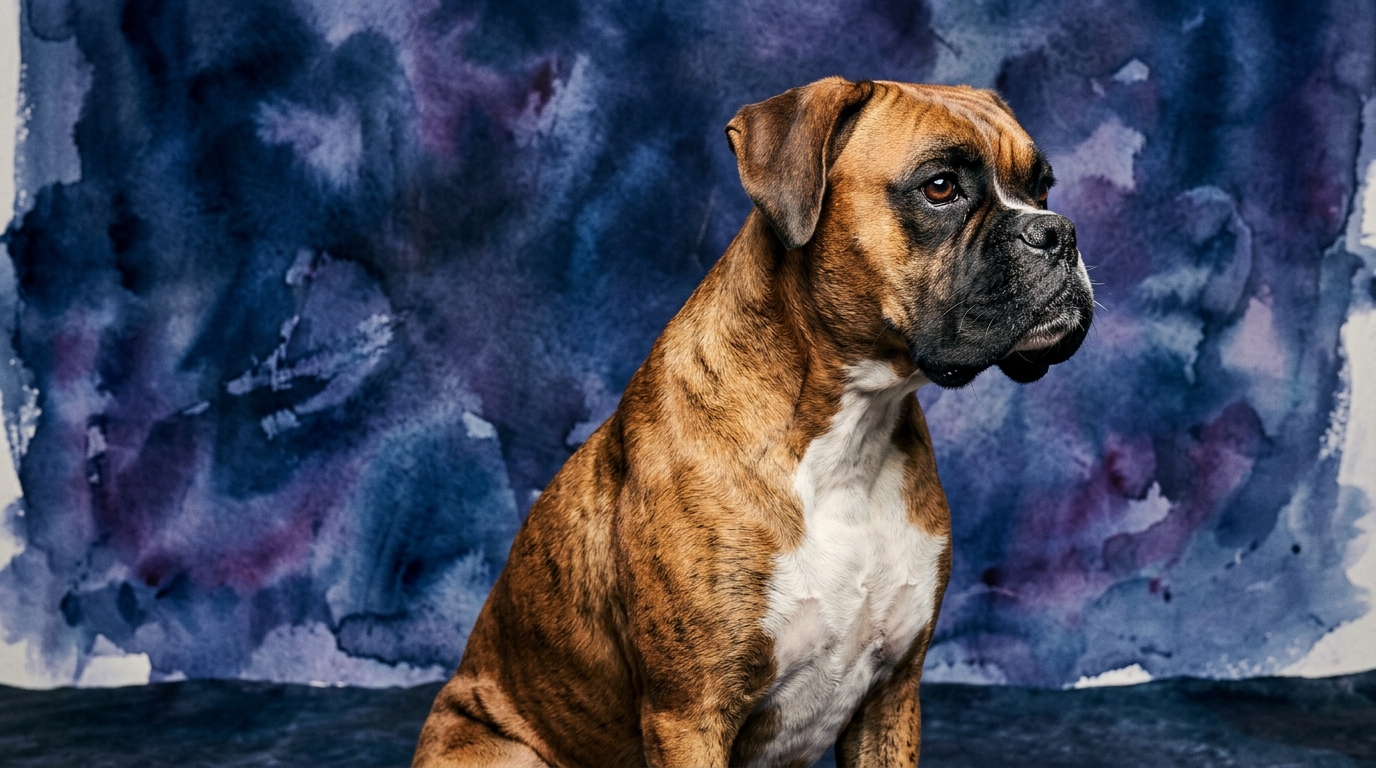
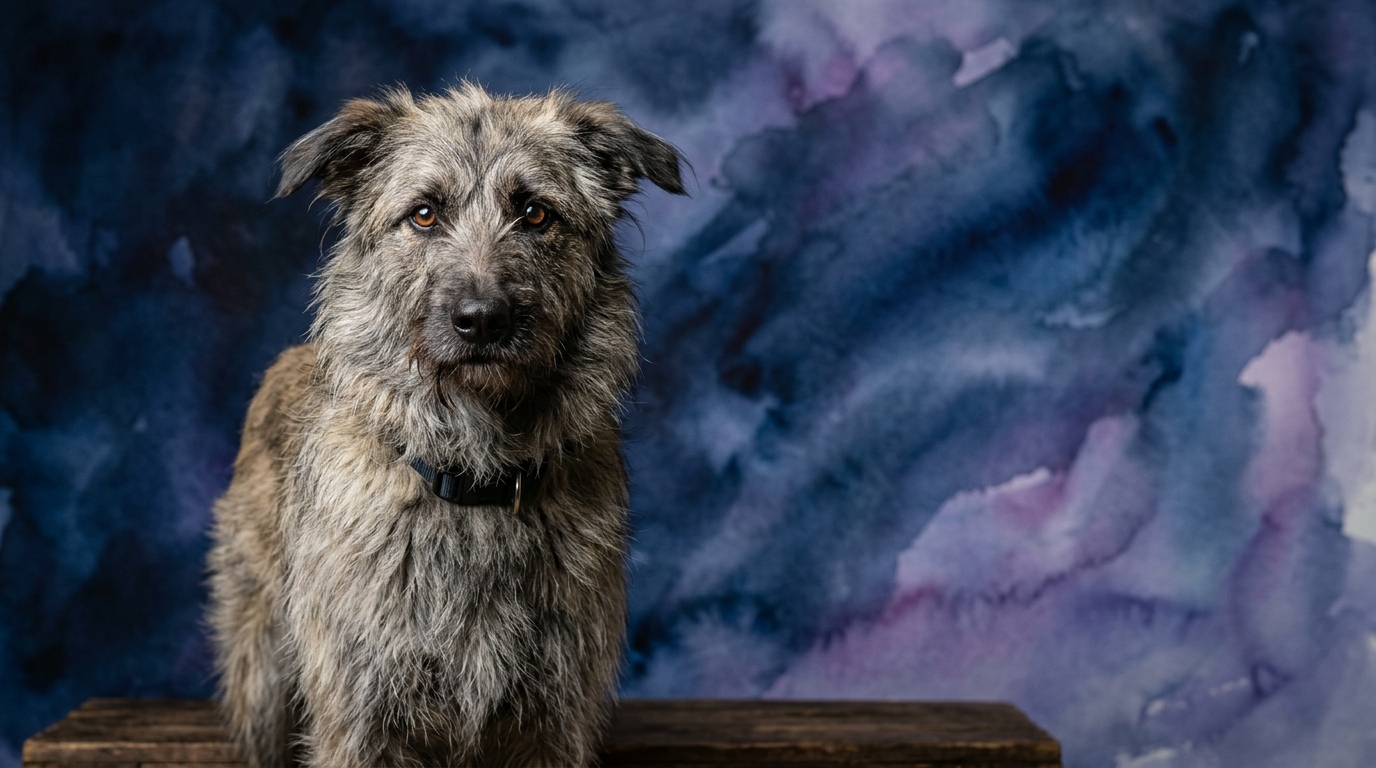
Side-by-Side IQ Profile: Boxer vs. Pyrenean Shepherd
The Cosmic Pet Pet IQ Lab employs a five-dimensional framework to assess canine intelligence, offering a nuanced understanding of each breed's cognitive strengths. Let's examine how the Boxer and Pyrenean Shepherd measure up.
**Boxer (Working Group, Coren Rank #48):** Problem Solving (3/5): Boxers show moderate capacity for complex challenges, often excelling when solutions involve human interaction or playful exploration. They learn multi-step tasks but may rely on human cues. Training Speed (3/5): This breed learns new commands at a consistent, steady pace. Success is bolstered by positive reinforcement, engaging methods, and consistent repetition. Social Intelligence (5/5): A defining Boxer trait is exceptional attunement to human emotions and social cues. They anticipate moods, respond empathetically, and engage in reciprocal interactions, making them intuitive family members. Instinctive Drive (4/5): Boxers possess a robust inherent drive for play, energetic interaction, and protective instincts. This manifests as sustained enthusiasm for activities and a desire to be involved. Memory (3/5): Boxers retain learned behaviors and past experiences reasonably well. Consistent practice and positive associations solidify their recall of commands and routines.
**Pyrenean Shepherd (Herding Group, Not Coren-ranked):** Problem Solving (3/5): Pyrenean Shepherds exhibit practical, task-oriented problem-solving, adept at challenges like navigating terrain or managing livestock. Their solutions are often efficient and direct, reflecting their working heritage. Training Speed (3/5): This breed absorbs new information and commands at an average rate. They thrive with clear, structured guidance and methods engaging their drive to work. Social Intelligence (3/5): While deeply loyal to primary handlers, Pyrenean Shepherds typically display a more reserved social demeanor. Their connection is profound but often expressed through focused cooperation. Instinctive Drive (3/5): Pyrenean Shepherds possess a moderate but persistent drive, primarily channeled into vigilance, patrolling, and task completion. This drive is purposeful activity and observation. Memory (3/5): This breed demonstrates reliable memory for routines, commands, and territorial boundaries, essential for their historical role as independent herding and guardian dogs.
Where the Boxer Wins Cognitively
The Boxer's standout cognitive strength lies unequivocally in its exceptional Social Intelligence, scoring a perfect 5/5 compared to the Pyrenean Shepherd's 3/5. This reflects a profound capacity to process and respond to the emotional and social landscape of their human environment with remarkable nuance. Boxers are masters at reading subtle human expressions, body language, and vocal tones, often seeming to anticipate their owners' needs. This high social acumen allows them to form extraordinarily deep, empathetic bonds, making them intuitive companions who can offer comfort, engage in complex reciprocal play, and seamlessly integrate into family dynamics. Their ability to adapt behavior based on social cues, knowing when to be boisterous and when gentle, is a direct manifestation of this superior social cognitive processing, making them highly responsive to human interaction and approval.
Where the Pyrenean Shepherd Wins Cognitively
The Pyrenean Shepherd, while sharing similar scores in problem-solving and memory, demonstrates a distinct cognitive advantage in the *application* of its instinctive drive and practical problem-solving, particularly in autonomous, task-oriented scenarios. While its Instinctive Drive is 3/5 compared to the Boxer's 4/5, the Pyrenean Shepherd's drive is channeled with focused intensity towards vigilance, territory management, and herding. Their Problem Solving (3/5) often manifests in navigating complex environments, anticipating livestock movements, or identifying threats, requiring independent decision-making. Their cognitive strength lies in maintaining sustained focus on a task, efficiently processing environmental stimuli relevant to their “job,” and making quick, practical judgments without continuous human intervention. This independent, purpose-driven intelligence reflects their heritage as self-sufficient working dogs.
Which is Easier to Train and Why
Both breeds score 3/5 in Training Speed, indicating neither is a particularly fast or slow learner. However, their distinct cognitive profiles shape the training experience. The Boxer's exceptional Social Intelligence (5/5) is a significant advantage; they possess an innate desire to connect with and please their human companions. This strong motivation for social interaction and approval makes them highly receptive to positive reinforcement and praise, often appearing easier to train for companion tasks. Their willingness to engage and cooperate stems from their deep social bond. Conversely, their high Instinctive Drive (4/5) for play can lead to distractibility if not managed effectively, particularly during early training. The Pyrenean Shepherd, with a Social Intelligence of 3/5, may not share the same inherent drive to please purely for social connection. Their independent working nature means they might require clearer, more consistent structure and motivation appealing to their task-oriented mind. While they learn at an average pace, their training often benefits from tapping into their instinctive drive (3/5) for purpose and work, thriving in activities like agility or herding where problem-solving is key. For both, consistency and positive reinforcement are crucial, but the Boxer's social eagerness often provides an initial boost in perceived trainability for typical companion roles, while the Pyrenean Shepherd requires a trainer who respects their independent, working mindset.
Suitability for Active vs. Relaxed Owners
The choice between a Boxer and a Pyrenean Shepherd significantly hinges on an owner's lifestyle. Boxers, with an Instinctive Drive of 4/5 and exceptional Social Intelligence (5/5), are ideally suited for active owners seeking a highly interactive, engaged companion. They thrive on significant physical activity like runs and vigorous play, and demand substantial mental engagement through interaction and training. A Boxer needs to feel connected and involved; a relaxed owner unable to provide consistent engagement will likely find their Boxer becoming bored, potentially leading to undesirable behaviors stemming from unfulfilled needs. The Pyrenean Shepherd, while having a slightly lower Instinctive Drive at 3/5, channels this drive with intense focus and purpose. This breed requires significant mental stimulation often tied to a “job” or structured activity. Their problem-solving abilities (3/5) and independent nature mean they excel when given tasks, whether herding, advanced obedience, or dog sports. Therefore, Pyrenean Shepherds are best for active owners who understand the need to engage a working dog's mind and body. This might involve competitive dog sports, extensive hiking, or providing a “job.” They are not a match for relaxed owners who prefer a purely sedentary companion, as their driven minds require outlets to prevent boredom. Both breeds demand active lifestyles, but the Boxer's activity is more intertwined with social interaction, while the Pyrenean Shepherd's is more about purposeful engagement.
The Verdict
If you seek an exceptionally socially attuned, empathetic companion who thrives on deep human connection and reciprocal play, and you can provide consistent physical activity and interactive training, choose a Boxer.
If you appreciate an independent, task-oriented canine partner with a focused drive, and you are prepared to engage their working mind through structured activities, perhaps even dog sports or a “job,” choose a Pyrenean Shepherd.
🧠 Find Your Pet's IQ Score
Our Pet IQ Lab assessment covers 25+ tests across 5 cognitive dimensions — personalized to your breed.
Take the Full IQ Test →Frequently Asked Questions
Are Boxers stubborn?
Boxers, with their strong instinctive drive for play and interaction, can sometimes appear stubborn if they are distracted or if the training isn't engaging enough for their social nature. They respond best to positive reinforcement and clear, fun communication rather than harsh methods, which can lead to disengagement.
Do Pyrenean Shepherds bark a lot?
Pyrenean Shepherds possess a strong instinctive drive for vigilance and guarding, which naturally manifests as barking to alert their owners to perceived threats or novelties in their environment. Early socialization and consistent training are key to managing this natural tendency, teaching them appropriate times to vocalize.
Which breed is better for first-time dog owners?
The Boxer's high social intelligence and eagerness to please can make them a more forgiving choice for first-time owners willing to commit to consistent training and exercise. The Pyrenean Shepherd's independence and specific working drives may require a bit more experience and understanding of working dog psychology to manage effectively and prevent boredom.