Side-by-Side Cognitive Profiles at The Cosmic Pet Pet IQ Lab
At The Cosmic Pet Pet IQ Lab, we analyze canine intelligence across five key dimensions, providing a granular view of each breed's cognitive strengths. Understanding these profiles is crucial for appreciating the unique mental makeup of the Boxer and the Saluki.
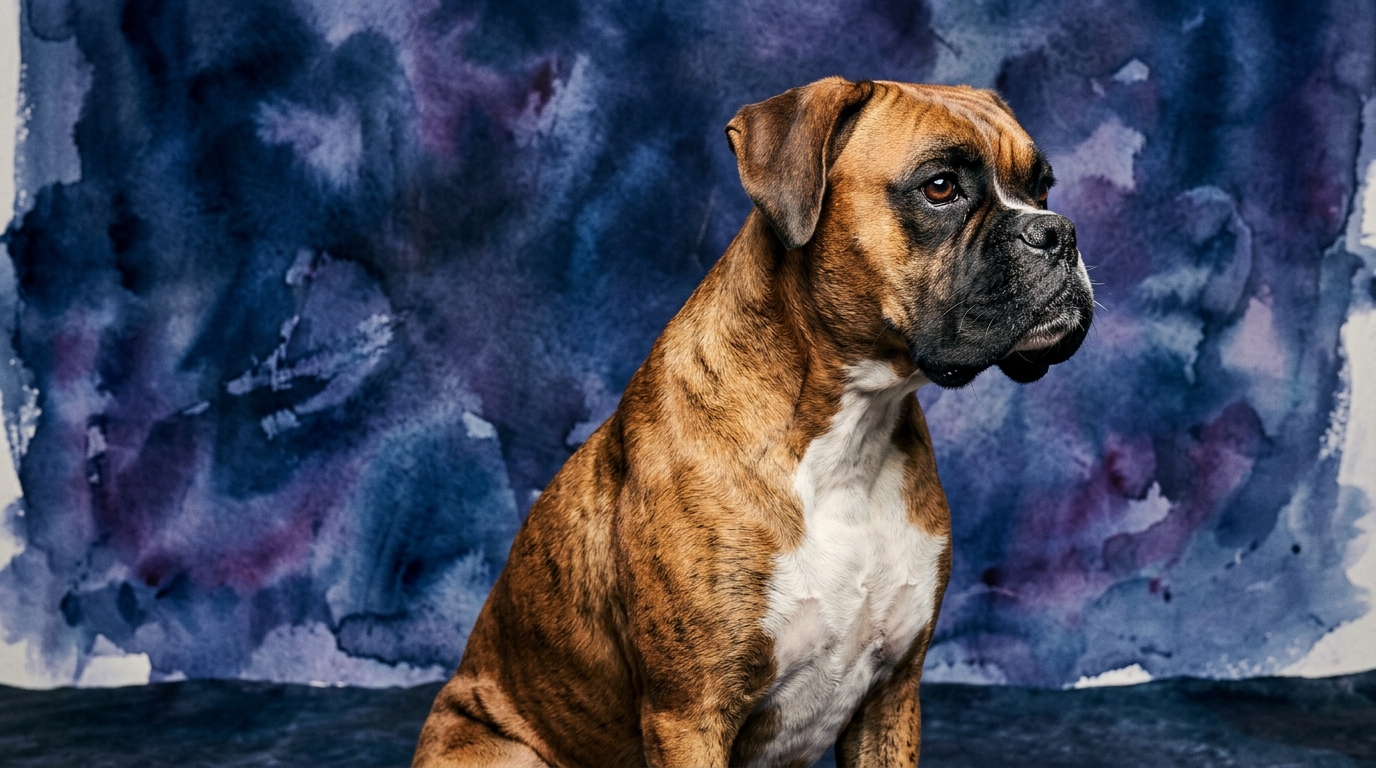
The Boxer, a member of the Working Group, presents a robust and engaging cognitive profile. Their Problem Solving is rated 3/5, indicating an ability to navigate challenges through persistence and learned experience, rather than immediate strategic insight. Training Speed also stands at 3/5; while capable, their playful nature and strong will necessitate consistent, engaging methods. Where Boxers truly shine is in Social Intelligence, scoring an exceptional 5/5, reflecting their deep attunement to human emotions and strong desire for connection. Their Instinctive Drive is a solid 4/5, manifesting as a strong urge for guarding, play, and often chasing. Finally, their Memory is rated 3/5, sufficient for routines and frequently reinforced commands, with good recall for familiar people and places.
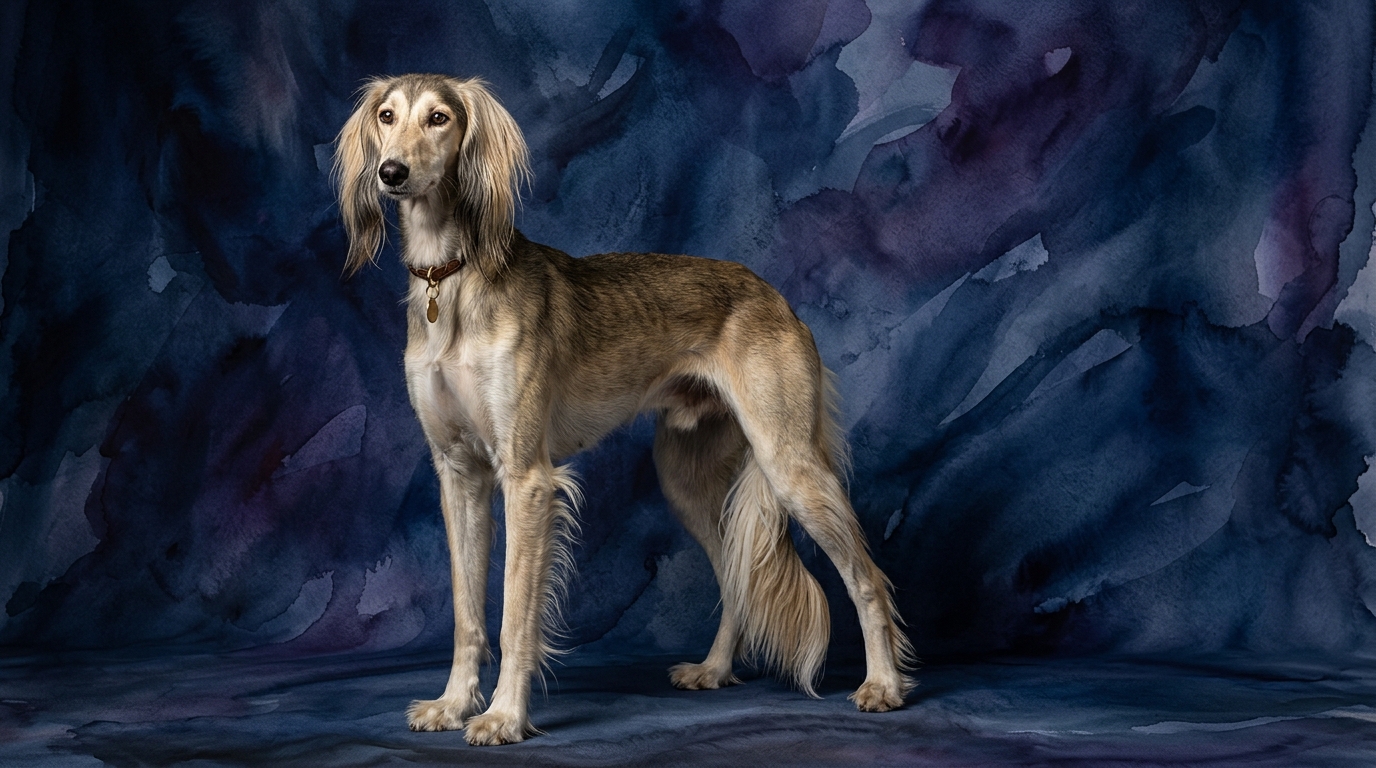
The Saluki, an ancient breed from the Hound Group, offers a distinct cognitive landscape, largely influenced by their heritage as a sight hound. Their Problem Solving is 3/5, similar to the Boxer, where they apply logical steps or trial-and-error, especially when motivated by their instincts. Training Speed is also 3/5; while they can learn, their independent spirit and selective engagement mean training requires patience and understanding of their motivations. In Social Intelligence, Salukis score 3/5; they form deep bonds with their chosen family but are generally more reserved and less overtly expressive or attuned to subtle human cues than Boxers, particularly with strangers. Their Instinctive Drive is 3/5, specifically powerful for chasing prey over long distances, but not as broadly applied to other activities like guarding or extensive toy play. Their Memory is 3/5, adequate for routines and commands, although their independence might sometimes make them appear selectively forgetful if not consistently reinforced or if a stronger instinct takes precedence.
Where the Boxer Cognitively Excels
The Boxer’s most striking cognitive advantage lies in their exceptional social intelligence, scoring a perfect 5/5 in The Cosmic Pet Pet IQ Lab. This isn't merely about being friendly; it's a profound capacity to read and respond to human emotions and intentions with remarkable accuracy. A Boxer often anticipates a family member's mood, offering comfort or initiating play at just the right moment, demonstrating an intuitive understanding of social dynamics. Their strong desire for interaction and deep attunement to their human companions makes them incredibly responsive to social cues, adapting their behavior to maintain harmony within the household. This perceptive nature means they excel in environments where close human-animal communication is valued, often appearing to 'understand' complex social situations without explicit instruction. Their cognitive framework is built for partnership, making them incredibly adaptable to family life and eager participants in shared experiences.
Where the Saluki Cognitively Excels
While the Saluki's scores might not immediately highlight an overt 'win' in the same manner as the Boxer's social prowess, their cognitive strengths are deeply rooted in their specialized ancestral role as a sight hound. Their instinctive drive, while rated 3/5 generally, is intensely focused and highly efficient for independent pursuit and strategic hunting, a nuanced form of problem-solving distinct from human-directed tasks. This independence isn't a deficit; rather, it's a cognitive trait that allows them to make rapid, autonomous decisions in dynamic environments, relying on keen sight and swift execution without constant human direction. Their ability to process visual information quickly and react decisively, often over long distances, speaks to a specialized form of operational intelligence. This self-reliance means they don't constantly seek human input for every decision, a cognitive setup that allows them to navigate complex outdoor scenarios with impressive autonomy and efficiency, making them masters of their specific hunting domain.
Training Aptitude: Boxer vs. Saluki
Despite both breeds scoring a 3/5 in training speed at The Cosmic Pet Pet IQ Lab, the *experience* of training a Boxer versus a Saluki can be quite different due to their underlying cognitive profiles. The Boxer, with their exceptional social intelligence (5/5) and strong desire for connection, often approaches training as a collaborative activity. They are generally eager to engage with their human companions and are highly motivated by praise, play, and positive interaction. While their playful nature and occasional stubborn streak might require consistent and engaging sessions, their inherent desire to please and their attentiveness to human cues mean they are often perceived as more 'trainable' for obedience and trick-based learning. They thrive on being part of a team, making them responsive to methods that build on this bond. Their 4/5 instinctive drive, while needing management, can also be channeled into structured activities like obedience or agility, where their enthusiasm shines.
In contrast, the Saluki's training speed, while numerically the same, is often complicated by their independent nature and profound instinctive drive for chasing. A Saluki might understand a command perfectly but choose not to execute it if something more intrinsically rewarding (like spotting a squirrel) presents itself. They are not inherently disobedient, but rather prioritize their own instincts and assessments of a situation. Training a Saluki requires immense patience, understanding their motivations, and making tasks appealing on their terms. They respond best to positive reinforcement that respects their independent spirit, rather than relying solely on a desire to please. Their training often focuses on impulse control and recall in distracting environments, which can be a lifelong endeavor given their powerful prey drive. Their 3/5 social intelligence means they are less motivated by human approval alone, necessitating a different training approach focused on clear boundaries and high-value rewards.
Matching Canine Cognition to Owner Lifestyles
For owners seeking a highly engaged and active companion, the Boxer often proves to be an ideal match. Their robust instinctive drive (4/5) for play, coupled with their outstanding social intelligence, means they thrive on consistent physical activity like fetch, agility, or long, interactive walks. They demand mental stimulation through training and games, and their boundless energy requires an owner who is ready to channel it constructively. An active owner who enjoys daily engagement, structured activities, and values a deeply communicative canine partner will find the Boxer a rewarding and enthusiastic companion, always ready for the next adventure or cuddle session. Their desire to be involved in family life aligns perfectly with an owner who wants a constant, interactive presence.
The term 'relaxed owner' needs careful qualification when considering a Saluki. While Salukis are renowned for their calm and dignified demeanor indoors, often content to lounge gracefully for hours, this belies their profound need for intense, bursts of exercise. They are not suited for owners who prefer infrequent or low-intensity walks. A Saluki requires regular opportunities to run at full speed in a secure, expansive area, satisfying their powerful sighthound instincts. Therefore, an owner who appreciates a serene indoor companion but is committed to providing dedicated, high-intensity outdoor exercise sessions will be better suited. They are less 'active' in the constant interactive sense of a Boxer, but demand specific, high-velocity activity. Their independence means they might not constantly seek attention, suiting an owner who appreciates a dog with a more self-contained personality.
The Verdict
Choose a Boxer if you desire a deeply connected, playful, and socially responsive companion who thrives on shared activities and eagerly integrates into every aspect of family life.
Opt for a Saluki if you appreciate an independent, elegant, and serene indoor presence, but are fully prepared to provide consistent outlets for their powerful, instinct-driven bursts of running in secure, expansive environments.
🧠 Find Your Pet's IQ Score
Our Pet IQ Lab assessment covers 25+ tests across 5 cognitive dimensions — personalized to your breed.
Take the Full IQ Test →Frequently Asked Questions
Are Boxers stubborn during training?
Boxers can exhibit a playful stubbornness, especially if training isn't engaging or consistent. Their strong will and high energy require patience and positive reinforcement, but their social intelligence means they generally want to please their human companions.
Do Salukis make good family pets despite their independence?
Yes, Salukis can be wonderful family pets, forming deep, albeit sometimes reserved, bonds with their immediate family. Their independence means they may not be overtly demonstrative with affection, but they are generally gentle and calm indoors, especially with children they've grown up with.
How do their problem-solving abilities differ in practical terms?
Both score 3/5, but a Boxer's problem-solving often involves trial-and-error with a focus on human interaction for rewards, like figuring out a puzzle toy to get a treat. A Saluki's problem-solving is often more self-directed, like strategically navigating terrain to track a scent or efficiently chasing prey, relying less on human input for motivation.