
Side-by-side IQ Profile
The Cosmic Pet Pet IQ Lab employs a five-dimensional framework to assess canine cognition, offering a granular view beyond general perceptions. For the Boxer, a breed rooted in the Working Group and ranked #48 by Coren, its Problem Solving ability stands at 3/5. This suggests a moderate capacity for navigating novel challenges, often relying on learned behaviors or trial-and-error rather than complex abstract reasoning. Its Training Speed is also 3/5, indicating a steady, rather than rapid, learning pace that benefits from consistent methods. Where the Boxer truly shines is its Social Intelligence, scoring a perfect 5/5. This reflects an exceptional ability to interpret human cues, emotions, and intentions, fostering deep, cooperative bonds. Its Instinctive Drive is a robust 4/5, manifesting as a strong predisposition for activities like guarding, companionship, and structured play. Memory for the Boxer sits at 3/5, implying it retains learned commands and routines effectively but might require reinforcement for intricate sequences.
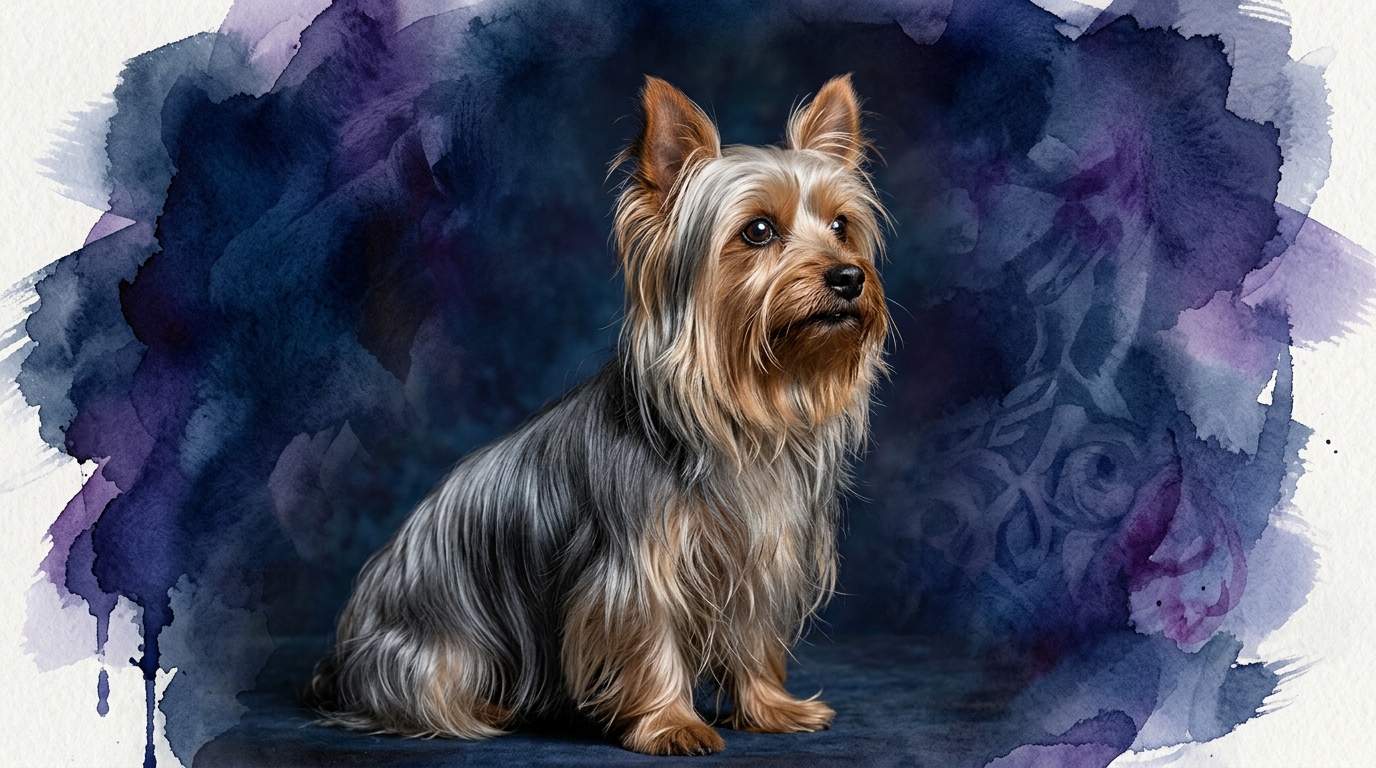
In contrast, the Silky Terrier, a member of the Toy Group and not Coren-ranked, presents a different cognitive landscape. Its Problem Solving capability mirrors the Boxer at 3/5, suggesting similar moderate aptitude for figuring out new puzzles, perhaps leveraging its innate curiosity and persistence. Training Speed is also 3/5, indicating that while trainable, the Silky Terrier benefits from engaging, positive reinforcement techniques to maintain focus. The most significant divergence appears in Social Intelligence, where the Silky Terrier scores 3/5. This suggests it is aware of human presence and interaction but may not possess the same profound attunement to human emotional states or a strong drive to cooperate solely for human approval. Its Instinctive Drive is 3/5, reflecting typical terrier traits such as vigilance, a keen prey drive, and a degree of self-sufficiency. Memory for the Silky Terrier, like the Boxer, is 3/5, indicating a functional recall for familiar commands and experiences within its environment.
Where Boxer Wins Cognitively
The Boxer's undeniable cognitive strength lies in its exceptional Social Intelligence, scoring an impressive 5/5. This isn't merely about being friendly; it denotes a profound capacity to read and interpret human emotions, body language, and vocal inflections with remarkable accuracy. A Boxer often seems to anticipate its owner's mood or needs, offering comfort or initiating play at just the right moment. This high social attunement translates into a strong desire for cooperative engagement, making them receptive to human direction and keen to participate in shared activities. Their 4/5 Instinctive Drive further complements this, manifesting as a deep-seated desire to partner and protect, which, when guided, fosters unwavering loyalty and a responsive nature to their human companions. This blend ensures that while they might not independently solve complex abstract puzzles faster than a Silky Terrier, their understanding of the human-animal relationship and their role within it is unparalleled.
Where Silky Terrier Wins Cognitively
While the Silky Terrier's individual cognitive scores don't surpass the Boxer's in any single dimension, its unique combination of moderate Problem Solving (3/5), Instinctive Drive (3/5), and a more independent Social Intelligence (3/5) creates a distinct cognitive advantage in specific scenarios. Their terrier heritage imbues them with a remarkable persistence and resourcefulness, especially when pursuing a self-appointed goal, such as exploring a fascinating scent or attempting to reach a hidden toy. This drive, coupled with their moderate problem-solving, allows them to navigate intricate home environments with surprising agility and ingenuity, often finding novel, albeit sometimes mischievous, solutions to perceived obstacles like closed doors or inaccessible treats. Their vigilance, an aspect of their instinctive drive, means they are exceptionally alert to environmental changes, making them highly effective, if sometimes vocal, early warning systems for their households, demonstrating a sharp awareness of their surroundings.
Which is Easier to Train and Why
When considering ease of training, the Boxer's moderate Training Speed (3/5) is significantly bolstered by its outstanding Social Intelligence (5/5). Boxers possess an inherent desire to please their human companions and thrive on cooperative interaction. This strong bond and eagerness to engage mean they are generally highly motivated by positive reinforcement and praise from their trusted owner. While their playful energy requires consistency and patience to channel, their responsiveness to human cues and their willingness to work alongside their people make the training process a rewarding partnership. They strive to understand and comply, making them generally receptive to learning commands and routines when presented with clear, consistent direction.
The Silky Terrier, also with a moderate Training Speed (3/5), presents a different training dynamic. Its Social Intelligence, at 3/5, suggests a more independent streak; while they are aware of human interaction, they may not be as inherently driven by the sole desire for human approval. Their terrier temperament means they can be self-willed and persistent in their own endeavors, sometimes prioritizing their instincts (like chasing a perceived critter) over a command. Training a Silky Terrier often requires more creative and high-value motivators, such as specific treats or engaging games, to capture and maintain their attention. Consistency is paramount, as is making training sessions feel like a game rather than a chore, to overcome their independent nature and channel their persistence into desired behaviors.
Which Suits Active Owners vs Relaxed Owners
For active owners seeking a dynamic partner, the Boxer is often an ideal match. Their robust Instinctive Drive (4/5) for companionship and activity, combined with their moderate problem-solving and training speed, means they thrive on structured physical exercise and mental engagement. They enjoy activities that allow them to work alongside their human, whether it's obedience training, agility, or long, vigorous walks and runs. Owners who can provide consistent training, opportunities for play, and a sense of purpose will find the Boxer to be a highly engaged and rewarding companion, channeling their energy constructively.
Conversely, the Silky Terrier, with its more moderate Instinctive Drive (3/5) and smaller stature, can be a better fit for relaxed owners who still appreciate an alert and active, but less physically demanding, companion. While they definitely require daily exercise and mental stimulation to prevent boredom and manage their terrier energy, their needs are generally more contained than a Boxer's. Their independent streak means they can be content entertaining themselves for periods, though they still cherish interaction. Owners who appreciate a dog with a self-sufficient personality and who can provide consistent, engaging, but not necessarily high-intensity, activities will find the Silky Terrier a delightful presence in their home.
The Verdict
Choose the Boxer when seeking a highly cooperative, socially perceptive companion for a family or an individual who enjoys structured training and activities, prioritizing a deep human-animal bond.
Choose the Silky Terrier when an alert, independent, and persistent companion is desired, suitable for owners who appreciate a dog with a self-sufficient streak and manageable exercise requirements.
🧠 Find Your Pet's IQ Score
Our Pet IQ Lab assessment covers 25+ tests across 5 cognitive dimensions — personalized to your breed.
Take the Full IQ Test →Frequently Asked Questions
Are Boxers good family dogs?
Their exceptional social intelligence makes them highly attuned to family dynamics, often forming strong bonds with children and adults alike, provided they receive appropriate training and socialization.
Do Silky Terriers bark a lot?
Their instinctive drive, particularly their vigilance as a terrier, often translates to being vocal alarms, alerting their owners to perceived intruders or unusual sounds. Consistent training can help manage this tendency.
Which breed is better for apartment living?
While Boxers can adapt with sufficient exercise, the Silky Terrier's smaller size and generally lower overall instinctive drive make them more naturally suited for apartment living, provided their exercise and mental stimulation needs are met.