Side-by-Side Cognitive Profiles
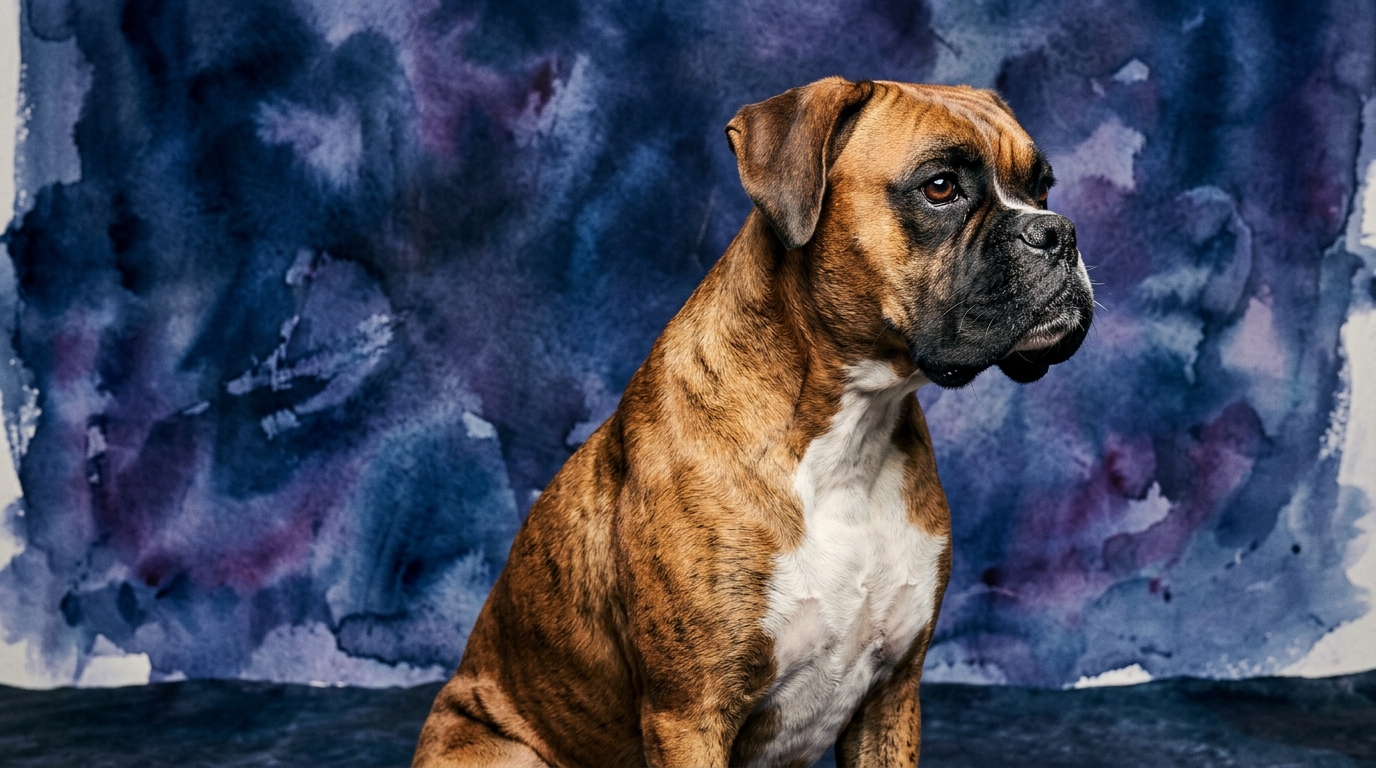
The Cosmic Pet Pet IQ Lab offers a nuanced perspective on canine cognition, breaking down intelligence into five core dimensions. For the Boxer, a Working breed ranked #48 by Coren, we observe a Problem Solving score of 3/5, indicating an ability to navigate moderately complex challenges without necessarily inventing novel solutions spontaneously. Their Training Speed also stands at 3/5, suggesting they respond well to consistent methods but might require more repetition. A standout trait is their Social Intelligence, scoring an exceptional 5/5, reflecting a deep attunement to human emotions and social cues. Their Instinctive Drive is a robust 4/5, often manifesting in protection and play, while Memory registers at 3/5, sufficient for retaining learned commands and experiences.
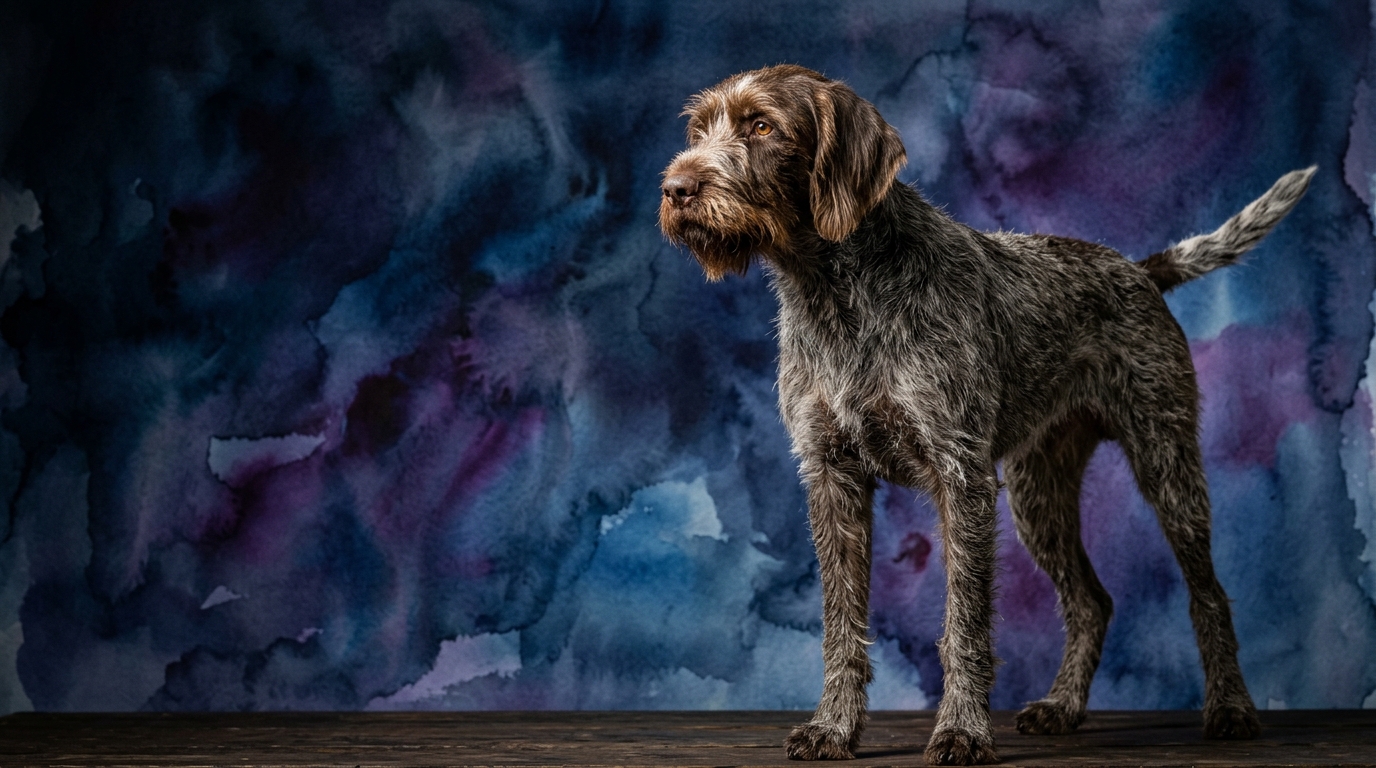
The Wirehaired Pointing Griffon, a Sporting breed not Coren-ranked, presents a slightly different cognitive texture. Their Problem Solving ability matches the Boxer at 3/5, indicating practical aptitude, particularly in tasks related to their heritage. Training Speed is also 3/5; they are capable learners, though specific distractions might influence their pace. Their Social Intelligence is a solid 3/5, demonstrating affection and understanding within their family unit, though perhaps with less intensity than the Boxer. Instinctive Drive scores 3/5, primarily focused on hunting, tracking, and retrieving. Finally, their Memory, like the Boxer's, is rated at 3/5, adequate for their working roles and daily life.
Where the Boxer Excels Cognitively
The Boxer's paramount cognitive advantage lies in its exceptional social intelligence (5/5). This breed doesn't merely recognize human emotions; it deeply engages with them, often mirroring affection and understanding subtle shifts in mood or tone. This translates into a companion that feels incredibly connected, almost empathetic, making them particularly adept at forming profound interpersonal bonds. Their expressive nature and desire for interaction mean they are often 'reading' their human family, anticipating needs or seeking reassurance, which is a complex cognitive feat.
Furthermore, their robust instinctive drive (4/5) often manifests as a vigilant protective instinct and a playful exuberance. This isn't just physical energy; it speaks to a strong cognitive framework for alertness and engagement with their environment and social group. This drive, combined with their social acumen, makes them perceptive guardians of their family unit, sensing potential changes or threats in their immediate social sphere and responding with appropriate vigilance.
Where the Wirehaired Pointing Griffon Holds Its Own
While sharing similar scores in problem-solving and training speed, the Wirehaired Pointing Griffon possesses a distinct cognitive strength rooted in its specialized sporting heritage. Its instinctive drive (3/5), though numerically lower than the Boxer's, is highly focused and refined for specific tasks: scent work, pointing, and retrieving. This isn't a general, high-octane drive but a finely-tuned cognitive mechanism for processing environmental cues related to game, demonstrating a practical application of intelligence in its intended working domain.
Their innate drive to locate and track game showcases a practical problem-solving capability within their specific field. Navigating varied terrain, interpreting complex scent trails, and working cooperatively with a hunter require a specific type of applied cognition that is a hallmark of this breed. Their memory (3/5) and training speed (3/5) are perfectly adequate for mastering intricate field commands and retaining complex hunting strategies, allowing them to perform their specialized roles effectively and consistently.
Navigating Training: Boxer vs. Griffon
Both breeds score a 3/5 in training speed, suggesting neither is inherently 'easier' in a broad sense, but their training challenges stem from different cognitive priorities. The Boxer's high social intelligence (5/5) can be a double-edged sword: while they are eager to please and deeply attuned to their owner, their intense desire for interaction and playful nature can sometimes lead to distractions. Training Boxers requires consistent engagement, positive reinforcement, and making the process feel like a shared activity to harness their social motivation. Their strong instinctive drive (4/5) for play and protection also means channeling this energy productively is key; without it, their focus can easily wander.
The Wirehaired Pointing Griffon, with its focused sporting drive (3/5) and slightly lower social intelligence (3/5), might present a different training dynamic. They are capable learners, but their attention can be strongly drawn to environmental stimuli, particularly scents or potential game. Training them often means competing with these innate drives. While they form bonds, their motivation might be more task-oriented, requiring trainers to leverage their working instincts. They might be less inclined to seek constant human interaction during training, preferring to focus on the task at hand, which can be an advantage for specific obedience but requires a keen understanding of their breed-specific motivators.
Matching Canine Cognition to Lifestyle
The Boxer, with its robust instinctive drive (4/5) and energetic, playful disposition, thrives with active owners. Their need for physical exertion is substantial, and their high social intelligence (5/5) means they crave shared activities and companionship during these endeavors. They are ideal for individuals or families who enjoy regular walks, runs, interactive play sessions, or even dog sports. A relaxed owner might find themselves overwhelmed by the Boxer's persistent need for engagement and physical outlet, potentially leading to boredom-induced behaviors and a less harmonious household.
The Wirehaired Pointing Griffon, while a sporting dog, presents a slightly different activity profile. Its instinctive drive (3/5) is purpose-driven, making it suitable for owners who are active in specific ways, such as hunting, hiking, or participating in scent work or field trials. They enjoy rigorous outdoor activity but are often content to settle once their physical and mental needs, particularly those related to their working heritage, are met. A moderately active owner who can provide consistent, stimulating outdoor time, even if not daily intense exercise, would suit a Griffon. While they can adapt to a more relaxed home life, they still require outlets for their breed-specific instincts to prevent restlessness and maintain cognitive satisfaction.
The Verdict
Choose the Boxer if you seek a highly socially attuned companion, capable of deep emotional connection, who thrives on interactive play and shared activity, and whose protective instincts provide a sense of security.
Opt for the Wirehaired Pointing Griffon if you appreciate a focused, capable working partner for outdoor pursuits, valuing a more independent yet affectionate nature, and can provide outlets for their specialized sporting drives.
🧠 Find Your Pet's IQ Score
Our Pet IQ Lab assessment covers 25+ tests across 5 cognitive dimensions — personalized to your breed.
Take the Full IQ Test →Frequently Asked Questions
How do their problem-solving skills compare in a home environment?
Both breeds score 3/5 in problem-solving, suggesting they are equally capable of navigating typical household challenges like opening a cabinet or figuring out a simple puzzle toy. A Boxer might use its strong social acumen to 'ask' for human help, while a Griffon might more independently try to figure out how to reach a dropped toy through trial and error.
Is one breed more prone to separation anxiety based on their IQ profile?
The Boxer's exceptional social intelligence (5/5) and strong desire for companionship could make them more susceptible to distress when left alone for extended periods, as they thrive on constant interaction. The Griffon, with a 3/5 social intelligence, might handle solitude with more equanimity, provided its exercise and mental stimulation needs are consistently met.
Do their memory scores impact their ability to learn complex tricks or routines?
Both breeds have a 3/5 memory score, indicating they can certainly learn complex tricks and routines, but consistent reinforcement will be key. Neither is likely to pick up intricate sequences after just a few repetitions without regular practice, making repetition and positive reinforcement crucial for solidifying their recall of commands.