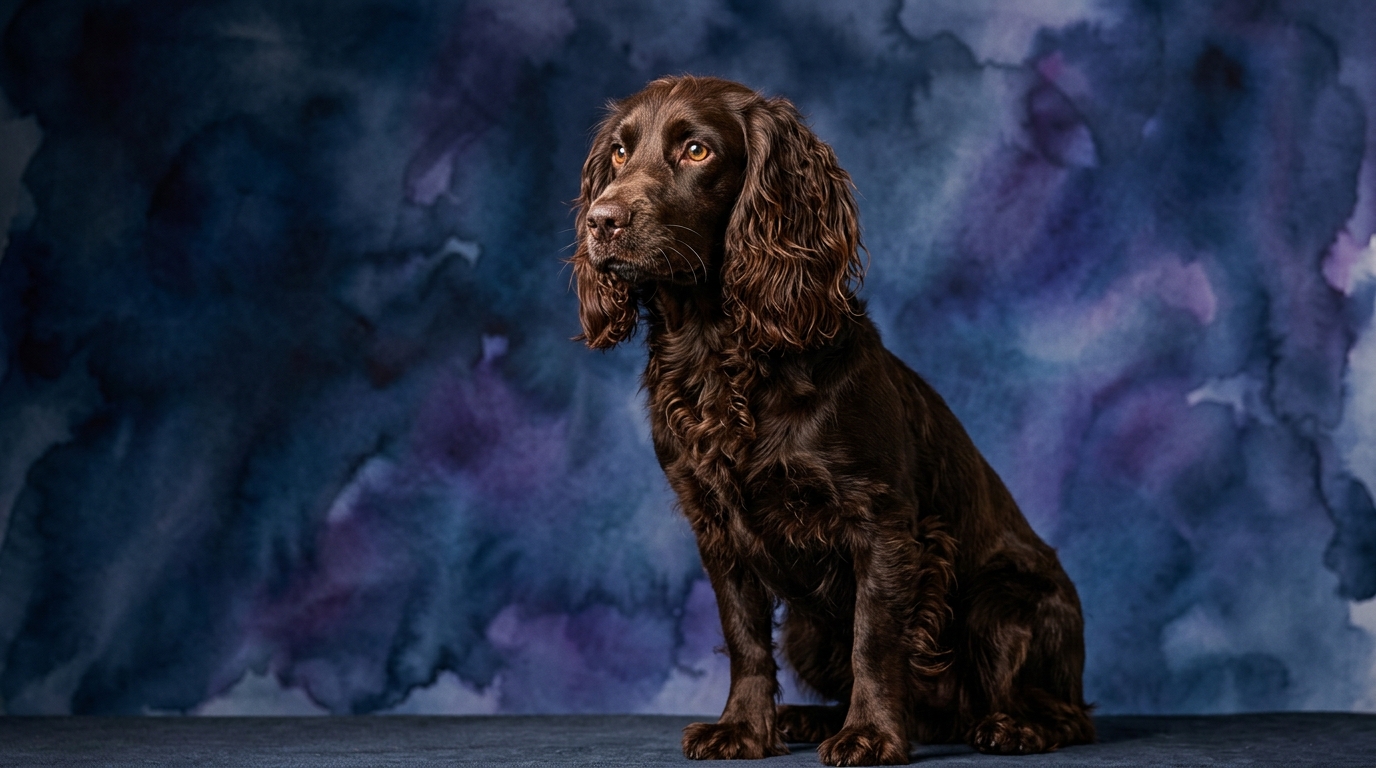
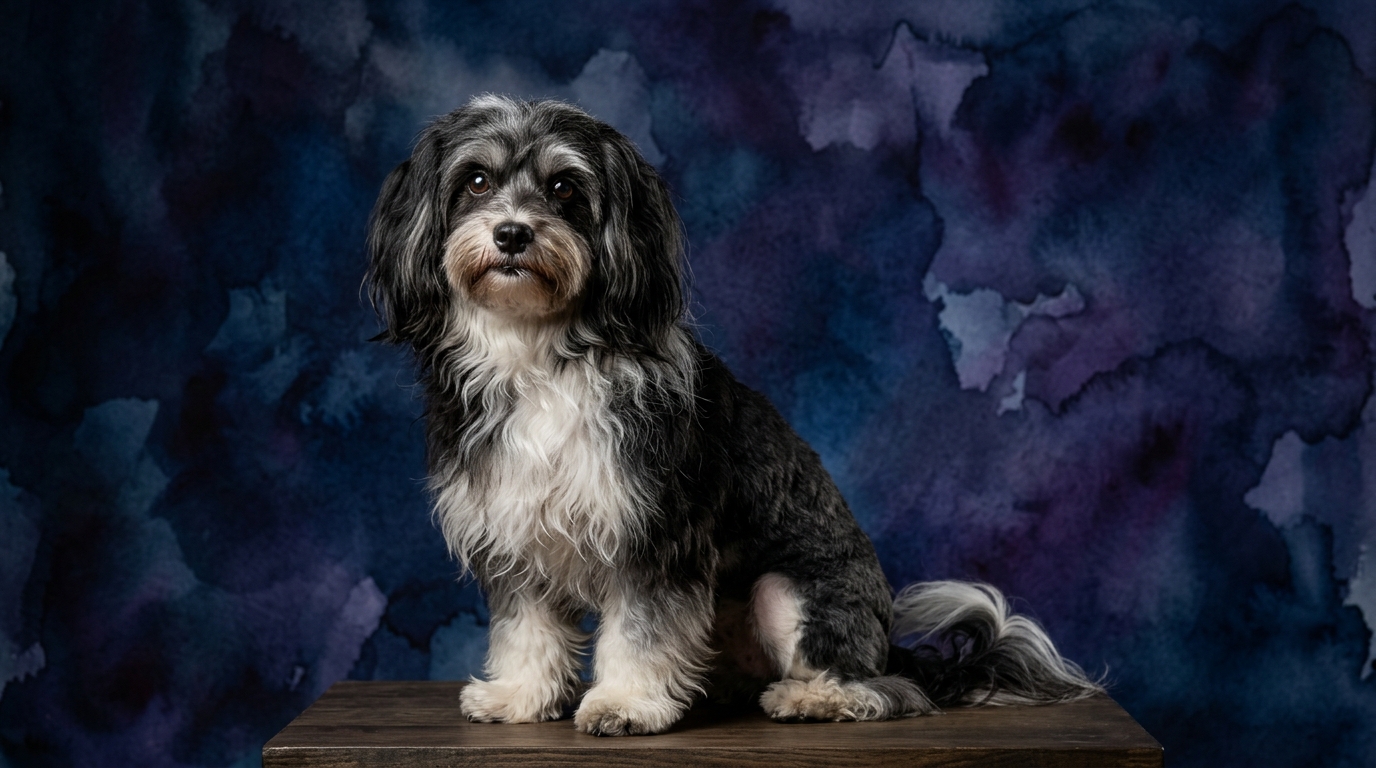
Side-by-Side IQ Profile: Boykin Spaniel vs. Löwchen
The Cosmic Pet Pet IQ Lab provides a standardized framework for assessing canine cognitive abilities across five vital dimensions, each scored on a scale of 1 to 5. Interestingly, both the Boykin Spaniel and the Löwchen register identical scores of 3/5 across every category. This numerical parity, however, belies the rich, breed-specific nuances in how these scores translate into real-world behavior and cognitive application.
Boykin Spaniel (Sporting Group): Developed for hunting waterfowl and upland game, the Boykin's intelligence is deeply rooted in its working heritage.
Problem Solving (3/5): This score reflects the Boykin's practical intellect, honed for navigating complex terrain and strategizing retrieves during hunts. They excel at figuring out how to overcome physical obstacles to reach a desired object, such as maneuvering through dense underbrush or identifying the best entry point into water for a retrieve, demonstrating a hands-on, environmental problem-solving approach crucial for their working role.
Training Speed (3/5): Boykins typically grasp new commands at a moderate pace, particularly when the training aligns with their innate drives for cooperation and activity. While eager to please their handler, their enthusiasm for outdoor pursuits and strong prey drive can sometimes create a joyful distraction, requiring consistent, engaging methods and a clear purpose to maintain focus during learning sessions.
Social Intelligence (3/5): Their social acumen is primarily directed towards cooperative work with their human partners in a functional context. They understand handler cues and body language well in the field, showing a strong desire to collaborate. While amiable and good-natured, their focus is often on the task at hand rather than intricate human emotional nuances, making them excellent working companions.
Instinctive Drive (3/5): A defining characteristic, this score signifies a robust natural inclination for hunting, retrieving, and scent work. Their drive is a powerful motivator, channeling their energy and focus towards tasks that mimic their historical role in the field, such as diligently following a scent trail or persistently searching for hidden game, indicating a strong inherent purpose.
Memory (3/5): Boykins possess a reliable memory for learned commands, routines, and the locations of game or retrieved items, which is vital for their efficiency in the field. This allows them to recall complex sequences of actions, remember specific hunting spots, and navigate familiar environments with precision, contributing to their effectiveness as a working dog.
Löwchen (Non-Sporting Group): Known as the 'little lion dog,' the Löwchen's intelligence is shaped by centuries of companionship.
Problem Solving (3/5): The Löwchen's problem-solving often manifests in a domestic context, such as figuring out how to gain attention from family members through various charming antics or manipulating situations to their advantage, like accessing favorite toys from a tricky spot. Their intellect is applied more to social and environmental manipulation within their immediate family unit, demonstrating a cleverness in navigating their personal world.
Training Speed (3/5): Löwchens learn at a moderate pace, often thriving on positive reinforcement and varied training sessions that keep them engaged and prevent boredom. They can exhibit a charming independence, sometimes requiring more enticing rewards or making training feel like a fun game to maintain their interest, indicating a need for creative and motivating teaching methods.
Social Intelligence (3/5): Highly attuned to their human family, Löwchens display keen social intelligence, often picking up on subtle emotional shifts, vocal tones, and social cues within the household. They thrive on interaction and can be adept at 'reading' people, using their charm and understanding of family dynamics to foster strong bonds and integrate seamlessly into daily life.
Instinctive Drive (3/5): While not possessing the strong prey drive of a sporting dog, the Löwchen's instinctive drive is centered around companionship, play, and a keen awareness of their beloved family. They have a strong desire for interaction, often initiating playful engagement, and can exhibit a protective instinct towards their human companions, reflecting their role as a devoted companion.
Memory (3/5): Löwchens have a good memory for people, routines, and where their favorite family members or treats can be found, contributing to their adaptability within a household. They remember past interactions, learn from experiences quickly, and can recall specific household rules or preferred routines, making them responsive and consistent companions.
Where the Boykin Spaniel Wins Cognitively
The Boykin Spaniel's cognitive strengths truly shine in scenarios demanding sustained, purpose-driven engagement with the environment and tasks requiring physical execution. Their problem-solving, coupled with a potent instinctive drive, makes them exceptionally adept at tasks requiring sequential actions to achieve a specific, often physical, goal. For instance, a Boykin will likely surpass a Löwchen in deciphering the most efficient path through dense cover to retrieve a dropped item, or consistently remembering multiple retrieve locations over varied terrain and weather conditions. Their memory and problem-solving are deeply intertwined with their natural working aptitude, allowing them to excel at complex field drills, intricate scent work, and navigating dynamic outdoor environments with remarkable consistency and efficiency, often demonstrating a deep understanding of cause and effect in a practical setting.
Where the Löwchen Wins Cognitively
Conversely, the Löwchen's cognitive prowess is most evident in its profound social and adaptive intelligence within a family setting, a domain where the Boykin's focus is more task-oriented. While both breeds score similarly in social intelligence, the Löwchen's manifestation is geared towards nuanced human interaction and emotional attunement. They are likely to be more skilled at interpreting subtle shifts in human mood or body language, often adjusting their own behavior accordingly, perhaps offering a comforting nudge or initiating playful interaction at just the right moment. Their problem-solving might involve figuring out how to effectively get a specific family member's attention, or skillfully navigating complex household routines and social situations with charming manipulation, indicating a cognitive focus on interpersonal dynamics and emotional intelligence rather than environmental mastery or physical tasks.
Which is Easier to Train and Why?
Evaluating which breed is 'easier' to train, given their identical 3/5 training speed, hinges significantly on the owner's approach and the type of training desired. The Boykin Spaniel, driven by its sporting heritage, often responds well to training that channels its natural instincts for retrieving and working alongside a handler. They can be highly motivated by opportunities to 'work,' making structured obedience and field training rewarding. However, their strong instinctive drive can also be a challenge, as distractions in an outdoor setting might temporarily override learned commands if not managed with consistent focus and reinforcement. Their behavioral inclination towards independent pursuit of game means owners must establish clear boundaries and consistent expectations.
The Löwchen, while equally capable of learning, might require a more varied and engaging training style. Their desire for companionship makes positive reinforcement highly effective, but their independent streak means that repetitive or overly strict methods might lead to disinterest. Training a Löwchen often benefits from making it feel like a fun game, emphasizing their desire for interaction rather than a rigid command structure, making them quick to learn tricks or polite household manners when properly motivated. Their behavioral tendency to seek attention and bond closely with family means training can be highly effective when integrated into daily social interactions.
Which Suits Active Owners vs. Relaxed Owners?
For owners with an active lifestyle, the Boykin Spaniel emerges as an ideal partner. This breed requires substantial physical exercise and mental stimulation that taps into its working dog heritage. Daily long walks, runs, swimming, or participation in dog sports like agility, flyball, or scent work are not just beneficial but essential for their well-being. A Boykin thrives when given a 'job' to do, and insufficient outlets for its energy and drive can lead to restlessness or unwanted behaviors. Their cognitive functions are best engaged when presented with challenges that allow them to utilize their problem-solving and instinctive drives in a dynamic environment.
In contrast, the Löwchen offers a more versatile companionship, suitable for both moderately active and more relaxed owners. While they enjoy regular walks and playtime, their exercise needs are generally less intense than a Boykin's. They are content with indoor games, short bursts of activity, and ample cuddle time, making them adaptable to various living situations from apartments to houses, provided they receive consistent mental engagement and social interaction. Their social intelligence allows them to adapt well to the pace of their human companions, finding mental stimulation through interaction and observation rather than solely through vigorous physical activity.
The Verdict
Choose a Boykin Spaniel if you are an active individual or family seeking a devoted partner for outdoor adventures, hunting, or dog sports, prepared to provide consistent, purpose-driven training to channel their robust working instincts.
Opt for a Löwchen if you desire a charming, adaptable companion who thrives on social interaction and family life, capable of adapting to varying activity levels while offering keen social intelligence and affectionate companionship.
🧠 Find Your Pet's IQ Score
Our Pet IQ Lab assessment covers 25+ tests across 5 cognitive dimensions — personalized to your breed.
Take the Full IQ Test →Frequently Asked Questions
Are Boykin Spaniels good family dogs with children?
Yes, Boykin Spaniels are generally known for their affectionate nature and can be wonderful family dogs. They are typically patient and playful with children, especially when properly socialized and given sufficient outlets for their energy, making them delightful companions for an active household.
Do Löwchens require professional grooming?
Löwchens possess a non-shedding, low-allergy coat that benefits from regular grooming to prevent mats and keep it in good condition. While some owners manage home grooming, many choose professional grooming every few weeks to maintain their distinctive 'lion' clip or a simpler puppy cut, ensuring their coat remains healthy and manageable.
How do these breeds compare in terms of vocalization?
Boykin Spaniels can be vocal, especially when excited or when fulfilling their retrieving duties, often using barks to communicate during work or play. Löwchens are generally not excessive barkers, but they will alert their owners to strangers or unusual sounds, often using a distinct bark to signal their protective instincts, making them effective small watchdogs.