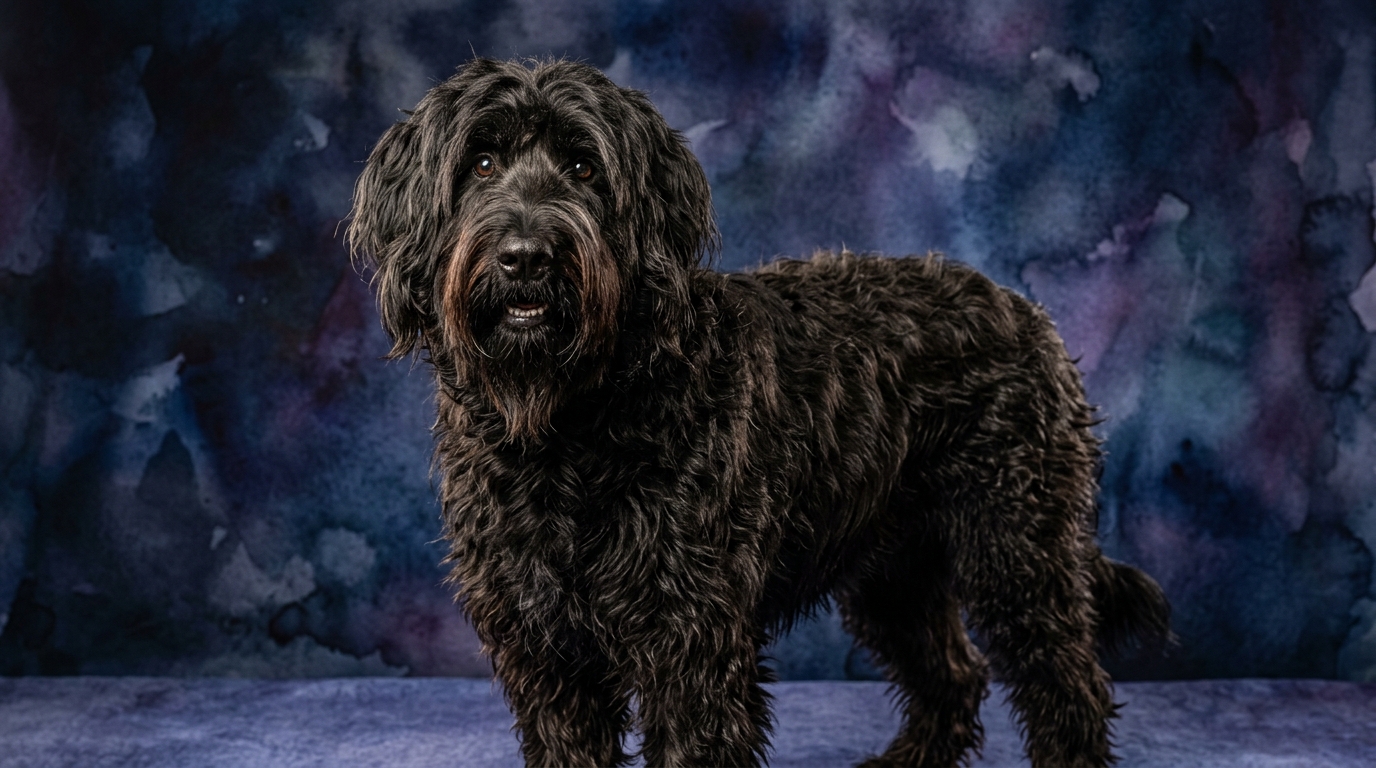
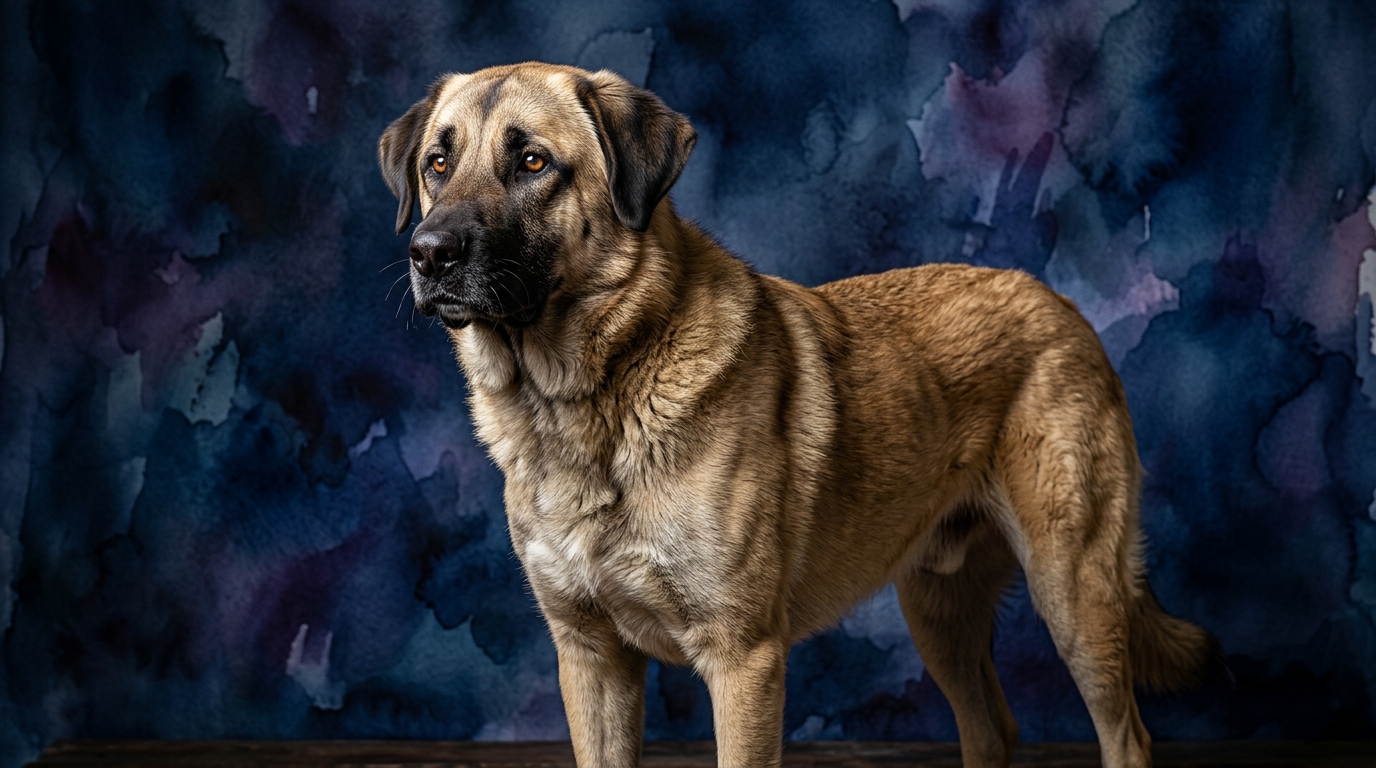
Side-by-Side Cognitive Profile: Briard vs. Anatolian Shepherd Dog
The Briard, a Herding breed ranked #30 by Coren, demonstrates a nuanced cognitive framework. Its Problem Solving ability scores 4/5, indicating a strong capacity for independent thought in novel situations, often devising solutions to environmental obstacles. Training Speed is also 4/5, showing a quick grasp of new commands and routines, often requiring fewer repetitions for mastery. Social Intelligence stands at 3/5, meaning it possesses a moderate understanding of human emotional cues and social hierarchies, forming strong bonds while maintaining independence. Its Instinctive Drive is 3/5, displaying a balanced but present herding instinct coupled with a moderate drive for protective behaviors. Finally, Memory scores 4/5, retaining learned information and experiences effectively, recalling commands and routines even after periods of inactivity.
In contrast, the Anatolian Shepherd Dog, a Working breed not Coren-ranked, presents a different set of cognitive strengths. Its Problem Solving ability is 3/5, capable of assessing situations and making decisions, particularly within its guarding role, though less inclined towards complex, abstract problem-solving outside this domain. Training Speed is 3/5, learning at a steady pace and requiring consistent, patient instruction, often processing information deliberately before committing it to memory. Social Intelligence is 3/5, exhibiting a moderate understanding of social dynamics, forming deep bonds with its family while often being reserved or aloof with strangers. Its Instinctive Drive is a solid 3/5, possessing a potent and unwavering guarding instinct, prioritizing the protection of its charges above all else. Memory scores 3/5, retaining important information related to its environment and routine, but perhaps not recalling arbitrary commands as readily as breeds with higher scores.
Where the Briard Wins Cognitively
The Briard's cognitive profile shines particularly bright in its capacity for dynamic learning and recall. Its superior Problem Solving score of 4/5 indicates a breed that actively strategizes, devising solutions to obstacles in its environment, not just reacting. This mental agility allows it to adapt swiftly to new challenges, making it a versatile companion in varied situations. Furthermore, the Briard’s Training Speed, also at 4/5, means it absorbs new information with impressive efficiency. This isn't just about rote memorization; it's about connecting actions with consequences quickly. Coupled with a Memory score of 4/5, the Briard not only learns fast but retains that knowledge over long periods, making advanced training and consistency in learned behaviors a more straightforward endeavor. This cognitive combination underpins its historical role as a self-sufficient herding dog, capable of independent decision-making in the field.
Where the Anatolian Shepherd Dog Wins Cognitively
While the Anatolian Shepherd Dog's scores might appear numerically lower in certain general cognitive dimensions, its unique profile represents a profound cognitive strength perfectly tailored for its ancient role. Its Problem Solving score of 3/5 reflects deep-seated, independent reasoning applied specifically to protection and surveillance—assessing threats and understanding flock dynamics without direct human command. The Anatolian's steady Social Intelligence (3/5) and Instinctive Drive (3/5) signify a self-contained mental fortitude. Its social interactions are deliberate, building profound, loyal bonds with its immediate family while maintaining judicious reserve towards outsiders. This formidable instinctive drive is unwavering, focused entirely on vigilance and protection, demanding a cognitive focus that prioritizes observation and deterrence. This singular cognitive dedication is where its true mental prowess lies, making it an unparalleled protector.
Training Dynamics: Which is Easier to Guide?
When considering ease of training, the Briard generally presents a more straightforward path for the average owner. Its Training Speed of 4/5 indicates quicker acquisition of new commands and greater eagerness for structured learning. This mental alacrity, combined with its 4/5 Memory score, means a Briard often requires fewer repetitions to solidify a behavior and recalls lessons consistently. They thrive on mental stimulation and enjoy the partnership of training, responding well to positive reinforcement methods. In contrast, the Anatolian Shepherd Dog, with its 3/5 Training Speed and Memory, requires a different approach. Their cognitive process is more deliberate and independent; they are discerning learners, weighing command utility against ingrained protective instincts. Training an Anatolian demands immense patience, consistency, and understanding of their guardian mindset. They may learn slower and require more consistent reinforcement, often questioning a command's purpose if it doesn't align with their duties. Their independence, a cognitive asset, can manifest as stubbornness in conventional obedience.
Matching Cognitive Profiles to Lifestyles: Active vs. Relaxed Owners
For owners seeking an active and engaged canine partner, the Briard is often the more fitting choice. Its herding heritage imbues it with a substantial need for physical exercise and mental engagement. An active owner who enjoys hiking, dog sports like agility or obedience, or long, stimulating walks will find the Briard an enthusiastic, capable companion. Their 4/5 Problem Solving and Training Speed scores mean they thrive on challenges and structured activities, ideal for those wanting to participate in dog sports or complex training. Conversely, the Anatolian Shepherd Dog suits owners appreciating a more relaxed, yet deeply responsible, canine presence. While they require space and regular exercise, their activity is often patrolling, observing, and guarding, not high-octane exertion. An owner with a larger property, respecting the Anatolian's independent, vigilant nature, will find a loyal, steadfast protector. Their cognitive strengths lie in unwavering focus on their environment and charges, making them less inclined towards constant playful interaction and more towards a watchful, calm demeanor.
The Verdict
Choose the Briard if you seek a highly trainable, cognitively agile companion for active pursuits and enjoy engaging in complex training and dog sports. They thrive on mental challenges and bond closely through shared activities.
Opt for the Anatolian Shepherd Dog if you desire a steadfast, independent guardian with a calm, watchful demeanor, valuing their deep-seated protective instincts and requiring less direct, constant entertainment.
🧠 Find Your Pet's IQ Score
Our Pet IQ Lab assessment covers 25+ tests across 5 cognitive dimensions — personalized to your breed.
Take the Full IQ Test →Frequently Asked Questions
Does the Anatolian Shepherd Dog's lower Coren ranking mean it's not intelligent?
Not at all. The Coren ranking primarily assesses obedience and working intelligence in a specific context. The Anatolian's intelligence is highly specialized for guarding livestock, emphasizing independent decision-making and vigilance over immediate obedience to complex commands, which the ranking doesn't fully capture.
How does the Briard's herding background influence its Problem Solving ability?
A Briard's 4/5 Problem Solving score is directly linked to its herding history, where it needed to independently assess flock movements, predict animal behavior, and make quick decisions to manage livestock. This fostered a cognitive flexibility and strategic thinking that translates to other areas of its life.
Is the Anatolian Shepherd Dog difficult to socialize given its reserved nature?
The Anatolian's 3/5 Social Intelligence means they form deep bonds with their family but are naturally reserved with strangers. Early, consistent, and positive socialization is crucial to help them develop appropriate responses to new people and situations, channeling their natural caution into confident, rather than fearful or aggressive, behavior.