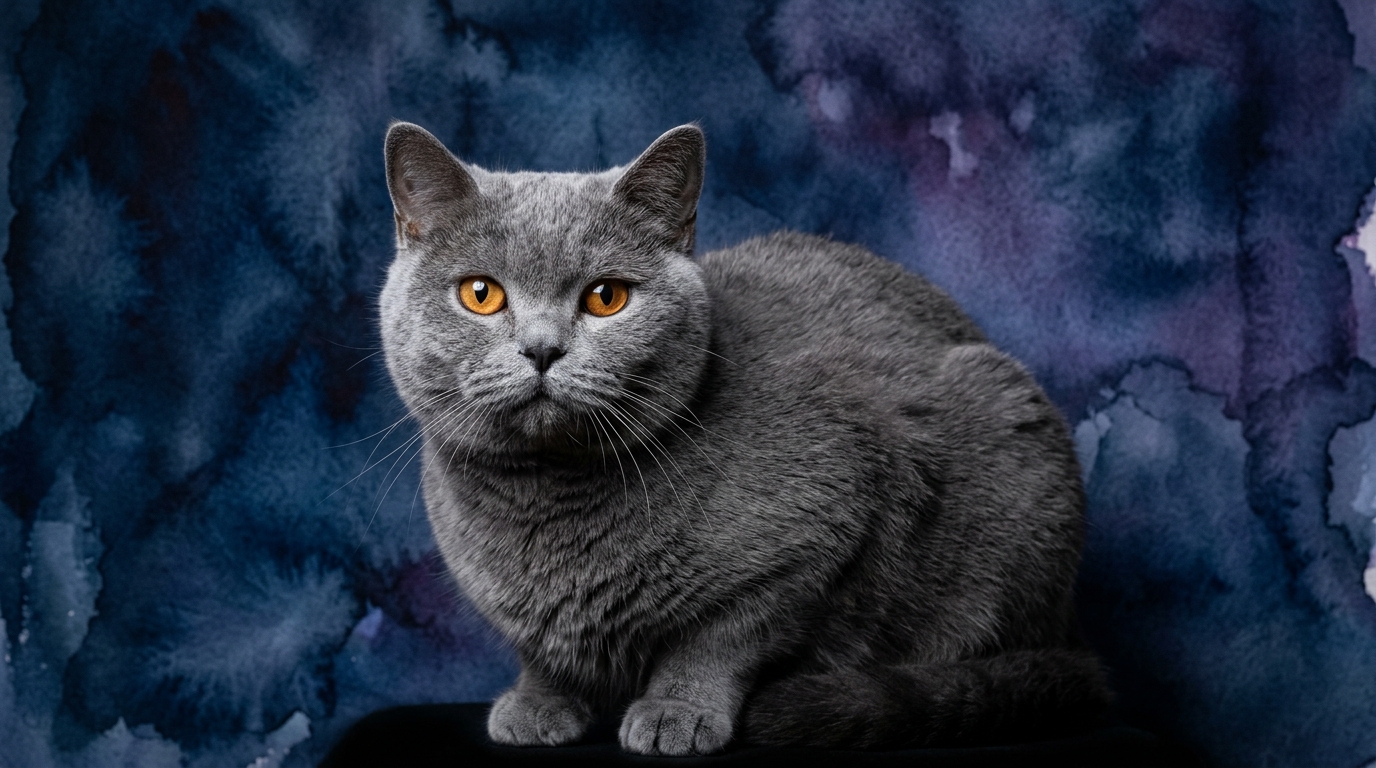
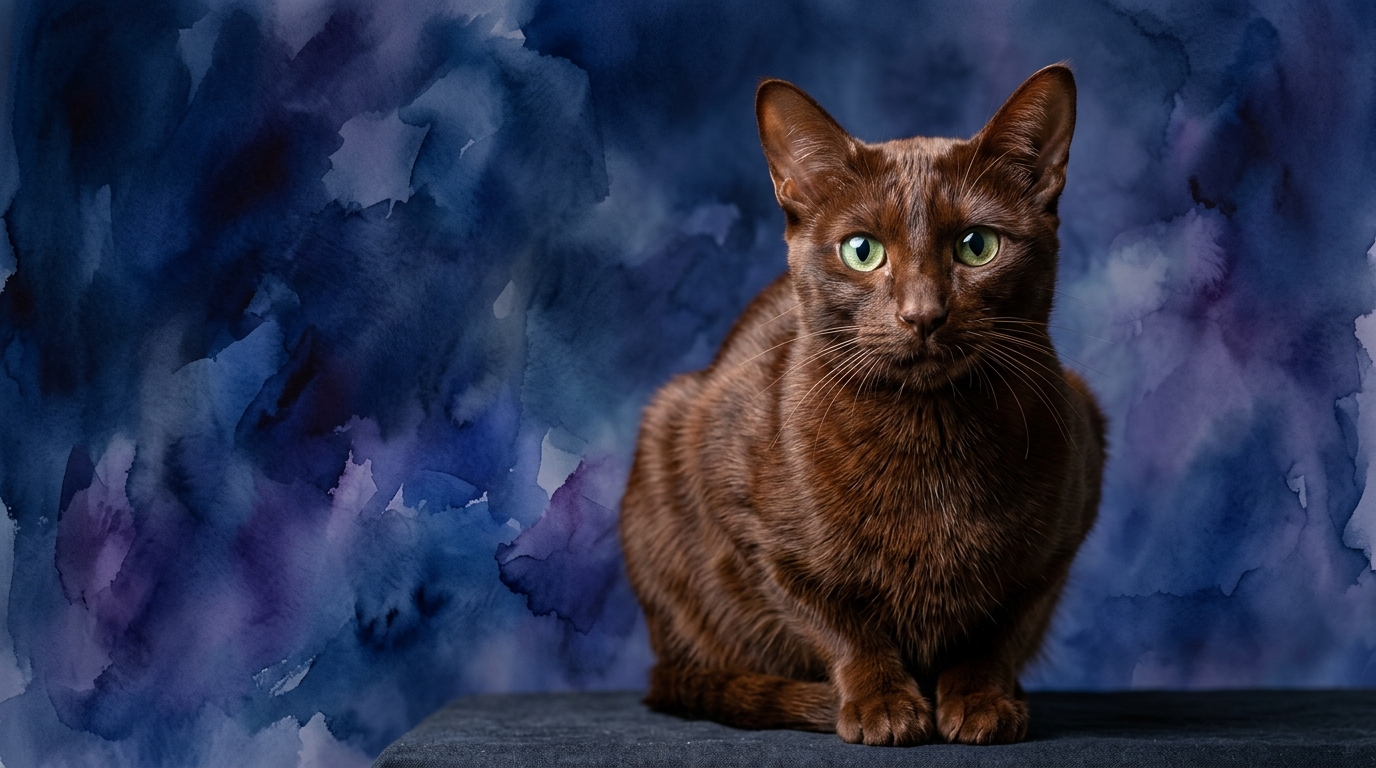
Side-by-Side Cognitive Profiles
The Pet IQ Lab assesses feline intelligence across five crucial dimensions: Problem Solving, Training Speed, Social Intelligence, Instinctive Drive, and Memory. Intriguingly, both the British Shorthair and the Havana Brown achieve a consistent score of 3 out of 5 in every single category, suggesting a similar baseline of cognitive potential. However, the *manifestation* of these scores often differs significantly due to their inherent temperaments and breed-specific behaviors.
For the **British Shorthair**, a 3/5 in Problem Solving typically means they approach new challenges with a measured, observant demeanor. They are less likely to dive headfirst into a puzzle, preferring to survey the situation, weigh their options, and then execute a deliberate plan. Their 3/5 Training Speed indicates they are capable of learning routines and commands, but often on their own terms, requiring motivation that resonates with their independent spirit. Social Intelligence at 3/5 manifests as a discerning affection; they are attuned to their household's rhythm and emotional states but may choose when and how to engage, often preferring quiet companionship. Their Instinctive Drive, also 3/5, is typically a more sedate, strategic form of hunting play, enjoying interactive toys that simulate a chase without excessive exertion. Finally, a 3/5 in Memory highlights their excellent recall for established routines, preferred sleeping spots, and the location of their favorite resources, contributing to their calm and predictable nature.
The **Havana Brown**, despite identical numerical scores, often displays these cognitive traits with a different flavor. Their 3/5 Problem Solving is frequently characterized by a more exploratory and hands-on approach. They are curious and persistent, often trying various methods to achieve a goal, such as opening a cabinet or retrieving a hidden toy. A 3/5 Training Speed for a Havana Brown often benefits from their people-oriented nature; they are typically eager to please and respond well to positive reinforcement, making the training process feel more collaborative. Their 3/5 Social Intelligence is often expressed through active engagement and communication, seeking out interaction and displaying a nuanced understanding of human cues, sometimes even 'conversing' with chirps and trills. The Havana Brown's 3/5 Instinctive Drive tends to be more outwardly playful and energetic, enjoying vigorous games of fetch or chase, embodying their natural hunting instincts with zest. Their 3/5 Memory is particularly strong for interactive games, people, and specific locations associated with play and affection, reinforcing their bond with their human companions.
Where the British Shorthair Excels Cognitively
While their numerical scores are identical, the British Shorthair's cognitive strengths often lie in areas demanding patience, observation, and a certain self-sufficiency. Their problem-solving, though rated 3/5, is frequently marked by a deliberate, almost philosophical approach. They might not be the first to solve a complex puzzle feeder, but their solution, once found, is often efficient and carefully considered, indicating a cognitive style that prioritizes analysis over immediate action. This careful observation also feeds into their social intelligence; they are adept at reading the mood of a room and choosing the opportune moment for interaction, demonstrating a sophisticated understanding of social dynamics without being overtly attention-seeking. Their robust memory for routines and comfort zones means they are less prone to anxiety when left alone, as their internal mapping of their environment and daily rhythm provides a strong sense of security, a subtle but significant cognitive advantage for independent living.
Where the Havana Brown Shines Cognitively
The Havana Brown's cognitive prowess, also rated 3/5 across the board, manifests powerfully in their interactive and curious nature. Their problem-solving is often characterized by a tenacious, hands-on exploration, indicating a strong drive to manipulate their environment and understand how things work through direct engagement. This exploratory drive fuels their instinctive behaviors, making them particularly adept at engaging with a variety of interactive toys and games that require strategic thinking and quick reflexes. Their social intelligence is a standout feature; their communicative chirps and trills, combined with their desire for human interaction, suggest a well-developed capacity for understanding and responding to human language and emotional states. This makes them particularly responsive to human-initiated play and training, highlighting a cognitive architecture that thrives on connection and collaborative learning. Their memory for specific games and the people involved in them further underscores their social-cognitive strengths, allowing them to anticipate and enjoy recurring interactive experiences.
Which is Easier to Train and Why
Despite both breeds having a 3/5 rating for Training Speed, the Havana Brown is generally perceived as easier to train for a wider range of activities due to distinct behavioral differences. The Havana Brown’s strong desire for interaction and their people-oriented temperament mean they are often eager to engage with their owners and respond enthusiastically to positive reinforcement. Their natural curiosity and playful nature make them keen participants in training sessions, especially when treats or interactive play are involved. They often pick up tricks and respond to commands with a visible eagerness to please, which simplifies the training process for an owner seeking an actively responsive companion.
The British Shorthair, while perfectly capable of learning, approaches training with a more independent mindset. Their 3/5 training speed means they *can* learn, but they often require more patience and a greater understanding of their individual motivations. They are less likely to perform simply to please an owner, preferring to weigh whether the reward is worth the effort. Training a British Shorthair often involves finding what truly motivates them, be it a specific treat, a favorite toy, or a quiet moment of affection, and then consistently applying that motivation. While they can master complex routines, the journey often demands a more subtle and less overtly enthusiastic approach from the trainer.
Matching Breeds to Owner Lifestyles
Choosing between a British Shorthair and a Havana Brown often comes down to the owner’s lifestyle and their preferred level of interaction. For **relaxed owners** who appreciate a calm, dignified presence and a companion capable of entertaining themselves for periods, the British Shorthair is an excellent fit. Their independent nature and moderate energy levels mean they thrive in peaceful environments, enjoying structured routines and quiet observation. While they appreciate affection, they are not typically demanding of constant attention, making them ideal for individuals or families who desire a loving companion that also respects personal space and quietude. Their cognitive style, which leans towards deliberate thought and self-sufficiency, aligns well with a less frenetic household.
Conversely, **active owners** who desire a highly interactive, playful, and communicative feline companion will likely find the Havana Brown more suitable. Their curious minds and higher energy levels mean they thrive on engagement, whether it’s through interactive games, puzzle toys, or 'conversations' with their humans. They enjoy being involved in household activities and often seek out their owners for playtime or cuddles. Their cognitive strengths in exploration and social engagement make them ideal for owners who enjoy teaching tricks, providing enrichment activities, and fostering a strong, communicative bond. They are well-suited to dynamic homes where their intelligence and playful spirit can be regularly stimulated.
The Verdict
Choose the British Shorthair if you seek a calm, independent, and observant companion who enriches your home with a quiet, steady presence and thoughtful engagement.
Opt for the Havana Brown if you desire an interactive, curious, and communicative cat who thrives on active participation in your daily life and enjoys collaborative play and learning.
🧠 Find Your Pet's IQ Score
Our Pet IQ Lab assessment covers 25+ tests across 5 cognitive dimensions — personalized to your breed.
Take the Full IQ Test →Frequently Asked Questions
Do British Shorthairs and Havana Browns have the same intelligence?
Based on the Pet IQ Lab's assessment, both breeds score 3/5 across all five cognitive dimensions. While their raw 'intelligence' scores are identical, how they apply these capacities in daily life differs due to their distinct temperaments and behavioral patterns.
Which cat breed is more affectionate?
Both breeds are affectionate, but they express it differently. Havana Browns tend to be more overtly social, seeking out interaction and 'conversing' with their owners. British Shorthairs are affectionate on their own terms, often preferring quiet companionship and showing devotion through their calm presence rather than constant demands for attention.
Are British Shorthairs or Havana Browns better for families with children?
Both can be good family pets, but the Havana Brown's playful and social nature often makes them more tolerant and engaging with active children. The British Shorthair might be better suited for calmer children or households where they can retreat to a quiet space when needed, appreciating gentle interaction over boisterous play.