Side-by-Side IQ Profile
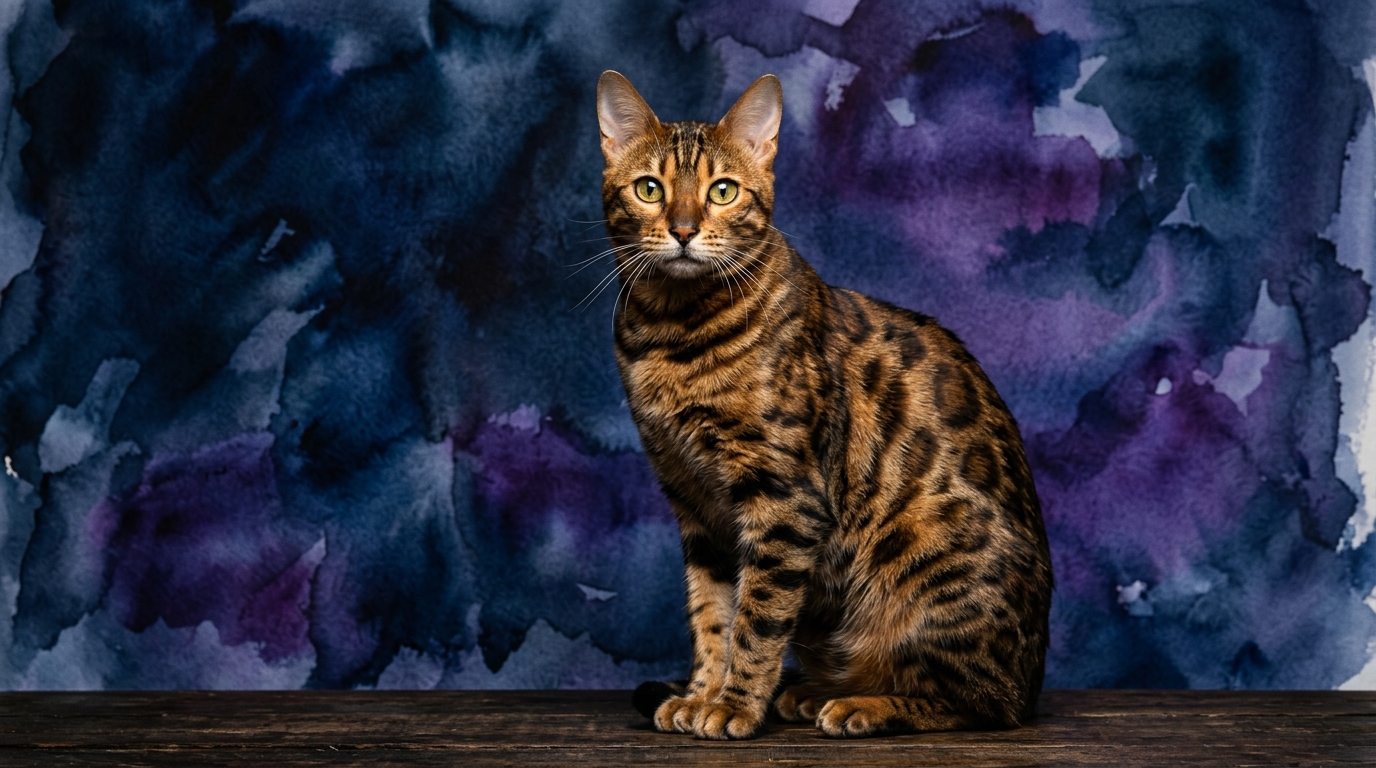
The Cosmic Pet Pet IQ Lab employs a five-dimensional framework to assess feline cognitive abilities, providing a nuanced view beyond mere anecdotal observations. For the Bengal, a breed famed for its vivacious spirit, the scores reflect a highly engaged and dynamic intellect. Its Problem Solving is rated an outstanding 5/5, indicating an animal adept at navigating complex environments, figuring out novel challenges, and often outwitting simple barriers. Training Speed, at 4/5, suggests a quick learner eager to engage in structured activities, absorbing new cues and sequences with impressive alacrity. Social Intelligence, also at 4/5, points to a cat that is highly attuned to its human companions, capable of forming deep bonds and understanding subtle social cues. The Bengal's Instinctive Drive is a perfect 5/5, a clear nod to its wild ancestry, manifesting as a powerful urge to hunt, explore, and climb. Finally, its Memory is rated 5/5, implying a remarkable capacity to retain information, recall routines, and remember specific events or locations over extended periods.
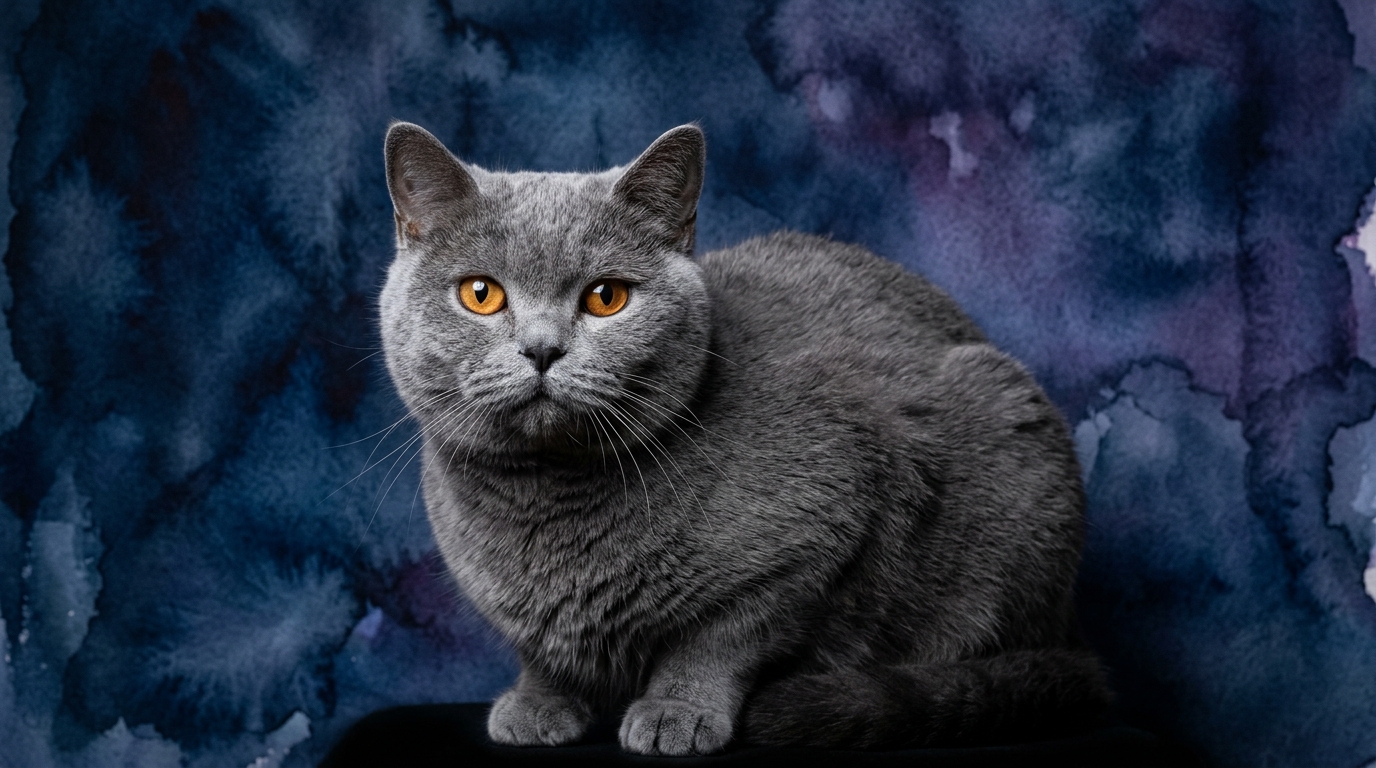
In contrast, the British Shorthair presents a more measured and composed cognitive profile, reflecting its reputation as a serene and low-key companion. Across all five dimensions, the British Shorthair consistently scores 3/5. This moderate Problem Solving ability means it can handle routine challenges but may not persistently engage with complex puzzles or novel obstacles, preferring simpler solutions. A Training Speed of 3/5 indicates that while capable of learning, it requires more patience and repetition than a Bengal, often responding best to consistent, low-pressure training methods for basic commands. Its Social Intelligence, also 3/5, describes a cat that is affectionate and enjoys companionship, but typically on its own terms, less demanding of constant interaction or intricate social games than its more demonstrative counterpart. The British Shorthair’s Instinctive Drive at 3/5 suggests a moderate interest in play and exploration, enjoying a good chase or a comfortable perch, but without the intense, relentless drive seen in breeds with wilder origins. Similarly, a Memory score of 3/5 implies a solid recall of familiar people, places, and routines, though perhaps less detailed or persistent for complex sequences or less frequently encountered information.
Where Bengal Wins Cognitively
The Bengal's cognitive strengths are particularly evident in its approach to environmental mastery and complex interactions. With a Problem Solving score of 5/5, a Bengal often demonstrates a striking ability to manipulate its surroundings; owners frequently report these cats learning to open cabinet doors, turn on faucets, or even bypass child locks through persistent experimentation and observation. This cognitive agility extends to their capacity for interactive play, where their 5/5 Memory allows them to quickly grasp and recall intricate game rules, such as remembering where a hidden toy was last placed or the sequence of steps in a complex puzzle feeder. Their elevated Instinctive Drive (5/5) means they are highly motivated to engage with challenges that simulate hunting or exploration, making them exceptionally responsive to enrichment activities that tap into these natural urges. For instance, a Bengal might learn an elaborate fetch routine or navigate a multi-stage agility course not just for a treat, but for the sheer mental and physical engagement it offers.
Where British Shorthair Wins Cognitively
While the British Shorthair's cognitive profile emphasizes composure over constant engagement, its strengths lie in areas that contribute to a predictable and harmonious household. Its consistent 3/5 scores across all dimensions translate into a cognitive stability that many owners find deeply appealing. Their moderate Instinctive Drive means they are less prone to destructive behaviors born from boredom or an overabundance of energy; they are content with a comfortable routine and do not constantly seek out novel stimuli or challenging "problems" to solve. This measured approach to their environment means they are less likely to scale curtains, open forbidden doors, or persistently demand attention through boisterous antics. Furthermore, their Social Intelligence at 3/5 means they are affectionate and enjoy companionship without being overwhelmingly demanding; they offer a calming presence and appreciate quiet interaction, providing consistent, gentle social engagement rather than high-intensity play or complex communication. This cognitive predisposition towards contentment and predictability makes them exceptionally well-suited for a tranquil home environment, where their steady nature is a distinct advantage.
Which Is Easier to Train and Why
When it comes to ease of training, the Bengal clearly takes the lead, primarily due to its higher scores in Training Speed (4/5) and Problem Solving (5/5), coupled with its powerful Instinctive Drive (5/5). Bengals are often described as highly biddable and quick to pick up new behaviors, from basic commands like "sit" and "stay" to more intricate tricks such as walking on a leash, playing fetch consistently, or even performing agility courses. Their problem-solving prowess means they actively try to understand what is being asked of them and are less likely to give up when faced with a new learning challenge. Their strong instinctive drive also makes them highly motivated by play and rewards, turning training sessions into engaging mental and physical exercises they genuinely enjoy. In contrast, the British Shorthair, with its 3/5 scores in Training Speed and Problem Solving, requires a different approach. While they are certainly capable of learning, their progress is typically slower, necessitating more patience, consistency, and repetition from their owner. They respond best to positive reinforcement and gentle methods, and may not show the same enthusiasm for complex trick training or extended learning sessions. Their training focus often leans towards essential house manners and simple cues rather than advanced cognitive tasks, reflecting their preference for a more relaxed pace.
Which Suits Active Owners vs Relaxed Owners
The cognitive profiles of these two breeds distinctly align them with different owner lifestyles. An active owner, someone who thrives on interaction, enjoys engaging in playtime, and is prepared to offer consistent mental and physical stimulation, will find the Bengal an ideal companion. Its high Problem Solving, Instinctive Drive, and Memory scores mean it requires regular challenges to prevent boredom and channel its considerable energy constructively. Bengals flourish with puzzle toys, clicker training, leash walks, and ample vertical space for climbing and exploration. Conversely, the British Shorthair is perfectly suited for a more relaxed owner or a quieter household. Its moderate scores across all cognitive dimensions indicate a cat that is content with a less demanding routine. While they enjoy play and interaction, they do not require constant stimulation to remain happy and well-adjusted. A British Shorthair appreciates a comfortable nap in a sunny spot, gentle petting sessions, and predictable mealtimes, offering a calm and steady presence without the intense need for engagement that a Bengal exhibits.
The Verdict
Opt for a Bengal if you are an active, engaged owner eager to provide consistent mental and physical challenges, enjoying a highly interactive and clever feline partner who thrives on learning and exploration.
Select a British Shorthair if you prefer a calm, predictable companion who offers gentle affection and a tranquil presence, requiring less intensive cognitive stimulation and fitting seamlessly into a relaxed household.
🧠 Find Your Pet's IQ Score
Our Pet IQ Lab assessment covers 25+ tests across 5 cognitive dimensions — personalized to your breed.
Take the Full IQ Test →Frequently Asked Questions
Are Bengals prone to destructive behavior if not mentally stimulated?
Yes, a Bengal's high problem-solving ability and instinctive drive mean that without adequate mental and physical outlets, they may invent their own "games," which can sometimes involve opening cupboards, exploring forbidden areas, or engaging in behaviors considered destructive.
Can British Shorthairs learn tricks like Bengals?
British Shorthairs can certainly learn tricks, especially basic commands, but their training speed and problem-solving scores suggest they may not pick up complex sequences as quickly or eagerly as a Bengal, often preferring simpler, less demanding interactions.
How do their social intelligence scores impact household dynamics with other pets?
A Bengal's 4/5 social intelligence often means they are more actively engaged and adaptable in multi-pet households, often initiating play. A British Shorthair's 3/5 social intelligence suggests they can coexist peacefully but might be less inclined to engage in high-energy social dynamics, preferring a more independent and observational role.