
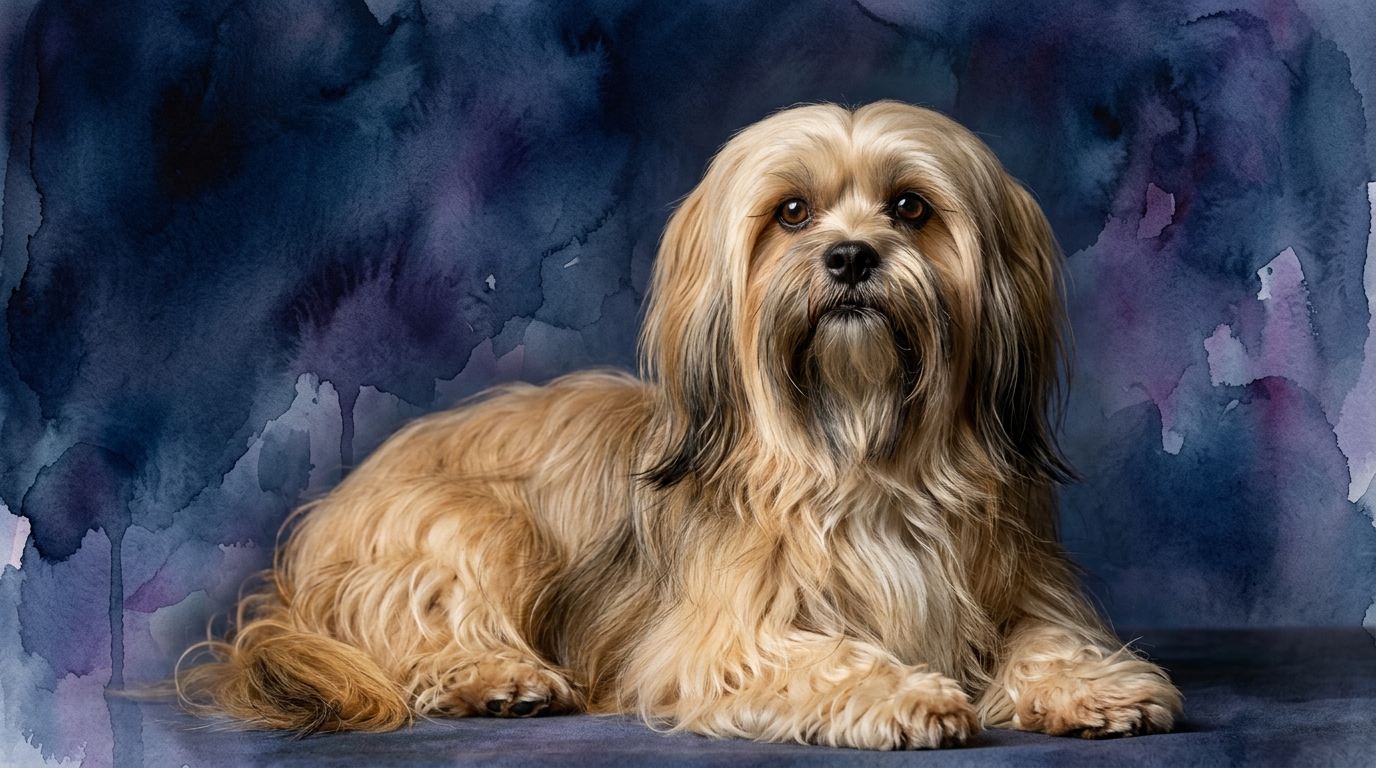
Side-by-Side IQ Profile: Brussels Griffon vs. Lhasa Apso
At first glance, the Brussels Griffon and the Lhasa Apso appear to share remarkably similar cognitive profiles, both scoring a consistent 3/5 across The Cosmic Pet Pet IQ Lab's five dimensions: Problem Solving, Training Speed, Social Intelligence, Instinctive Drive, and Memory. However, a deeper examination reveals how these identical scores manifest through distinct breed temperaments and historical roles, shaping their unique approaches to the world. For the Brussels Griffon, their Problem Solving (3/5) often revolves around navigating their human environment to achieve comfort, attention, or a desired treat, demonstrating a cleverness rooted in companionship. Their Training Speed (3/5) reflects a moderate pace of learning, often spurred by a desire to engage with their beloved family, though occasional bursts of playful distraction can influence consistency. Social Intelligence (3/5) in a Griffon is characterized by a keen sensitivity to human moods and family dynamics, making them highly responsive companions who often mirror their owners' emotions. Their Instinctive Drive (3/5) is primarily centered on forming strong attachments and engaging in lively, often comical, interactions with their people. Finally, their Memory (3/5) allows them to retain routines, commands, and the nuances of their household's social structure, remembering both positive and negative experiences with clear recall.
The Lhasa Apso, conversely, applies its Problem Solving (3/5) with a more independent, often territorial, mindset. They might strategically assess their surroundings to find the best vantage point for observation or to maintain their personal space, demonstrating a calculated rather than overtly people-pleasing ingenuity. Their Training Speed (3/5) is also moderate, but learning often requires consistent, patient guidance, as a Lhasa Apso's strong will means they decide when and if to comply, rather than simply eager to please. Lhasa Apso's Social Intelligence (3/5) is expressed through a discerning observation of their environment and social interactions; they are not overtly effusive but possess a profound understanding of their family unit and potential threats. Their Instinctive Drive (3/5) is powerfully rooted in their ancient role as watchful guardians, manifesting as a strong protective instinct and a natural vigilance over their territory and loved ones. Their Memory (3/5) is tenacious, allowing them to recall boundaries, established routines, and the history of interactions, contributing to their reputation for being both loyal and, at times, stubbornly independent.
Where the Brussels Griffon Wins Cognitively
Despite their shared 3/5 scores, the Brussels Griffon often shines brighter in cognitive areas requiring immediate engagement and adaptability within a human-centric social sphere. Their problem-solving, while rated equally, tends to be more outwardly directed towards influencing their human companions. A Griffon might quickly learn which vocalizations or facial expressions elicit a specific response, like a treat or a cuddle, showcasing a nuanced understanding of human behavior for their own benefit. Their social intelligence, though quantitatively similar, often translates into a more overtly expressive and empathetic presence; they are masters at reading and reflecting human emotions, making them exceptionally comforting companions during times of stress. This emotional attunement allows them to anticipate needs and react with a charming theatricality that deepens the human-animal bond. Furthermore, their instinctive drive, primarily focused on companionship, means they are often more willing to participate in interactive games or learning sessions that strengthen their bond with their owner. This eager participation, while not necessarily faster learning, makes the application of their cognitive abilities feel more fluid and engaging in a family setting, particularly when it comes to novel social situations or adapting to new household members.
Where the Lhasa Apso Wins Cognitively
The Lhasa Apso, with its distinct history and temperament, demonstrates cognitive strengths that lean towards independence, vigilance, and strategic observation. While their problem-solving is also rated 3/5, it manifests as a more self-reliant and often territorial ingenuity. A Lhasa Apso might excel at finding the most secure or elevated spot to survey their domain, or cleverly navigate household dynamics to maintain their preferred routines and personal space, often without direct human prompting. Their instinctive drive, powerfully geared towards guarding, imbues them with a superior capacity for assessing potential threats and responding with a resolute, unwavering presence. This means their social intelligence, while not overtly affectionate, is highly discerning; they are adept at identifying who belongs and who doesn't, making them exceptional natural sentinels. Their memory, while also a 3/5, is particularly strong regarding boundaries, perceived slights, and established hierarchies, contributing to their reputation for quiet tenacity. This tenacity means that once a Lhasa Apso understands a rule or a command, they remember it with impressive clarity, even if their independent spirit occasionally leads them to feign ignorance. Their cognitive prowess excels in situations demanding steadfastness, keen observation, and an unshakeable sense of self-preservation and protection.
Which is Easier to Train and Why
When considering ease of training, the identical 3/5 scores for Training Speed for both breeds necessitate a look beyond raw learning pace to behavioral nuances. The Brussels Griffon, rooted in its Toy Group heritage, often approaches training with an eager-to-please attitude. They thrive on positive reinforcement, attention, and the opportunity to engage closely with their human. While they can have a playful, sometimes distractible nature, their strong desire for connection often makes them more cooperative. They tend to respond well to upbeat, reward-based methods and can be quite responsive to vocal encouragement and physical affection. Their motivation often stems from strengthening their bond, making them generally more amenable to structured lessons and less likely to actively resist. In contrast, the Lhasa Apso's training journey is often characterized by a strong independent streak and a discerning nature. While they are certainly capable of learning commands and routines at a similar pace, their willingness to perform those commands on demand is where the difference lies. A Lhasa Apso often requires a more patient, consistent, and firm approach, as they are not inherently motivated by an overwhelming desire to please. They will assess the value of a command and may choose to comply only if it aligns with their perceived self-interest or if the reward is sufficiently enticing. Their historical role as watchdogs meant independent decision-making was valued, leading to a breed that can be perceived as stubborn. Owners must establish clear leadership and make training a compelling proposition, understanding that a Lhasa Apso remembers what they learn but reserves the right to choose when to apply it.
Which Suits Active Owners vs. Relaxed Owners
The choice between a Brussels Griffon and a Lhasa Apso also depends significantly on an owner's lifestyle and energy levels, despite both being relatively small breeds. The Brussels Griffon, while a Toy breed, possesses surprising bursts of energy and a playful spirit that often belies its size. They enjoy active engagement, whether it's a brisk walk around the block, a game of fetch in the living room, or even participation in dog sports like agility or obedience. Their social intelligence and desire for interaction mean they thrive on being included in family activities and appreciate owners who are willing to engage them both physically and mentally. They are well-suited for owners who enjoy regular, moderate activity and want a companion who is always ready for an adventure, albeit a small-scale one. They adapt well to urban living but still benefit from consistent outings and mental stimulation to prevent boredom. The Lhasa Apso, on the other hand, often aligns better with more relaxed owners, though this doesn't mean they are sedentary. They have a moderate exercise requirement, enjoying daily walks and some playtime, but they are often content to observe their surroundings from a comfortable vantage point. Their guarding instincts mean they are vigilant and alert, but not necessarily constantly seeking high-energy engagement. They can be quite independent and appreciate a predictable routine, making them suitable for owners who prefer a calmer home environment and a companion who is content with less intensive, yet still consistent, interaction. They are excellent for apartment living, provided their need for a daily stroll and mental stimulation is met, often through observational "patrols" of the home or yard.
The Verdict
Choose the Brussels Griffon if you seek an emotionally attuned, highly expressive companion eager to participate in family life and respond readily to your social cues. They thrive with owners who enjoy interactive play and value a dog whose cognitive abilities are deeply integrated with companionship.
Choose the Lhasa Apso if you appreciate an independent, discerning companion with a strong sense of self and excellent observational skills, ideal for owners who value a watchful presence and are prepared for a training approach that respects their innate tenacity.
🧠 Find Your Pet's IQ Score
Our Pet IQ Lab assessment covers 25+ tests across 5 cognitive dimensions — personalized to your breed.
Take the Full IQ Test →Frequently Asked Questions
Do Brussels Griffons bark a lot?
Brussels Griffons can be quite vocal, using barks, grumbles, and other unique sounds to communicate their feelings and alert their owners. Their social intelligence means they often "talk" to their family members, which can be delightful but requires early training to manage excessive noise.
Are Lhasa Apsos good with children?
Lhasa Apsos can be good with older, respectful children who understand how to interact appropriately with dogs. Their independent and sometimes reserved nature means they prefer calm interactions and may not tolerate rough play, so supervision is always recommended.
What are the main differences in grooming needs for these two breeds?
The Brussels Griffon has a relatively low-maintenance coat, though some varieties require regular brushing and occasional stripping or trimming to prevent matting. The Lhasa Apso, with its long, flowing double coat, requires significant grooming, including daily brushing to prevent tangles and matting, or professional trimming to keep it manageable.