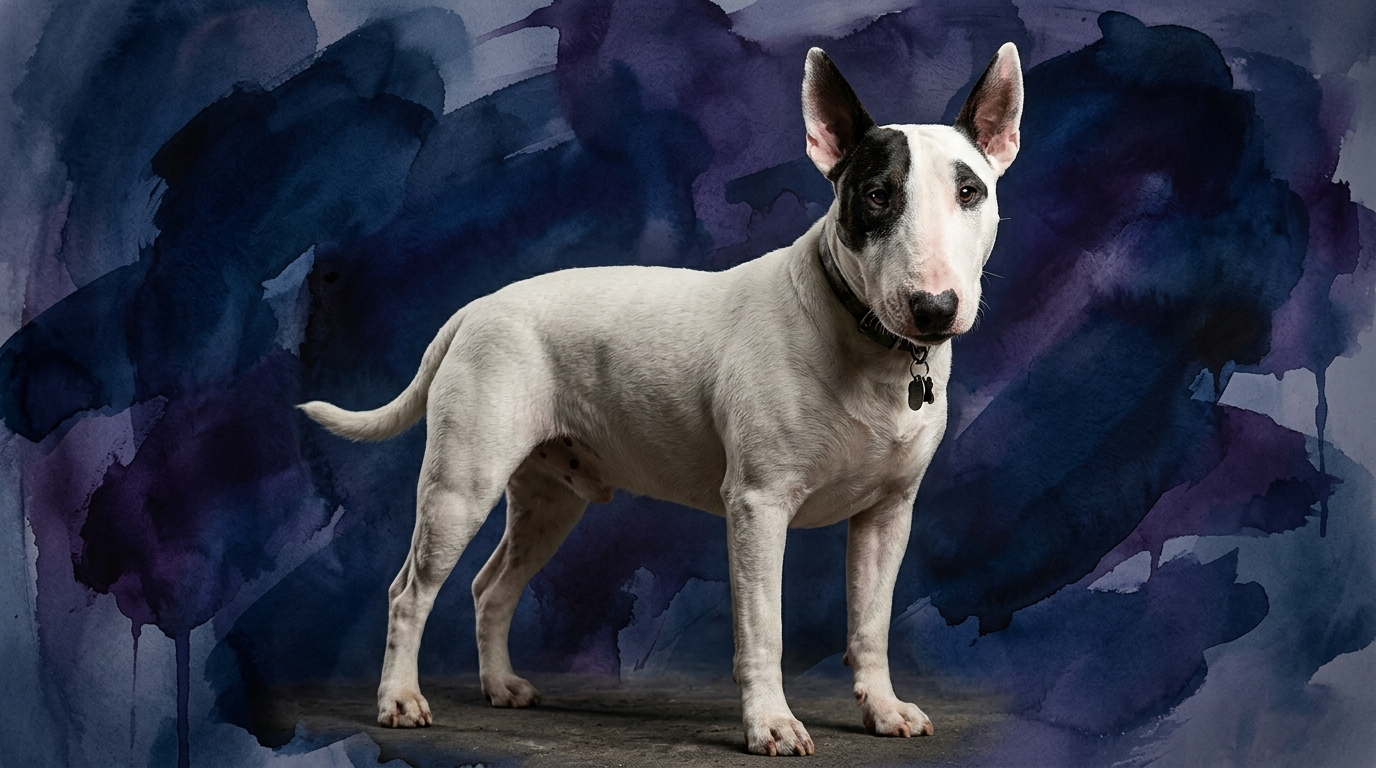
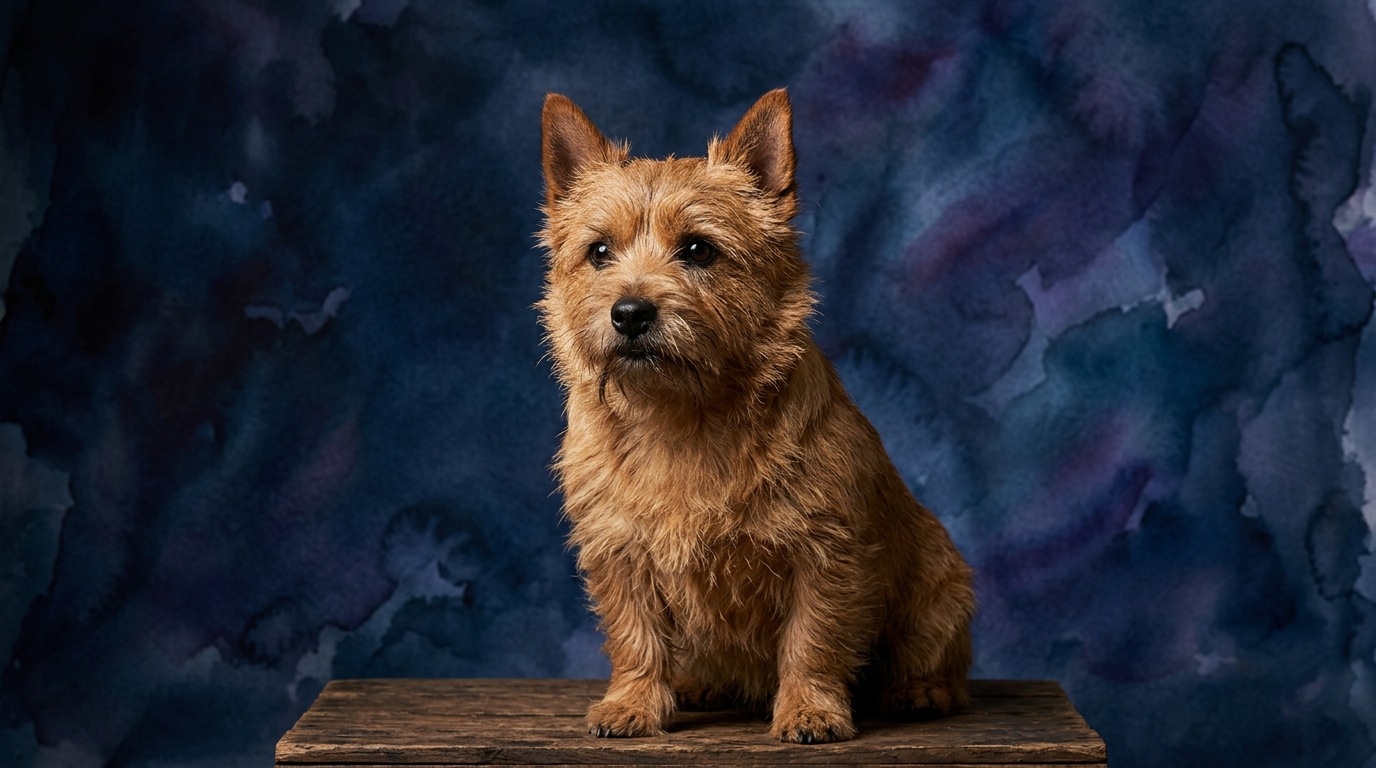
Side-by-Side Cognitive Profile: Bull Terrier vs. Norwich Terrier
While both the Bull Terrier and the Norwich Terrier score a consistent 3/5 across our five cognitive dimensions—Problem Solving, Training Speed, Social Intelligence, Instinctive Drive, and Memory—these identical numerical values do not imply identical manifestations of their intellect. A score of 3/5 indicates a solid, average capacity in each area, but the unique breed temperaments and historical roles sculpt how these abilities are expressed in daily life. Understanding these subtle differences is key to appreciating each breed's distinct mental landscape.
For **Problem Solving (3/5)**, the Bull Terrier often approaches challenges with a direct, robust persistence. Their solutions might involve a powerful, sustained effort to overcome an obstacle, perhaps pushing through barriers or dismantling objects with their sturdy build. The Norwich Terrier, conversely, tends to employ more agile and cunning strategies. Given their smaller stature and vermin-hunting heritage, their problem-solving might involve navigating tight spaces, outwitting an obstruction, or finding alternative, less direct routes to a goal.
In terms of **Training Speed (3/5)**, the Bull Terrier can grasp new concepts efficiently, but their independent streak and occasional stubbornness mean that consistent, engaging motivation is paramount. They learn, but their willingness to comply consistently can depend on the perceived value of the task or the strength of their bond with the trainer. The Norwich Terrier also learns quickly when focused, but their high instinctive drive—particularly their strong prey drive—can make them easily distracted by environmental stimuli. Successful training for a Norwich often requires high-value rewards, engaging methods, and careful management of their surroundings to maintain attention.
Regarding **Social Intelligence (3/5)**, Bull Terriers typically form deep, protective bonds with their immediate human family, often expressing their needs and affections quite directly. They are adept at reading the moods and intentions of their closest companions but might require more careful socialization to extend this tolerance to strangers or other canines. The Norwich Terrier, often bred to work in packs, tends to be highly social and generally more adaptable in multi-dog environments. They are expressive and often more overtly attuned to subtle human cues and environmental shifts, thriving on interaction and connection.
The **Instinctive Drive (3/5)** in a Bull Terrier manifests as a strong play drive, a moderate prey drive, and pronounced protective instincts. Their energy often channels into intense play sessions, guarding behaviors, and a clear need for physical outlets to satisfy these urges. For the Norwich Terrier, instinctive drive is characterized by a very strong prey drive for small vermin, a propensity for digging, and alert vocalization. These drives are deeply ingrained, requiring owners to provide appropriate outlets such as earthdog trials, scent work, or vigorous games to satisfy their natural inclinations.
Finally, for **Memory (3/5)**, both breeds exhibit a good capacity. Bull Terriers effectively recall routines, commands, and the individuals they know well, remembering training patterns and favored people or places. Similarly, Norwich Terriers possess good recall, particularly for environmental details, hunting routes, and learned behaviors, allowing them to quickly re-engage with past training or locate objects of interest.
Where the Bull Terrier Demonstrates Specific Cognitive Strengths
Despite sharing the same numerical scores, the Bull Terrier’s unique temperament allows specific cognitive strengths to shine. One notable area is their **persistence in physical problem-solving**. When faced with a challenge that requires sustained effort or brute force, their determined nature and robust build often mean they will outlast obstacles. While their problem-solving score is 3/5, this specific application of their intellect can be highly effective, making them adept at tasks requiring a direct, unwavering approach.
Another strength lies in their **focused attention on a single task when adequately motivated**. Once a Bull Terrier is engaged in an activity, especially a game or a puzzle that captures their interest, their concentration can be quite singular. This allows them to effectively complete defined objectives without easily being sidetracked, provided the task is compelling and their trainer maintains enthusiasm.
Furthermore, Bull Terriers often exhibit an exceptional capacity for **reading human intent within their social circle**. They are adept at discerning the moods, emotions, and subtle cues of their immediate family members, frequently forming an almost intuitive bond. This allows them to anticipate needs, offer comfort, or understand boundaries, showcasing a deep, albeit selectively applied, social intelligence.
Where the Norwich Terrier Demonstrates Specific Cognitive Strengths
The Norwich Terrier, with its distinct heritage, also presents unique cognitive advantages despite identical scores. Their primary strength often lies in their **agility in problem-solving**. Their smaller size, quickness, and keen environmental awareness allow them to develop more dynamic and varied approaches to obstacles. They excel at finding creative routes, navigating tight spaces, or outsmarting challenges that require nimble thinking and physical dexterity.
Another specific win for the Norwich is their **heightened environmental awareness and quick reaction time**. Their history as vermin hunters has honed their senses, making them exceptionally quick to notice subtle changes in their surroundings—be it a rustle in the bushes, a distant sound, or a new scent. This translates to a rapid assessment and response to novel stimuli, a specific type of cognitive processing linked directly to their instinctive drives.
Finally, the Norwich Terrier often shows superior **adaptability in multi-dog social settings**. Having been bred to work in packs, their social intelligence frequently includes a nuanced understanding of canine communication and hierarchies. This generally makes them more comfortable and adaptable in environments with other dogs compared to some Bull Terriers, who might prefer more singular canine companionship or require more structured introductions.
Which is Easier to Train and Why
Both breeds score a 3/5 for Training Speed, indicating they are capable learners, but the *ease* of training can differ significantly based on their behavioral nuances and an owner's approach. The **Bull Terrier** often requires a highly creative, consistent, and patient trainer. Their independent streak means they need to be convinced that a command or task is worth their effort; they might grasp concepts quickly but require strong, positive motivation and clear leadership to ensure consistent compliance. Training a Bull Terrier can feel like a partnership of wills, where persistence and making training fun are key to overcoming their occasional stubbornness. They are not difficult to train, but they demand a dedicated and engaging approach to achieve reliable results.
The **Norwich Terrier**, while also scoring 3/5, presents different training considerations. They are often eager to please and quick to pick up new commands, but their very strong instinctive drive—particularly their prey drive for small animals and tendency to dig or bark—can be a significant distraction. Training a Norwich requires high-value rewards, engaging methods, and careful management of their environment to maintain focus, especially outdoors. They are generally perceived as easier to teach new tricks due to their alertness, but harder to maintain focus in distracting environments due to their innate curiosity and drive to explore and hunt.
Which Suits Active Owners vs. Relaxed Owners
Neither the Bull Terrier nor the Norwich Terrier is truly suited for a genuinely "relaxed" owner who prefers minimal engagement, as both breeds require consistent mental and physical stimulation. However, their specific needs cater to different types of active lifestyles. The **Bull Terrier** thrives with owners who enjoy robust, interactive play, long structured walks, and consistent training sessions. They possess considerable physical energy and a need for mental engagement to prevent boredom and channel their strong personalities constructively. An ideal owner is prepared for daily activity and enjoys a deeply interactive relationship with their dog.
The **Norwich Terrier**, despite its smaller size, is also a highly active and mentally stimulated breed. They are ideal for owners who enjoy varied outdoor activities such as hiking, earthdog trials, agility, or extensive walks where they can explore and sniff. Their strong instinctive drives mean they need consistent opportunities to channel these natural behaviors. While they can be content to cuddle indoors, their minds are always alert and seeking engagement, making them less suitable for owners who prefer a sedentary lifestyle without opportunities for mental and physical outlets.
The Verdict
Choose the Bull Terrier if you appreciate a robust, playful, and deeply loyal companion who thrives on strong bonds and enjoys direct, engaging interactions, and you are prepared for a consistent training journey with a determined personality.
Choose the Norwich Terrier if you seek an alert, spirited, and highly adaptable small dog with a keen intellect, who enjoys exploring, engaging in varied activities, and you are ready to manage a strong terrier drive with positive, focused training.
🧠 Find Your Pet's IQ Score
Our Pet IQ Lab assessment covers 25+ tests across 5 cognitive dimensions — personalized to your breed.
Take the Full IQ Test →Frequently Asked Questions
Are Bull Terriers prone to stubbornness?
Bull Terriers can display a determined independence, which some owners interpret as stubbornness. They are capable of learning commands but often require consistent, highly motivating training to ensure compliance, especially if they don't perceive an immediate benefit or find the task engaging.
Do Norwich Terriers bark frequently?
Norwich Terriers are alert and vocal, often barking to signal new sounds, visitors, or when their strong prey drive is stimulated by something in their environment. While training can help manage excessive barking, it is a natural part of their communication and their keen awareness.
Which breed is generally better with children?
Both breeds can be wonderful with children when properly socialized and raised together, always under appropriate supervision. Bull Terriers are often known for their playful, patient nature with kids, while Norwich Terriers are sturdy, generally tolerant, and enjoy interaction. Individual temperament and early training are key factors for both breeds.