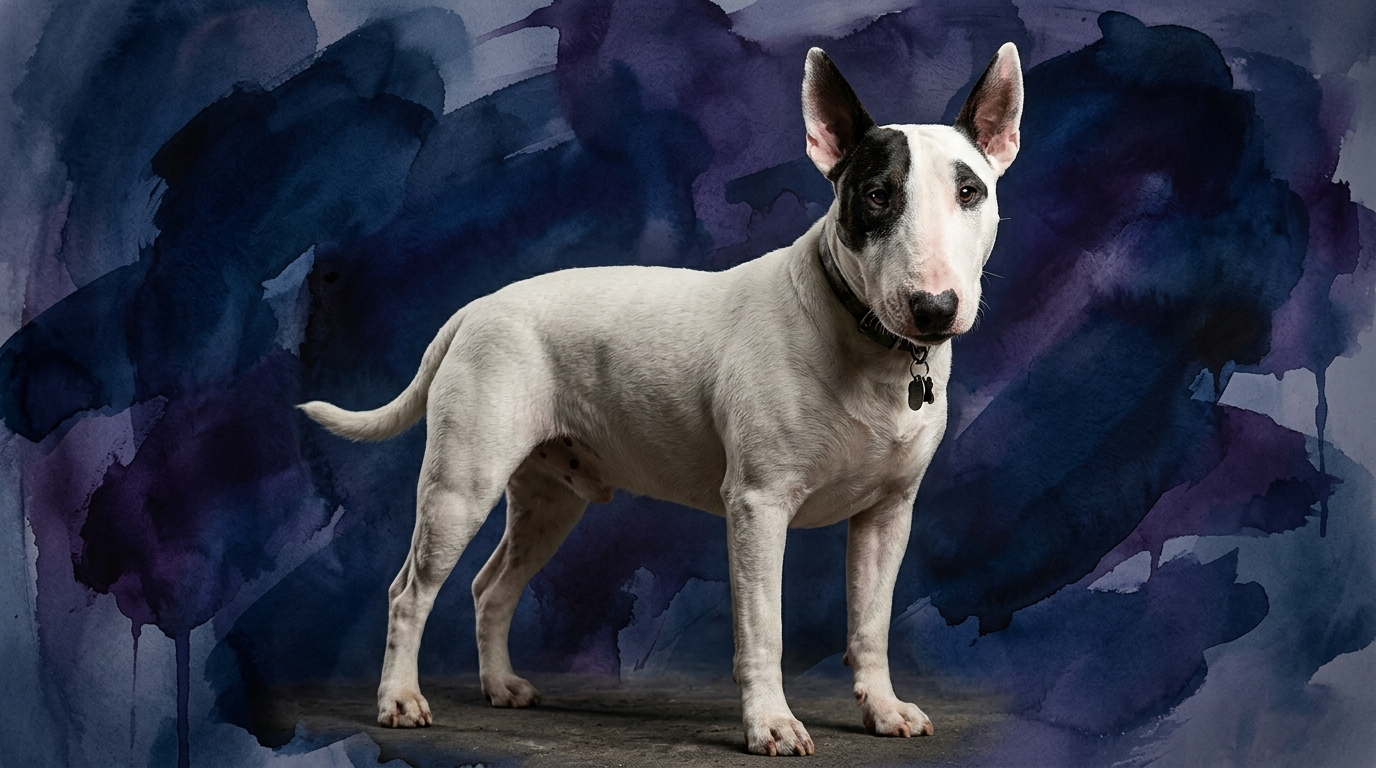
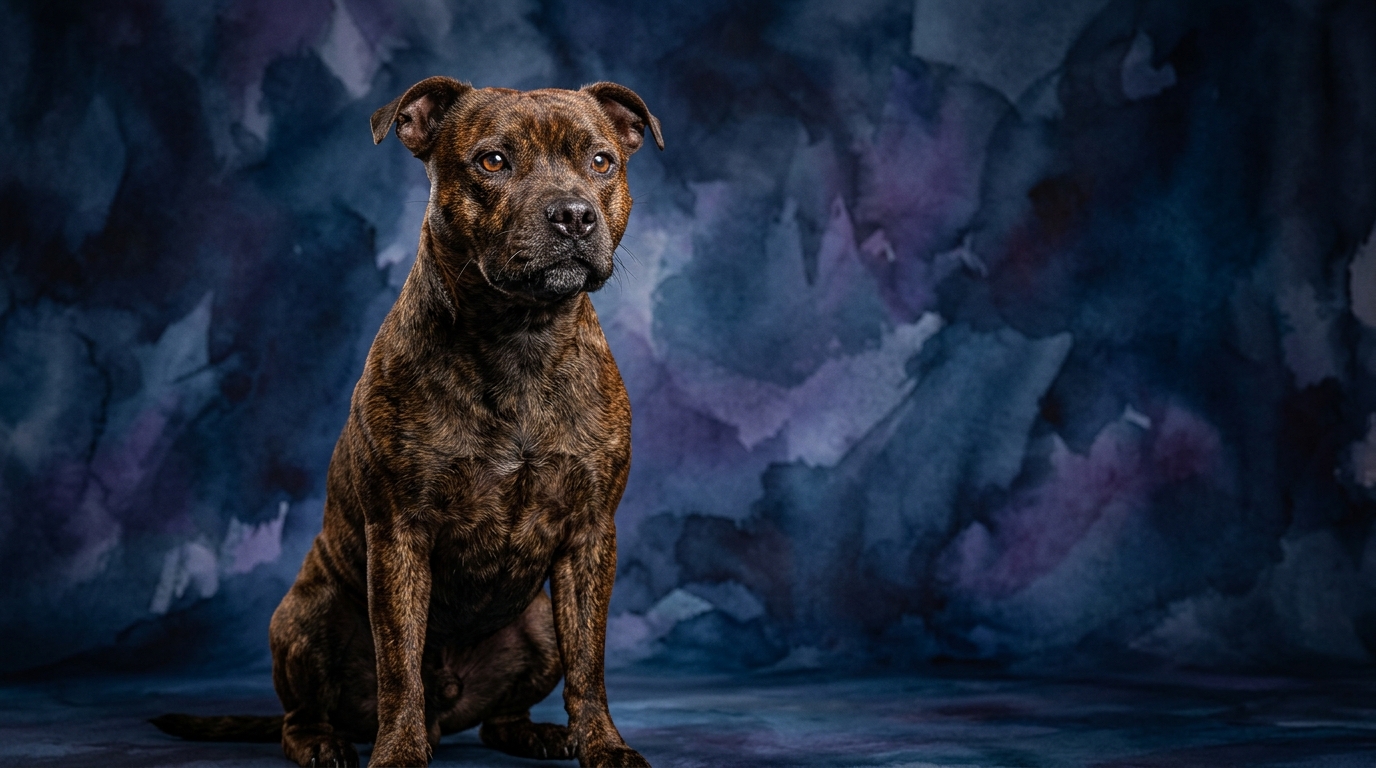
Side-by-Side IQ Profile: Bull Terrier vs. Staffordshire Bull Terrier
At The Cosmic Pet Pet IQ Lab, we assess canine cognition across five crucial dimensions, providing a granular view of each breed's mental makeup. For both the Bull Terrier and the Staffordshire Bull Terrier, our analysis assigns a consistent rating of 3/5 across all categories, indicating a solid, functional intelligence that manifests uniquely in each.
The Bull Terrier's Problem Solving ability (3/5) is characterized by a resourceful and often persistent approach to challenges, where they might employ independent thought to navigate obstacles or achieve desired outcomes. Their Training Speed (3/5) reflects a moderate learning curve, responsive to engaging methods but occasionally influenced by their independent streak. Social Intelligence (3/5) for the Bull Terrier means they form strong bonds and understand human cues, yet their self-reliant nature means they might prioritize their own interests alongside pleasing their handler. Their Instinctive Drive (3/5) is a balanced curiosity and investigative urge, manifesting as moderate chasing or digging, which is generally manageable. Finally, the Bull Terrier's Memory (3/5) is robust enough to retain learned behaviors and experiences, shaping their future interactions and training responses.
For the Staffordshire Bull Terrier, Problem Solving (3/5) often presents as a practical cleverness, finding direct solutions that frequently involve interaction or engagement with their environment. Their Training Speed (3/5) is commendable, as they tend to be eager to please and respond well to positive reinforcement, acquiring new skills steadily. The Staffy's Social Intelligence (3/5) is particularly notable for its depth, showing a keen attunement to human emotions and a strong desire to connect. Their Instinctive Drive (3/5) is also moderate and well-balanced, often channeled into interactive play and exploration rather than purely independent pursuits. The Staffordshire Bull Terrier's Memory (3/5) is reliable for routines, people, and social lessons, contributing to their consistent and adaptable behavior within a family setting.
Where the Bull Terrier Wins Cognitively
The Bull Terrier's cognitive strengths often shine in scenarios demanding a degree of independent thought and a unique approach to problem-solving. While rated 3/5 for Problem Solving, their specific manifestation of this involves a deliberate, sometimes quirky persistence. They might not always take the most direct route, but their determination to achieve a goal, whether it's retrieving a hidden toy or figuring out a new puzzle, showcases a distinct brand of ingenuity. This breed often exhibits a singular focus once engaged, allowing them to methodically work through challenges that might frustrate a more socially dependent dog. Their cognitive edge lies in this self-directed drive, where their individual will often guides their intellectual exploration, leading to inventive, if sometimes unconventional, solutions.
Where the Staffordshire Bull Terrier Wins Cognitively
Conversely, the Staffordshire Bull Terrier's cognitive triumphs are frequently observed in their profound social intelligence and their capacity for emotional attunement. Also rated 3/5 for Social Intelligence, the Staffy's expression of this is often characterized by an exceptional ability to read human cues and adapt their behavior accordingly. They demonstrate a practical problem-solving ability (rated 3/5) that is frequently channeled into interactions with their human companions, such as understanding complex household routines or anticipating their owner's moods. Their memory (3/5) is particularly effective in retaining social lessons and positive reinforcement, fostering a consistent and harmonious living environment. This breed's cognitive superiority often lies in their empathetic understanding and their desire to collaboratively engage with their family, making them adept at navigating the intricate social landscape of a home.
Which is Easier to Train and Why?
When evaluating ease of training, the Staffordshire Bull Terrier generally presents a more straightforward path for most owners. Their strong social intelligence (3/5) and innate desire to engage with their human family translate into a greater willingness to comply and learn. Staffies thrive on positive reinforcement and consistent, reward-based methods, often showing a commendable training speed (3/5) as they eagerly strive to please. They are attuned to their owner's emotions and often seek to avoid disapproval, which can be a powerful motivator. This inherent cooperativeness makes them highly responsive to structured learning, quickly grasping new commands and routines when provided with clear guidance and positive reinforcement.
In contrast, the Bull Terrier, while capable of learning at a similar training speed (3/5), often approaches training with a more independent and sometimes stubborn mindset. Their problem-solving (3/5) can manifest as figuring out ways *around* commands rather than direct compliance, particularly if they perceive a task as uninteresting or if their own instinctive drive (3/5) takes precedence. Bull Terriers require immense patience, creativity, and a consistent, engaging approach that makes learning feel like a collaborative game rather than a command-and-response session. Trainers often find success by making training sessions fun, varied, and short, leveraging the Bull Terrier's unique personality rather than trying to force compliance. While both breeds are trainable, the Staffy's inherent social cooperativeness often makes the process feel more intuitive and less challenging for a novice trainer seeking a highly biddable companion.
Matching Breeds to Owner Lifestyles: Active vs. Relaxed Owners
Both the Bull Terrier and the Staffordshire Bull Terrier are breeds with moderate energy levels and instinctive drives (3/5), meaning neither is truly suited for a sedentary lifestyle. However, their cognitive profiles suggest different types of 'active' engagement. The Bull Terrier, with its independent problem-solving (3/5) and distinct personality, thrives with owners who enjoy structured activities that challenge their intellect and allow for some self-directed exploration. This could involve complex puzzle toys, agility courses, or long, varied walks where they can investigate and 'solve' their environment. An active owner for a Bull Terrier is one who appreciates a dog with a strong will and can channel that energy into productive, engaging outlets, understanding that their dog might not always be looking to *you* for every instruction.
For owners preferring a more 'relaxed' but still engaged companionship, the Staffordshire Bull Terrier often proves a better fit. While they certainly require regular exercise and mental stimulation, their social intelligence (3/5) means they prefer activities that involve their human family. Long walks, interactive play sessions, and training games are ideal. They are content to relax *with* their owner after exercise, often seeking physical closeness and demonstrating their affectionate nature. A relaxed owner who values a loyal, interactive companion for moderate daily activity and seeks a dog that integrates seamlessly into family life will likely find the Staffy's cognitive and behavioral traits more aligned with their lifestyle, as they are less likely to independently seek out 'trouble' when their social needs are met.
The Verdict
Opt for a Bull Terrier if you appreciate a dog with a distinctive, independent mind, a quirky approach to challenges, and are prepared to engage with their unique personality and strong will through creative training and enrichment.
Choose a Staffordshire Bull Terrier if you seek an exceptionally socially intelligent and affectionate companion, eager to please, and thrive on interactive family activities and a deep emotional connection.
🧠 Find Your Pet's IQ Score
Our Pet IQ Lab assessment covers 25+ tests across 5 cognitive dimensions — personalized to your breed.
Take the Full IQ Test →Frequently Asked Questions
Are Bull Terriers prone to stubbornness?
Bull Terriers can exhibit periods of stubbornness, stemming from their independent cognitive approach and preference for self-directed activity over strict compliance, which necessitates patient and creative training methods.
Do Staffordshire Bull Terriers typically interact well with children?
Staffordshire Bull Terriers, with their high social intelligence and affectionate nature, often form strong bonds with children when properly socialized and supervised, demonstrating a gentle patience and a desire for companionship.
Which breed requires more mental stimulation?
Both breeds benefit from consistent mental stimulation. Bull Terriers often thrive on puzzle-solving and independent challenges, while Staffordshire Bull Terriers are best stimulated through interactive games and training that strengthens their bond with their human family.