Side-by-Side IQ Profile: Bulldog (English) vs. Anatolian Shepherd Dog
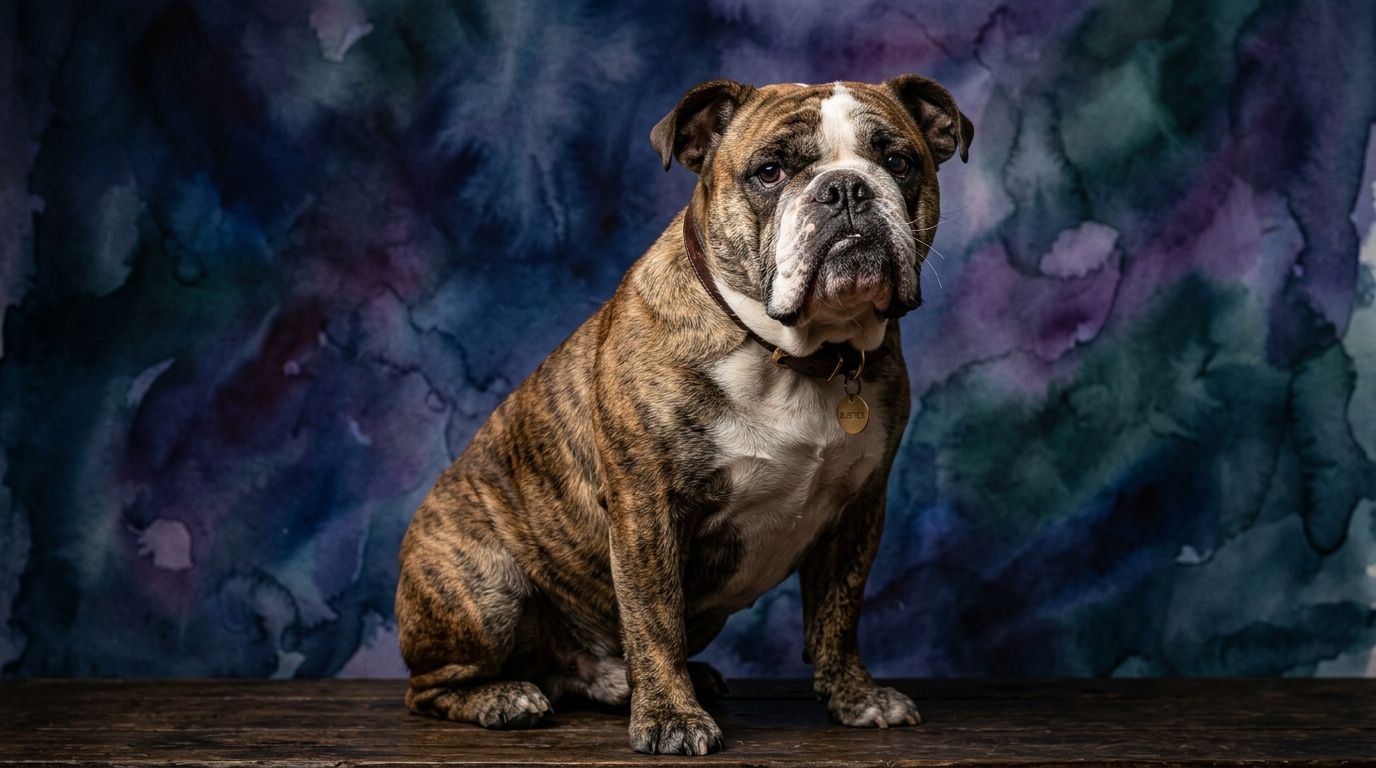
The Cosmic Pet Pet IQ Lab provides a nuanced look at canine intelligence across five key dimensions. For the Bulldog (English), their Coren rank of #77 places them among breeds that require more repetitions for obedience mastery. Their Problem Solving is rated 2/5, indicating a preference for routine over complex, spontaneous strategizing. Training Speed also scores 2/5, meaning learning new commands is a deliberate process, often relying on consistent repetition and high-value rewards. Where they truly shine is Social Intelligence at 4/5, demonstrating a profound capacity for understanding human emotions and social cues. Instinctive Drive is 3/5, focusing on companionship and moderate protection, while Memory is 2/5, suggesting retention for routines but less for intricate sequences.
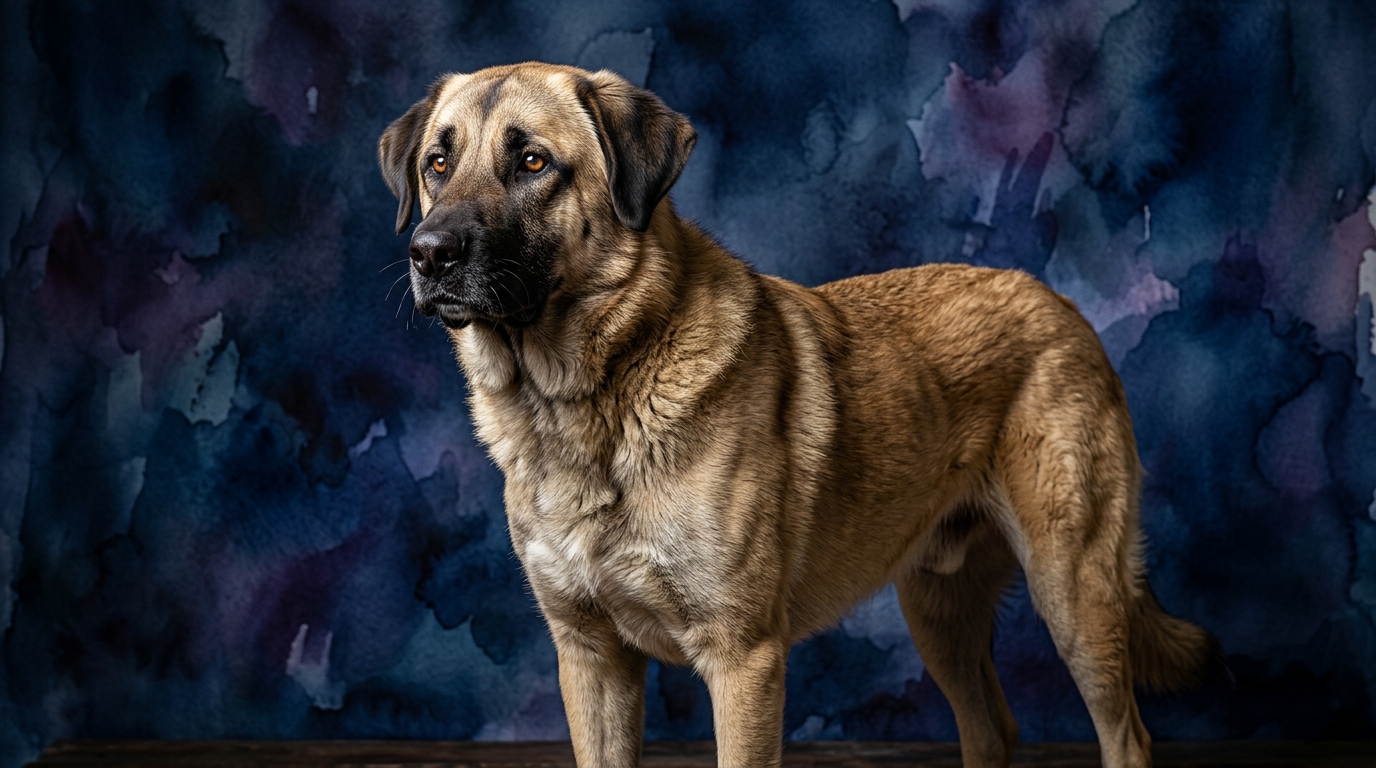
The Anatolian Shepherd Dog, a breed not Coren-ranked but thoroughly assessed by The Cosmic Pet Pet IQ Lab, presents a different cognitive landscape. Their Problem Solving is 3/5, reflecting an independent ability to assess and respond to real-world situations, crucial for their guardian role. Training Speed is 3/5, indicating a moderate learning pace, often grasping concepts quickly if they align with their natural instincts, though their independence can be a factor. Social Intelligence is 3/5; while deeply bonded with family, they exhibit discerning wariness towards strangers. Instinctive Drive is a strong 3/5, almost entirely dedicated to vigilant protection. Memory also scores 3/5, enabling robust recall for territorial boundaries and past interactions vital for their duties.
Where the Bulldog (English) Wins Cognitively
The Bulldog (English) truly shines in the realm of social intelligence, scoring an impressive 4 out of 5. This elevated capacity means they are exceptionally adept at reading and responding to human emotions, making them profoundly empathetic companions. They possess an intuitive understanding of household dynamics, often sensing shifts in mood or tension and reacting with comforting presence or subtle solicitations for attention. This isn't about complex logical inference but a deep, almost primal attunement to their immediate social environment, fostering strong bonds with their human family members. Their moderate instinctive drive, rated 3 out of 5, complements this social acumen, manifesting as a steadfast, protective loyalty without the intensity of a working guardian breed. They are driven to be part of the family unit, offering a calm, reassuring presence that many find deeply comforting, prioritizing social harmony and companionship over independent action or complex tasks. This cognitive strength makes them master comforters and excellent family dogs, thriving on close interaction and mutual understanding.
Where the Anatolian Shepherd Dog Wins Cognitively
The Anatolian Shepherd Dog's cognitive strengths are rooted in their historical role as independent livestock guardians, reflected in their higher scores for problem-solving (3/5), training speed (3/5), and memory (3/5) compared to the Bulldog. Their problem-solving ability allows them to independently assess and respond to threats in a dynamic environment, devising strategies to protect their flock or family without constant human direction. This isn't about solving abstract puzzles, but practical, real-world application of intellect to secure their territory. Their training speed, also a 3 out of 5, indicates a quicker grasp of concepts than the Bulldog, particularly when commands align with their natural guarding instincts or involve territory management. While they can be independent, they learn efficiently when motivated. Furthermore, their memory, also a 3 out of 5, is robust, enabling them to recall past threats, safe individuals, and established boundaries, crucial for maintaining vigilance and effective guardianship. This comprehensive cognitive package makes them formidable, self-reliant protectors.
Which is Easier to Train and Why
When evaluating ease of training, the Anatolian Shepherd Dog generally presents a more direct path than the Bulldog (English), though both require tailored approaches. The Anatolian’s training speed (3/5) and problem-solving (3/5) allow for moderate learning, often grasping the *purpose* behind commands, particularly when aligned with their guarding instincts. Their independence necessitates consistent, fair, and engaging training, appealing to their practical intelligence with clear expectations and positive reinforcement.
In contrast, the Bulldog (English) exhibits a training speed of 2 out of 5 and problem-solving of 2 out of 5. Their learning process is deliberate, requiring extensive repetitions and patience. Bulldogs are less driven by complex tasks; their motivation stems from comfort, food, or social connection. Their occasional stubbornness and lower drive for independent action demand exceptionally patient trainers, high-value rewards, and brief, positive sessions. The Anatolian's cognitive process asks, "How does this help me protect?" while the Bulldog's considers, "Is this worth the effort?" This difference in intrinsic motivation makes the Anatolian generally more receptive to structured training that leverages its natural aptitudes.
Which Suits Active Owners vs. Relaxed Owners
The choice between these two breeds significantly hinges on an owner's lifestyle, particularly their activity level and willingness to engage with distinct canine needs. The Bulldog (English) is an ideal match for more relaxed owners, scoring high in social intelligence (4/5) and having a moderate instinctive drive (3/5) primarily focused on companionship and comfort. Their lower problem-solving (2/5) and training speed (2/5) scores, combined with their characteristic physical build, mean they are not suited for strenuous activities or complex obedience regimens. They thrive in a home environment where they can enjoy leisurely walks, ample cuddle time, and be an integral, calm presence in family life, requiring minimal structured exercise beyond daily strolls.
Conversely, the Anatolian Shepherd Dog is better suited for active, experienced owners who understand and can channel a powerful working breed's cognitive and physical needs. Their higher problem-solving (3/5), training speed (3/5), and memory (3/5) scores, coupled with a strong instinctive drive (3/5) for guarding, demand a purposeful existence. These dogs require consistent mental stimulation, clear boundaries, and often a "job," whether it's guarding property, livestock, or engaging in advanced obedience or protection sports. Their independence and territorial nature mean they need extensive socialization and training from an early age to ensure their natural drives are directed appropriately. An Anatolian is not a casual companion; they are a committed partner for owners who can provide structure, purpose, and ample space for their considerable presence.
The Verdict
Opt for the Bulldog (English) if you seek a calm, deeply empathetic companion who thrives on close social interaction and a relaxed lifestyle, prioritizing comfort and unwavering loyalty over rigorous activity or complex training challenges. They are perfect for families desiring a steadfast, affectionate presence.
Select the Anatolian Shepherd Dog if you are an experienced, active owner ready to commit to a highly independent, purpose-driven guardian who requires consistent training, extensive socialization, and a clear "job" to channel their formidable protective instincts and practical intelligence.
🧠 Find Your Pet's IQ Score
Our Pet IQ Lab assessment covers 25+ tests across 5 cognitive dimensions — personalized to your breed.
Take the Full IQ Test →Frequently Asked Questions
Does the Bulldog's lower IQ score mean they are not good companions?
Not at all. The Bulldog's lower scores in problem-solving and training speed do not diminish their value as companions; their exceptional social intelligence (4/5) makes them deeply empathetic and attuned to human emotions, forming strong, affectionate bonds. Their cognitive strengths lie in companionship, not complex tasks.
How does the Anatolian Shepherd Dog's independence affect training?
The Anatolian Shepherd Dog's independence means they think for themselves, which can make training challenging if not approached correctly. They respond best to fair, consistent methods that appeal to their practical intelligence and natural guarding instincts, rather than demanding rote obedience, making them more partners than followers.
Can a Bulldog participate in dog sports or activities?
While Bulldogs can enjoy some low-impact activities like scent work or basic obedience, their physical build and lower training speed (2/5) and problem-solving (2/5) scores mean they are generally not suited for high-impact dog sports or complex competitive activities. Their primary joy is often found in companionship and comfort.