
Side-by-Side IQ Profile: English Bulldog vs. Kuvasz
The Cosmic Pet Pet IQ Lab assesses canine cognition across five crucial dimensions: Problem Solving, Training Speed, Social Intelligence, Instinctive Drive, and Memory. These metrics offer a granular view of a breed's mental landscape, moving beyond generalized notions of mental capacity to reveal specific cognitive strengths and areas where they might require more support or a different approach.
The English Bulldog, ranking #77 on the Coren scale, presents a unique cognitive blueprint. Their Problem Solving is rated 2/5, indicating they may not instinctively seek novel solutions but prefer established routines or human guidance. Training Speed also sits at 2/5, suggesting a need for patient, consistent teaching. Where they truly shine is Social Intelligence, scoring an impressive 4/5, reflecting their deep attunement to human emotions and social cues. Their Instinctive Drive is moderate at 3/5, often expressed in companionship, and their Memory is rated 2/5, meaning consistent refreshers are often necessary for learned behaviors.
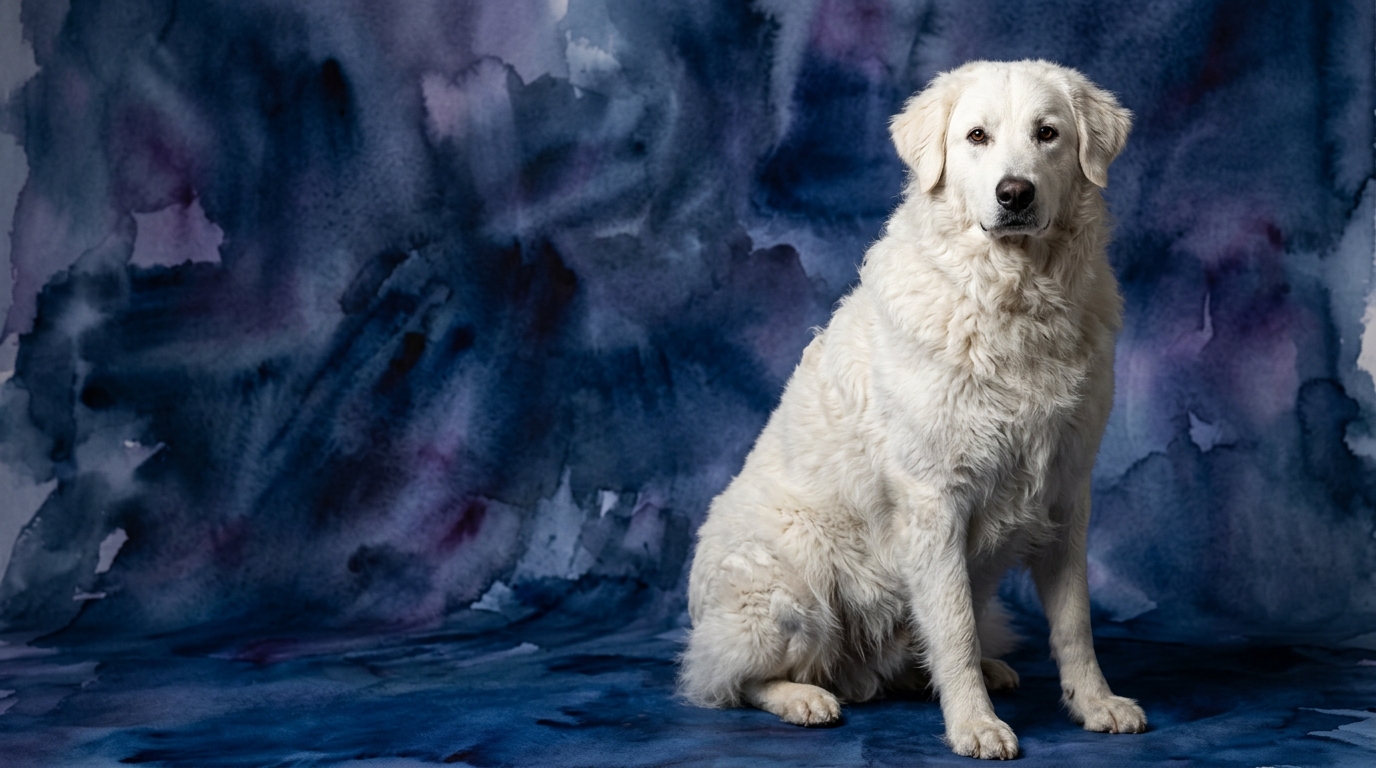
In contrast, the Kuvasz, with a Coren rank of #42, exhibits a cognitive profile geared towards independent work and vigilance. Their Problem Solving is 3/5, demonstrating an ability to assess situations and act accordingly, particularly in their historical role. Training Speed is also 3/5, suggesting a moderate pace of learning, often coupled with an independent streak. Social Intelligence for the Kuvasz is 3/5, indicating an understanding of family dynamics but a more reserved demeanor with outsiders. Their Instinctive Drive is a strong 3/5, rooted in their guarding heritage, and notably, their Memory is robust at 4/5, allowing them to retain complex information and experiences effectively.
Where the English Bulldog Wins Cognitively
When examining specific cognitive strengths, the English Bulldog's most pronounced advantage lies in its Social Intelligence, scoring a remarkable 4 out of 5 compared to the Kuvasz's 3/5. This higher rating signifies an exceptional capacity for emotional attunement and understanding of human social dynamics. Bulldogs are often described as deeply empathetic, capable of picking up on subtle shifts in their owner's mood or stress levels without overt cues, making them profoundly comforting companions.
This superior social acumen means a Bulldog is often more inclined to seek and maintain close emotional bonds, acting as a sentient emotional barometer within the home. While they may not be the quickest to learn complex commands, their strong desire for connection and their innate ability to integrate into the human family unit on an emotional level provides a unique cognitive win. They excel at being present and responsive to their people's emotional states, a trait that makes them unparalleled in certain companionship roles where emotional support is paramount.
Where the Kuvasz Wins Cognitively
The Kuvasz demonstrates clear cognitive advantages in several key areas, particularly in Memory, where it scores an impressive 4/5 against the Bulldog's 2/5. This robust memory allows a Kuvasz to retain a vast amount of information, from complex commands and routines to past experiences and the identities of family members versus strangers. For a breed historically tasked with independent livestock guarding, this strong recall is indispensable, enabling them to make informed decisions based on accumulated knowledge rather than relying solely on immediate instinct.
Furthermore, the Kuvasz's Problem Solving ability, rated 3/5 compared to the Bulldog's 2/5, allows them to assess novel situations and devise appropriate responses, a critical skill for a guardian breed. This, coupled with their slightly higher Training Speed (3/5 vs. 2/5), means that while they might not be the most eager learners, once a concept is grasped, it is likely to be deeply embedded due to their superior memory. Their cognitive profile supports a dog that can operate with a degree of self-sufficiency, evaluating threats and responding effectively without constant human direction.
Which is Easier to Train and Why
Determining which breed is 'easier' to train requires a nuanced understanding of their respective cognitive profiles. The English Bulldog, with a Training Speed of 2/5 and Memory of 2/5, typically requires significant patience and high-frequency repetition. Their strength lies in their 4/5 Social Intelligence, which means they are often motivated by pleasing their human companions and desire social interaction, making positive reinforcement highly effective for simple compliance.
However, for retaining complex sequences or performing tasks independently over time, the Kuvasz generally presents a more efficient training experience due to its 4/5 Memory and 3/5 Problem Solving. While their 3/5 Training Speed suggests a moderate learning pace and their independent nature (a characteristic of many working breeds) means they are not always blindly compliant, once a Kuvasz understands a command or a desired behavior, they are far more likely to retain and apply it consistently. This makes them easier to train for roles requiring long-term recall and autonomous decision-making, even if initial engagement requires a skilled hand to bypass their self-reliant tendencies.
Which Suits Active Owners vs. Relaxed Owners
The distinct cognitive and physical demands of these two breeds naturally align them with different owner lifestyles. The Kuvasz, originating as a livestock guardian, possesses a strong Instinctive Drive (3/5) geared towards protection and vigilance. This, combined with their larger size and need for mental engagement, means they thrive with active, experienced owners who can provide consistent training, ample space for patrolling, and a sense of purpose. They are not content to be mere couch potatoes; their independent problem-solving and robust memory benefit from structured activities and a clear role within the family.
In stark contrast, the English Bulldog's cognitive profile, marked by lower physical drive and a powerful social intelligence, makes them ideal for more relaxed owners. Their moderate Instinctive Drive (3/5) is often expressed in companionable ways rather than active work. They are generally content with moderate daily exercise, preferring the comforts of home and the close company of their people. Owners who appreciate a calm, affectionate, and emotionally intuitive companion, and are prepared for a slower, more patient approach to training, will find the Bulldog to be a perfect fit for a quieter, companionship-focused lifestyle.
The Verdict
Choose the English Bulldog if you prioritize a deeply empathetic, emotionally attuned companion for a relaxed home, valuing their innate social intelligence over rapid learning or independent problem-solving for complex tasks.
Opt for the Kuvasz if you are an experienced owner seeking a discerning, independent guardian with a robust memory and capable problem-solving skills for specific roles, prepared to offer consistent, structured training and ample space.
🧠 Find Your Pet's IQ Score
Our Pet IQ Lab assessment covers 25+ tests across 5 cognitive dimensions — personalized to your breed.
Take the Full IQ Test →Frequently Asked Questions
Does a dog's Coren rank directly indicate its overall intelligence?
Not entirely. The Coren rank primarily measures a breed's 'obedience and working intelligence,' reflecting how quickly they learn new commands and how reliably they obey. It doesn't encompass the full spectrum of cognitive abilities like social intelligence, problem-solving in novel situations, or memory for non-command-based information, which are detailed in our Cosmic Pet Pet IQ Lab profiles.
Can an English Bulldog learn complex tasks or tricks despite its lower memory score?
Absolutely. While an English Bulldog's memory score of 2/5 suggests they may require more repetition, their high social intelligence (4/5) means they are often highly motivated by positive interaction and praise from their owners. With consistent, engaging, and patient training, leveraging their desire to please, Bulldogs can certainly master a variety of complex behaviors, though retention might require frequent refreshers.
How does the Kuvasz's independent nature affect its trainability compared to other working breeds?
The Kuvasz's independence, a hallmark of its livestock guardian heritage, means it is genetically predisposed to think for itself and make decisions without constant human oversight. This can make training more challenging than with breeds bred for eager compliance, as a Kuvasz often needs to understand the 'why' behind a command. Successful training requires clear, consistent leadership, strong motivation, and respect for their self-reliant tendencies, rather than expecting blind obedience.