A Side-by-Side Look at Cognitive Profiles
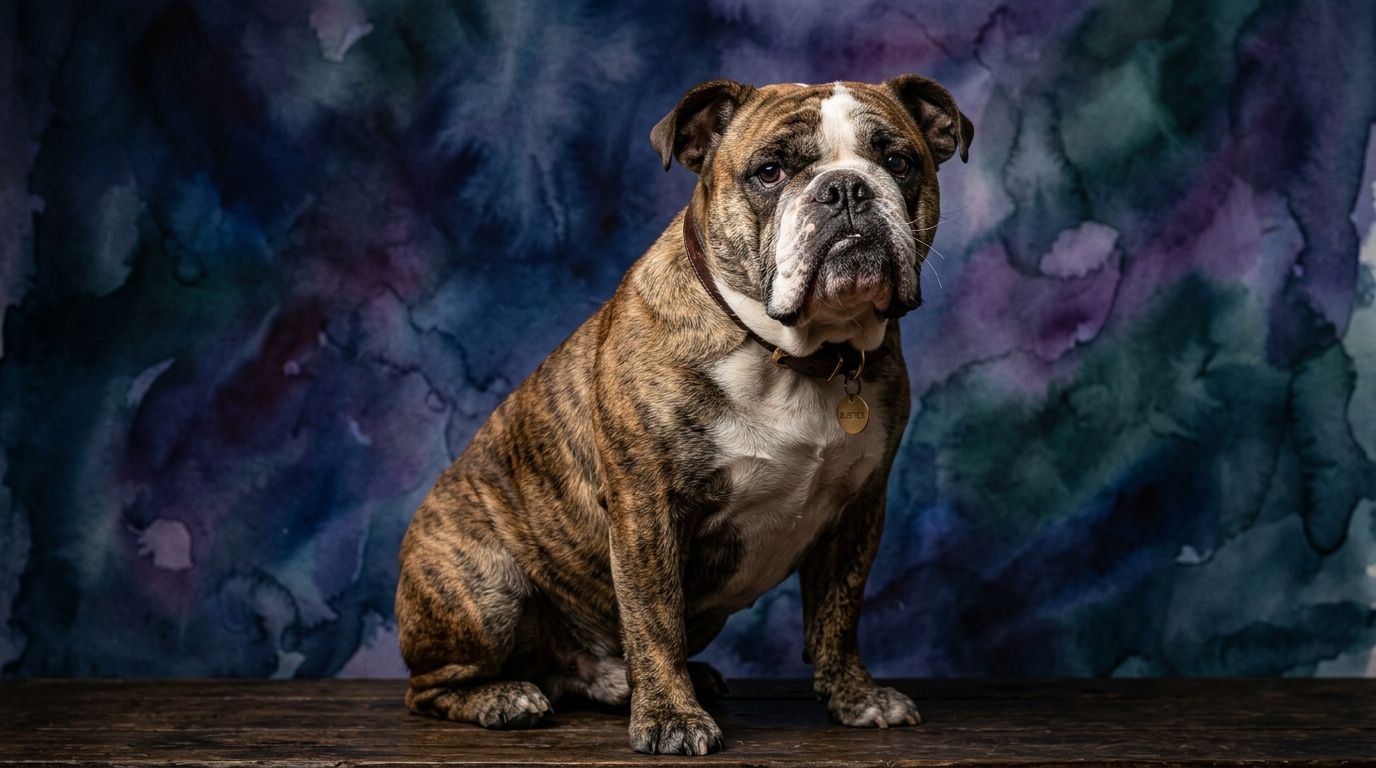
The Cosmic Pet Pet IQ Lab provides a unique lens through which to compare the cognitive strengths of the English Bulldog and the Puli across five key dimensions. The English Bulldog, a Non-Sporting breed, registers a Coren rank of #77, reflecting a cognitive profile oriented towards companionship rather than complex task execution. Its scores include Problem Solving 2/5, Training Speed 2/5, Social Intelligence 4/5, Instinctive Drive 3/5, and Memory 2/5. These metrics paint a picture of a dog that is empathetic and steady, processing information methodically.
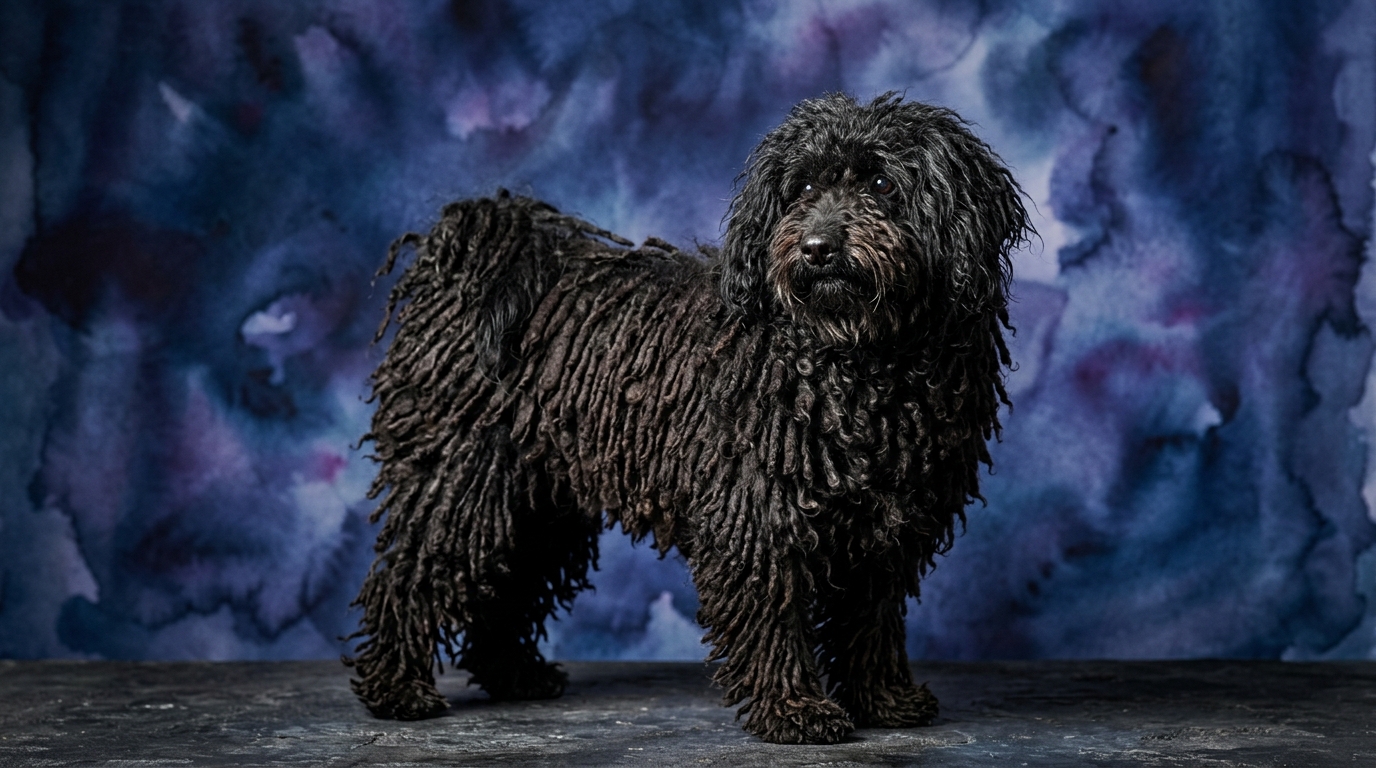
In stark contrast, the Puli, a Herding breed, holds a significantly higher Coren rank of #25, indicative of a mind engineered for intricate work. Its IQ scores showcase a different set of strengths: Problem Solving 4/5, Training Speed 4/5, Social Intelligence 3/5, Instinctive Drive 3/5, and Memory 4/5. These figures suggest a quick-thinking, adaptable, and highly trainable canine, adept at retaining information and applying it to new situations, a hallmark of its herding heritage.
Where the English Bulldog's Cognition Excels
The English Bulldog's standout cognitive strength lies in its Social Intelligence, scoring an impressive 4/5. This metric signifies a profound capacity for understanding and responding to human emotions and social cues. Bulldogs are particularly adept at forming deep, empathetic bonds with their human families, often acting as intuitive emotional anchors within a household. This high social acumen means they are often content to be near their people, observing and participating in family life with a quiet understanding.
While its problem-solving and training speed scores are modest, the Bulldog's moderate instinctive drive (3/5) complements its social intelligence. This balance means it's less driven by an internal need to perform complex tasks independently and more inclined to seek interaction and comfort from its human companions. This cognitive make-up fosters a devoted, low-key presence, where the Bulldog's primary 'job' is often that of an affectionate and understanding family member.
Where the Puli's Cognition Shines Brightest
The Puli's cognitive prowess is evident across multiple dimensions, particularly in Problem Solving (4/5), Training Speed (4/5), and Memory (4/5). Its high problem-solving ability reflects a keen intellect capable of analyzing situations quickly and devising effective strategies, a trait honed by centuries of herding livestock. This means a Puli can often figure out how to open gates, retrieve objects, or navigate complex environments with relative ease, demonstrating an impressive capacity for adaptive thinking.
Coupled with its rapid Training Speed and robust Memory, the Puli is an exceptionally quick study. It grasps new commands and concepts with minimal repetition and retains them over long periods, making it highly responsive to advanced training. Its instinctive drive (3/5), while matching the Bulldog's numerical score, is often channeled into purposeful, task-oriented activities, reinforcing its cognitive strengths in learning and application. This breed thrives when given a 'job' that engages its sharp mind and impressive recall.
Training Dynamics: Puli's Agility vs. Bulldog's Steadfastness
When it comes to training, the Puli's high scores in Training Speed (4/5) and Memory (4/5) translate to a dog that learns commands swiftly and retains them exceptionally well. A Puli often enjoys the mental challenge of learning new behaviors and thrives on engaging, positive reinforcement methods. However, its intelligence also means it can become bored or devise its own entertainment if not consistently stimulated, requiring an owner who can keep pace with its agile mind and provide varied training sessions.
The English Bulldog, with its Training Speed and Memory scores of 2/5, requires a different approach. It's not that Bulldogs are incapable of learning; rather, they process information at a more deliberate pace and require more repetition to solidify new commands. Patience and consistency are paramount. Its higher social intelligence (4/5) can be leveraged during training, as the Bulldog is often motivated by the desire to please its human and the positive attention it receives, even if the learning curve is longer than that of a Puli.
Lifestyle Match: Active Minds vs. Affectionate Companions
For owners with an active lifestyle who enjoy engaging in mental and physical challenges with their canine companion, the Puli is an exceptional match. Its high problem-solving skills, rapid learning capacity, and herding instincts mean it thrives in environments that offer plenty of opportunities for advanced obedience, agility, herding trials, or complex puzzle toys. A Puli requires consistent mental stimulation to be a fulfilled and well-behaved member of the family, channeling its sharp intellect into productive activities.
Conversely, the English Bulldog's cognitive profile makes it ideally suited for more relaxed owners seeking a deeply devoted and calm companion. Its strength in social intelligence and moderate instinctive drive means it's content with moderate exercise and prioritizes close human interaction over demanding mental tasks. Bulldogs are typically happy to spend their days in the company of their family, offering quiet companionship and an empathetic presence without the constant need for high-intensity mental engagement.
The Verdict
Choose the English Bulldog if you prioritize a deeply empathetic, calm companion who excels in social bonding and thrives on steady, affectionate interaction over complex mental challenges.
Opt for the Puli if you seek an agile, quick-witted partner eager for mental stimulation and advanced training, capable of mastering intricate tasks with impressive recall.
🧠 Find Your Pet's IQ Score
Our Pet IQ Lab assessment covers 25+ tests across 5 cognitive dimensions — personalized to your breed.
Take the Full IQ Test →Frequently Asked Questions
Does the English Bulldog's lower IQ scores mean it's less capable of learning?
Not at all; it simply means the Bulldog learns differently. Its 2/5 scores in problem-solving and training speed indicate a need for more repetition and patience, but its strong social intelligence ensures it's motivated by human connection during training.
Are Pulis prone to being overly independent due to their high problem-solving?
Pulis possess a strong independent streak, a remnant of their herding origins where they needed to make decisions autonomously. This translates to a need for consistent mental engagement and clear leadership to channel their intelligence constructively, preventing them from devising their own less desirable activities.
How does the Coren ranking relate to these specific IQ dimensions?
Coren rank broadly assesses a breed's working and obedience intelligence, aligning well with the Puli's high scores in training speed, memory, and problem-solving, which are crucial for complex tasks. The Bulldog's lower Coren rank reflects its less task-oriented cognitive profile, emphasizing its social strengths over traditional obedience.