A Side-by-Side Look at Canine Cognition
At The Cosmic Pet Pet IQ Lab, we evaluate canine intelligence across five crucial dimensions: Problem Solving, Training Speed, Social Intelligence, Instinctive Drive, and Memory. These metrics provide a nuanced understanding of how different breeds process information, learn, and interact with their world, moving beyond generic labels to specific cognitive aptitudes.
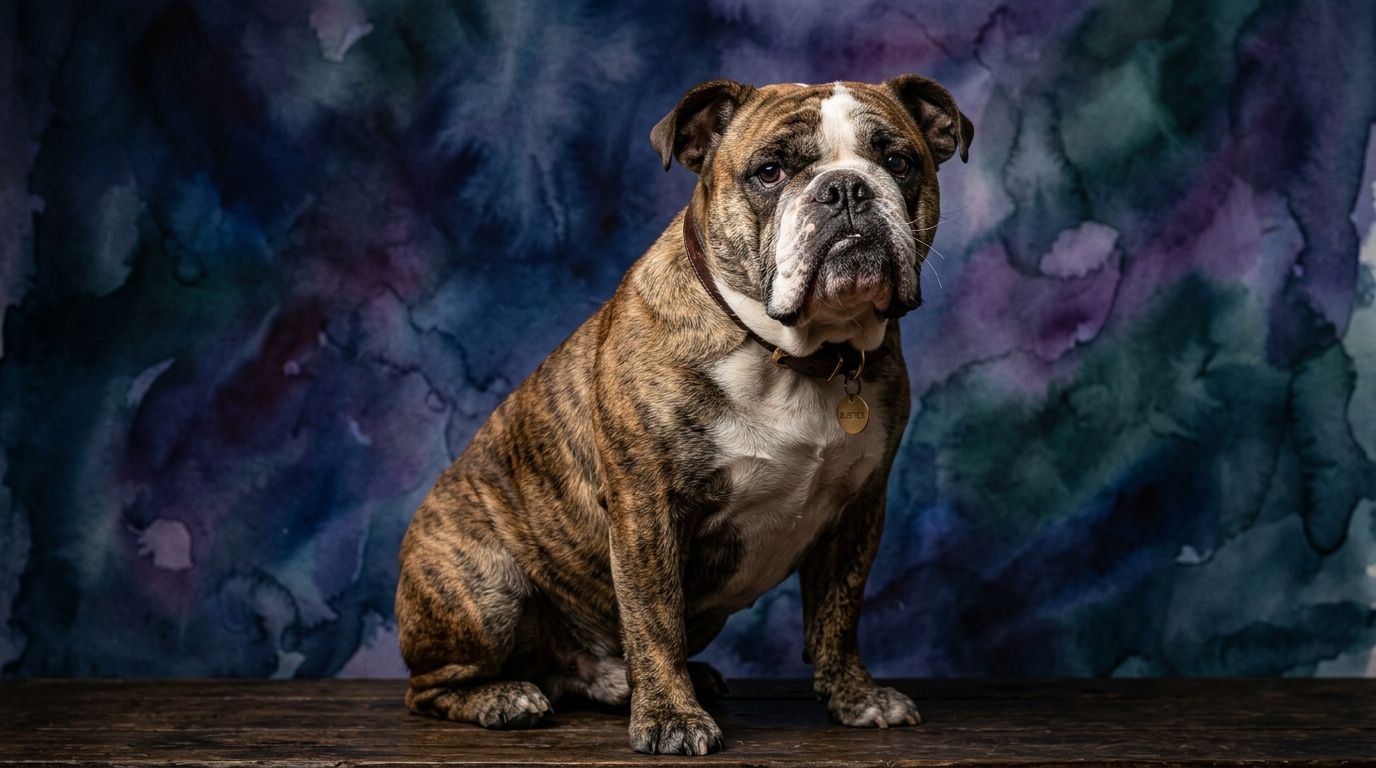
The English Bulldog, a Non-Sporting breed with a Coren rank of #77, presents a profile emphasizing companionship over complex tasks. Its Problem Solving is rated 2/5, indicating a preference for established routines over independent strategic thinking. Training Speed also sits at 2/5, suggesting a more deliberate learning pace. However, its Social Intelligence shines at 4/5, reflecting a deep understanding of human emotional nuances. Instinctive Drive is moderate at 3/5, focusing on comfort and protection, while Memory is 2/5, sufficient for daily life but less for intricate recall.
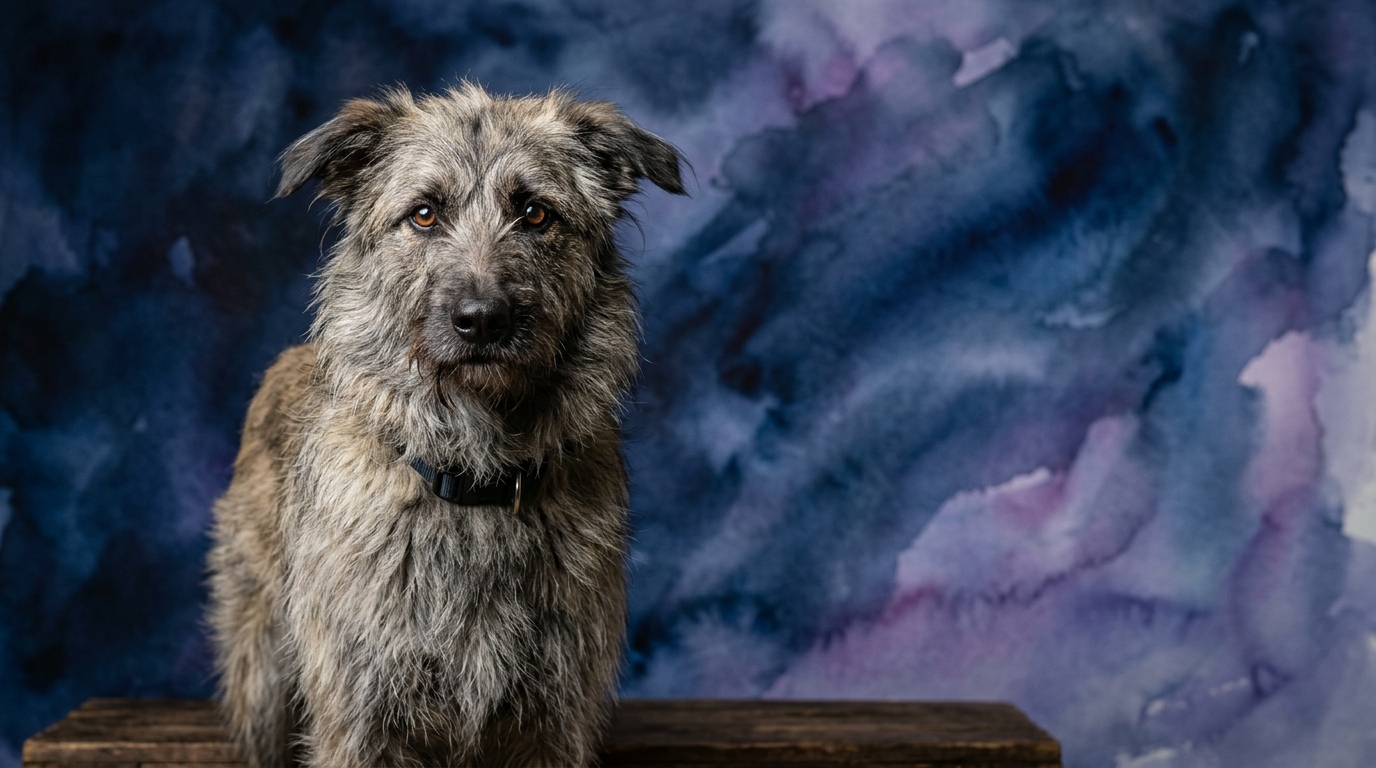
In contrast, the Pyrenean Shepherd, a Herding breed not Coren-ranked, exhibits a more task-oriented cognitive makeup. It scores 3/5 in Problem Solving, showing a greater capacity for independent thought and adaptive strategies. Training Speed is also 3/5, indicating a more efficient learning curve. Social Intelligence is 3/5, present but often channeled through a working lens. Instinctive Drive is a balanced 3/5, reflecting its herding roots, and Memory is also 3/5, supporting its ability to retain complex patterns and commands.
Where the Bulldog's Cognitive Strengths Shine
When we examine the cognitive landscape, the English Bulldog truly distinguishes itself through its exceptional social intelligence, scoring a robust 4 out of 5. This isn't merely about friendliness; it signifies a profound capacity to interpret and respond to the nuanced emotional states and social cues of their human companions. Bulldogs possess an innate ability to 'read the room,' often adjusting their demeanor to match the prevailing mood, whether offering quiet comfort during distress or playful antics during joy.
This heightened social awareness manifests in their daily interactions. A Bulldog might intuitively offer a comforting nudge when an owner is feeling down, or subtly seek attention when they sense a moment of availability. Unlike breeds whose social interactions are often tied to specific tasks or a desire for direction, the Bulldog’s social intelligence appears more focused on relational harmony and emotional connection, making them particularly adept at integrating seamlessly into diverse family dynamics and becoming deeply cherished, empathetic members of the household.
The Pyrenean Shepherd's Cognitive Edge
The Pyrenean Shepherd, a breed forged in the demanding environment of herding, showcases its cognitive prowess across several dimensions where it generally outpaces the Bulldog. Its problem-solving score of 3 out of 5 reflects a breed capable of more independent thought and adaptive strategies. Faced with a novel situation, a Pyrenean Shepherd is more likely to experiment with different approaches or devise a solution without constant human direction, a trait honed by centuries of managing unpredictable livestock and challenging terrains.
Complementing this is their superior training speed, also rated 3 out of 5. These dogs typically absorb new commands and routines with greater efficiency, often requiring fewer repetitions to achieve mastery. Their eagerness to engage in learning, coupled with their inherent focus, makes them quicker studies in obedience and more complex tasks. This faster acquisition of skills is intrinsically linked to their memory, which at 3 out of 5, allows them to retain a broader repertoire of learned behaviors and experiences over time. This robust memory is vital for a working dog required to recall intricate patterns, routes, and a multitude of signals from their handler, enabling them to build upon prior knowledge with greater ease than their Bulldog counterparts.
Training Dynamics: Bulldog vs. Pyrenean Shepherd
When considering ease of training, the Pyrenean Shepherd generally presents a more straightforward path for owners, primarily due to its superior training speed and problem-solving abilities. A Pyrenean Shepherd's inherent drive to work and please its handler, combined with its capacity for quicker learning, means it often picks up new commands and complex sequences with relative alacrity. Their problem-solving acumen allows them to better grasp the 'why' behind a command, enabling them to generalize learned behaviors to new contexts more readily.
In contrast, the English Bulldog, with its 2/5 rating in both training speed and problem solving, requires a more patient and persistent approach. Bulldogs are not necessarily difficult to train, but they demand consistency, positive reinforcement, and a clear understanding of their motivations – often food or comfort. Their learning curve is longer, and they may exhibit a characteristic stubbornness, not out of malice, but due to a lower innate drive for constant engagement in structured tasks and a preference for comfort over complex mental exertion.
Lifestyle Match: Active Pursuits vs. Relaxed Companionship
The distinct cognitive profiles of these two breeds naturally align with very different owner lifestyles. The Pyrenean Shepherd's higher scores in problem-solving, training speed, and a balanced instinctive drive indicate a dog that thrives on mental engagement and physical activity. Owners who lead active lives, enjoy dog sports like agility or herding trials, or are committed to extensive training will find a Pyrenean Shepherd a rewarding companion. Their cognitive faculties demand outlets for their energy and intellect; without sufficient stimulation, they can become restless or channel their problem-solving skills into less desirable behaviors around the home.
Conversely, the English Bulldog's cognitive makeup, characterized by lower problem-solving and training speed but high social intelligence, makes it an ideal match for more relaxed owners seeking a devoted, low-key companion. Bulldogs are content with moderate daily exercise, preferring comfortable naps and affectionate interactions over rigorous mental challenges. Their strength lies in their ability to integrate into a peaceful home environment, offering unwavering companionship and emotional support without demanding constant intellectual stimulation or demanding physical feats.
The Verdict
Choose the English Bulldog if you seek a deeply affectionate, low-energy companion whose greatest joy is social bonding and relaxed home life, valuing comfort and companionship over rigorous training or mental tasks.
Opt for the Pyrenean Shepherd if you are an active individual or family seeking a mentally agile, trainable dog for sports, work, or extensive outdoor adventures, ready to channel its keen intellect and energy.
🧠 Find Your Pet's IQ Score
Our Pet IQ Lab assessment covers 25+ tests across 5 cognitive dimensions — personalized to your breed.
Take the Full IQ Test →Frequently Asked Questions
Is the English Bulldog truly less capable of learning than a Pyrenean Shepherd?
The data suggests the English Bulldog generally learns at a slower pace and requires more repetition compared to the Pyrenean Shepherd, which has a higher training speed. However, 'less capable' is a strong term; Bulldogs are perfectly capable of learning, but their learning style demands greater patience and consistency from their trainers. Their motivation often stems from comfort and positive reinforcement.
How does the Pyrenean Shepherd's instinctive drive manifest in a non-herding home?
In a non-herding environment, the Pyrenean Shepherd's instinctive drive can manifest as a tendency to 'herd' family members, other pets, or even children, often by nipping at heels or trying to direct movement. This behavior isn't aggressive but a natural expression of their genetics. Owners need to provide appropriate outlets for this drive through structured play, training, or dog sports to prevent it from becoming problematic.
Can a Bulldog excel in a dog sport like obedience, despite its lower training speed?
While a Bulldog's training speed is rated lower, they can absolutely excel in obedience and other dog sports with dedicated and patient trainers. Their high social intelligence means they are often eager to please and form strong bonds, which can be leveraged in training. Success hinges on understanding their motivations, breaking tasks into smaller steps, and making training a consistently positive and rewarding experience tailored to their pace.