
A Side-by-Side Look at Cognitive Profiles
The Cosmic Pet Pet IQ Lab employs a five-dimensional framework to assess canine cognition, providing a nuanced perspective beyond simple obedience. For the English Bulldog, a breed often celebrated for its steadfast demeanor, their profile reveals a unique set of strengths and areas for growth. Their Problem Solving score sits at 2/5, indicating they may not be the first to figure out complex puzzles or intricate escape routes, preferring straightforward solutions or relying on familiar routines. Training Speed is also rated at 2/5, suggesting that while they can certainly learn, new commands or behaviors might require more repetition and patience from their human companions. However, the Bulldog truly shines in Social Intelligence, scoring an impressive 4/5; these dogs possess a profound understanding of human emotions and social cues, often forming deep, empathetic bonds. Their Instinctive Drive is moderate at 3/5, meaning they have some innate behaviors but aren't overwhelmingly driven by primal urges, and their Memory is rated 2/5, indicating they retain learned information adequately but perhaps not with the precision or longevity of some other breeds. The Bulldog's Coren rank of #77 further positions them as a breed that values companionship and comfort over complex intellectual tasks.
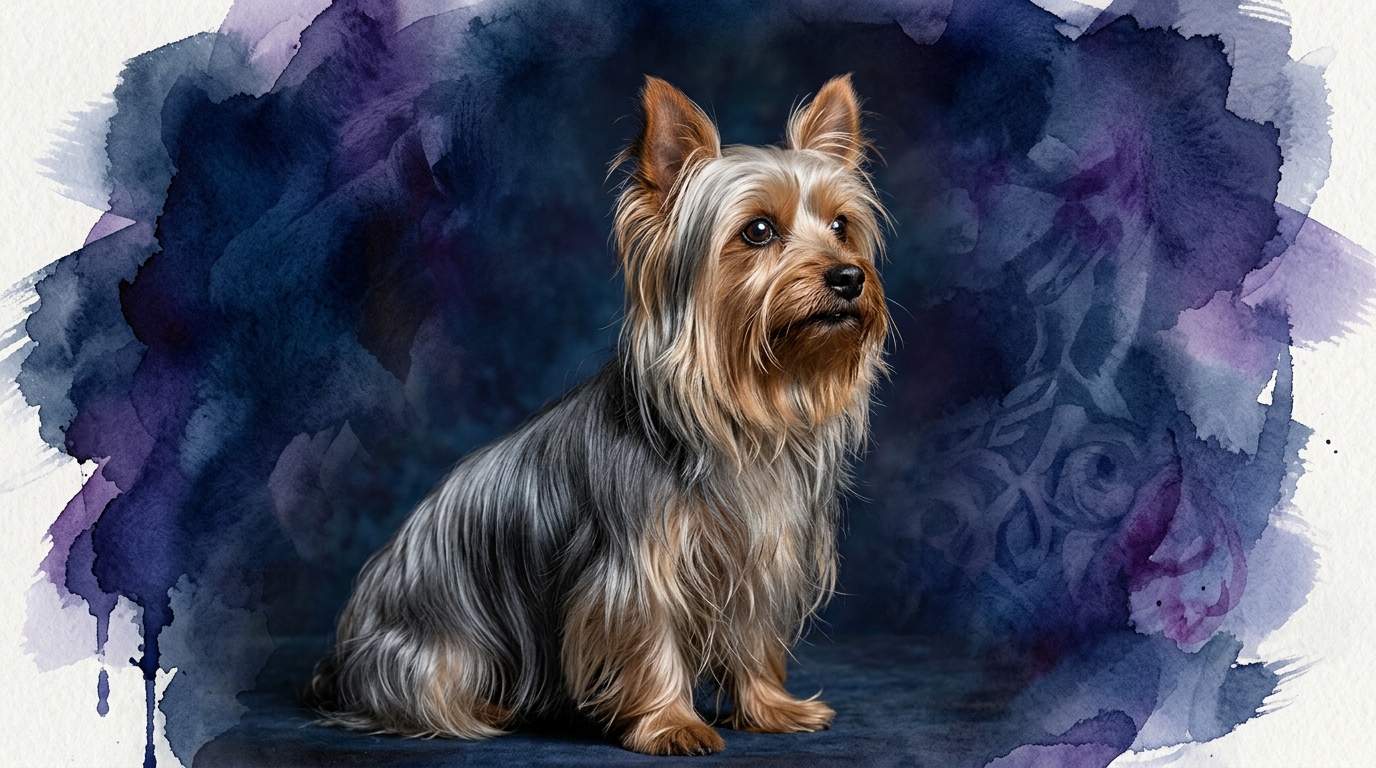
In contrast, the Silky Terrier presents a more balanced, agile cognitive profile, reflecting their terrier heritage. Their Problem Solving ability is rated 3/5, suggesting a moderate capacity for navigating novel situations and figuring out how things work, often employing clever strategies to achieve their goals. Training Speed matches this at 3/5, indicating they generally pick up new commands and routines with a reasonable number of repetitions, responding well to engaging and consistent instruction. Their Social Intelligence is also 3/5, meaning they are adept at understanding human social signals and enjoy interaction, though perhaps not with the same depth of empathetic connection as the Bulldog. The Silky Terrier’s Instinctive Drive is 3/5, reflecting a moderate inherent drive for activities like chasing or digging, typical of terriers, which can be channeled into appropriate outlets. Their Memory also scores 3/5, suggesting a solid ability to recall learned behaviors and past experiences. While not Coren-ranked, the Silky Terrier’s scores paint a picture of a capable, adaptable companion with a keen mind for practical tasks.
Where the English Bulldog Cognitively Excels
The English Bulldog's standout cognitive strength lies squarely in their Social Intelligence, scoring 4/5 compared to the Silky Terrier's 3/5. This higher score isn't merely about friendliness; it signifies a profound capacity to read and respond to human emotions and social dynamics. Bulldogs often exhibit an uncanny ability to sense when their owner is upset or unwell, providing a comforting, quiet presence without needing explicit cues. They excel at integrating into a family unit, understanding household routines, and discerning acceptable behaviors based on subtle human feedback. This makes them exceptional companions for those seeking a dog that truly 'gets' them on an emotional level, thriving on connection and reciprocal understanding rather than complex mental challenges. Their social acumen allows them to navigate diverse social situations with calm assurance, often serving as a steady anchor in a bustling home.
Where the Silky Terrier Cognitively Leads
The Silky Terrier demonstrates superior cognitive flexibility across several dimensions when compared to the English Bulldog. Their Problem Solving ability, rated 3/5 versus the Bulldog’s 2/5, means they are more inclined to experiment with solutions to novel challenges, such as figuring out how to open a cabinet or retrieve a toy from a tricky spot. This often translates into a more curious and exploratory approach to their environment. Similarly, their Training Speed and Memory, both rated 3/5 compared to the Bulldog’s 2/5, indicate a quicker grasp of new commands and a more robust retention of those lessons over time. Silky Terriers are generally more receptive to learning sequences of behaviors and remembering complex routes or routines. This cognitive edge in practical intelligence makes them more adept at various dog sports or activities that require quick thinking and sustained focus on tasks.
Training Dynamics: Bulldog's Patience vs. Silky's Eagerness
When it comes to training, the cognitive differences between these two breeds become particularly apparent. The Silky Terrier, with a Training Speed of 3/5, generally proves to be the easier subject. Their higher Problem Solving score (3/5) means they are often more engaged by the process of learning, viewing it as a puzzle to solve rather than a repetitive chore. They tend to be more eager to please and respond well to positive reinforcement, quickly connecting actions with rewards. This receptiveness allows for a more fluid and less frustrating training experience, particularly for owners who enjoy teaching new tricks or participating in obedience trials. Their solid memory (3/5) ensures that once a behavior is learned, it is likely to stick.
The English Bulldog, however, presents a different training landscape, largely due to their 2/5 Training Speed and Problem Solving scores, coupled with an independent streak. While capable of learning, they can exhibit a 'what's in it for me?' attitude and a notable stubbornness, often requiring more patience and creative motivation from their trainer. Repetitive drills might quickly bore them, leading to disengagement. Their lower memory score (2/5) means that consistency is paramount; lessons need frequent reinforcement to ensure long-term retention. Training a Bulldog often becomes a exercise in gentle persuasion and understanding their intrinsic motivations, rather than expecting immediate compliance, leveraging their strong social intelligence to build a trusting, cooperative relationship.
Lifestyle Match: Active Engagement vs. Relaxed Companionship
The cognitive and physical makeup of these breeds naturally aligns them with different owner lifestyles. The Silky Terrier, with its higher problem-solving and training speed scores, thrives with active owners who can provide consistent mental stimulation and physical activity. Their moderate instinctive drive (3/5) means they enjoy engaging in activities like agility, interactive games, or long walks, channeling their terrier energy into constructive outlets. Owners who enjoy teaching new tricks, participating in dog sports, or simply having a clever companion to engage with daily will find the Silky Terrier a rewarding match. They require an environment where their intelligence is regularly challenged to prevent boredom and potential mischievousness.
Conversely, the English Bulldog’s profile makes them an ideal fit for more relaxed owners. Their lower problem-solving and training speed scores, combined with their generally placid nature and physical build, mean they are content with a less demanding routine. While they still benefit from regular, moderate exercise, their primary needs revolve around companionship and comfort, leveraging their high social intelligence (4/5) to form deep emotional bonds. Owners who prefer quiet evenings, gentle strolls, and a loyal, affectionate presence will find the Bulldog’s calm disposition and profound social understanding to be perfectly suited to their lifestyle. They are less about performing complex tasks and more about simply 'being' with their people.
The Verdict: Choosing Your Canine Companion
The Verdict
Choose an English Bulldog if you prioritize a deeply empathetic, calm companion who excels at social connection and thrives in a relaxed home environment, understanding your moods with quiet assurance. They are best for owners who appreciate their steadfast loyalty over rapid learning and complex cognitive tasks.
Opt for a Silky Terrier if you desire an agile, curious, and trainable companion eager to engage in mental challenges and physical activities, thriving on consistent interaction and learning opportunities. They are well-suited for active owners who enjoy teaching new skills and fostering a clever dog's potential.
🧠 Find Your Pet's IQ Score
Our Pet IQ Lab assessment covers 25+ tests across 5 cognitive dimensions — personalized to your breed.
Take the Full IQ Test →Frequently Asked Questions
Do English Bulldogs get bored easily with training?
Yes, English Bulldogs can become bored with repetitive training due to their 2/5 training speed and problem-solving scores. They respond best to short, engaging sessions that incorporate positive reinforcement and variety to maintain their interest and motivation.
Are Silky Terriers good at puzzle toys?
With a problem-solving score of 3/5, Silky Terriers generally enjoy and excel at puzzle toys. These toys provide valuable mental stimulation, satisfying their curiosity and innate drive to figure things out, helping to prevent boredom.
How does social intelligence impact daily life with a Bulldog?
A Bulldog's high social intelligence (4/5) means they are acutely attuned to human emotions and social cues, making them exceptionally empathetic and comforting companions. They seamlessly integrate into family dynamics, often anticipating needs and offering quiet support, enriching daily interactions with their profound understanding.