Side-by-Side Cognitive Profile: Unpacking the 3/5 Scores
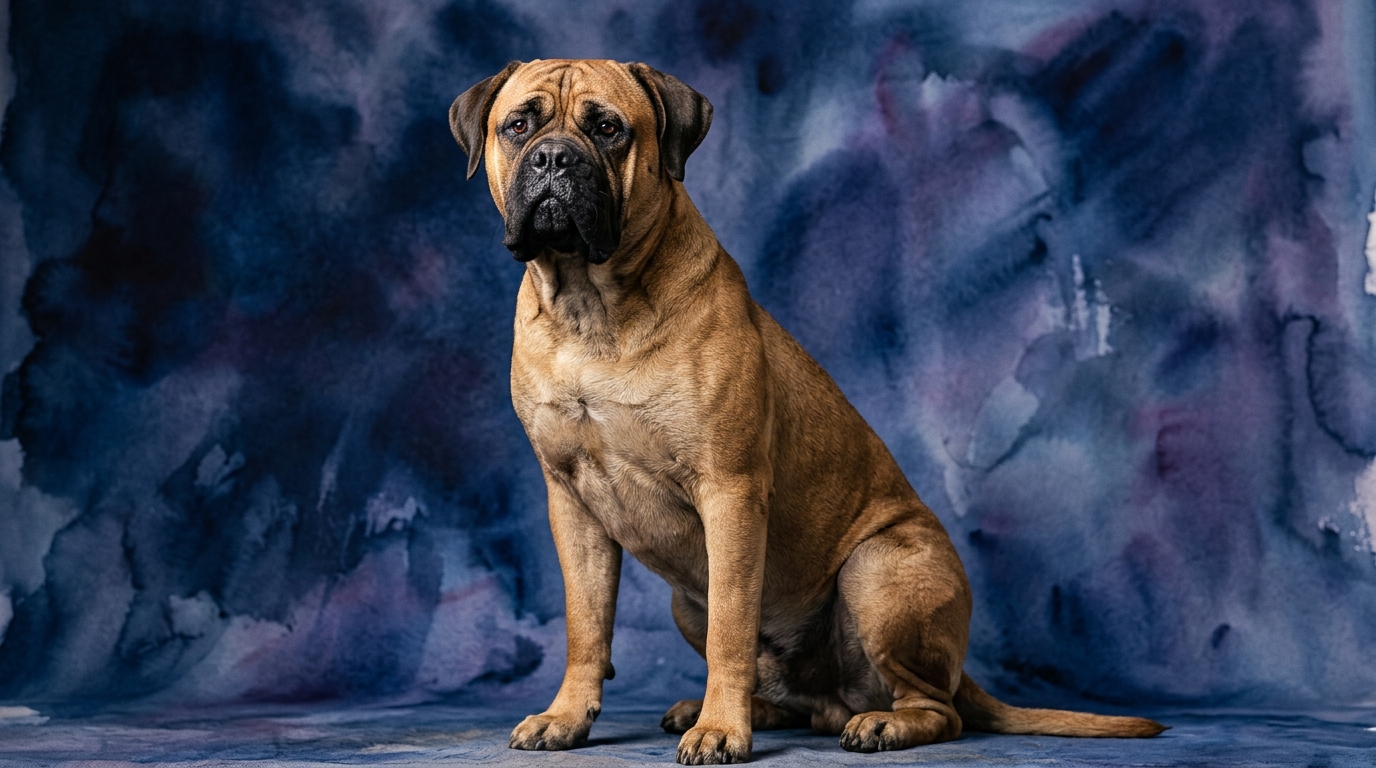
The Cosmic Pet Pet IQ Lab assesses canine intelligence across five vital dimensions, and both the Bullmastiff and Boerboel consistently score 3 out of 5 in each, indicating a solid, practical intelligence rather than a capacity for abstract thought. For the Bullmastiff, ranked #69 by Coren for working and obedience intelligence, these scores reflect a steadfast, dependable intellect. Their 3/5 in Problem Solving suggests a pragmatic approach, often relying on persistent effort or their imposing physical presence to navigate environmental challenges, such as finding the quickest route to a specific outdoor spot or successfully retrieving a hidden toy. This isn't about solving complex puzzles, but efficiently handling real-world, often physical, obstacles.
A 3/5 in Training Speed for the Bullmastiff means they are capable learners, though not exceptionally quick. They require consistency, patience, and positive reinforcement, often needing several repetitions to solidify a command. Their Social Intelligence at 3/5 points to a keen awareness of their family's emotional states and household routines, making them sensitive companions within their trusted circle. Their Instinctive Drive, also 3/5, is strongly geared towards protection, manifesting as a watchful, territorial nature without being overly reactive. Lastly, their 3/5 in Memory ensures they retain learned commands, routines, and experiences effectively, making them reliable once a behavior is ingrained.
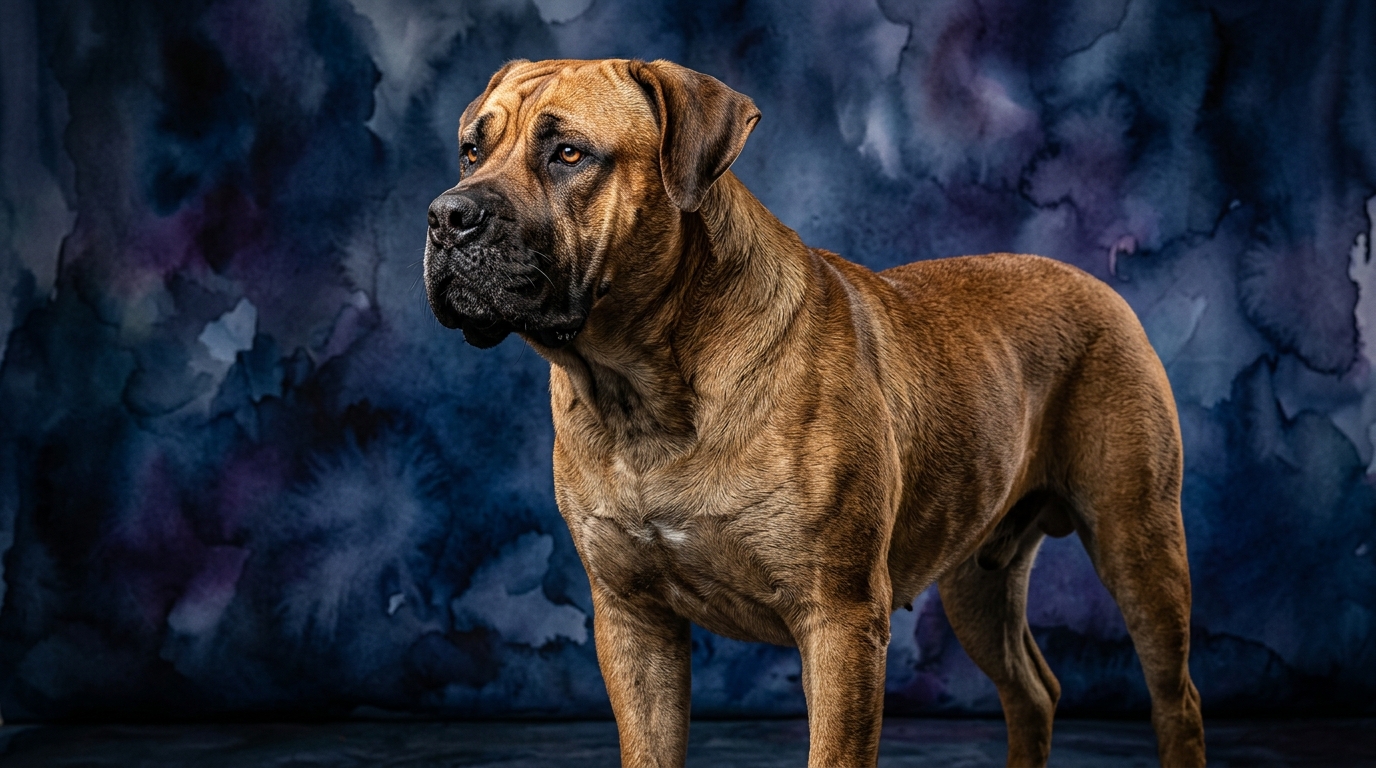
The Boerboel, while not Coren-ranked, presents a similar 3/5 across all categories, yet their application of these cognitive traits often carries a distinct intensity. Their 3/5 in Problem Solving is frequently tied to their formidable protective instincts; they might quickly assess a new situation or perceived threat, strategizing the most direct and effective way to assert control or investigate. This is intelligence applied to vigilance and territorial management, often involving decisive physical action.
For Training Speed, the Boerboel's 3/5 indicates a similar need for consistent, firm training, but often with a stronger emphasis on establishing clear leadership due to their inherent assertiveness. Their Social Intelligence at 3/5 means they are highly attuned to their family and can read cues, but this often manifests as an intense focus on their protector role, discerning friend from perceived foe with sharp precision. Their 3/5 Instinctive Drive is particularly robust, reflecting a powerful, unwavering protective instinct that requires careful channeling. Like the Bullmastiff, their 3/5 Memory ensures they learn and retain information, whether it's commands, household rules, or past interactions, contributing to their consistent and formidable presence.
Where the Bullmastiff Cognitively Excels
Despite identical numerical scores, the Bullmastiff often shows a subtle cognitive advantage in areas related to domestic harmony and nuanced social integration. Their 3/5 Social Intelligence, for example, frequently translates into a more laid-back and adaptable family presence. They tend to be more attuned to the subtle emotional shifts within their human household, often offering comfort or simply observing with a quiet understanding without the same intensity of a Boerboel. This makes them exceptionally sensitive to a calm, predictable home environment.
The Bullmastiff's 3/5 Problem Solving, while practical, often leans towards finding solutions that maintain peace and order within their familiar surroundings. They might figure out how to gently deter a mischievous child from a forbidden area or navigate a crowded room without causing disruption, showcasing a methodical, less confrontational problem-solving style. Their Memory (3/5) also seems particularly strong for positive reinforcement cues and established household routines, making them dependable companions once their role is clearly defined and consistently reinforced.
Where the Boerboel Cognitively Excels
The Boerboel, while sharing the 3/5 profile, often demonstrates a cognitive edge in areas demanding more assertive application of their intellect, particularly within their guardian duties. Their Instinctive Drive (3/5) manifests with an unparalleled intensity and unwavering focus on protection, often requiring less external prompting in a perceived threat scenario. This isn't a higher score, but a more pronounced and robust expression of that drive, making them exceptionally vigilant and decisive protectors.
The Boerboel's 3/5 Problem Solving capabilities are frequently geared towards strategic assessment of perceived threats or territorial infringements. They might proactively position themselves to observe a suspicious visitor or efficiently patrol their boundaries, demonstrating a calculated and formidable approach to security. Their Social Intelligence (3/5) often translates into a sharp understanding of hierarchical structures, both within their human family and in multi-dog households, contributing to their confident, sometimes dominant, presence and their ability to command respect within their perceived 'pack.'
Training Aptitude: Patience and Leadership are Key
Given their identical 3/5 scores in Training Speed, neither the Bullmastiff nor the Boerboel is a 'quick study' in the same vein as some other working breeds. Both require significant patience, consistency, and a clear, confident leader. However, their behavioral differences create distinct training experiences. The Bullmastiff, with its Coren rank of #69, suggests that while compliant, they can have an independent streak that means repetitions need to be engaging and rewards highly motivating. They respond best to gentle persuasion, positive reinforcement, and a trainer who understands their desire for companionship and subtle approval, rather than harsh corrections.
The Boerboel, on the other hand, often presents a more formidable training challenge due to its powerful will, inherent assertiveness, and robust protective drives. While equally capable of learning with a 3/5 Training Speed, they demand a trainer who can establish clear, confident, and consistent leadership from day one. Their training requires extensive socialization from a young age to channel their strong instincts appropriately, preventing them from developing unwanted dominant behaviors. For the Boerboel, training isn't just about teaching commands; it's about shaping a powerful guardian into a well-mannered family member through unwavering guidance and structure.
Lifestyle Match: Active Engagement vs. Calm Companionship
When considering which breed aligns with an owner's lifestyle, their cognitive profiles, especially their instinctive drives and problem-solving approaches, become crucial. The Bullmastiff, while a powerful guardian, often suits owners who appreciate a more relaxed, yet structured, home environment. Their moderate energy levels mean they need consistent, but not exhaustive, exercise to stay content. Their cognitive needs are largely met through feeling useful in their guardian role, consistent routines, and abundant companionship. They thrive with owners who can provide calm leadership and integrate them fully into family life without demanding intense, high-octane activities.
The Boerboel, by contrast, typically requires a more active and experienced owner. Their robust 3/5 Instinctive Drive and assertive Problem Solving mean they need extensive structured exercise and mental engagement to prevent boredom and destructive behaviors. They are not content to be mere couch potatoes; their powerful intellect and physical prowess demand outlets. Owners must be prepared to provide consistent training, challenging activities, and a firm, confident hand to channel their intense protective instincts. They are best suited for individuals or families who can dedicate significant time to their physical and cognitive development, ensuring their formidable capabilities are directed positively.
The Verdict
Choose the Bullmastiff if you seek a formidable yet generally calmer guardian, appreciating a steady temperament and prepared for consistent, patient training within a loving family setting.
Choose the Boerboel if you are an experienced owner confident in managing a powerful, driven protector, capable of providing extensive socialization and firm, consistent leadership to channel their intense intellect and physical prowess.
🧠 Find Your Pet's IQ Score
Our Pet IQ Lab assessment covers 25+ tests across 5 cognitive dimensions — personalized to your breed.
Take the Full IQ Test →Frequently Asked Questions
Do Bullmastiffs or Boerboels excel at dog sports?
Neither breed typically excels in fast-paced agility or competitive obedience due to their substantial size, powerful build, and cognitive profiles. They are generally better suited to roles that leverage their guardian instincts, strength, and steady presence, rather than speed or intricate command sequences.
How do their social intelligence scores (3/5) manifest differently?
A Bullmastiff's 3/5 social intelligence often translates to subtle awareness of family moods and a preference for established routines, making them sensitive companions. A Boerboel's 3/5 social intelligence often focuses on assessing perceived threats and maintaining vigilance within its social structure, exhibiting a more intense and protective attunement to its environment.
Is a higher Coren rank always better for intelligence?
The Coren rank primarily measures working and obedience intelligence, reflecting a dog's ability to learn and respond to commands quickly. While a higher rank indicates faster learning in a structured environment, it doesn't encompass the full spectrum of a dog's cognitive abilities, such as problem-solving in natural contexts or social nuance, which can be equally valuable.