Side-by-Side Cognitive Profiles
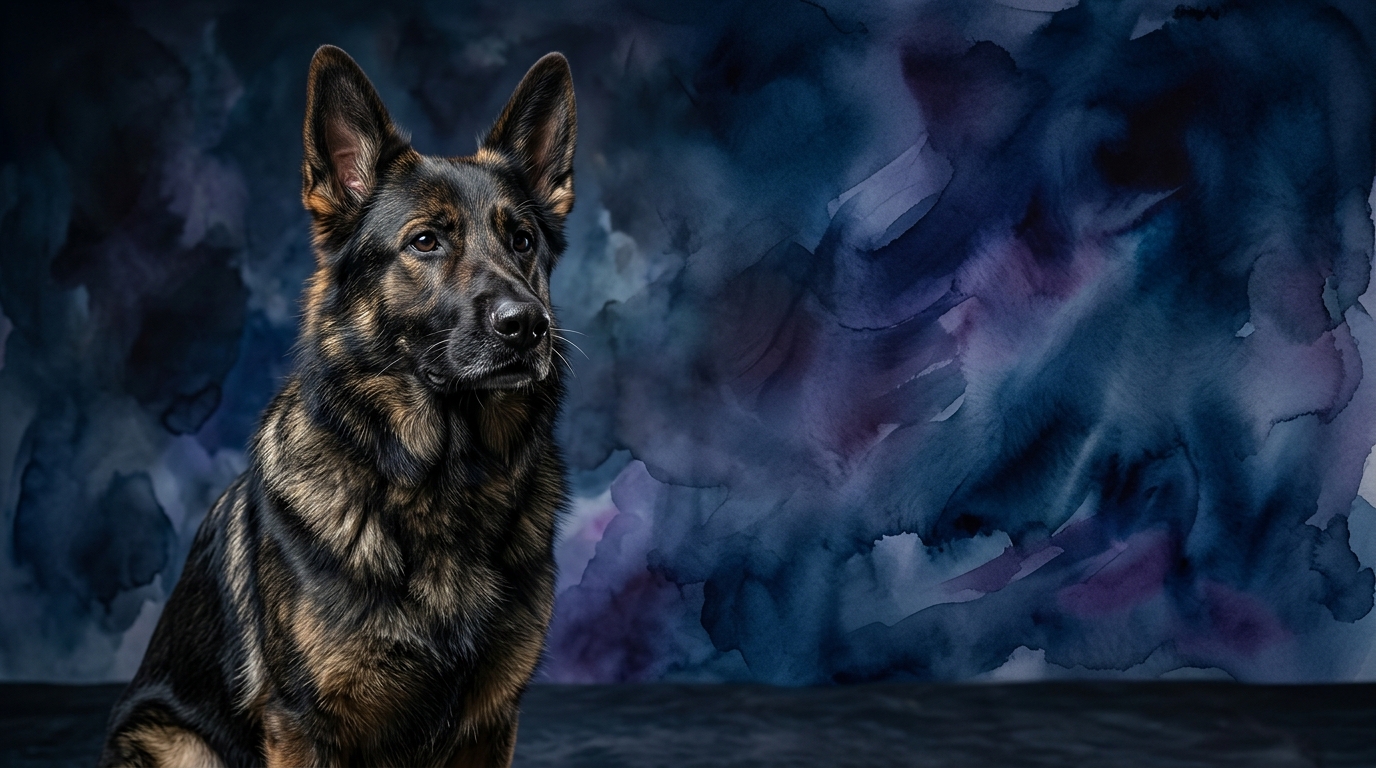
The German Shepherd, a Herding group dog, holds an impressive Coren rank of #3, indicating a sophisticated cognitive architecture. Their Pet IQ Lab scores are uniformly high across all dimensions: problem solving 5/5, training speed 5/5, social intelligence 5/5, instinctive drive 5/5, and memory 5/5. This profile suggests a breed capable of rapid comprehension, complex task execution, and profound social attunement, driven by a powerful internal motivation to engage with their environment and human companions.
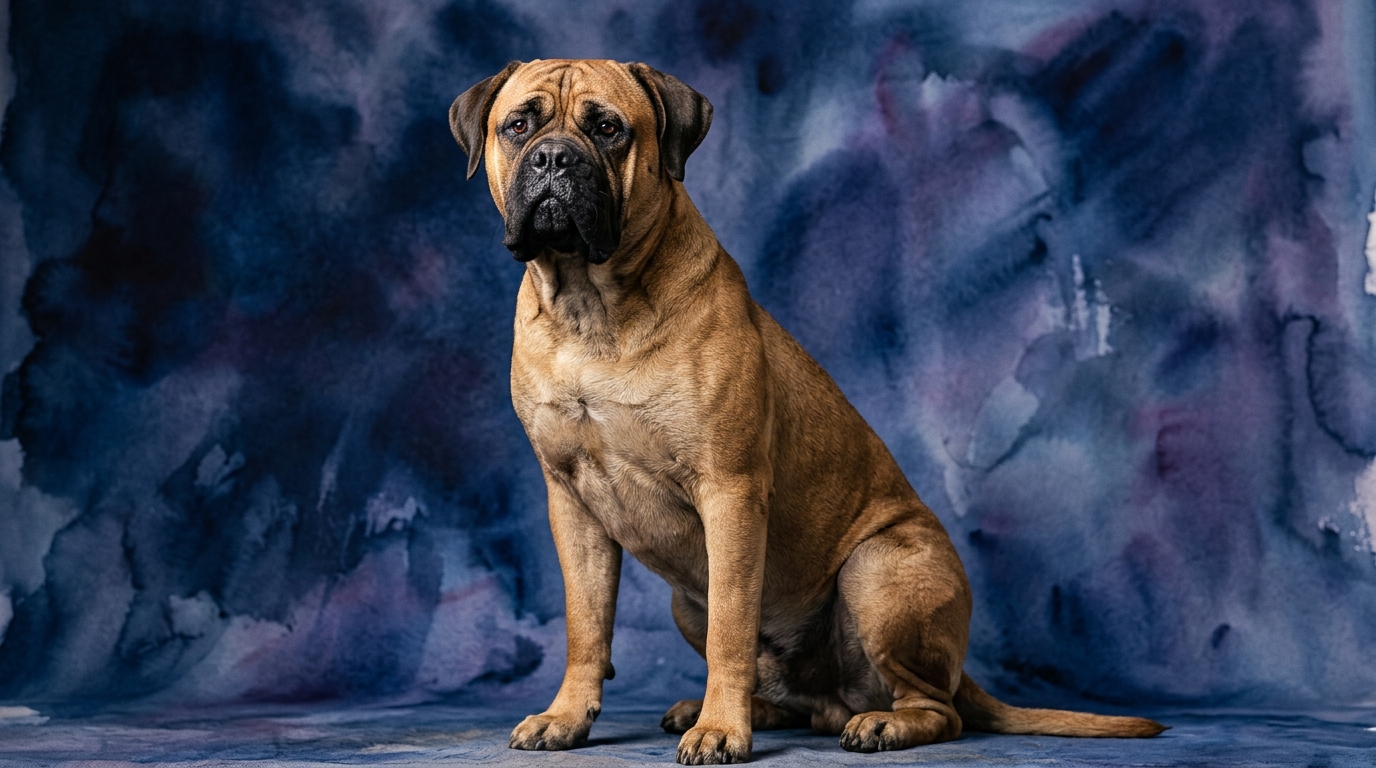
In contrast, the Bullmastiff, a Working group dog, has a Coren rank of #69, positioning them differently on the cognitive spectrum. Their Pet IQ Lab scores reflect a distinct mental makeup: problem solving 3/5, training speed 3/5, social intelligence 3/5, instinctive drive 3/5, and memory 3/5. These scores point to a breed that approaches learning and interaction with a more deliberate, steady pace, possessing a solid, functional intelligence rather than the quick, multi-faceted cognitive agility seen in the German Shepherd. Their drives are present but often less intense, leading to a calmer overall demeanor.
Where the German Shepherd Excels Cognitively
The German Shepherd’s cognitive superiority is evident across the board. Their 5/5 problem-solving ability means they can quickly assess novel situations, devise solutions, and adapt strategies, whether it's navigating an obstacle course or understanding a complex multi-step command. This mental agility allows them to excel in roles requiring independent thought and rapid decision-making.
A 5/5 training speed signifies their remarkable capacity to grasp new commands and concepts with minimal repetition, often anticipating their handler's intent. This rapid acquisition is supported by their 5/5 memory, ensuring that learned behaviors and experiences are retained effectively over time. Furthermore, their 5/5 social intelligence allows them to keenly interpret human body language, tone, and emotions, fostering deep communicative bonds and making them highly responsive partners. Coupled with a 5/5 instinctive drive, they possess an inherent enthusiasm for work and learning, turning training into an engaging, fulfilling activity rather than a chore.
Distinct Cognitive Strengths of the Bullmastiff
While the Bullmastiff’s Pet IQ Lab scores are lower than the German Shepherd's, their cognitive profile presents unique advantages for specific lifestyles. Their 3/5 problem-solving score translates to a less 'overthinking' approach; they are less likely to devise intricate schemes or constantly test boundaries, preferring a straightforward, consistent routine. This steadfastness can be a 'win' for owners seeking a predictable companion who is generally content with established patterns rather than constant mental challenges.
The 3/5 training speed, while requiring more patience and repetition, often results in deeply ingrained, reliable behaviors once learned. This deliberate learning style can lead to a dog whose responses are consistent and less prone to impulsive deviations. Their 3/5 social intelligence offers a calmer, less reactive emotional landscape; they are less likely to be overly sensitive to subtle human mood shifts, providing a stable and reassuring presence. Crucially, their 3/5 instinctive drive means they possess a moderate internal motivation, making them less demanding of constant 'work' and more inclined towards relaxed companionship, a significant benefit for owners preferring a tranquil home environment.
Training Dynamics: Ease and Engagement
Training a German Shepherd is generally an exhilarating experience for both dog and handler, thanks to their 5/5 training speed and powerful 5/5 instinctive drive. They absorb new commands rapidly, often showing an eagerness to please and a natural inclination for structured work. Their cognitive agility allows them to generalize concepts quickly, apply learning to new situations, and respond reliably to complex sequences of commands. This breed thrives on mental engagement, turning training sessions into a rewarding intellectual exercise.
The Bullmastiff, with a 3/5 training speed, requires a different approach. Training them demands consistency, patience, and positive reinforcement, as they may take longer to grasp new concepts. Their 3/5 instinctive drive means they are not inherently driven to perform 'jobs' in the same way a German Shepherd is; motivation often needs to be carefully cultivated through high-value rewards and short, engaging sessions. While they are certainly trainable, their learning style is more deliberate, and handlers must be prepared to invest more time in repetition and make training a positive, low-pressure experience to achieve reliable results. Their independent streak means they may question the 'why' behind a command more readily.
Matching Breeds to Lifestyles: Active vs. Relaxed Owners
The German Shepherd is an ideal companion for active, engaged owners who can provide ample mental and physical stimulation. Their 5/5 problem-solving and instinctive drive mean they need a 'job' to do, whether it's advanced obedience, agility, scent work, or regular, challenging exercise. Owners who enjoy training, outdoor adventures, and having a highly responsive, interactive partner will find a German Shepherd incredibly fulfilling. A sedentary lifestyle is not conducive to this breed's cognitive and physical needs, potentially leading to boredom-induced behaviors.
Conversely, the Bullmastiff's cognitive profile, with its 3/5 scores across the board, makes them well-suited for owners who appreciate a calmer, more relaxed companion. While they still require regular exercise to maintain health, their lower instinctive drive means they are generally content with a moderate activity level and enjoy quiet time with their family. Owners who prefer a steadfast, protective presence without the constant demands for intense mental engagement will find the Bullmastiff a good match. They thrive in homes that offer stability, routine, and a strong, consistent leader who understands their deliberate nature.
The Verdict
Choose a German Shepherd if you are an active, experienced owner seeking a highly trainable, mentally agile partner for advanced training, sports, or a working role.
Opt for a Bullmastiff if you desire a calm, steady, and protective companion who thrives on routine and moderate activity, and you possess the patience for their deliberate training style.
🧠 Find Your Pet's IQ Score
Our Pet IQ Lab assessment covers 25+ tests across 5 cognitive dimensions — personalized to your breed.
Take the Full IQ Test →Frequently Asked Questions
Are Bullmastiffs difficult to train given their 3/5 training speed?
While Bullmastiffs may take longer to learn new commands compared to breeds with higher scores, they are not inherently difficult to train. They require consistency, patience, and positive reinforcement, often responding best to high-value rewards and shorter, engaging sessions. Once a behavior is learned, it tends to be deeply ingrained.
Do German Shepherds truly need a lot of mental stimulation?
Absolutely. With 5/5 scores in problem-solving, social intelligence, and instinctive drive, German Shepherds thrive on mental challenges. Without adequate intellectual engagement through training, puzzles, or tasks, they can become bored and develop undesirable behaviors, as their minds are wired for constant learning and activity.
Which breed is better suited for first-time dog owners based on IQ?
For first-time owners, the Bullmastiff's more moderate instinctive drive and less demanding cognitive profile might be slightly more manageable, provided the owner is prepared for consistent, patient training. The German Shepherd's intense cognitive needs and high drive require an owner who is committed to extensive training and mental engagement from day one, which can be overwhelming for novices.